Location

Portugal

Founded

2018

Price range

€100 – €190

Shipping

Worldwide

Catalogue

86 products

Size range

20–48

Mukishoes Footwear Brand Logo

Mukishoes

Independent brand — verified
About

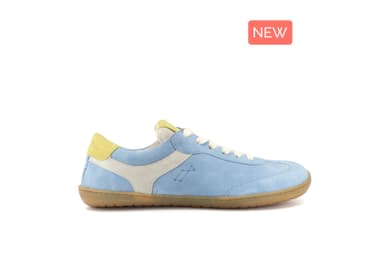
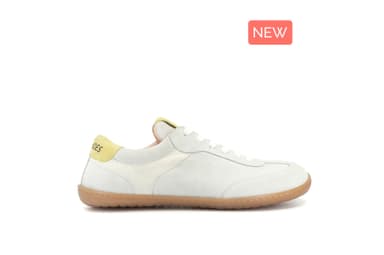
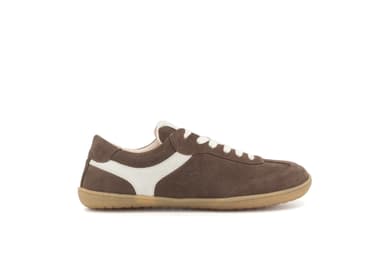
Mukishoes is a Portuguese barefoot footwear brand conceived in 2018 by founders and designers Madlen Schering and Marta Caeiro. They set out to make minimalist shoes from natural materials, with a shape that gives the foot room to move. The brand added Mukishoes Kids in 2020 and now sells styles for adults and children. Its barefoot design has a wide toe box, a thin flexible sole and no height difference between heel and toe. The range includes sneakers and boots, with materials varying by model. Mukishoes says its shoes are handcrafted in small, family-owned factories in northern Portugal. Its material choices are part of the brand’s environmental approach, but shoppers should check each product page for the exact composition of a pair. Mukishoes sells through its official online shop and provides separate size finders for grown-ups, kids and its smallest sizes. Its sizing guidance notes that different materials can behave differently on the foot. For someone new to barefoot shoes, measuring foot length and allowing room at the toes is more useful than assuming their usual shoe size will transfer directly.

Shop Mukishoes

Picked by the brand. Checkout happens on Mukishoes’s own site.

Brand Details

Contract manufactured (handmade)
Portugal
GOTS
Last reviewed
Sep 2026
Independent brand
Verified
M
Marta Caeiro
M
Madlen Schering

Corrections

How we review brands

More like this

From other labels in the directory.

Frequently asked questions

1. Who founded Mukishoes, and when did it begin?
Mukishoes was conceived in 2018 by founders and designers Madlen and Marta. The current official website does not publish their surnames, so the supplied names “Marta Caeiro” and “Madlen Schering” should be verified.
2. What are Mukishoes designed to feel like?
Mukishoes are minimalist barefoot shoes intended to let feet move naturally. Their design generally combines a wide toe area, flexible construction, lightweight materials and thin soles that preserve greater contact with the ground.
3. Where are Mukishoes manufactured?
Every production stage takes place in Portugal. The company works locally and says each pair is handcrafted individually, combining experienced manual shoemaking with modern production methods.
4. What materials does Mukishoes use?
The brand focuses primarily on natural and responsibly selected materials, although composition differs by design. Product pages provide model-specific information and may include organic cotton, hemp, wool, natural rubber or ecologically dyed textiles.
5. How should customers select a Mukishoes size?
Customers should measure their feet and use the printable size finder rather than automatically choosing their usual size. Mukishoes recommends leaving approximately 0.6–1.2 centimetres between the longest toe and the shoe’s interior length.
6. Does Mukishoes offer exchanges and returns?
Mukishoes accepts eligible clean, unworn footwear in its original packaging, but it does not currently provide direct size or style exchanges. Customers requiring another size must return the pair and place a new order.

Ready to shop?

Visit Mukishoes

You May Also Like

Discover more brands you might be interested in
Felmini featured image

Felmini

Portugal · Est. 1973 · Mid-range

Felmini is a Portuguese footwear brand founded by Joaquim Moreira in Felgueiras in 1973. It began with children’s shoes, the name combines “Fel” from Felgueiras and “mini” for children, before moving into women’s footwear in 1975. Today, its collections include boots, ankle boots, sandals, sneakers and other casual shoes, with wide-fit and barefoot options appearing in its online shop. Colour and leather finishing give Felmini its recognisable look. The company hand dip-dyes shoes at its factory using its own pigment blends, creating variations in tone and a worn-in effect. Its designs pair that craft with contemporary, often relaxed silhouettes. The brand is produced by J. Moreira, the Portuguese footwear company behind Felmini, and is sold through its own shop and retailers in several countries. Shoppers outside Portugal should check delivery eligibility before ordering: Felmini’s online shop currently accepts delivery addresses in European Union member countries. Its product pages are the best place to confirm the fit and materials of a particular style.

NAE Vegan Shoes featured image

NAE Vegan Shoes

Portugal · Est. 2008 · Affordable

NAE Vegan Shoes was founded in Lisbon in 2008 by Paula and Alex Pérez. Its name stands for “No Animal Exploitation,” reflecting the rule behind every collection: the shoes contain no animal-derived materials. The founders remain involved in the business, which describes its footwear as designed and made in Portugal. NAE offers women’s and men’s styles across everyday and dress footwear, including sneakers, loafers, sandals, boots and heels. Its material selection includes cork, apple- and pineapple-derived alternatives, and recycled materials; the composition varies by shoe. The brand says pairs are handcrafted in small Portuguese workshops and identifies its footwear as PETA-certified vegan. Customers can buy through NAE’s international online shop, which provides shipping information and size guidance. Individual product pages include fit notes, a useful check when moving between a boot, loafer and sneaker. For shoppers specifically seeking vegan footwear, NAE’s animal-free requirement applies across the brand, while its separate material and construction details should be checked style by style.
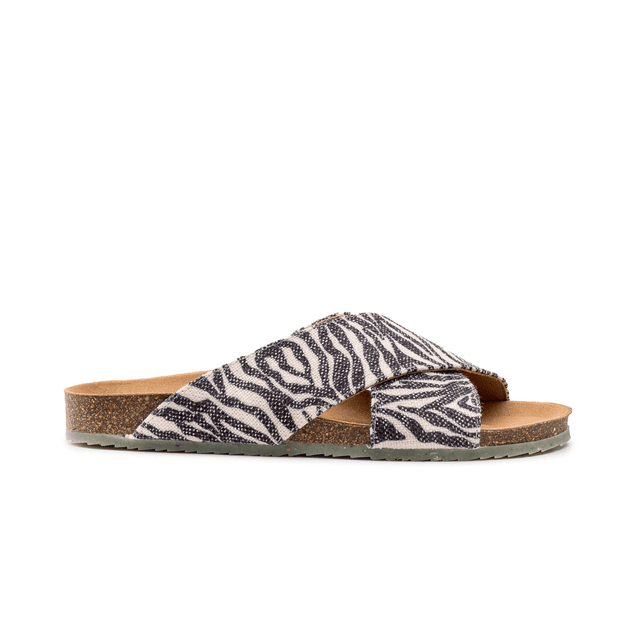
Zouri featured image

Zouri

Portugal · Est. 2017 · Mid-range

Zouri is a Portuguese vegan footwear brand developed from Adriana Mano’s idea of turning plastic collected on the country’s beaches into shoe components. The project began in 2017. It works with local institutions, volunteers and environmental groups on coastal cleanups, then combines recovered plastic with other materials in its footwear. The range includes sneakers, sandals and espadrilles. Materials depend on the model and can include organic cotton, linen, hemp, cork or plant-based alternatives. Zouri’s official site describes production in Portugal and says a pair comes with information about its materials, the collected plastic and the people involved in making it. That product-level detail is useful for shoppers assessing the brand’s environmental claims. Zouri sells directly through its website, where shoppers can filter styles by footwear type and material. Check the listing for the composition and properties of a specific pair: a sneaker described as water-resistant, for example, should not be assumed to make the entire range suitable for wet weather. The company’s website lists its contact location in Braga, Portugal.

From The Labels is not officially associated with the brands, designers, or individuals mentioned on this page. Information is curated from public sources, and brand owners can update or verify their listings by contacting support@fromthelabels.com.