8 Best Nontoxic Period Underwear in 2026 (PFAS Free)

Discover 8 independent brands offering non-toxic period underwear, with PFAS testing, absorbency details, material insights, and honest editorial reviews for 2026.
Period underwear has to do more than prevent leaks. It remains against intimate skin for hours, goes through repeated washing, and relies on technical layers to absorb fluid without allowing it to pass through. That makes both performance and material safety essential.
PFAS-free claims also deserve closer examination. Some brands merely state that these chemicals are not intentionally added, while others test finished garments for specific PFAS or screen for total fluorine, a broader indicator of possible contamination. For this guide, we examined the available laboratory results, certifications, material disclosures and PFAS policies before comparing absorbency, coverage, comfort, sizing and care.
We also chose to spotlight independent businesses that often receive less visibility than corporate-backed labels, without lowering the standard for inclusion. These 8 non-toxic period underwear brands offer the strongest combination of credible PFAS evidence and practical everyday performance we found.
What Are PFAS, and Why Are They Used in Period Underwear?
PFAS stands for per- and polyfluoroalkyl substances, a large group of synthetic chemicals known for resisting water, oil and stains. Some textile manufacturers have used PFAS-based finishes in period underwear to help leak-resistant layers repel liquid, minimise staining and retain these properties after repeated washing.
Often called “forever chemicals,” many PFAS break down extremely slowly, while some can accumulate in people and the environment. They are not necessary for reliable leak protection: tightly woven fabrics, absorbent layers and PFAS-free waterproof membranes can perform the same essential functions.
How We Chose the Best Nontoxic Period Underwear
“Nontoxic” is not a regulated standard for period underwear, so we did not rely on that label alone. We reviewed each brand’s PFAS policy, available laboratory findings, certifications, material disclosures and ownership history before it qualified for this guide.
PFAS evidence: We prioritised finished-garment testing, fluorine screening and recognised textile standards over unsupported PFAS-free claims.
Independent ownership: Every company is independently operated, with no publicly reported corporate parent or institutional backing.
Materials: We examined the complete gusset construction, including absorbent and leak-resistant layers, not only the cotton outer fabric.
Performance: Absorbency, drying time, coverage and leakage claims were compared against published tests and recurring customer experiences.
Comfort and fit: We considered breathability, bulk, sizing consistency and options for different bodies and flow levels.
Care and durability: The strongest pairs needed practical washing instructions and construction designed for repeated use.
This process helped us identify 8 PFAS-free period underwear brands that combine credible material transparency with protection people can realistically depend on.
8 Best Nontoxic Period Underwear in 2026
1. Scarlet
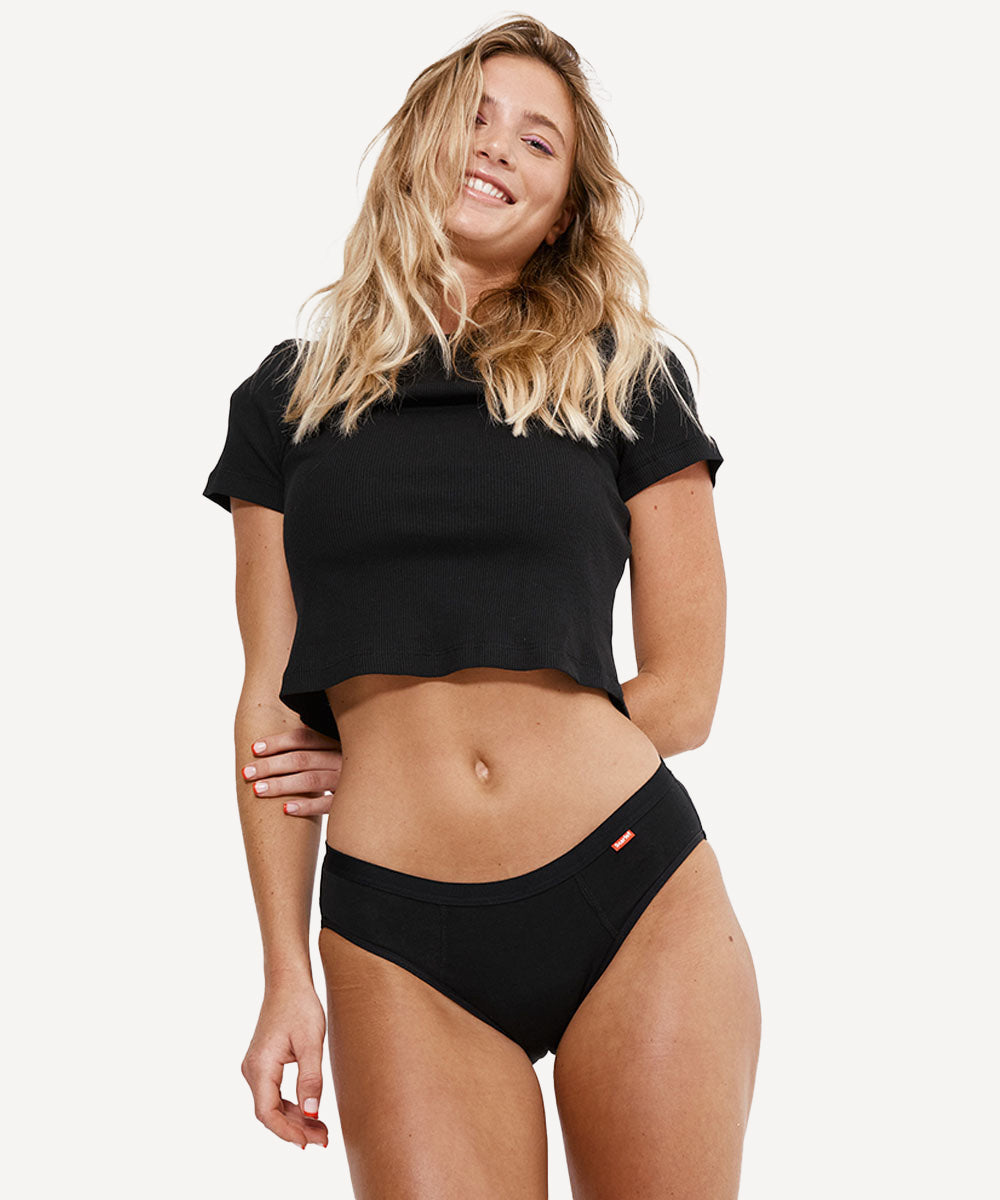
Best for: Organic-cotton comfort with clearly stated absorbency
Materials: 95% GOTS-certified organic cotton, 5% spandex; polyester/PUL gusset
Absorbency: Under one to four tampons’ worth
Sizes: AU 6–16 (XS–XXL)
Price range: Approximately AU$22–AU$30
Scarlet is our strongest overall choice because it combines PFAS transparency with practical design. The independent Melbourne brand states that every underwear style is PFAS-free and independently lab-tested, while its organic-cotton body feels closer to regular underwear than many synthetic-heavy alternatives.
What particularly impressed us is the straightforward absorbency scale. Instead of relying only on labels such as “moderate” or “heavy,” Scarlet provides measurements in teaspoons and tampon equivalents. We would choose the Bikini Brief for regular days and the full-coverage Boyshort, which holds around four tampons’ worth, for heavy flow or overnight use.
Our editorial review: Scarlet gets the fundamentals right without overcomplicating them. The slightly small fit and AU 16 upper limit reduce its inclusivity, but the clear product information, breathable materials and 30-day first-pair trial make it our most confident recommendation for non-toxic period underwear.
2. The Period Company
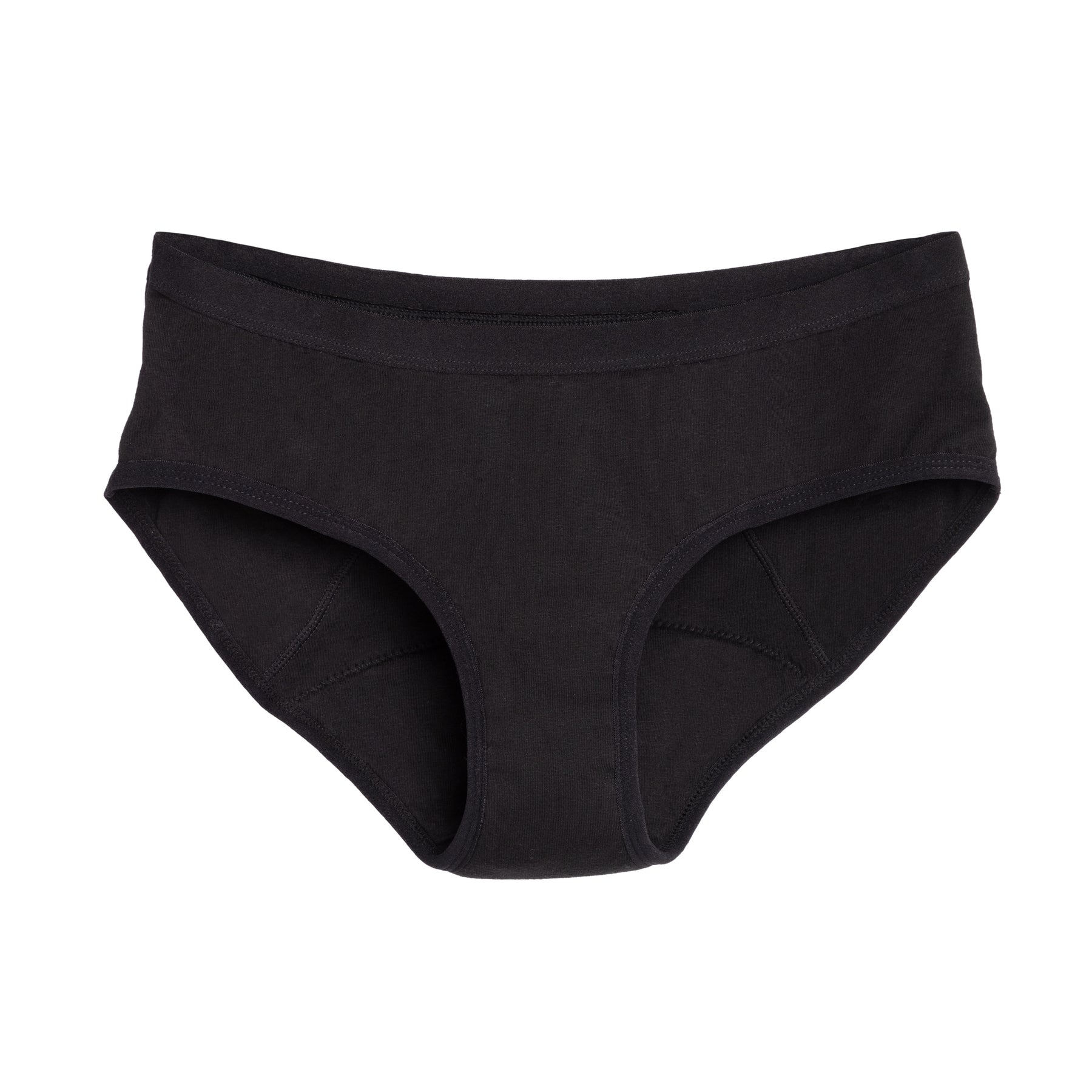
Best for: Affordable protection for heavy flows
Materials: 95% organic cotton, 5% spandex; polyester absorbent layer and PUL barrier
Absorbency: Two to nine tampons’ worth
Sizes: XS–6X
Price range: Approximately $12–$24
The Period Company proves that credible period underwear without PFAS does not need to cost $30 or more. Its fabrics undergo third-party testing through Intertek, with PFAS-related validation listed by UL. The company also states that it has no shareholders, supporting its place in this independent-brand guide.
Its $14 Organic Cotton High-Waisted Brief is the standout for heavy flow. A four-layer gusset holds up to nine tampons’ worth, while the range extends through 6X, considerably more inclusive than Scarlet. The trade-off is noticeable padding, and some customers find that the absorbent panel does not extend far enough up the back for sleeping.
Our editorial review: This is our best-value recommendation, particularly for heavy days, postpartum use and anyone building a multi-pair rotation on a budget. We would choose the extended-gusset style for overnight wear, as the standard brief prioritises absorbency over full rear coverage.
3. Lilova
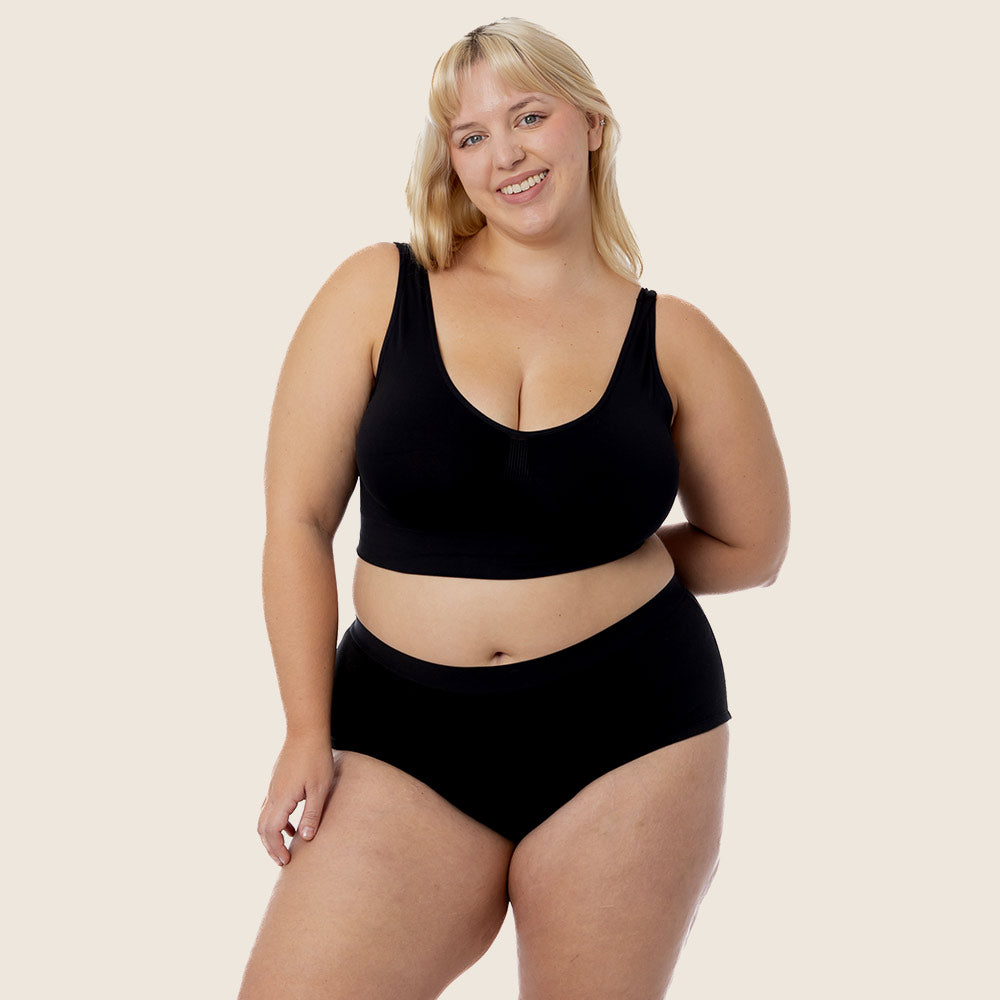
Best for: Heavy-flow and overnight protection
Materials: 95% certified organic cotton, 5% elastane; multilayer absorbent gusset
Absorbency: Up to five tampons’ worth
Sizes: XS–4X, depending on the style
Price range: Approximately $24–$39
Lilova stands out among non-toxic period underwear brands for pairing a soft organic-cotton body with protection designed for genuinely heavy days. The brand says its underwear is externally tested during production and again after completion, while independent screening reported no detectable fluorine, an encouraging result when evaluating possible PFAS contamination.
The $32 Jade Cotton Brief is the pair we would choose. Its gusset reportedly absorbs around four tampons’ worth and extends high enough at the back to provide better sleeping coverage than a standard brief. Lilova’s most absorbent designs hold approximately 40–50 ml, although anyone with an exceptionally heavy flow may still prefer backup protection during the first few wears.
Our editorial review: What impressed us most was the balance between substantial absorbency and an outer fabric that still resembles everyday underwear. The gusset is understandably thicker than a light-flow pair, and stretch can vary between styles, so careful use of Lilova’s hip measurements is important. Overall, it is one of our strongest recommendations for heavy days, overnight use, and bladder leaks.
4. Poppins Period
Best for: Easy machine washing and tumble drying
Materials: Cotton-modal blend with polyester absorbent layer
Absorbency: More than five tampons’ worth
Sizes: XS–3X
Price: Approximately $18–$24
Poppins Period is one of the more practical non-toxic period underwear options we reviewed. The sister-founded independent brand says no PFAS were detected in its underwear, which is also OEKO-TEX certified. Its biggest advantage is easier care: the pair can go into both the washing machine and tumble dryer while reportedly maintaining its absorbency after 52 washes.
Its only underwear style holds roughly as much as a menstrual cup and feels lighter than its capacity suggests. Published wearer reviews consistently support its absorbency and breathable feel, although the liner can initially feel stiff and the rear gusset does not extend as high as we would prefer for sleeping.
Our editorial review: We would recommend Poppins for daytime wear, moderate-to-heavy flow and anyone who values low-maintenance washing. The loose waistband, limited colour choice and relatively short rear coverage keep it from being our first overnight pick, but its credible material standard, high capacity and dryer-safe construction make it refreshingly easy to use.
5. DominoWear
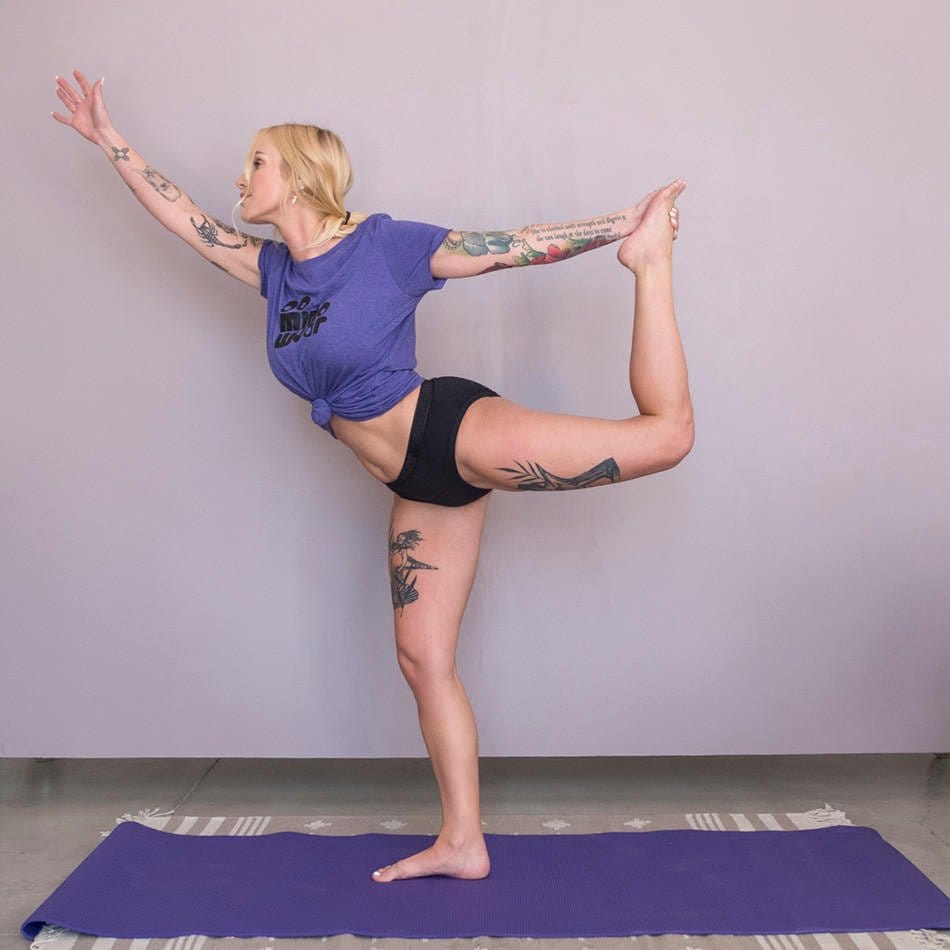
Best for: Curvier bodies and extended rear coverage
Materials: 63% TENCEL™ lyocell, 27% organic cotton, 10% spandex
Absorbency: Moderate and heavy
Sizes: S–XL (US 4–18)
Price range: $33.95–$34.95
DominoWear earns its place among our non-toxic period underwear picks with third-party PFAS and PFOA testing published on its website. The woman-owned independent brand sources its fabrics domestically and manufactures each pair in the US.
What impressed us was the fit: the absorbent panel extends generously towards the front and back, while the higher rear provides better protection for curvier bodies and back sleepers. Its moderate pair compares with underwear holding over three tampons, with a heavy option available for stronger protection.
Our editorial review: The breathable TENCEL™-cotton blend, published testing and thoughtful coverage make DominoWear a dependable choice for daytime or overnight use. Its limited S–XL sizing and single silhouette are the main drawbacks.
6. Wild Moon Underwear
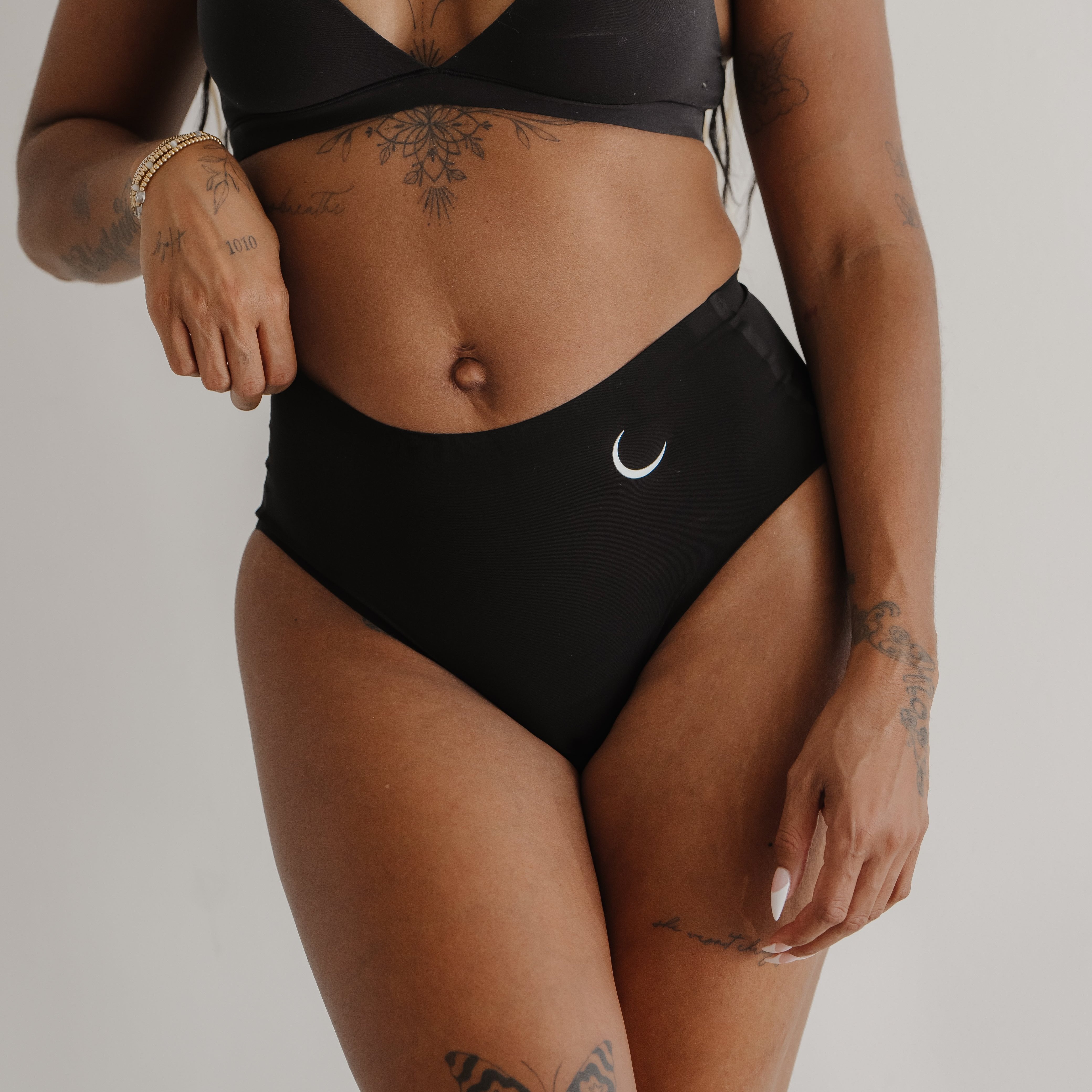
Best for: Full-coverage styles for every flow level
Materials: Organic cotton, bamboo-derived fabric, polyester, PUL, and spandex
Absorbency: 18–45 ml, or approximately two to five tampons
Sizes: XXXS–4X, depending on the style
Price range: Approximately $24–$34
Wild Moon offers one of the most versatile ranges in our non-toxic period underwear guide, including thongs, bikinis, briefs, boyshorts and biker shorts. The founder-led brand says every pair undergoes third-party PFAS testing, although we would welcome easier access to the complete laboratory results.
Our pick is the organic-bamboo Boyshort for heavy days and sleeping. Its four-layer gusset extends from front to back and holds approximately 45 ml, providing considerably better rear coverage than a standard bikini.
Our editorial review: We appreciate that Wild Moon publishes exact millilitre capacities rather than relying on vague flow labels. Certain styles reportedly fit snugly and must be air-dried, but the inclusive sizing, natural-fibre choices and full-coverage options make it a convincing PFAS-free period underwear brand.
7. Genial Day
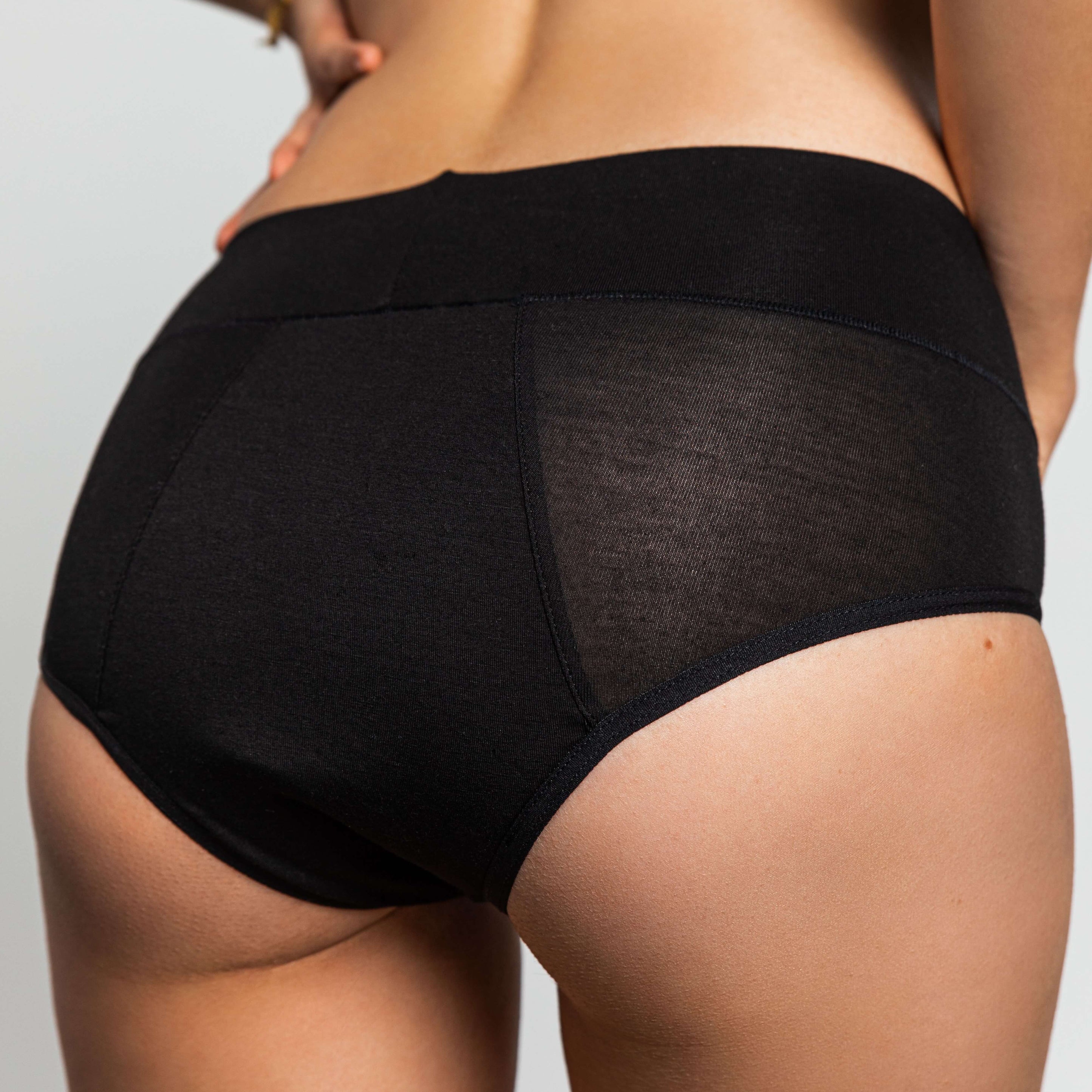
Best for: Light flow and discreet backup protection
Materials: 95% TENCEL™ modal, 5% elastane; cotton and PUL gusset
Absorbency: Approximately 10 ml
Sizes: XS–XXL (US 0–14)
Price range: Approximately $20–$35
Genial Day is a founder-led independent brand with a more specialised take on non-toxic period underwear. Its underwear underwent fluorine screening and returned a nondetect result, providing stronger evidence than an unsupported PFAS-free statement. The finished fabric is also OEKO-TEX certified, while cotton forms the layers closest to the body.
The TENCEL™ Hi-Waist Boyshort is our pick. Its soft modal body has no conventional elastic waistband, making it a comfortable option when bloating is an issue. The patented gusset includes side pockets that conceal pad wings and prevent them from folding, shifting or showing outside the underwear.
Our editorial review: We would use Genial Day alone for spotting, discharge or light-flow days and as backup with a cup, tampon or pad during heavier flow. Its 10 ml capacity cannot compete with the heavy-duty pairs above, but that is not really its purpose. For discreet layered protection, breathable fabric and a less bulky feel, it is one of the most thoughtfully designed period underwear without PFAS options we reviewed.
8. Fri Period
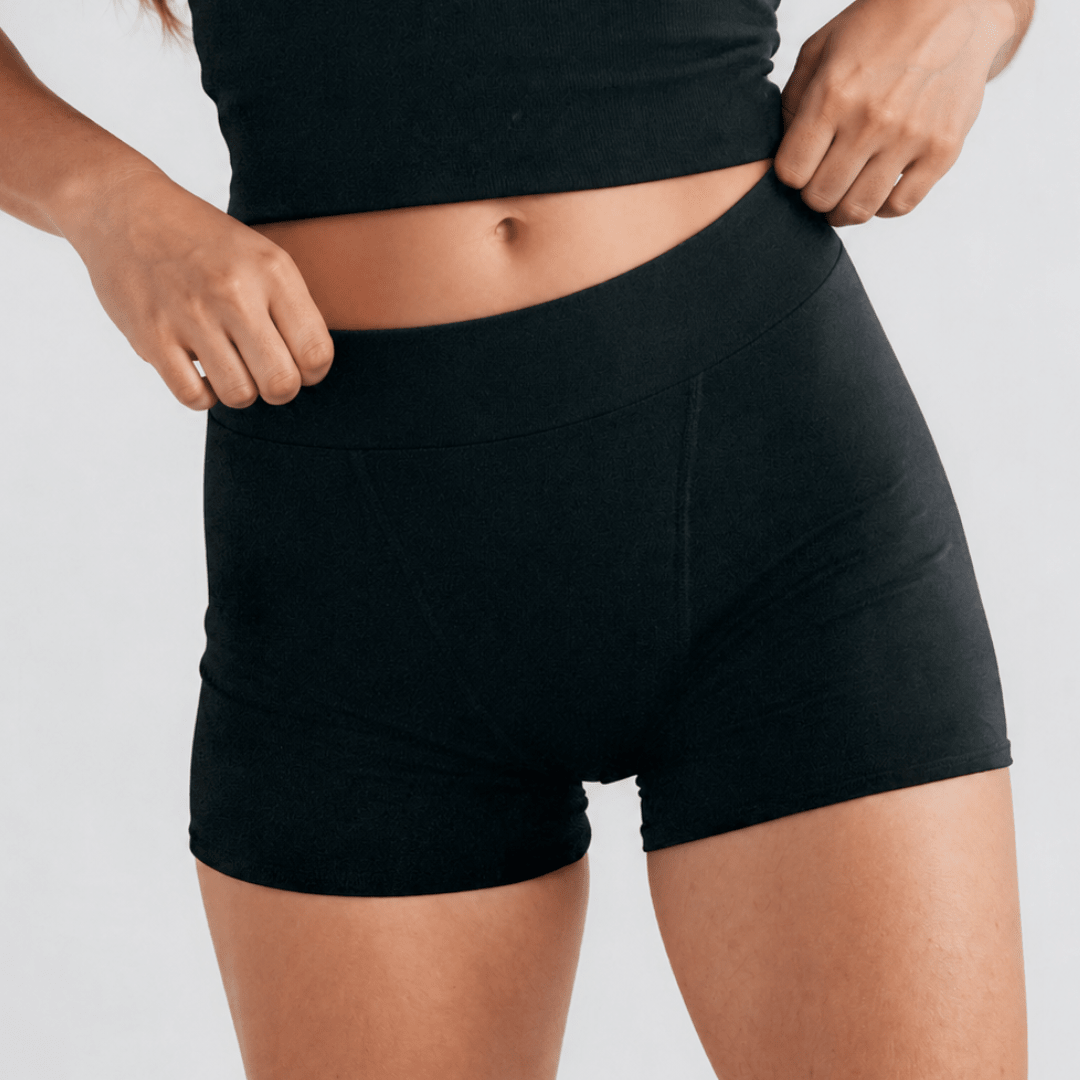
Best for: Soft boxer-style protection and overnight coverage
Materials: GOTS-certified organic cotton, bamboo fabric and multilayer absorbent core
Absorbency: Approximately three to four tampons
Sizes: XS–4XL
Price range: $29–$34
Fri Period is a founder-led independent label created around sensitive-skin comfort. The brand says its OEKO-TEX-certified materials undergo third-party screening for PFAS, heavy metals, and other substances, although it does not currently provide a detailed finished-garment PFAS report.
The $34 Period Boxer is our pick. Its longer legs reduce chafing and side leaks, while the fuller coverage makes it better suited to sleeping than the Classic Brief. Wearer feedback repeatedly praises its softness and dry feel, although the absorbent section can initially appear bulky.
Our editorial review: Fri Period offers some of the most comfortable-looking cotton period underwear in this guide, particularly for people who dislike close-cut briefs. We would prefer greater access to its laboratory documentation, but its certified materials, four-tampon capacity and inclusive sizing make it a credible non-toxic period underwear option.
How to Choose PFAS-Free Period Underwear
Start with evidence, not a PFAS-free badge. The most trustworthy brands publish finished-product laboratory results or clearly explain who conducted the testing and what was measured.
Check the testing method: Look for targeted PFAS testing or total/organic fluorine screening. A nondetect fluorine result is reassuring, although it cannot rule out every individual PFAS compound.
Distinguish “PFAS-free” from “not intentionally added”: The latter means the brand did not deliberately use PFAS, but it does not exclude accidental contamination during manufacturing.
Examine the entire gusset: Cotton against the skin is valuable, but the absorbent core and waterproof barrier matter too. Look for a complete material breakdown.
Match capacity to your flow: Compare millilitres or tampon equivalents rather than relying only on terms such as “heavy.” Overnight pairs should also extend protection towards the back.
Prioritise fit and coverage: A close fit around the legs helps prevent leaks. Check whether reviews consistently mention tight sizing, waistband rolling or gusset movement.
Review the care requirements: Heat, bleach and fabric softener can damage absorbent layers. Choose period underwear without PFAS that fits realistically into your washing routine.
How to Wash and Care for Period Underwear
Step 1 – Rinse after use: Rinse the underwear in cold water until the water runs mostly clear. Avoid hot water, which may set blood stains.
Step 2 – Wash gently: Hand-wash or use a cold, gentle machine cycle with a mild detergent.
Step 3 – Avoid damaging products: Skip bleach, fabric softener, and harsh stain removers, as they can reduce absorbency and weaken the leak-resistant layer.
Step 4 – Air-dry thoroughly: Hang or lay the underwear flat until completely dry. Use a tumble dryer only when the brand specifically permits it.
Step 5 – Store it dry: Keep clean pairs in a cool, dry drawer. Trapped moisture can encourage odours and damage the fabric over time.
Is PFAS-Free Period Underwear Worth It?
Yes. Well-made PFAS-free period underwear can replace hundreds of disposable products, reduce recurring costs, and provide reliable protection without intentionally added fluorinated treatments.
The value depends on choosing the right absorbency and caring for each pair correctly. Start with two or three pairs suited to your heaviest or most frequent flow days before investing in a full rotation. Prioritise verifiable testing, comfortable coverage and durable construction, not the PFAS-free label alone.
Frequently Asked Questions
Does PFAS-free period underwear contain no chemicals?
No. Every textile contains chemical substances, whether natural or synthetic. Brands use “PFAS-free” differently: it may mean no PFAS were intentionally added, specified PFAS were not detected, or fluorine screening returned a nondetect result. Check the underlying test and detection limit.
How can I tell whether period underwear is PFAS-free?
Look for third-party laboratory reports, fluorine screening results, or clear testing details. OEKO-TEX certification adds useful material-safety evidence, but it should not automatically be treated as proof of comprehensive finished-garment PFAS testing.
How many hours can period underwear be worn?
Most pairs can be worn for approximately eight to twelve hours, depending on absorbency and flow. Change sooner if the gusset feels wet, heavy, or begins leaking, particularly during heavier days.
Can PFAS-free period underwear handle heavy flow?
Yes, provided the pair is designed for heavy flow. Check its capacity in millilitres or tampon equivalents and choose extended front-to-back coverage for sleeping. Extra-heavy flows may require an earlier change.
Can period underwear replace pads and tampons?
Yes. Many medium- and heavy-absorbency styles can be worn independently. Light-flow underwear may work better for spotting or as backup with a tampon, menstrual cup, disc or reusable pad.
Is cotton period underwear suitable for sensitive skin?
Yes, generally. Cotton is soft and breathable, but examine the complete gusset because it may contain synthetic absorbent and waterproof layers. Certifications and dermatological testing provide more assurance than cotton content alone.
How many pairs of period underwear do I need?
Start with three to five pairs and adjust according to your cycle, washing routine and flow. A complete rotation commonly requires five to seven pairs across light, medium, heavy and overnight absorbencies.
Keep browsing
Browse similar brands
Explore independent labels in our directory related to this story.
Browse all brands