9 Best Nontoxic Sunscreens For Your Face (Editor’s Picks)
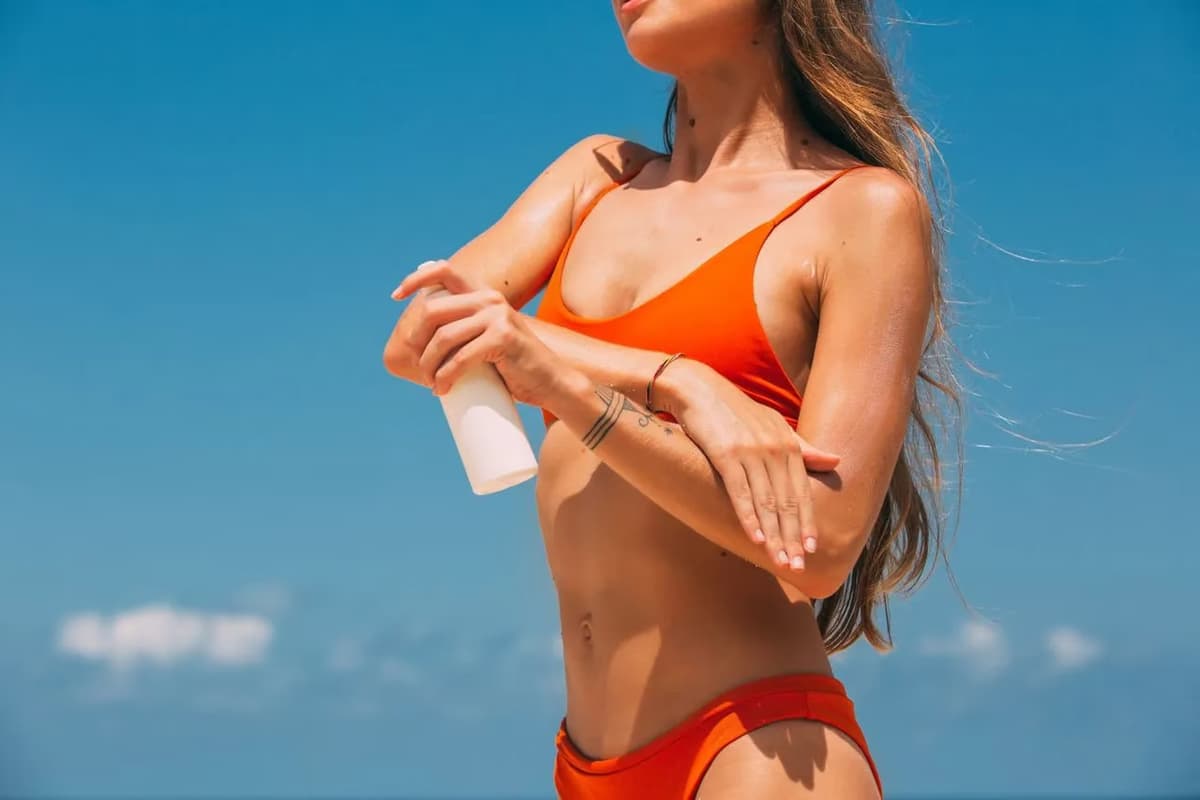
Discover 9 of the best nontoxic face sunscreens from independent brands in 2026, reviewed for ingredients, white cast, skin type, finish, wear and overall value.
Finding a non-toxic face sunscreen with a transparent formula is only half the work; it also needs to perform beyond the brand’s marketing claims. We reviewed sunscreens from independent brands by examining complete ingredient lists, SPF protection, and meaningful customer feedback.
Our comparison revealed practical trade-offs: some formulas perform well for everyday wear but lack water resistance, while others may feel greasy or leave a visible cast on certain skin tones. We also screened for added fragrance, essential oils and other potential irritants rather than assuming every natural ingredient is gentler.
Here, “nontoxic” means meeting our disclosed selection criteria, not that conventional sunscreen ingredients are automatically toxic. Each review explains who the product may suit, what users repeatedly liked, and the limitations to consider before buying.
What Does “Nontoxic Sunscreen” Mean?
A ‘nontoxic sunscreen’ is a consumer term typically used for formulas with clearly disclosed ingredients and fewer common irritants, such as added fragrance and aromatic essential oils. Many use mineral filters like zinc oxide or titanium dioxide, while some shoppers also prefer to avoid oxybenzone and octinoxate.
Because “nontoxic” has no standardized scientific or legal definition, the criteria vary between brands. It should not be treated as proof that conventional sunscreens are toxic, since safety depends on the ingredient, concentration, overall formula and individual sensitivity.
How We Chose the Best Nontoxic Sunscreens for Your Face
Our search for the best clean sunscreen for face use went beyond collecting products that simply describe themselves as “clean.” Every sunscreen was assessed using the same four-stage editorial review:
Eligibility: We considered non-toxic face sunscreen options from Independant brands that are currently available and offer broad-spectrum SPF 30 or higher.
Formula review: We checked each UV filter, its concentration, and the formula for added fragrance, essential oils, drying alcohols and irritants. Ingredients were judged by function and formula context, not list length or natural-sounding names.
User evidence: Some products were tried by our team, allowing us to assess texture, finish, and wear firsthand. For those we did not test directly, we compared brand claims with recurring customer feedback from brand and retailer websites.
Performance: For products tried by our editors, we wore them for around four hours during normal outdoor activity, checking white cast in daylight, finish, eye sting, pilling, comfort, and makeup wear. Water resistance was verified from the product label rather than personal observation.
Customer reviews helped us identify recurring patterns in wear and tolerability, not verify SPF performance or establish safety. We gave less weight to products with limited reviews, inconsistent experiences or little supporting evidence beyond the brand’s own claims.
The Best Nontoxic Face Sunscreens at a Glance
This comparison highlights the differences that matter most in daily use, including protection level, finish, tint range and whether the formula is suitable for swimming or sweating.
Product | Best for | Protection | Finish and tint | Water resistance |
Tower 28 SunnyDays | Best overall | Mineral SPF 30 | Natural finish; 17 shades | Not water-resistant |
Bloomeffects Tulipscreen Dew Serum | Dry skin | Mineral SPF 50 | Dewy; two sheer tints | 40 minutes |
Solara Guardian Angel | Lightweight feel | Mineral SPF 50 | Soft satin; untinted | No stated duration |
Odacité Mineral Drops | Skin-tint coverage | Mineral SPF 50 PA++++ | Dewy; seven shades | No stated duration |
Live Tinted Hueguard Skin Tint | Deeper skin tones | Mineral SPF 50 | Radiant; 13 shades | 80 minutes |
Iris & Romeo Weekend Skin | Glowy finish | Mineral SPF 50 | Luminous; four sheer tints | No stated duration |
Saint Jane Sun Ritual | Wearing under makeup | Mineral SPF 30 | Soft-focus; sheer tint | No stated duration |
Undefined Beauty R&R Sun Serum | Affordable SPF 50 | Mineral SPF 50 | Natural; three tint options | 40 minutes |
Mad Hippie Daily Protective Serum | Outdoor activity | Mineral SPF 30+ | Natural, slightly luminous | 80 minutes |
“Not stated” means the brand does not publish a specific water-resistance duration; it should not be assumed suitable for swimming or heavy sweating.
9 Best Nontoxic Sunscreens For Your Face (Summer 2026)
1. Tower 28 SunnyDays SPF 30
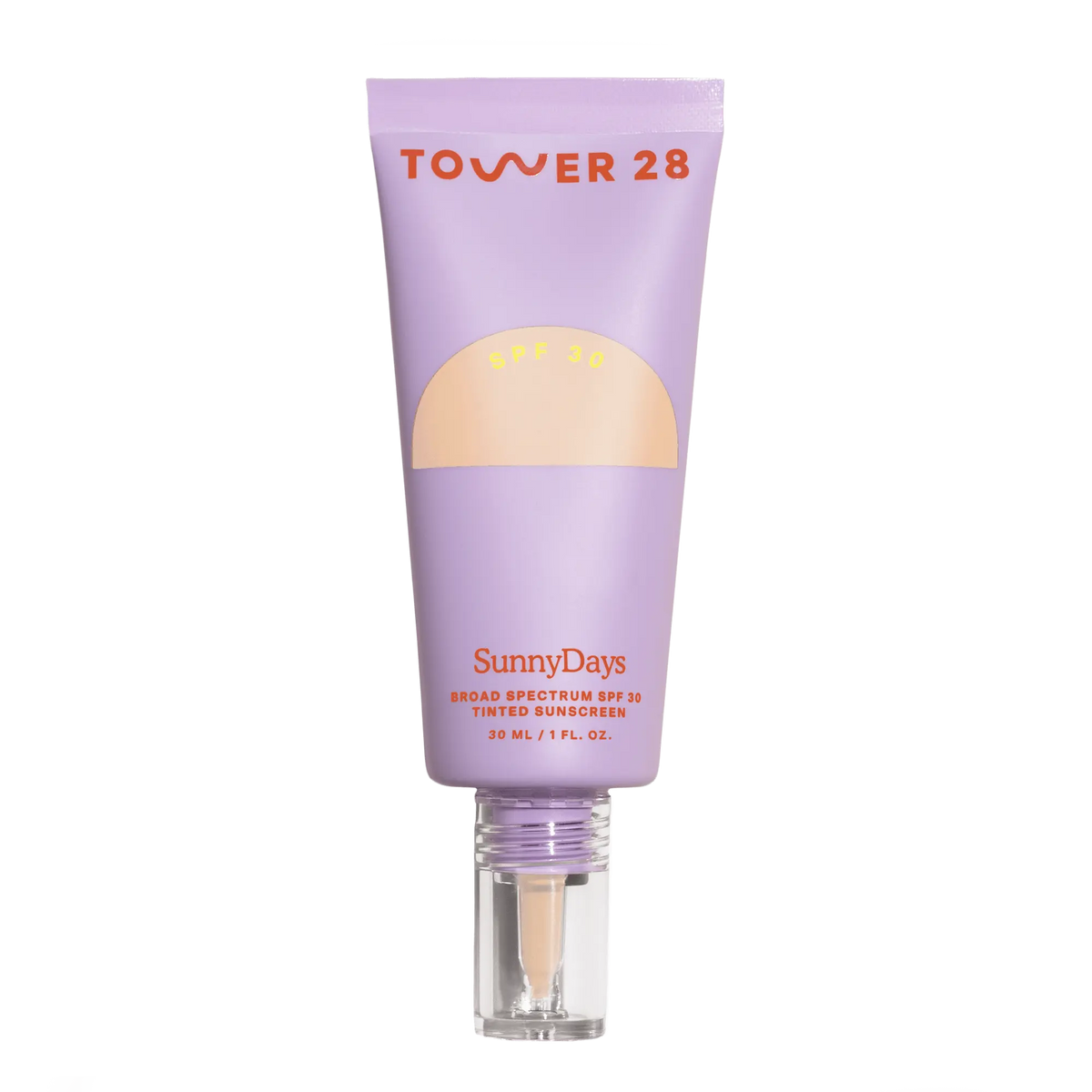
Key details: 12.6% non-nano zinc oxide | 17 shades | Fragrance-free | Not water-resistant
During our review, what stood out first was the combination of mineral protection and a genuinely useful shade range. The formula uses 12.6% non-nano zinc oxide and comes in 17 shades, which gives shoppers more room to find a wearable tint than most mineral options offer. It is also fragrance-free, although the foundation-like coverage means shade and undertone matching still matter.
The feedback pattern is more informative than the average rating alone. Across more than 1,000 reviews on Tower 28’s website and over 1,800 on a Sephora regional listing, many users describe comfortable coverage and a natural finish. Others report greasiness, separation, dry-patch clinging, or a grey-looking tint, particularly when the shade is not a close match.
Our take: We consider SunnyDays the best non-toxic face sunscreen here for daily wear because its formula, shade range, and user evidence are stronger as a combination. Its main limitation is the lack of water resistance, making it better for everyday use than swimming, workouts or long periods in intense sun.
2. Bloomeffects Tulipscreen Dew Serum SPF 50
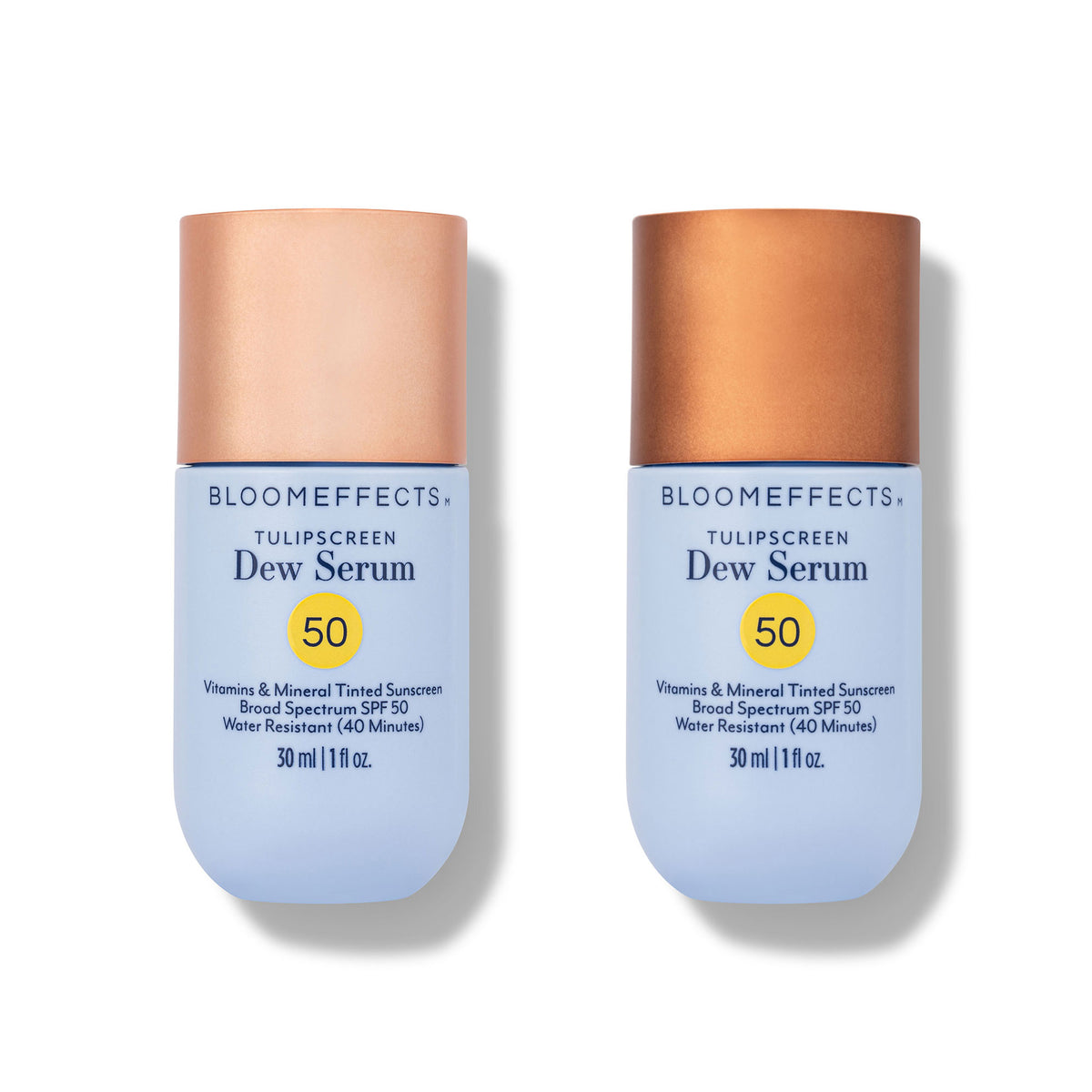
Key details: Non-nano zinc oxide | Two sheer tints | Fragrance-free | Water-resistant for 40 minutes
The Bloomeffect Tulipscreen Dew Serum has a fluid mineral formula built around hydration rather than a dry, powdery finish. Its ingredient list includes glycerin, sodium hyaluronate, and sodium lactate to attract moisture, with jojoba esters and emollients helping soften the skin. Niacinamide, allantoin and bisabolol add further support for skin that feels dry or uncomfortable.
The Glow and Bronze tints make the zinc base more wearable, but they are not a complete shade range. Glow may appear too light on some medium or tanned complexions, while Bronze may require careful blending on lighter skin. Its luminous finish is the main reason it suits dry or dull skin, though the same dewiness could feel excessive on oily skin. Alcohol and witch hazel water also appear near the end of the formula, so very reactive skin may still benefit from a patch test.
Our take: The moisturizing base gives this clean sunscreen for the face a clear advantage on dry skin. Shake it thoroughly and allow previous skincare layers to dry before application to reduce unevenness or pilling.
3. Solara Guardian Angel SPF 50

Key details: SPF 50 | Mineral | Fragrance-free | Oil-free
Guardian Angel is made for people who want mineral protection without the thick, greasy feel many zinc sunscreens leave behind. Its milky consistency feels closer to a lightweight face lotion and settles into a soft satin finish, making it easier to fit into a morning skincare routine or wear beneath makeup.
The result is not equally invisible on everyone. In the feedback we examined, several people found that it blended smoothly without pilling or stinging their eyes. We also noted complaints about white cast, tugging during application and a dropper that does not always dispense the product easily. Applying it over moisturized skin and working in small sections should make it easier to spread, but deeper skin tones may still prefer a tinted option.
Our take: Guardian Angel is a good everyday non-toxic face sunscreen for anyone seeking high-SPF mineral protection in a lighter, fragrance-free formula. It is less convincing for the beach or workouts because Solara does not provide a clear water-resistance duration.
4. Odacité Mineral Drops SPF 50
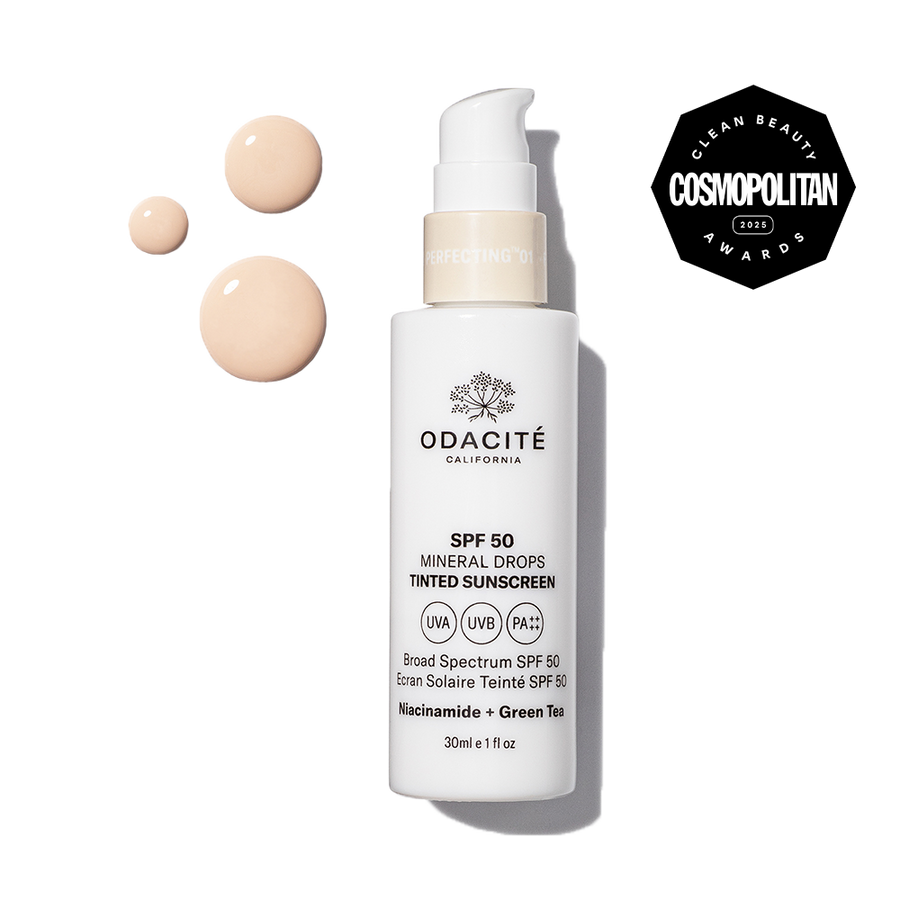
Key details: SPF 50 PA++++ | Tinted mineral formula | Seven shades | Fragrance-free
Odacité Mineral Drops feels more like a lightweight skin tint than a traditional mineral sunscreen. The fluid formula provides sheer coverage that softens uneven tone and redness while leaving a noticeable dewy finish. Seven shades cover a wider range than many tinted mineral SPFs, though the limited undertones mean the match will not be exact for everyone.
From the feedback we examined, the strongest appeal is its ability to replace a light foundation on casual days. We also noted complaints about excessive shine and breakouts on oily or acne-prone skin, along with occasional frustration about the bottle and dropper. Coverage is light, so it will not conceal prominent marks or blemishes.
Our take: This is best suited to normal, dry, or mature skin that benefits from a moisturizing, radiant finish. The drop format makes underapplication easy, so use a generous, even layer rather than treating it like a concentrated tint. Apply it as the final skincare step instead of mixing a few drops into moisturizer or foundation, which can interfere with even sunscreen coverage.
5. Live Tinted Hueguard Skin Tint SPF 50
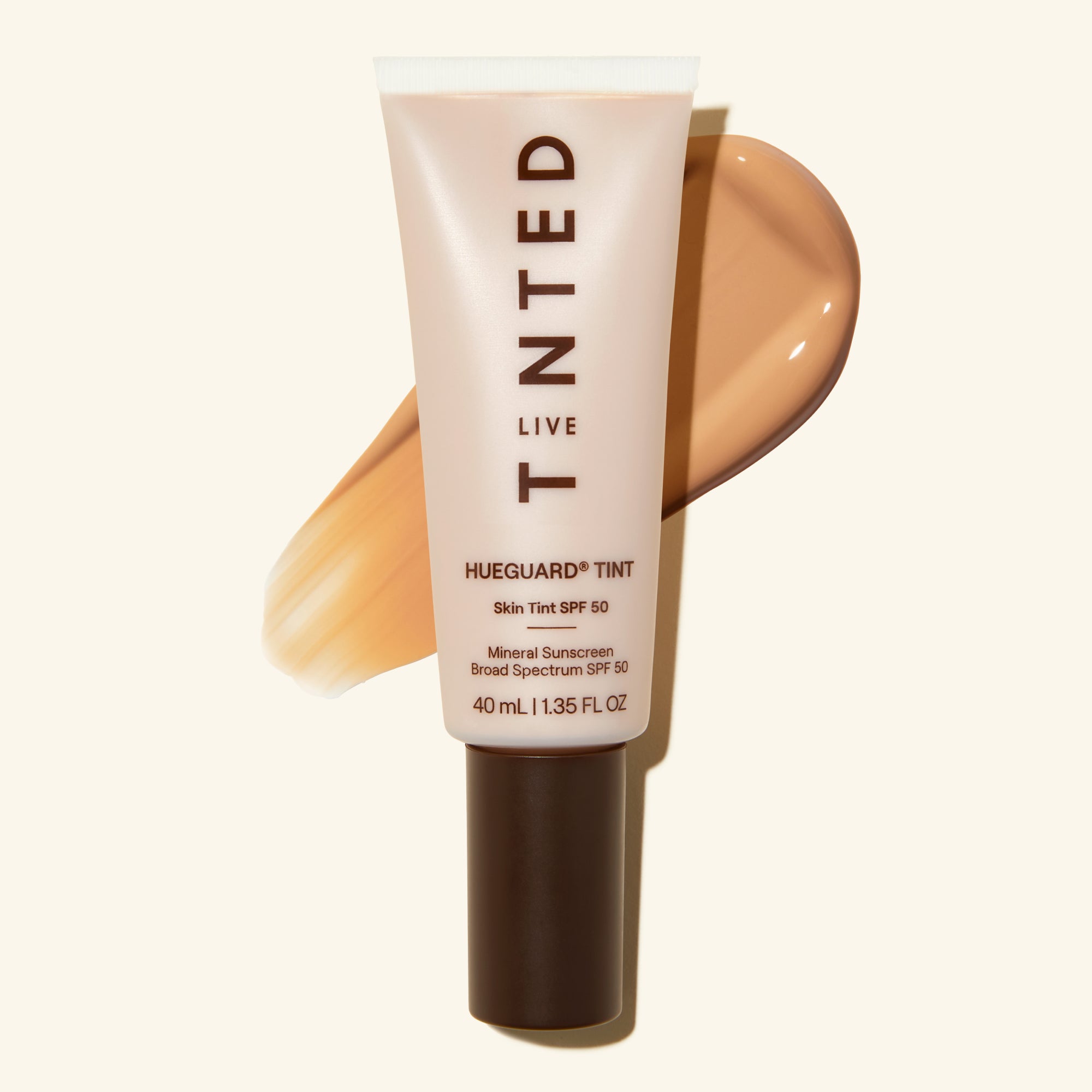
Key details: SPF 50 | 13 shades | Light-to-medium coverage | Radiant finish | 80-minute water resistance
Live Tinted Hueguard helps solve one of the biggest problems with tinted mineral sunscreen: the grey or ashy finish it can leave on deeper complexions. Its shade range includes several medium-deep and deep options, while the buildable tint provides enough coverage to soften uneven tone without feeling like full foundation. The radiant finish works especially well for normal, dry, and combination skin.
We also noted recurring reports of oxidation, transfer, and pigment settling around dry patches, so choosing by undertone, not only skin depth, is important. Although the formula has no added fragrance, its natural base scent may still be noticeable. Oily skin will likely need a light setting powder to control shine and reduce transfer.
Our take: This is one of the better clean sunscreen options for deeper skin tones because it combines wearable mineral protection, useful coverage, and strong water resistance. It is best for anyone wanting sunscreen and a skin tint in one step, though swatching before buying is worthwhile.
6. Iris & Romeo Weekend Skin SPF 50
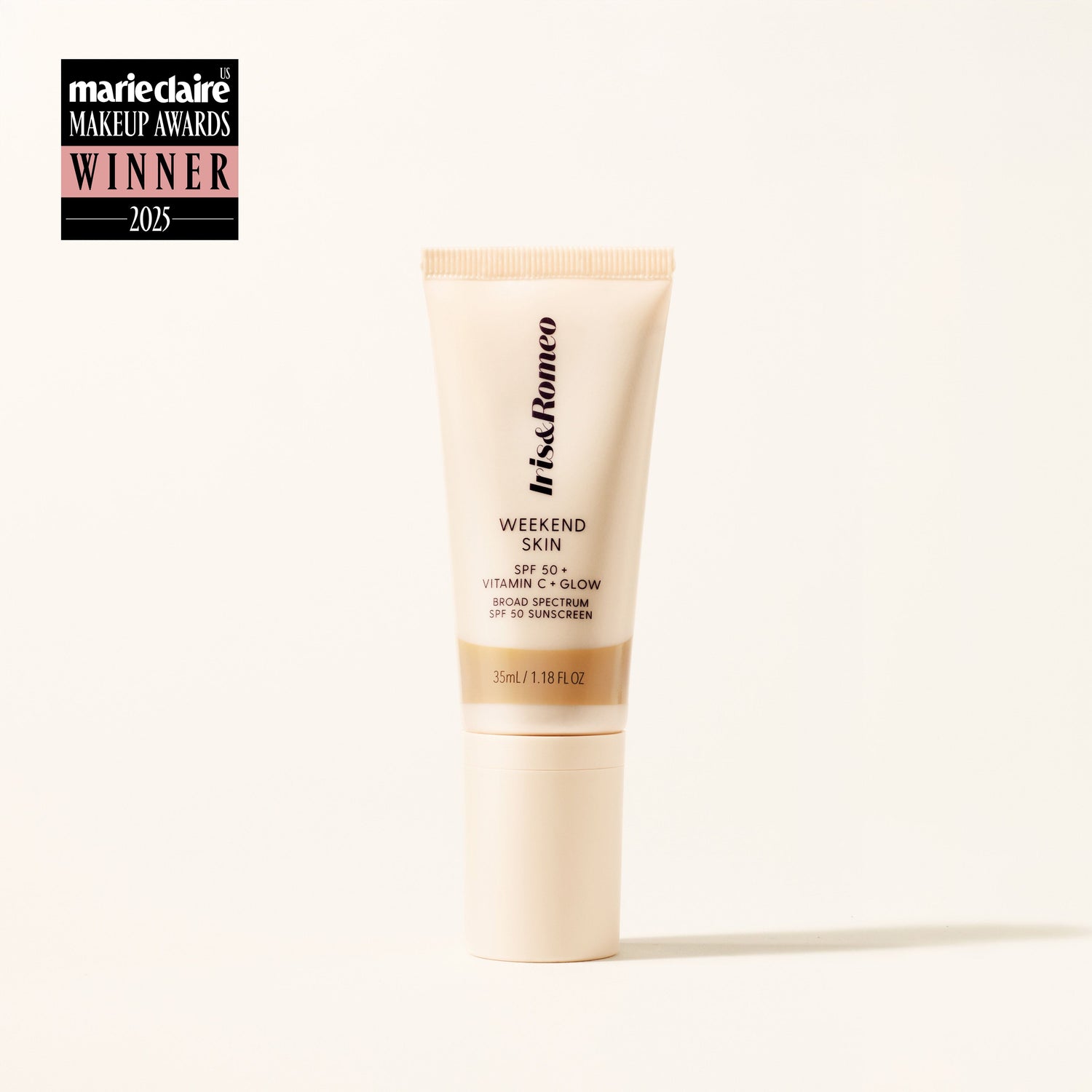
Key details: Mineral SPF 50 | 10% non-nano zinc oxide | Four sheer tints | Dewy finish | 1.18 fl oz
The Iris and Romeo Weekend Skin creates a fresh, luminous finish without relying on obvious glitter. Its fluid texture spreads more like a lightweight skin tint than a traditional mineral sunscreen, while the sheer pigment helps soften the chalky appearance zinc can leave behind. It offers little coverage, but it makes dull skin look brighter and sits well beneath light makeup.
We noted that the glow works best on normal, dry, and combination skin. On oily complexions, the same finish can appear shiny and may transfer during the day. The four flexible tints are designed to blend across multiple skin tones, although they cannot provide the precision of a full foundation shade range. The formula is not presented as water-resistant, making it better for ordinary daily wear than swimming, workouts, or prolonged outdoor activity.
Our take: A strong choice when you want mineral SPF 50 to double as a luminous primer. It delivers visible radiance without feeling like heavy makeup, but those who prefer a matte finish should look elsewhere.
7. Saint Jane Luxury Sun Ritual SPF 30

Key details: Broad-spectrum SPF 30 | 10% non-nano zinc oxide | Sheer tint | Fragrance-free | Soft-focus finish
Sun Ritual feels closer to a smoothing primer than a conventional mineral sunscreen. Its creamy texture spreads evenly, and the subtle tint helps prevent the obvious white residue often left by zinc-based formulas. Once settled, it gently blurs pores and creates a smooth base without adding foundation-like coverage.
We noted that the moisturizing finish is better suited to normal, dry and combination skin than very oily complexions. Applying too much skincare underneath may also encourage pilling, so it works best over a simple morning routine. It is not listed as water-resistant, limiting its usefulness for swimming or strenuous outdoor activity.
There is also a labeling inconsistency worth flagging: the product page describes the sunscreen as silicone-free, but its disclosed ingredients include dimethicone, a silicone commonly used to create that smooth finish. This does not make the formula unsafe, but the claim should be clearer.
Our take: One of the better mineral sunscreens for creating a polished makeup base, though we would reserve it for ordinary daily wear rather than active summer days.
8. Undefined Beauty R&R Sun Serum SPF 50
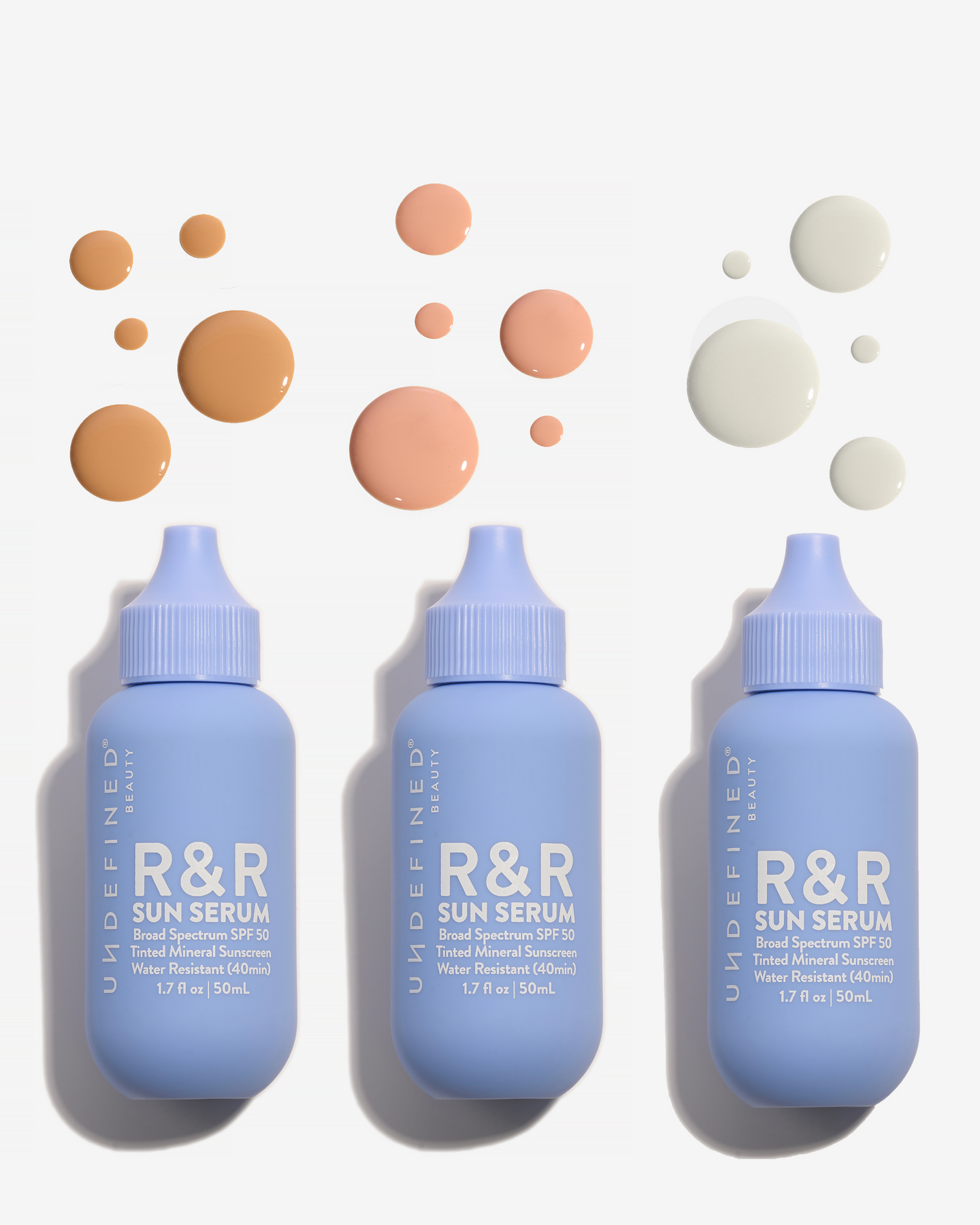
Key details: $28 for 1.69 fl oz | Mineral SPF 50 | 12% non-nano zinc oxide | Three tint options | 40-minute water resistance
R&R Sun Serum offers unusually good value for a mineral face sunscreen. For $28, it provides high SPF protection, a full 50 mL bottle, and enough water resistance for light swimming or sweating. The fluid formula spreads more easily than a thick zinc cream and settles into a natural skin-like finish rather than looking excessively matte or glossy.
It comes in Untinted, Light Tint, and Medium Tint. The tinted versions help counter visible white residue, but the three options do not amount to a precise shade range; the warm Medium Tint will not blend equally well across every skin tone. We also noted that the formula should be applied to dry skin and massaged thoroughly, particularly over moisturizer. Its fragrance-free formula retains an earthy, clay-like scent from the raw ingredients, which may be noticeable during application.
Our take: This is the best non-toxic face sunscreen for shoppers on a budget, combining SPF 50, a generous size, and practical water resistance without the usual premium price.
9. Mad Hippie Daily Protective Serum SPF 30+
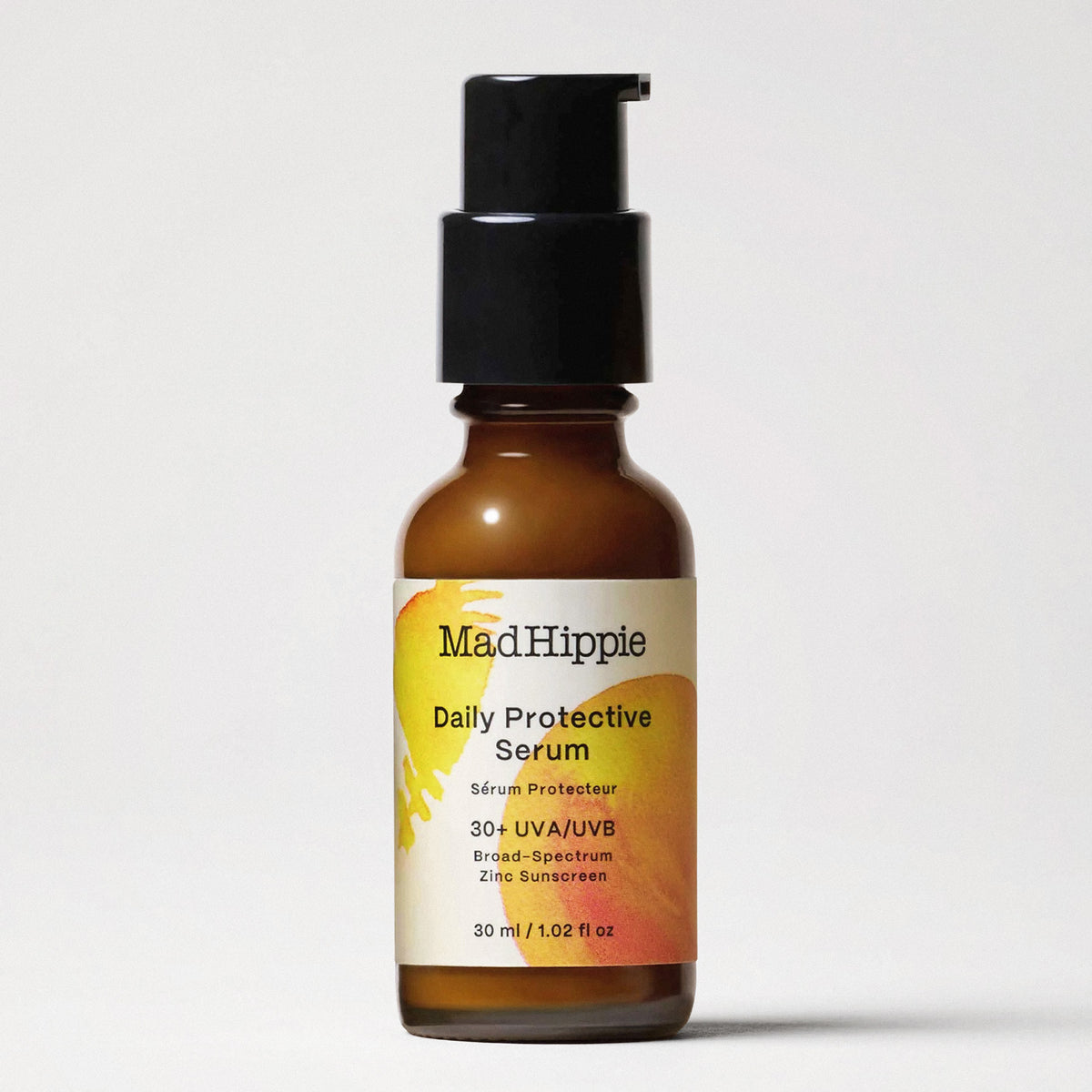
Key details: Mineral SPF 30+ | 12.7% non-nano zinc oxide | 80-minute water resistance | No synthetic fragrance | 1.02 fl oz
Daily Protective Serum combines the light feel of an everyday face product with the water resistance expected from an outdoor sunscreen. It spreads more easily than a traditional zinc cream, absorbs without leaving a heavy film and generally wears well beneath makeup. The natural, slightly luminous finish should suit most skin types without appearing excessively greasy.
We noted two practical drawbacks. Despite the brand describing its zinc as clear, the untinted formula can leave a visible haze on some complexions, making it less dependable for deeper skin tones. There are also recurring reports of the formula separating and the pump dispensing it unevenly, so shaking the bottle thoroughly before every application is essential. Its added skincare actives may benefit hydration, although highly reactive skin should still patch-test the formula first.
Our take: The 80-minute water resistance makes this a useful choice for exercise, humid weather and longer periods outdoors. Its lightweight texture is a genuine advantage, but the possible white cast and inconsistent dispensing keep it from ranking higher.
Mineral vs. Chemical Sunscreen: Is One Safer?
Both mineral and chemical sunscreens can provide safe, effective UV protection when used as directed. Mineral sunscreen is often the more cautious choice for sensitive or easily irritated skin because its filters have long-established safety records.
Factor | Mineral sunscreen | Chemical sunscreen |
UV filters | Zinc oxide and titanium dioxide | Avobenzone, octisalate, octocrylene, bemotrizinol and others |
How it works | Primarily absorbs UV while also scattering and reflecting some radiation | Absorbs UV before it can damage the skin |
Skin tolerance | Usually gentler on sensitive skin and around the eyes | Certain filters may irritate reactive skin or sting the eyes |
Appearance | Can feel thicker or leave a white cast; tinted versions help | Usually lighter, transparent and easier to wear on deeper skin tones |
Safety evidence | Zinc oxide and titanium dioxide have well-established safety records | Several older filters require more FDA data, but this does not mean they are proven harmful |
Best suited to | Sensitive skin and precaution-focused shoppers | Anyone prioritizing an invisible, lightweight finish |
Main drawback | White cast and heavier texture | Greater potential for irritation in some users |
The FDA permitted the chemical filter bemotrizinol in 2026 after reviewing its safety and effectiveness. This is an important reminder that “chemical” does not automatically mean “toxic.”
Bottom line: Choose a fragrance-free mineral sunscreen if sensitivity or ingredient uncertainty concerns you. Otherwise, either type is reasonable when it offers broad-spectrum SPF 30+ protection and feels comfortable enough to apply generously every day.
Ingredients We Considered When Reviewing These Sunscreens
A useful ingredient review looks beyond whether the packaging says “clean,” “natural” or “nontoxic.” We considered the following:
UV filters: We confirmed broad-spectrum SPF 30+ protection and reviewed the active mineral filters used.
Fragrance: Added fragrance lowered suitability for sensitive skin, especially when irritation appeared repeatedly in feedback.
Essential oils: Lavender, citrus, peppermint and other aromatic oils were flagged as possible irritants, despite being natural.
Formula base: We considered whether alcohols, oils or silicones made the sunscreen drying, greasy, prone to pilling or difficult to apply.
Skin-supporting ingredients: Glycerin, squalane and similar ingredients improved comfort, but did not compensate for weak protection or poor wear.
Preservatives: We did not treat approved preservatives as automatically toxic because they help protect water-based formulas from contamination.
Full disclosure: Products needed complete active and inactive ingredient lists. Missing information or conflicting claims reduced our confidence.
How Much Face Sunscreen Should You Apply?
Apply approximately ¼ teaspoon to your face alone. For an easier estimate, squeeze two generous lines of sunscreen along your index and middle fingers to cover your face and neck.
Thick mineral sunscreen can be divided into two thin layers, allowing the first to settle before applying the second. This makes the full amount easier to blend without creating excessive white cast or pilling.
Apply it as the final step before makeup and give it time to form an even layer before going outside. Reapply every two hours during continued sun exposure and immediately after swimming, heavy sweating or towel-drying, as recommended in Cancer Council’s sunscreen guidance.
Remember the hairline, ears, eyelids, jawline and neck. Makeup with SPF is useful as extra protection, but most people do not apply enough of it to replace a dedicated face sunscreen.
Frequently Asked Questions
What is the best non-toxic face sunscreen?
Tower 28 SunnyDays SPF 30 is our best overall pick for everyday wear because it combines mineral protection, useful tint options and a comfortable finish. Outdoor activities may require a more water-resistant formula.
Does “nontoxic” mean chemical-free?
All sunscreen ingredients are chemicals, including minerals such as zinc oxide. “Nontoxic” is better understood as a preference for transparent formulas, well-studied filters and fewer potential irritants, not a regulated safety certification.
Is mineral sunscreen safer than chemical sunscreen?
Mineral sunscreen offers a well-established safety record and is often better tolerated by sensitive skin. Approved chemical sunscreens are also effective, and current evidence does not show that every chemical filter is harmful.
Can clean face sunscreen still irritate sensitive skin?
Even a carefully formulated sunscreen can cause irritation. Fragrance, essential oils, botanical extracts, preservatives or the UV filters themselves may trigger a reaction, so patch-testing is worthwhile for reactive skin.
How can I prevent white cast from mineral sunscreen?
Tinted formulas usually blend more naturally across medium and deeper complexions. Apply the correct quantity in two thin layers, allowing the first layer to settle before adding the second.
Can nontoxic sunscreen clog pores?
Any sunscreen can feel congesting if its texture does not suit your skin. Acne-prone users may prefer lightweight, fragrance-free and non-comedogenic formulas, followed by thorough cleansing at the end of the day.
How often should face sunscreen be reapplied?
Apply sunscreen every morning and reapply approximately every two hours during continued sun exposure. Reapply sooner after swimming, heavy sweating or towel-drying, even when the product is water-resistant.
Keep browsing
Browse similar brands
Explore independent labels in our directory related to this story.
Browse all brands