11 Best Quality Clothing Brands That Are Affordable in 2026
Discover 11 of the best quality clothing brands that are affordable in 2026, from organic basics to durable, ethically made wardrobe staples for every budget today.
Some clothes reveal their quality over time: a T-shirt that keeps its neckline, trousers that hold their shape and a sweatshirt that still feels good after repeated washing. While reviewing independent labels for From The Labels, we have learned that dependable clothing does not always require a luxury budget.
For this guide, we compared everyday prices, fabric composition, construction details, manufacturing information, size ranges and recurring customer feedback. We ignored temporary sale prices that could make an expensive brand appear affordable.
The result is a considered list of 11 independently owned quality clothing brands, covering organic basics, colourful casualwear and locally made staples.
What Does “Affordable Quality” Mean in This Guide?
In this guide, “affordable” means a brand offers a realistic entry point for everyday shoppers, not that every product costs less than fast fashion. We generally looked for T-shirts and basics below $50, with trousers, knitwear and outerwear assessed within their respective categories. Standard prices mattered more than temporary discounts.
Quality was judged through fabric composition, construction information, manufacturing transparency, and recurring customer feedback about fit, shrinkage and durability. We also considered cost per wear: a $40 T-shirt worn regularly for several years may offer better value than a $15 alternative that quickly loses its shape. Because these brands operate in different countries, prices and affordability will naturally vary by market.
How We Chose These Affordable Clothing Brands
We reviewed each brand’s standard pricing, fabric composition, construction details, size range, manufacturing information, and recurring themes in published customer feedback. We gave greater weight to useful everyday pieces priced below $50, while judging categories such as trousers, knitwear and outerwear against their typical market prices. Temporary sales were not used as the main evidence of affordability.
We prioritised independently owned companies with no publicly disclosed corporate parent, including founder-led, family-owned and employee-owned businesses. Unless explicitly stated, these clothes were not physically tested by From The Labels; our selections are based on editorial research rather than personal wear trials. Because private-company records are not always complete, ownership information reflects what was publicly available at the time of research.
The Best Affordable Quality Clothing Brands at a Glance
These affordable quality clothing brands serve different wardrobes, budgets and priorities. We compared their entry prices, size ranges, materials and clearest signs of quality to help you decide where to start.
Brand | Best For | Starting Price* | Size Range* | What Stood Out in Our Review |
Fairtrade everyday basics | T-shirts from £12 | 3XS–4XL | Organic and Fairtrade cotton at one of the lowest entry prices | |
Colourful heavyweight basics | T-shirts from €35 | XS–2XL | Mid-weight organic cotton, garment-dyed colours and Portuguese production | |
Budget-friendly essentials | T-shirts from €14.90 | XS–3XL | Pre-shrunk 180gsm fabric combining organic and recycled cotton | |
Circular casualwear | T-shirts from £18 | XS–5XL | Organic cotton clothing supported by a take-back and remanufacturing programme | |
Soft Pima-cotton staples | T-shirts from $36.90 | XS–XXL | Organic Peruvian Pima cotton and transparent production in Peru | |
Organic clothing made in India | T-shirts from ₹1,199 | XS–XXL | GOTS-certified cotton and detailed information about its Fairtrade-certified factory | |
Heavyweight American-made basics | T-shirts from $28 | XS–XXL | 220gsm Supima cotton and production in the brand’s own Michigan factory | |
Accessible USA-made clothing | Organic T-shirts from $17.99 | XS–3XL | A wide choice of fabric weights, fibres and American-made styles | |
Fair Trade-certified essentials | T-shirts from $32 | XS–4XL | Organic cotton garments that are hand-signed by the person who made them | |
Colourful dungarees and casualwear | Dungarees from £59 | UK 4–32 | Inclusive sizing, practical construction and recognisable colour-led designs | |
British-made wardrobe staples | T-shirts from £35 | XS–4XL | Substantial 200gsm cotton jersey and production through British factories | |
Fairtrade clothing and vegan footwear | T-shirts from A$50 | XS–3XL | Strong third-party certifications and transparent manufacturing partnerships |
Prices are regular starting prices shown in each brand’s local currency and were checked in September 2026. Prices, availability and size ranges can vary by product.
11 Best Quality Clothing Brands That Are Affordable in 2026
1. Yes Friends
Best for: Affordable organic basics
Price: T-shirts from £12
Size range: 3XS–4XL
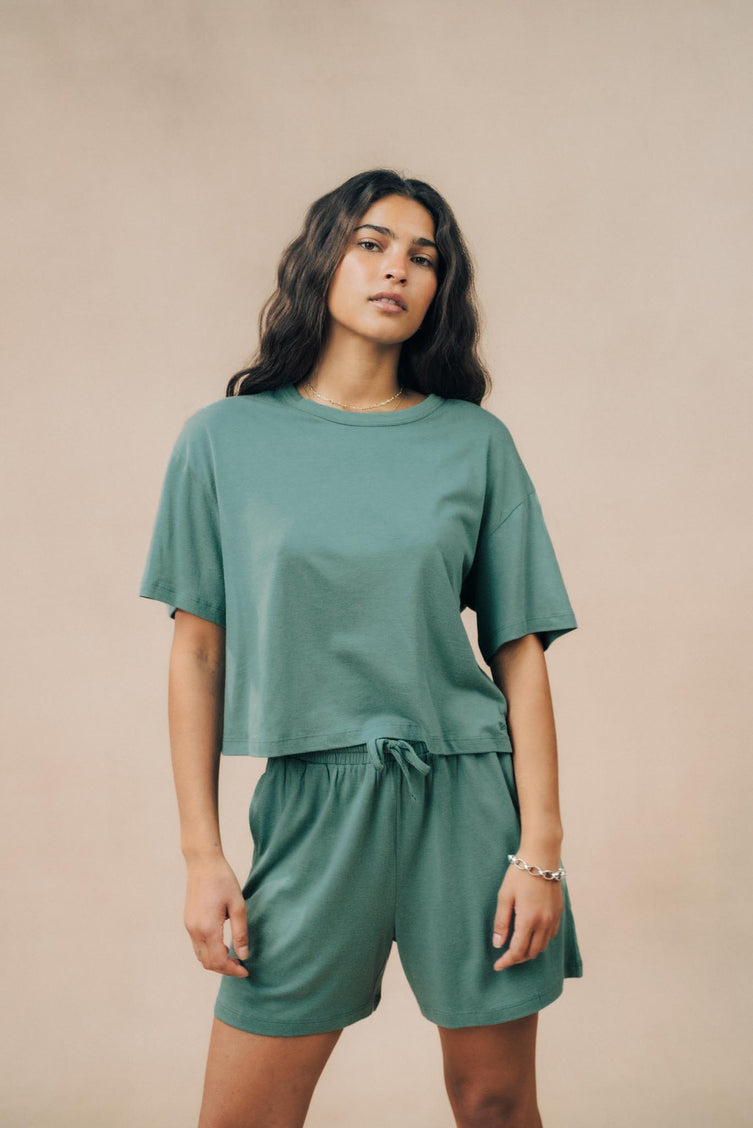
Yes Friends makes the strongest case here that ethical clothing does not need a premium price. Its Original T-shirt costs £12, yet uses 185gsm Fairtrade and organic cotton rather than the thin jersey often found at this price. The fabric is pre-shrunk, although the brand notes 3–4% shrinkage may still occur after the first wash, making cold washing and line drying sensible.
The customer feedback is unusually useful. Across 326 reviews, 92% are five-star, with buyers repeatedly mentioning soft fabric, comfortable fit and value. The caveat is fit: some shoppers found it slightly small, while another noted a wider neck opening than expected, so checking the garment measurements matters.
Founded by Sam in 2021 using the team’s life savings, Yes Friends keeps prices low through direct factory relationships and small margins. Production uses solar-assisted factories, GOTS-certified processes and a wage-premium scheme for garment workers.
Our take: One of the best affordable quality clothing brands for dependable basics, especially if inclusive sizing and transparent production matter.
2. Colorful Standard
Best for: Logo-free organic basics in an extensive colour range
Price: T-shirts from €35
Size range: XS–2XL
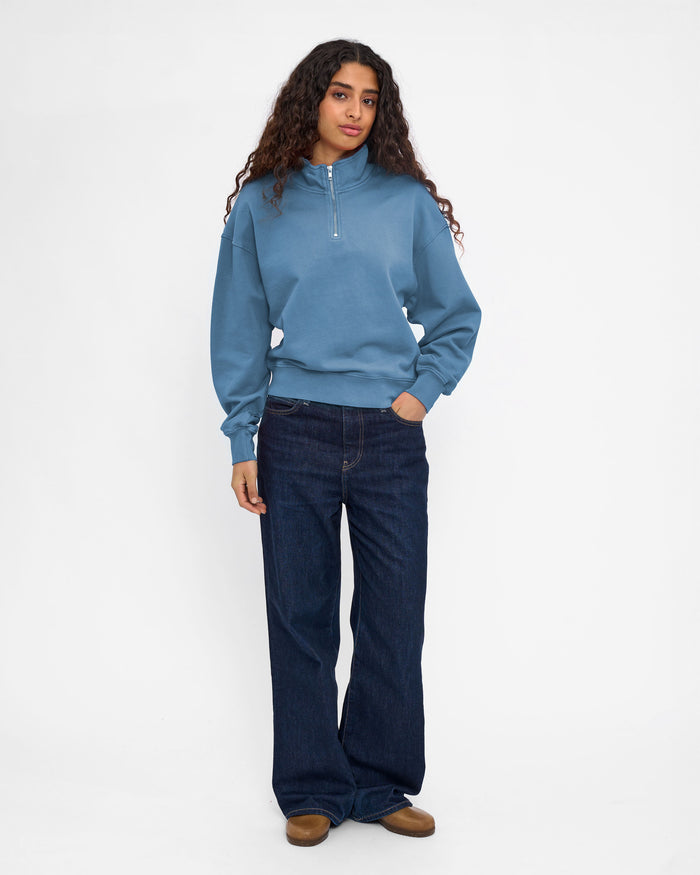
Colorful Standard is built around a straightforward idea: everyday clothing should be available in more than the usual black, white and grey. Its Classic Organic Tee is made in Portugal from 100% organic cotton and finished with garment dyeing, which gives the colour greater depth than a typical pre-dyed basic.
The 180gsm jersey sits firmly in the mid-weight category. It offers more structure than a thin undershirt without feeling as dense as a heavyweight workwear tee. The relaxed crew-neck shape, minimal detailing and absence of visible logos also make it easy to combine with clothing already in your wardrobe.
At €35, it costs more than a mass-market basic, but the Portuguese production, organic cotton and unusually broad colour selection help explain the difference. The main limitation is its relatively narrow XS–2XL size range.
Our take: One of the best quality clothing brands here for shoppers who want simple, colour-rich staples rather than trend-led designs.
3. Honest Basics
Best for: Everyday essentials at genuinely accessible prices
Price: T-shirts from €14.90
Size range: XS–3XL, depending on the style
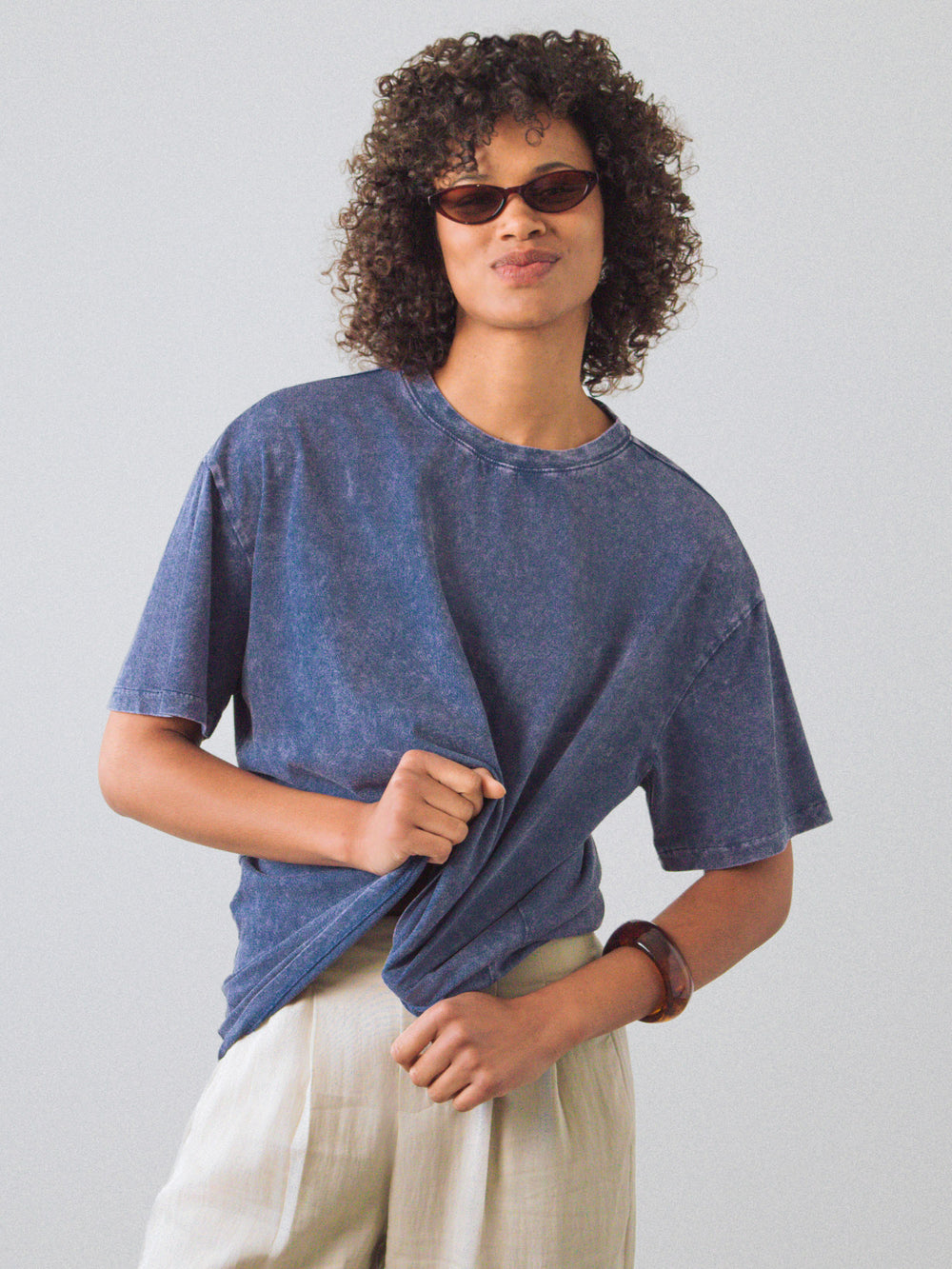
Honest Basics makes a convincing case that responsibly produced clothing does not always need a premium price. Its Basic T-shirts cost €14.90 and use a 180gsm blend of 70% organic cotton and 30% recycled cotton. The fabric is preshrunk, while the uncomplicated cuts and neutral colours are designed for regular, repeat wear.
The brand currently uses OCS certification for organic cotton and GRS certification for recycled fibres. It has phased out GOTS certification because its newer cotton blends include recycled material. Production takes place in China and is assessed through the Higg-FSLM programme, with factory information made available through product QR codes.
Honest Basics keeps prices down through a focused collection rather than elaborate designs or seasonal trends. The trade-off is that many garments use blended cotton instead of 100% organic cotton.
Our take: One of the strongest affordable quality clothing brands for inexpensive everyday T-shirts, tanks and sweatshirts with clearly stated materials.
4. Rapanui
Best for: Organic casualwear that can be returned for recycling
Price: T-shirts from £18
Size range: XS–5XL, depending on the style
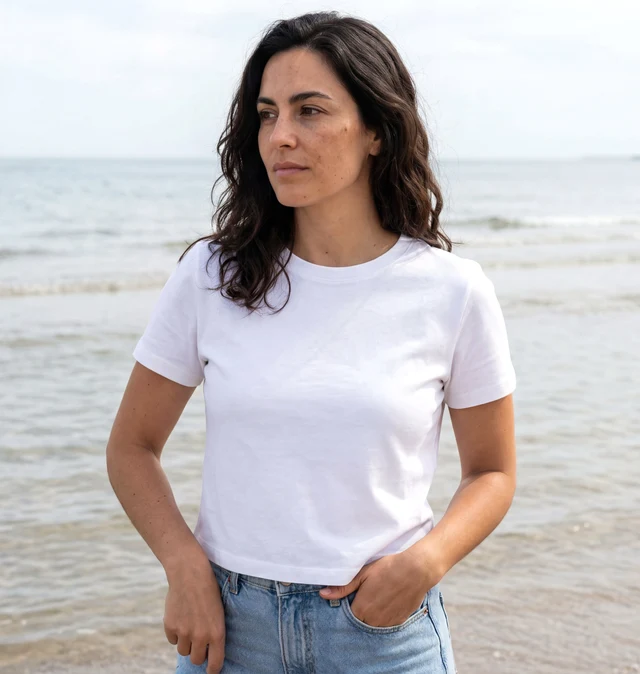
Rapanui considers what happens to clothing after it wears out, not only how it is initially produced. Its Organic Cotton T-shirt uses certified organic cotton and is manufactured in a renewable-energy-powered factory. At 155gsm, the jersey is lightweight and breathable rather than thick, making it better suited to warm weather, layering and everyday use.
The biggest distinction is Rapanui’s Remill take-back programme. Customers can return worn Rapanui garments or eligible 100% cotton clothing from other brands. The recovered cotton is processed, combined with new organic yarn and made into new garments, while customers receive store credit after their return is accepted.
Its £18 starting price and broad colour selection make the range approachable, although shoppers wanting a heavyweight, highly structured T-shirt may find the fabric too light.
Our take: Rapanui is one of the best quality clothing brands for shoppers who value circularity, particularly because its recycling programme offers a practical route for clothing that can no longer be worn.
5. Fair Indigo
Best for: Soft, carefully constructed everyday T-shirts
Price: T-shirts from $36.90
Size range: XS–XXL, depending on the style
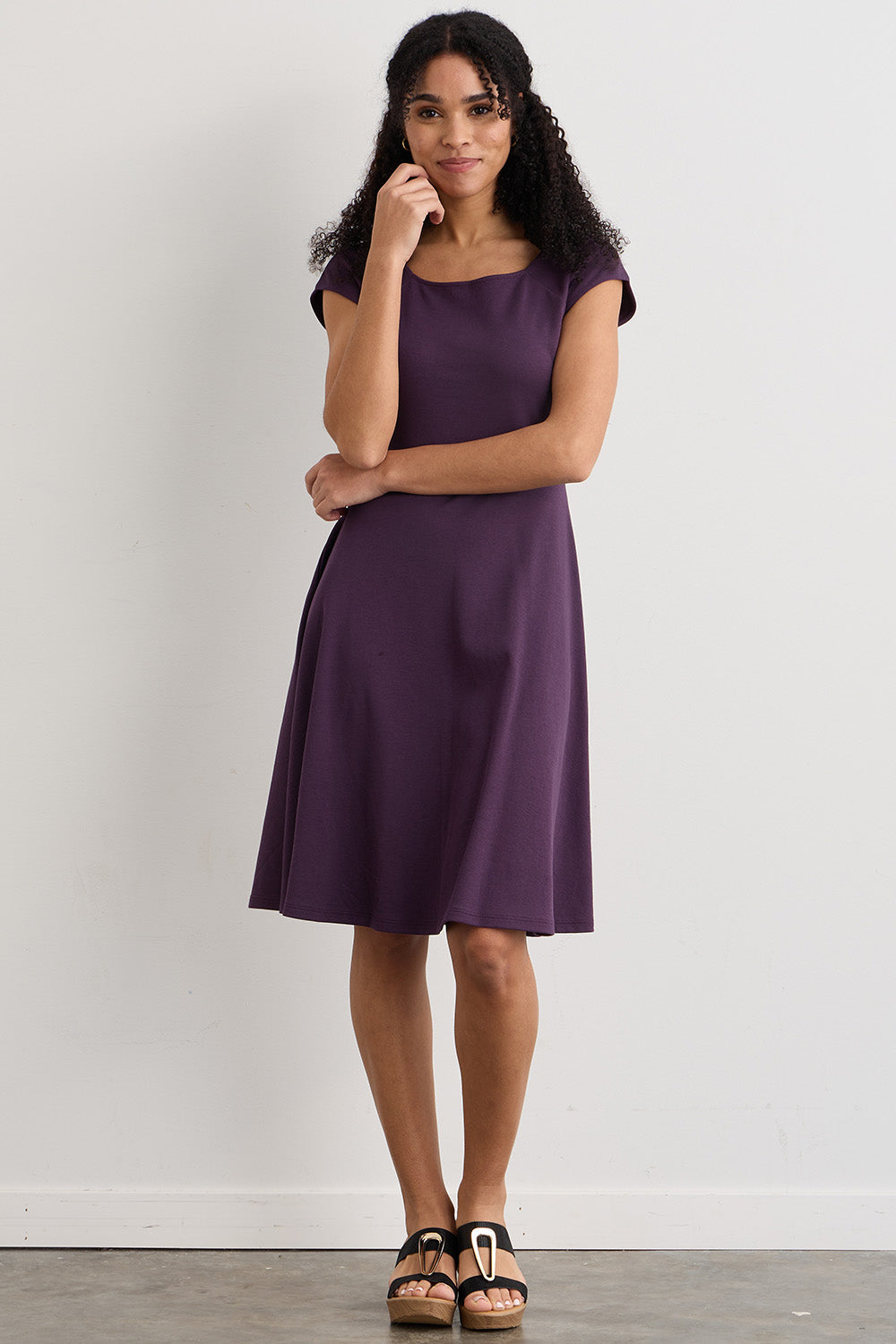
Fair Indigo’s advantage is its fabric rather than an extensive catalogue of fashionable designs. Its relaxed crew-neck T-shirt uses 100% organic Peruvian Pima cotton, whose longer fibres produce a smoother, stronger yarn. The lightweight jersey is intended to feel breathable without becoming tissue-thin, while shoppers wanting more structure can choose the brand’s mid-weight Ultra Pura fabric.
Fair Indigo also separates its collection by fabric type, making it easier to choose between lightweight cotton, mid-weight cotton and stretch jersey. Its cotton, yarns, fabrics and dyes are GOTS certified, and the garments are made in Lima, Peru. The company states that its Peruvian production partners receive fair and living wages.
Pricing is reasonable for Pima cotton, particularly with a 10% discount when buying two or more tees. However, size availability varies considerably between designs, with some men’s styles stopping at XL.
Our take: A quality clothing brand worth considering when fabric softness and transparent production matter more than having the lowest possible price.
6. No Nasties
Best for: Traceable organic basics for shoppers in India
Price: T-shirts from ₹1,199
Size range: XS–XXL across the collection
When we compared No Nasties with the other affordable quality clothing brands in this guide, its price-to-transparency ratio stood out. The brand does not simply label its clothing “made in India”; individual product pages provide the manufacturer’s address, country of origin and even the manufacturing date.
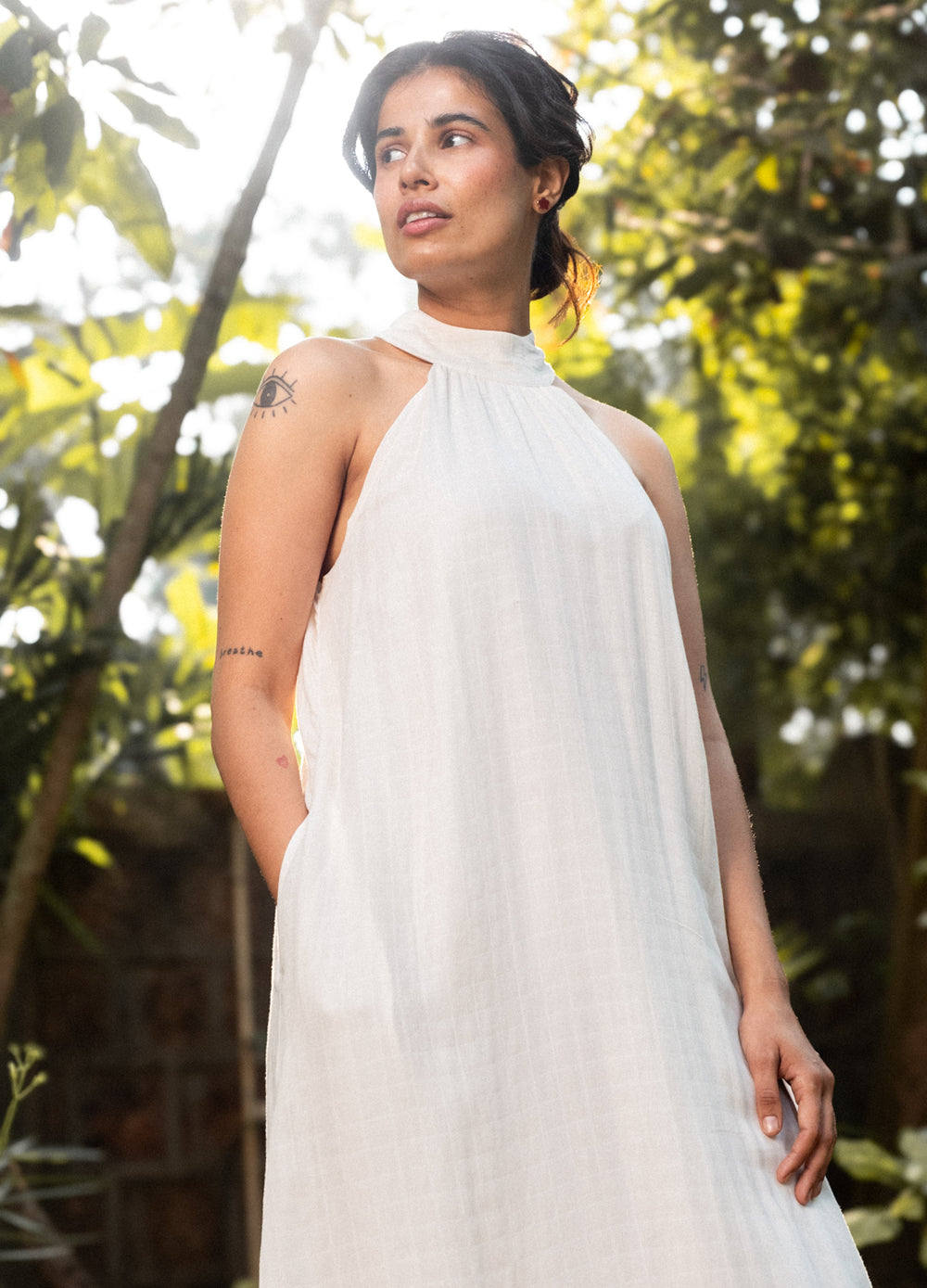
The Navy Classic Jersey Tee, for example, costs ₹1,199 and is made in Tiruppur from 100% organic cotton. It has a regular fit and contains no polyester or elastane, making it a straightforward choice for shoppers who prefer an all-cotton T-shirt. The garment is produced in a Fairtrade-certified factory, while the brand states that its cotton is GOTS certified.
The available S–XL sizing for this particular tee is fairly limited, although selected No Nasties styles extend from XS to XXL.
Our take: For India-based shoppers, No Nasties offers one of the strongest combinations of accessible pricing, organic materials and clearly disclosed local production.
7. GETTEES

Best for: Substantial T-shirts with a structured, premium feel
Price: T-shirts from $28
Size range: XS–XXL, depending on the style
When we compared the fabric specifications across this list, GETTEES immediately stood apart. Its Classic Crew uses 220gsm Supima cotton, considerably heavier than Rapanui’s 155gsm tee and the 180gsm options from Colorful Standard and Honest Basics. This gives it a more structured appearance and makes it less likely to feel thin or transparent.
The cotton is grown, knitted and dyed in California before the garment is cut and sewn at the company’s own factory in Sterling Heights, Michigan. Details such as a reinforced collar, straight hem and single-needle stitching also show greater attention to construction than we normally see at its $28 price.
That heavyweight fabric may feel too warm for hot climates, and the men’s range currently stops at XXL. Women’s tees run from XS to XXL.
Our take: GETTEES offers one of the clearest quality-to-price propositions in this guide. Choose it when substantial fabric and American manufacturing matter more than lightweight softness.
8. Royal Apparel
Best for: Choosing between lightweight, heavyweight and blended fabrics
Price: Organic T-shirts from $17.99
Size range: XS–3XL across the collection
What stood out during our comparison was the breadth of Royal Apparel’s basics. GETTEES concentrates on one signature heavyweight fabric, whereas Royal Apparel offers lightweight jersey, heavyweight cotton, organic cotton, hemp blends, recycled blends and fleece across clothing for adults and children.
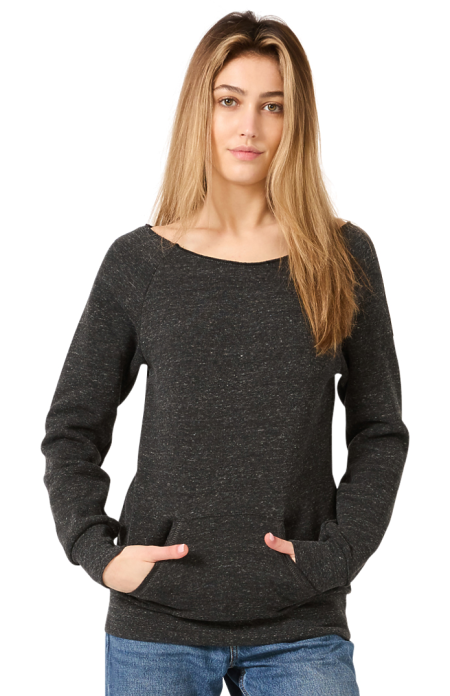
Its Short Sleeve Organic Tee has a regular price of $17.99 and uses 4.4-ounce combed ring-spun cotton. The lightweight jersey and classic unisex fit make it suitable for warm weather or layering. Shoppers wanting more structure can instead choose the brand’s six-ounce organic premium tee. Both are made in the United States.
The large catalogue requires closer attention than a tightly curated collection. Fabric composition, weight and sizing differ between products, and not everything within the wider eco range is made entirely from organic cotton.
Our take: Royal Apparel is among the most accessible quality clothing brands that are affordable and USA-made, particularly for shoppers who want control over fabric weight and composition.
9. KNOWN SUPPLY
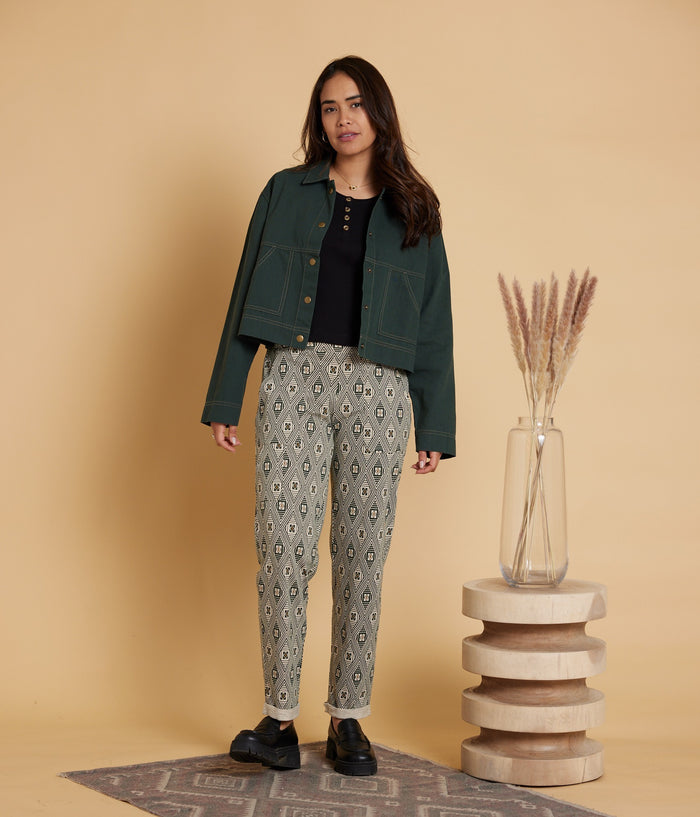
Best for: Traceable everyday clothing with inclusive unisex sizing
Price: T-shirts from $32
Size range: XS–4XL
KNOWN SUPPLY approached traceability differently from every other brand we evaluated. Each garment is hand-signed, allowing its owner to visit the brand’s maker platform and learn about the person who helped produce it. This does not reveal every stage of the supply chain, but it gives garment workers visibility that is usually absent from clothing labels.
Its Unisex T-shirt costs $32 and is made from 100% organic cotton. It is a GOTS-certified product, Fair Trade Certified and pre-washed to reduce shrinkage. The XS–4XL range is also among the most inclusive we found, with garment measurements provided for every size.
The main omission is fabric weight. KNOWN SUPPLY does not provide a GSM or ounce measurement for this tee, making its thickness difficult to compare with the precisely specified options from GETTEES and Rapanui.
Our take: KNOWN SUPPLY is an affordable quality clothing brand for shoppers who prioritise Fair Trade certification, extended sizing and a clearer connection to garment makers.
10. Lucy & Yak

Best for: Expressive workwear-inspired clothing with flexible fit options
Price: Dungarees from £59
Size range: UK 4–32, depending on the style
After reviewing several brands centred on plain T-shirts, Lucy & Yak stood out for applying practical construction to more expressive clothing. Its Original Cotton Dungarees are made from GOTS-certified organic cotton and include adjustable tie straps, a loose hip, straight legs and functional chest and hip pockets.
The £59 black version offers an accessible entry point, while printed and corduroy editions generally cost more. More importantly, the Original collection extends from UK 4 to UK 32 in selected colours, with Regular, Petite, Tall and Long versions available. That choice of body and leg lengths is more useful than offering a broad numerical range with only one proportion.
The main challenge is availability: not every colour, size and length combination remains in stock simultaneously. Shoppers may also find the bright prints harder to wear repeatedly than the brand’s plain cotton or denim options.
Our take: Lucy & Yak is one of the best affordable quality clothing brands for comfortable statement pieces, especially dungarees designed around different heights and body shapes.
11. Community Clothing
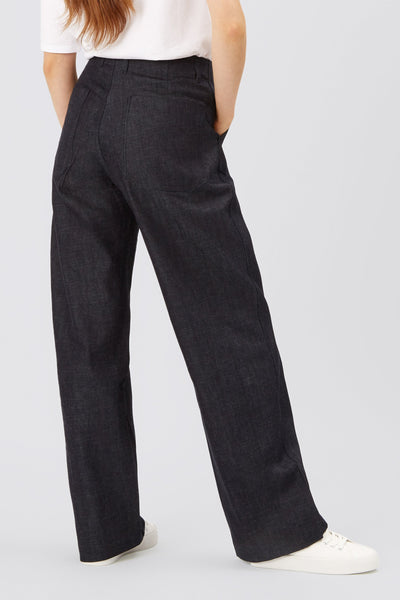
Best for: Traceable everyday clothing manufactured across the UK
Price: T-shirts from £35
Size range: Men’s XS–4XL; women’s UK 6–18 for core T-shirts
When we compared manufacturing information, Community Clothing provided one of the clearest breakdowns in this guide. Its men’s short-sleeve T-shirt is made from 200gsm organic cotton jersey knitted in Leicestershire, then cut and sewn in Lancashire. Even the sewing thread is specified as cotton.
The 200gsm fabric places it between a lightweight everyday tee and GETTEES’ 220gsm heavyweight option. It should provide more structure than Rapanui’s 155gsm shirt without becoming excessively heavy. The regular crew-neck cut also avoids trend-led details that could date quickly.
Community Clothing works with 28 British partner factories, using their quieter production periods to create more consistent manufacturing work. That model helps explain why a UK-made organic T-shirt can be offered for £35, although it remains more expensive than several internationally manufactured options in this guide.
Our take: Community Clothing is a strong affordable quality clothing brand for buyers who value British manufacturing, traceable production and substantial everyday fabrics over bargain-level pricing.
How Can You Tell If Clothing Is Good Quality?
Good-quality clothing combines suitable fabric, careful construction and a shape that survives regular wear. A heavier garment is not automatically better—the material should have the right weight and structure for its intended purpose.
Before buying, examine the following:
Fabric information: Look for the fibre composition, fabric weight and whether the material is knitted or woven. Detailed specifications make meaningful comparisons easier.
Stitching: Seams should appear straight and even, without loose threads, puckering or skipped stitches.
Reinforcement: Collars, pockets, waistbands and other high-stress areas benefit from additional stitching or binding.
Fit and shape: Check whether hems sit evenly, patterns align and the garment hangs properly on different models.
Closures: Buttons should be firmly attached, while zips should lie flat and move smoothly.
Fabric recovery: Stretch materials should return to their original shape instead of remaining loose.
Care requirements: Excessively delicate instructions can make an everyday garment impractical.
The best quality clothing brands also explain where their products are made and provide measurements beyond a basic size label.
Which Fabrics Usually Last the Longest?
Fabric longevity depends on fibre quality, yarn strength, weave density, garment construction and care. A well-made lightweight shirt can outlast a poorly knitted heavyweight one.
Some reliably durable options include:
Cotton denim, canvas and twill: Their dense woven structures tolerate frequent wear, making them useful for jeans, trousers and jackets.
Long-staple cotton: Pima and Supima cotton use longer fibres that produce smoother, stronger yarn with less surface fuzz.
Linen: Strong and breathable, linen generally softens with use rather than losing its character.
Hemp: Naturally strong and often blended with cotton to improve softness and everyday comfort.
Wool: High-quality wool can retain its shape for years when aired, stored and washed correctly.
Nylon: Particularly durable against abrasion, making it practical for outerwear and performance clothing.
Polyester blends: These can improve strength and shape retention, although lower-quality versions may pill.
Rather than choosing by fibre alone, consider whether the fabric weight and construction suit how often and where you will wear the garment.
Is Affordable Clothing the Same as Fast Fashion?
Affordable clothing and fast fashion describe two different things. Affordability refers to the price paid by the customer, while fast fashion is a business model built around rapid trend cycles, frequent product launches, high production volumes and encouraging repeated purchases.
A quality clothing brand can keep prices accessible by:
Selling directly to customers
Producing a smaller range of repeatable styles
Spending less on advertising and elaborate packaging
Offering multipacks or volume-based savings
Using available factory capacity more efficiently
Applying lower markups than premium fashion labels
Community Clothing, for example, works with British factories during quieter production periods, while Royal Apparel offers straightforward USA-made basics without luxury positioning.
Price alone cannot confirm how responsibly or carefully clothing was made. Instead, examine the fabric specifications, manufacturing location, certifications, garment construction and supply-chain information. Extremely low prices combined with constant new releases and limited production details deserve closer scrutiny, but an affordable price is not automatically evidence of fast fashion.
Are Independent Clothing Brands Better Quality?
Independent clothing brands can offer excellent quality, particularly when they concentrate on a smaller range of products. Their potential advantages include:
Greater product focus: A limited catalogue allows more attention to fabric, fit and construction.
Closer factory relationships: Some brands work directly with one factory or operate their own production facility.
Better transparency: Smaller companies may disclose fabric weight, manufacturing location and supplier details more clearly.
Slower design cycles: Repeatable styles can be refined over time instead of being replaced every season.
More direct feedback: Customer concerns can reach founders and product teams without passing through multiple corporate layers.
Specialised products: Independent brands often serve specific needs, such as extended sizing, heavyweight basics or organic clothing.
Independent ownership does not guarantee better construction. Smaller brands can still have inconsistent sizing, weak quality control or limited return options. Judge each garment by its materials, stitching, measurements, manufacturing information and suitability for its intended use, not ownership alone.
Frequently Asked Questions
What Are the Best Quality Clothing Brands That Are Affordable?
The answer depends on location and product type. GETTEES is strong for heavyweight American-made T-shirts, Community Clothing for British-made staples, and Honest Basics for lower-priced organic and recycled-cotton essentials.
Is 100% Cotton Clothing Always Good Quality?
Cotton content alone does not determine quality. Fibre length, yarn strength, fabric density, stitching and finishing all matter. A poorly constructed cotton garment can wear out faster than a well-made blended one.
Does a Higher GSM Mean Better Clothing?
A higher GSM means the fabric is heavier, not automatically better. Heavy fabrics can provide structure and coverage, while lighter materials may be more suitable for warm weather, exercise or comfortable layering.
How Can I Check Clothing Quality When Shopping Online?
Look for fabric composition, weight, garment measurements, manufacturing location, close-up photographs and care instructions. A detailed returns policy is also important when you cannot inspect the garment before purchasing.
Are Expensive Clothing Brands Always Better Quality?
Price can reflect better materials and construction, but it may also cover marketing, retail overheads or brand positioning. Evaluate the garment’s specifications instead of treating a high price as proof of quality.
Which Clothing Certifications Should I Look For?
GOTS covers organic textile processing, while Fairtrade addresses specific social and trading standards. OCS verifies organic content, and GRS applies to recycled materials. Always check what part of the product each certification covers.
How Can I Make Affordable Clothing Last Longer?
Wash only when necessary, follow the care label, use lower temperatures when appropriate and avoid excessive tumble-drying. Repairing small holes, loose buttons and damaged seams early can also prevent larger failures.