10 Best Sustainable Activewear Brands Worth Trying in 2026
Discover 10 sustainable activewear brands offering workout clothes made with recycled, organic, and plant-based materials for different activities and budgets.
Finding activewear that performs well and is genuinely sustainable can be difficult. Many brands promote recycled fabrics, but sustainability also depends on how clothing is made, how long it lasts, and what happens when it can no longer be worn.
The brands in this guide take a more considered approach. Some use organic cotton, TENCEL, merino wool or other plant-based materials, while others focus on plastic-free designs, ethical production and reducing waste. We reviewed these factors alongside comfort, durability and workout performance to select 10 sustainable activewear brands worth trying in 2026.
What Makes Activewear Sustainable?
Sustainable activewear goes beyond using recycled fabric. It considers the materials, manufacturing process, durability, and what happens to the garment after use. The best sustainable activewear may use organic cotton, TENCEL, responsibly sourced merino wool or recycled fibres, supported by ethical factories and transparent supply chains.
Certifications such as GOTS, OEKO-TEX and Fair Trade can help verify these claims. However, durability matters just as much. Sustainable workout clothes that retain their shape and performance through frequent washing are a better choice than “eco-friendly” products that need to be replaced quickly.
How We Selected These Brands
We reviewed each brand’s material composition, manufacturing information, certifications and environmental initiatives. We looked for specific evidence, such as organic or plant-based fibres, reduced use of virgin plastics, responsible factories and programmes that extend a garment’s life, rather than relying only on terms like “conscious” or “eco-friendly.”
Performance and practicality also influenced the selection. We considered the activities each collection is designed for, available sizes, product range, care requirements and recurring customer feedback. Brands did not need to excel in every area, but each one had to demonstrate credible sustainability efforts while producing activewear suitable for regular use.
10 Best Sustainable Activewear Brands in 2026
1. Reprise Activewear
Best for: Plant-based, non-toxic activewear
Based in: New York, United States
Price range: Approximately $75–$150
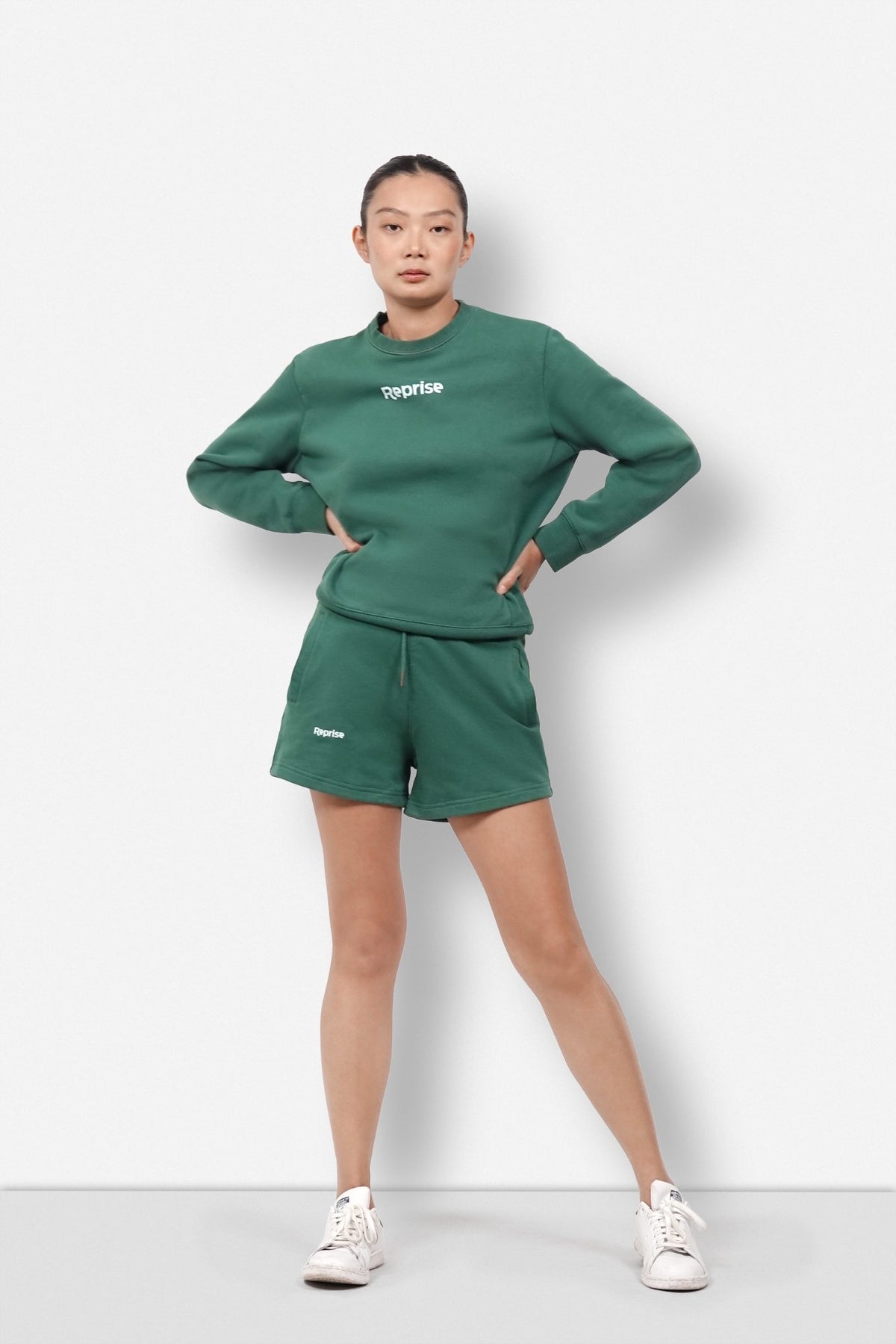
Reprise Activewear is a women-owned brand specialising in sustainable workout clothes made with fewer synthetic fibres. Its signature leggings, sports bras and tops primarily use TENCEL™ Lyocell, a soft wood-based fibre produced through a closed-loop process, blended with a small amount of spandex for stretch. The fabric is also OEKO-TEX Standard 100 certified, meaning it has been tested for potentially harmful substances.
Its activewear feels breathable and gentle against the skin, making it particularly suitable for yoga, Pilates, walking and everyday movement. Reprise’s avoidance of polyester and nylon across its core collection also makes it stand out from sustainable activewear brands that rely heavily on recycled plastic.
We noted that these pieces provide softer support and less compression than conventional technical activewear, so they may not be the best choice for running or high-intensity workouts. They are not entirely plastic-free either, as spandex is still required for elasticity. The premium pricing is therefore most worthwhile for shoppers who prioritise plant-based materials and comfort over firm compression.
2. Tripulse
Best for: Natural-fibre activewear for varied workouts
Based in: Sweden
Price range: Approximately €80–€160
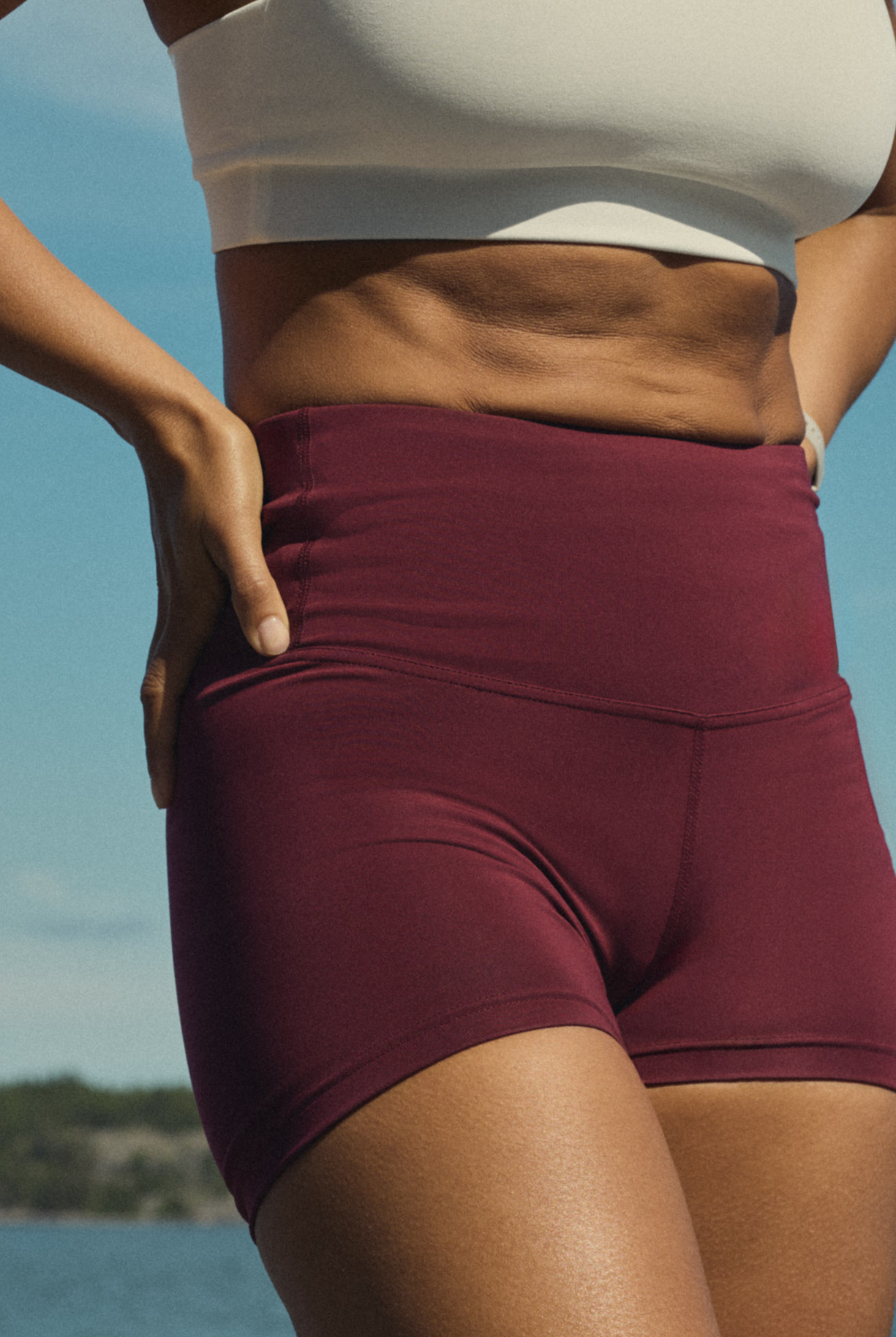
Tripulse is a Swedish activewear brand offering leggings, sports bras, shorts and tops made primarily with TENCEL™ Lyocell. Its plant-based fabric is breathable, moisture-managing and resistant to odour, while a small amount of ROICA™ elastane provides stretch in fitted pieces. The materials carry certifications including OEKO-TEX, FSC and EU Ecolabel, and the clothing is produced in Europe, primarily Portugal.
Compared with softer natural-fibre collections designed mainly for low-impact movement, Tripulse offers pieces suitable for running, strength training and warmer workouts alongside yoga and Pilates. Its leggings provide light compression and a close, flexible fit without relying on polyester or nylon.
We noted that Tripulse sits at the premium end of sustainable activewear, and shoppers outside Europe may also face shipping or import costs. Fit can require some care too: certain sports bras offer firmer compression than their soft fabric might suggest. Although the collection substantially reduces plastic-based fibres, fitted pieces still require elastane for stretch, so they are not completely synthetic-free.
3. Boldwill
Best for: Natural-fibre activewear for men and women
Based in: The Netherlands
Price range: Approximately €48–€102
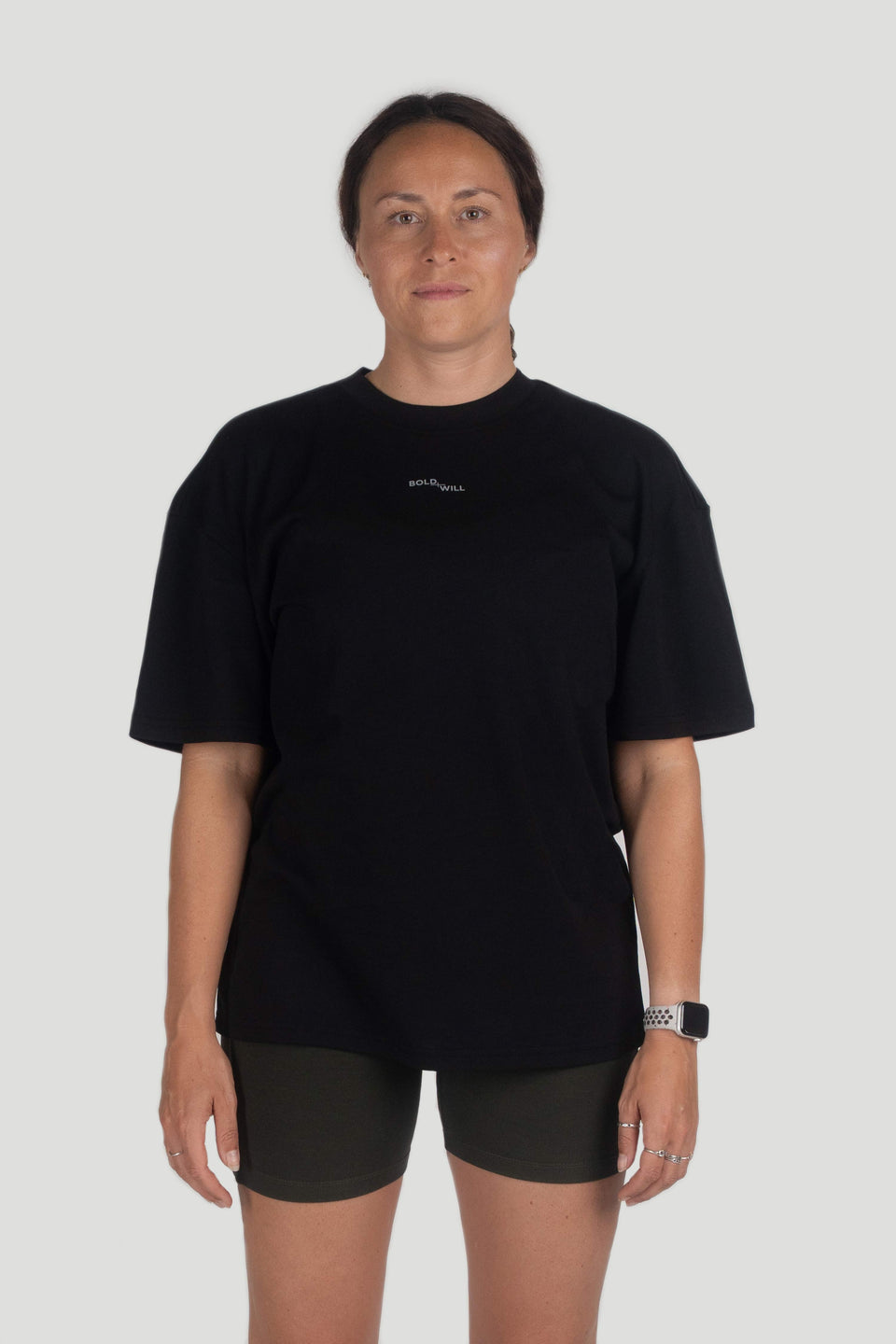
Boldwill, formerly known as Iron Roots, creates sustainable workout clothes using natural and plant-based materials such as TENCEL™ Lyocell, GOTS-certified organic cotton and hemp. Its activewear is designed in the Netherlands and manufactured in Europe, with options for strength training, running, yoga and everyday exercise.
The brand’s T-shirts and tops are soft, breathable and naturally resistant to odour. Its high-waisted leggings combine TENCEL Lyocell with partially bio-based CREORA™ stretch fibre, offering greater flexibility and coverage than fully natural fabrics can typically provide. This makes Boldwill a practical choice for shoppers wanting to reduce their reliance on conventional polyester sportswear without sacrificing workout performance.
We noted that Boldwill has not eliminated synthetics entirely. Stretch garments still require elastane, while certain components, including sewing threads and sports-bra padding, contain polyester. The collection is also relatively compact, with fewer colours and technical styles than mainstream activewear brands. However, its transparent material breakdown makes these limitations easier to assess before buying.
4. Asquith London
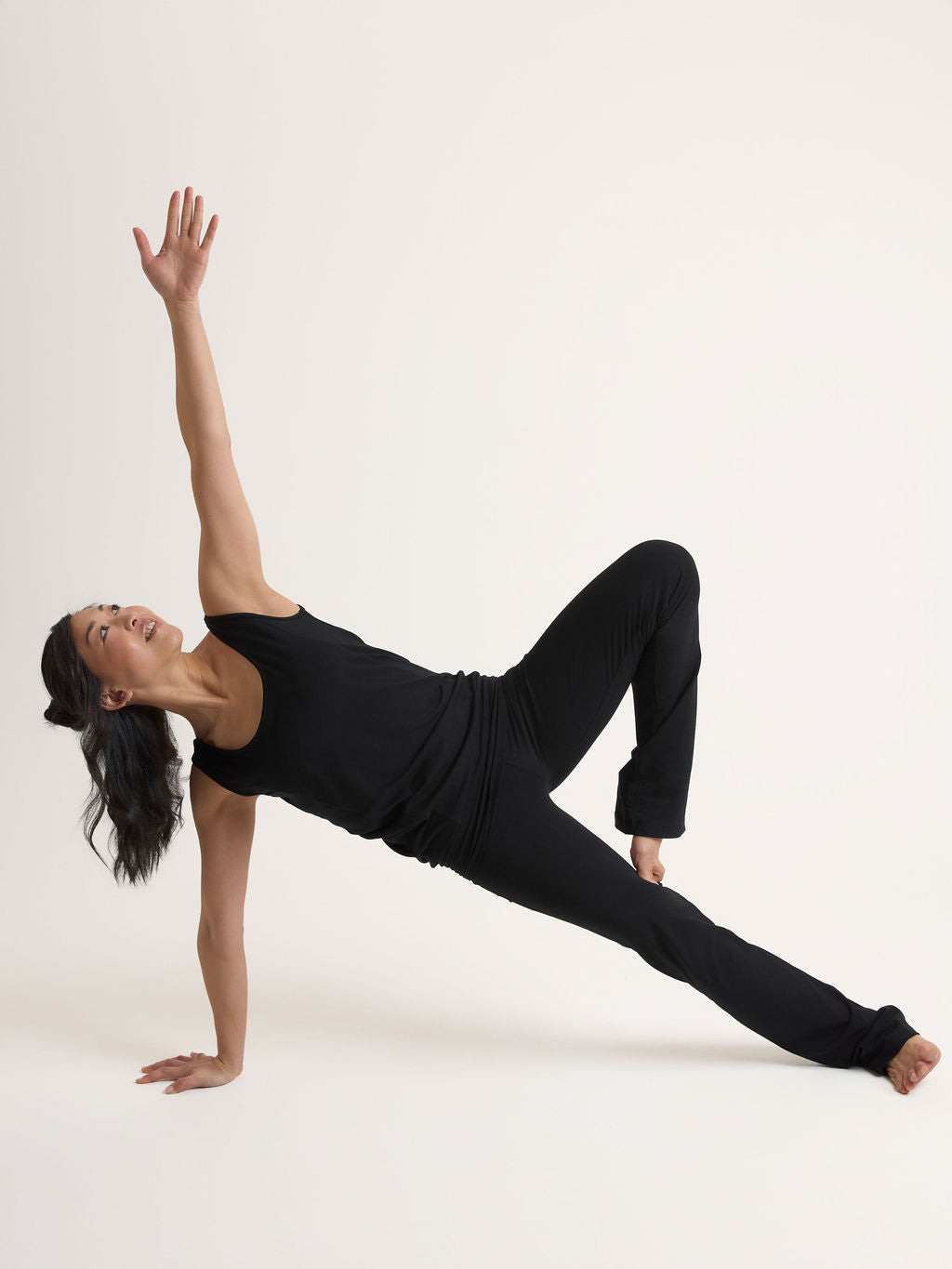
Best for: Soft activewear for yoga and Pilates
Based in: London, United Kingdom
Price range: Approximately £30–£85
Asquith London has been making women’s sustainable activewear and loungewear since 2002. Its collection uses GOTS-certified organic cotton, bamboo viscose and Bambor®, the brand’s blend of bamboo, organic cotton and a small amount of elastane. The fabrics are soft, breathable and flexible, making these sustainable workout clothes particularly comfortable for yoga, Pilates, stretching and everyday wear.
The collection includes loose-fitting tops, leggings, yoga pants and comfortable layers that can be worn during exercise or throughout the day. Asquith works with GOTS-certified factories in Turkey and India that have also undergone Sedex ethical trade audits covering working conditions, environmental practices and business conduct.
We noted that Asquith’s soft fabric blends provide less compression and sweat-wicking performance than technical synthetic activewear, so they may not suit running or high-intensity workouts. Bamboo also requires considerable processing before it becomes wearable fabric, while fitted pieces still contain elastane. Among sustainable activewear brands, Asquith is best suited to shoppers who value comfort and natural fibres over firm support.
5. Wolven Threads
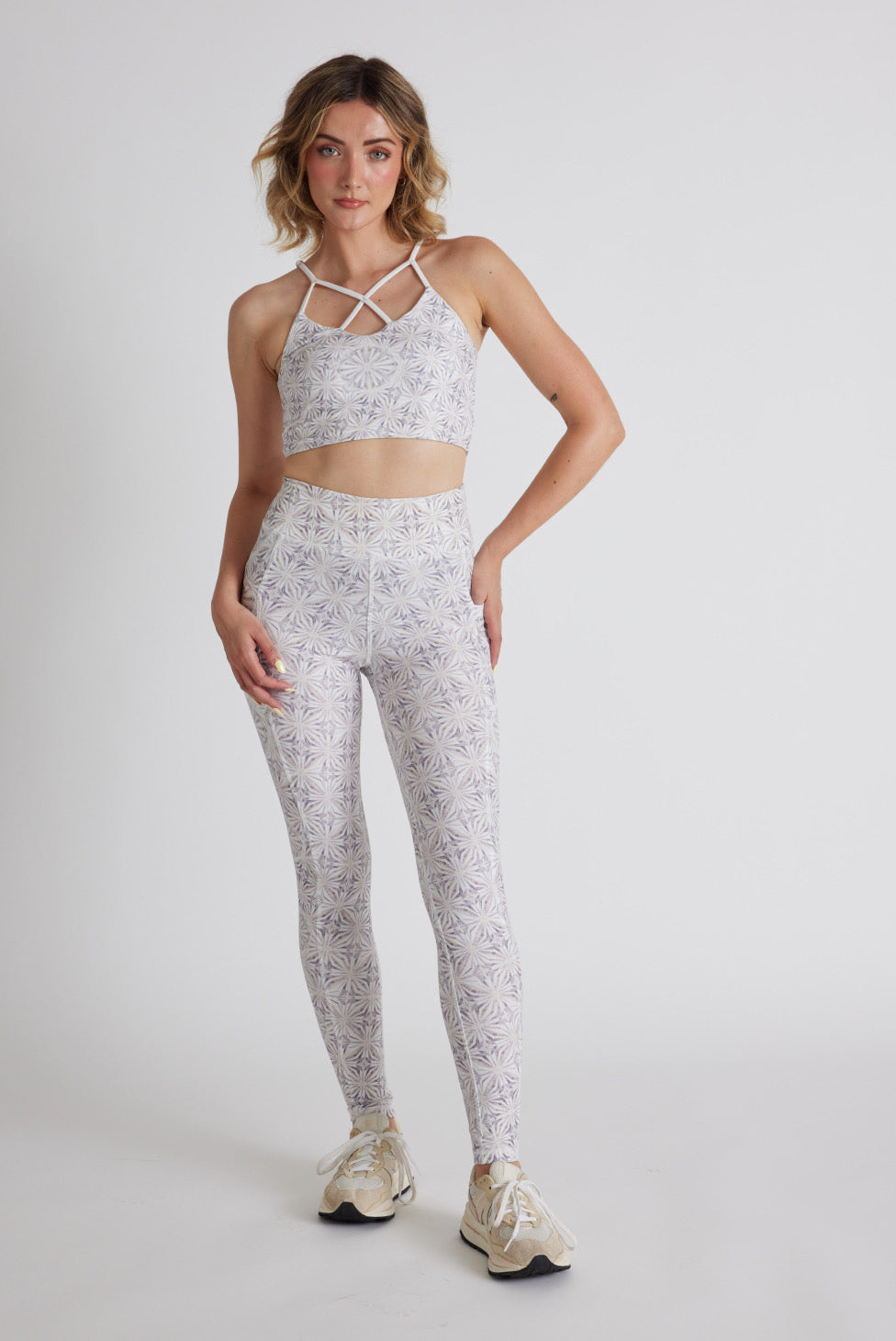
Best for: Colourful activewear made from recycled plastic
Based in: Los Angeles, United States
Price range: Approximately $50–$100
Wolven Threads creates sustainable activewear known for bold prints, bright colours and reversible designs. Its signature leggings and tops use OEKO-TEX-certified recycled PET fabric made from post-consumer plastic bottles. The material is soft, breathable and quick-drying, with four-way stretch that works well for yoga, gym sessions, hiking and everyday exercise. Many leggings are made from 84% recycled polyester and 16% spandex, with around 27 discarded bottles used per pair.
The clothing is produced in China, close to where the recycled fabric is made, which the brand says helps reduce unnecessary material transportation. Its range includes leggings, flares, shorts, sports bras and tops, with many pieces designed to be mixed or worn in more than one way.
We noted that recycled polyester still releases microplastics during washing and cannot solve plastic pollution on its own. The high spandex content can also make the garments harder to recycle once worn out. Wolven is therefore a good choice for shoppers who want colourful sustainable workout clothes, but less suitable for those trying to avoid synthetic fibres entirely.
6. TALA

TALA is a women’s sustainable activewear brand founded by Grace Beverley in 2019. Its range includes leggings, sports bras, shorts, flares and workout tops designed for activities such as strength training, running, yoga and Pilates. Collections including SkinLuxe, DayFlex and Sculpt Seamless offer different levels of support, from soft everyday leggings to more compressive gym wear.
Every TALA product contains at least 50% recycled or plant-based fibres. Common materials include recycled polyamide and recycled polyester, alongside elastane for stretch. The brand also publishes information about its fabrics and manufacturing partners, while unwanted TALA clothing can be returned through its ReTALA programme for resale, repurposing or recycling.
We noted that the sustainability credentials vary between products, so shoppers should check individual fabric compositions instead of assuming the entire collection has the same recycled content. Most pieces remain predominantly synthetic and may release microplastics when washed. There are also recurring comments about sizing differences between collections, making the product-specific size guide particularly important.
7. Organic Basics
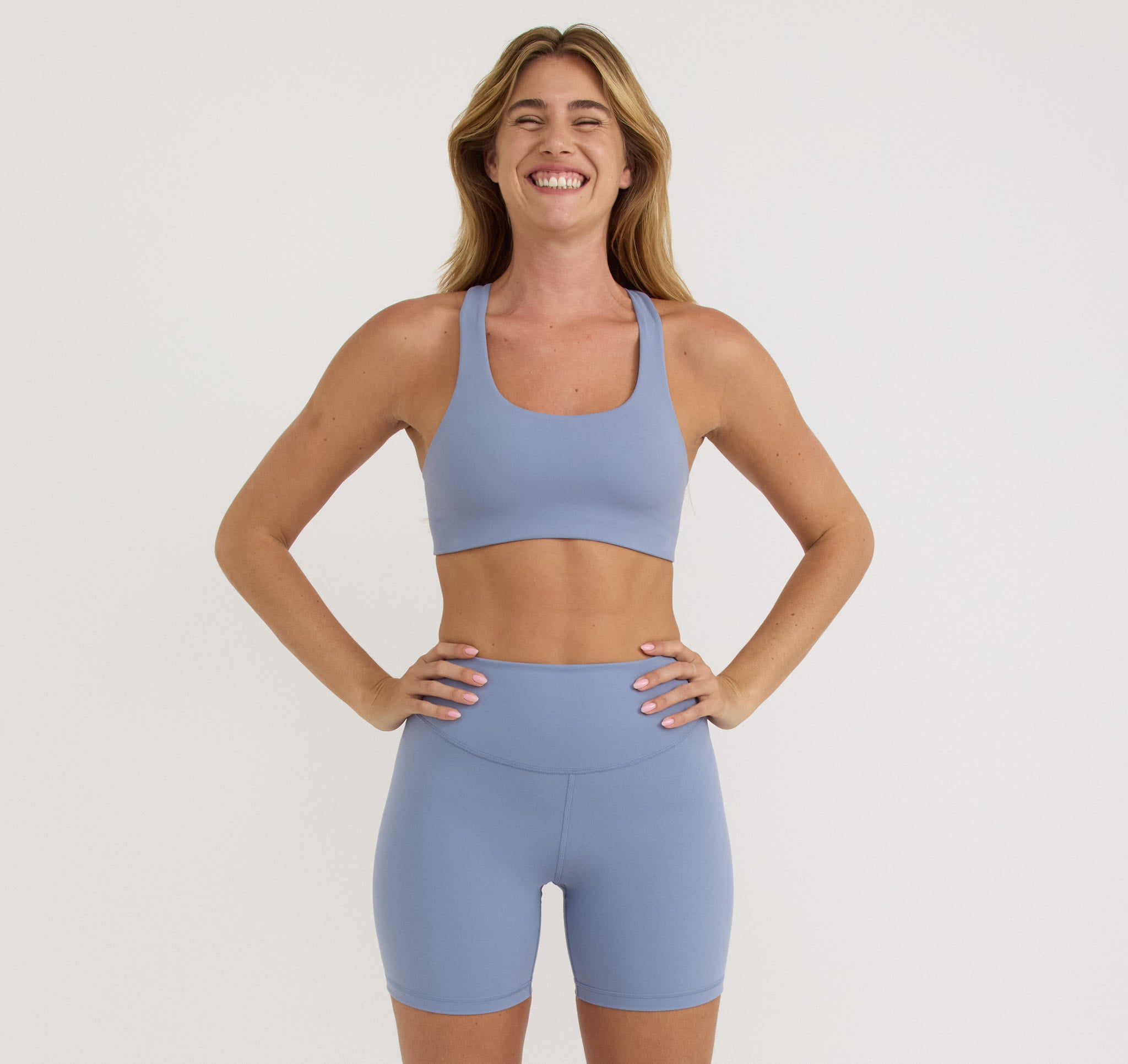
Best for: Simple activewear for workouts and daily wear
Based in: Copenhagen, Denmark
Price range: Approximately €30–€100
Organic Basics makes underwear, everyday clothing and sustainable activewear for women and men. Its workout range includes leggings, sports bras, shorts, tops and trackwear, with most fitted pieces made using recycled nylon and elastane. The fabric offers four-way stretch and close support for yoga, gym training, walking and other everyday workouts. Some of its wider clothing collection also uses organic cotton and TENCEL™ Lyocell.
The brand works with certified factories across countries including Portugal, Turkey, India and Vietnam. It also publishes annual impact reports and information about individual manufacturing partners, making it easier to see where and how its clothing is produced.
We noted that the name “Organic Basics” can give the impression that every product uses organic material, but this is not the case. Much of its activewear is made primarily from recycled nylon, which still releases plastic microfibres during washing and is difficult to recycle when blended with elastane. Shoppers looking for the best sustainable activewear should therefore check each product’s material composition rather than relying on the brand name alone.
8. Nimble Activewear
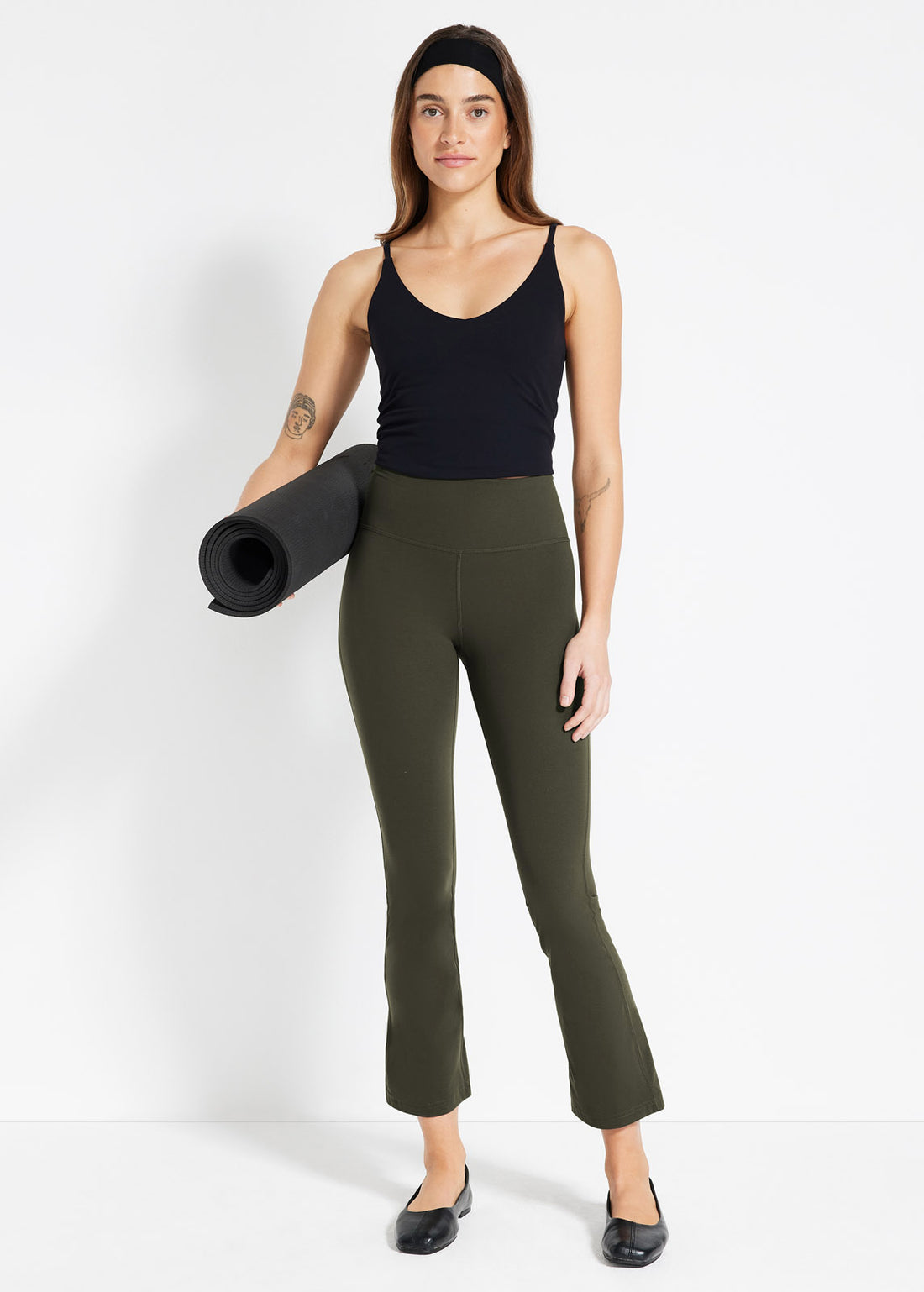
Best for: Recycled activewear for running and high-intensity training
Based in: Australia
Price range: Approximately AUD $69–$169
Nimble Activewear makes women’s sustainable activewear for running, strength training, gym workouts, yoga and Pilates. Many of its leggings and sports bras use recycled polyester made from post-consumer plastic bottles. Its In Tempo collection uses bluesign® APPROVED fabric and provides sweat-wicking performance, four-way stretch and supportive compression for high-intensity exercise.
The range includes leggings, shorts, sports bras, tops and everyday clothing. Nimble tests its fabrics for colourfastness, pilling, snagging and shape retention, which is important for sustainable workout clothes intended for frequent use. Several products are made in Taiwan using OEKO-TEX-certified or bluesign-approved materials.
We noted that not every product uses recycled fabric, so the material composition needs to be checked individually. Its performance leggings can also contain a high percentage of elastane; for example, the In Tempo Run leggings contain 31%, which makes blended fabrics difficult to recycle. Like other recycled synthetic activewear, these pieces may also release microplastics during washing.
9. Community Clothing
Best for: Plastic-free activewear made in the UK
Based in: Blackburn, United Kingdom
Price range: Approximately £20–£75
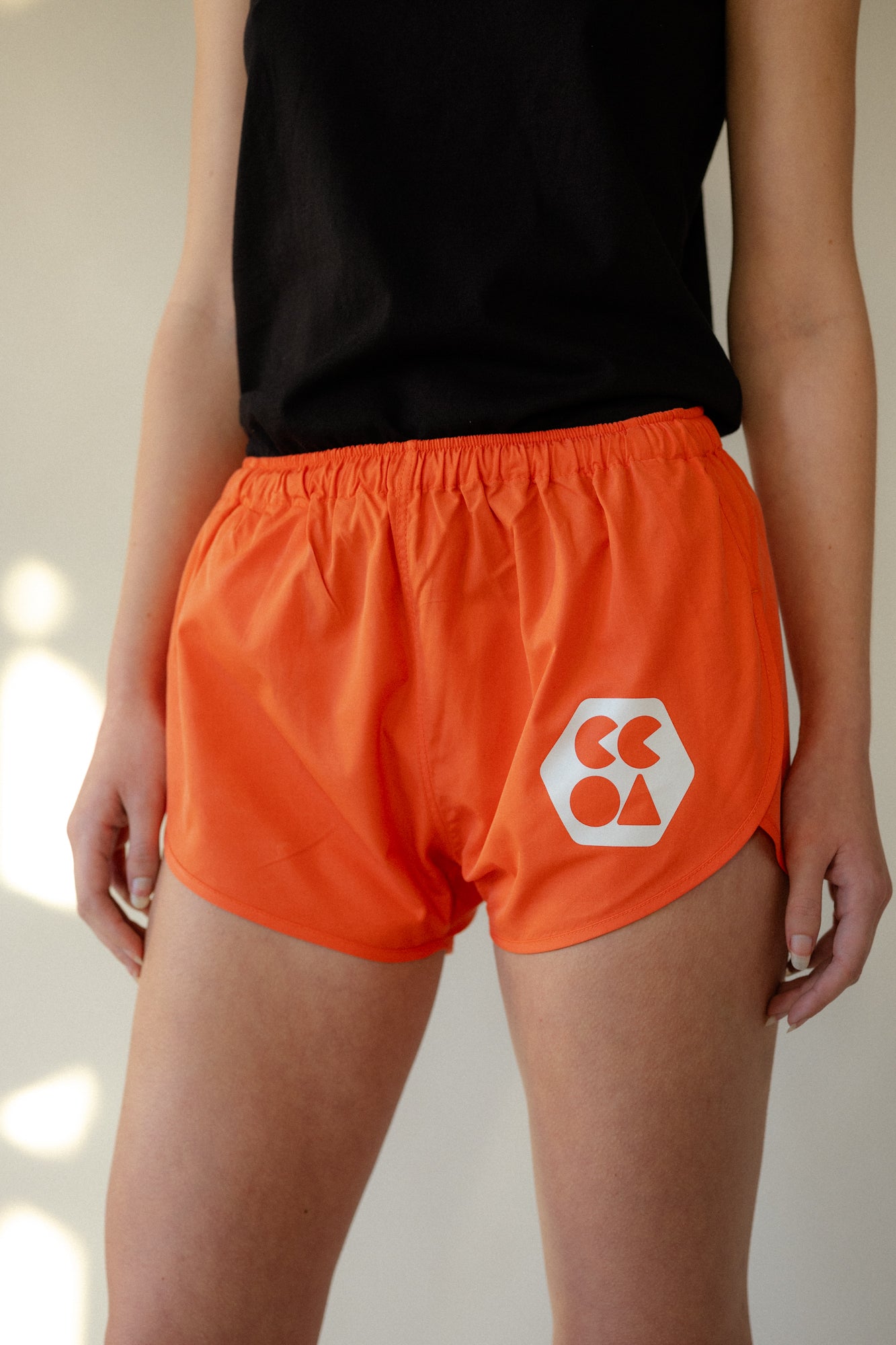
Community Clothing’s Organic Athletic range offers sustainable activewear made without polyester, nylon or elastane. Instead, it uses organic cotton fabrics, cotton sewing thread and natural rubber for stretch. The collection includes running shorts, training tops, vests, sweatshirts and hoodies for both women and men.
Most of the clothing is manufactured in the UK using a network of local textile factories. The brand developed lightweight, breathable cotton fabrics specifically for exercise, making its sustainable workout clothes suitable for running, gym sessions, walking and less intensive activities. The use of natural materials also means the garments are biodegradable under the right conditions.
We noted that the range does not include supportive leggings or fitted sports bras, so it may not replace a complete technical workout wardrobe. Cotton can also hold more moisture and take longer to dry than synthetic performance fabrics during demanding workouts. Some pieces may shrink slightly after washing, making it important to follow the care instructions and check the product-specific sizing advice.
10. Jilla Active
Best for: Comfortable seamless activewear for yoga and Pilates
Based in: London, United Kingdom
Price range: Approximately £25–£70
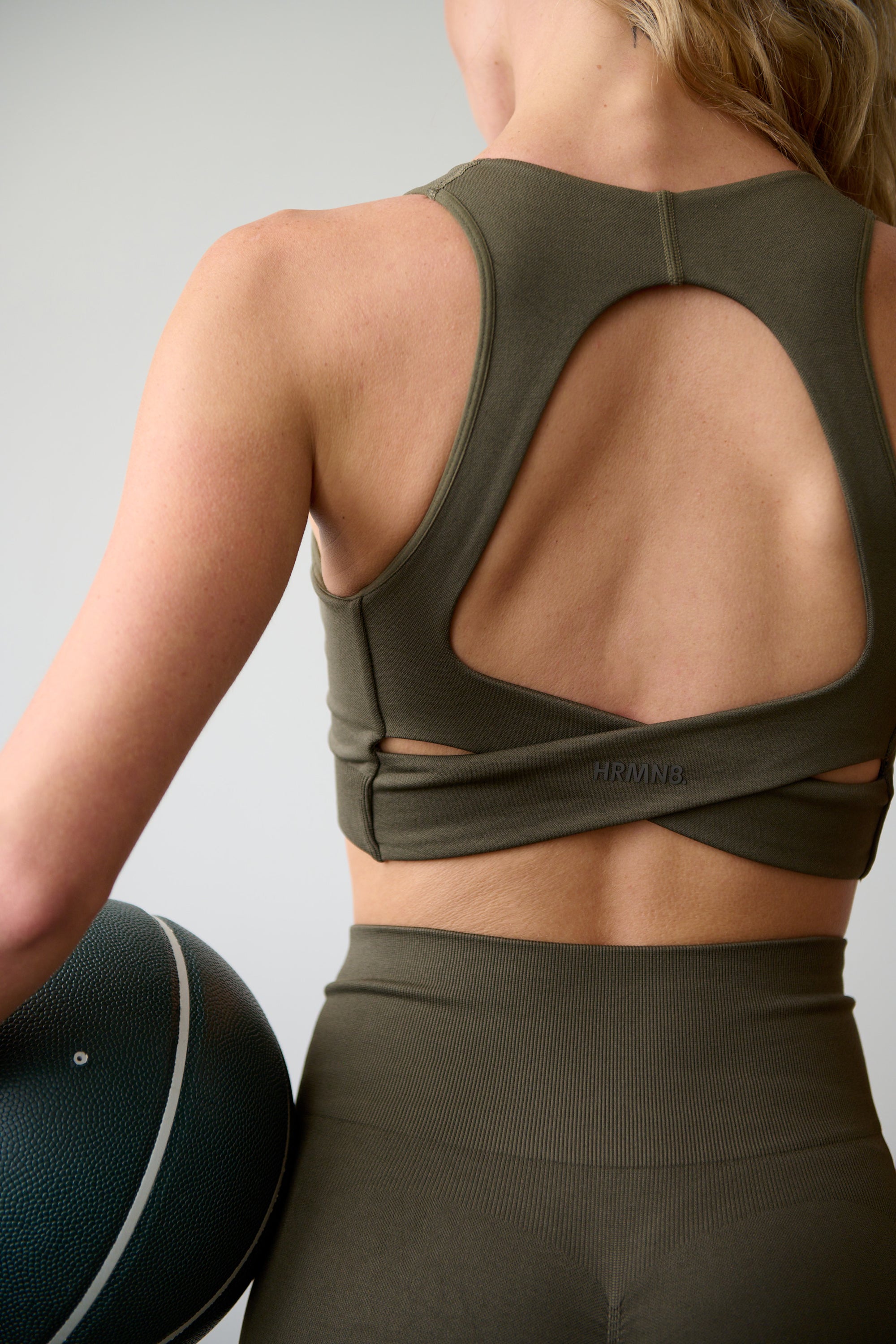
Jilla Active became known for women’s sustainable activewear made with soft bamboo viscose, modal and recycled fibres. Its collection included seamless leggings, sports bras and tops with four-way stretch, offering comfortable support for yoga, Pilates and lighter gym sessions. Seamless construction also reduces the fabric waste created when conventional garments are cut and sewn.
The brand has since transitioned into HRMN8, which now sells both remaining Jilla designs and newer performance-focused activewear. The current range includes sculpting leggings, supportive bras and workout tops, with selected pieces using recycled polyamide.
We noted that the sustainability credentials differ considerably between products. Some newer garments contain virgin polyester, polyamide and elastane alongside recycled fibres, while the older bamboo-based range requires chemical processing to turn bamboo into fabric. As Jilla Active is no longer operating under its original identity, shoppers looking for its sustainable workout clothes can check out the newer collection directly from the HRMN8 website.
Top 10 Sustainable Activewear Brands Compared
The best sustainable activewear brand depends on the type of exercise you do, the materials you prefer, and your budget. This quick comparison highlights the main differences between the 10 brands in this guide.
Brand | Best for | Main materials | Approx. price range |
Reprise Activewear | Plant-based activewear for low-impact exercise | TENCEL™ Lyocell, spandex | $75–$150 |
Tripulse | Natural-fibre activewear for varied workouts | TENCEL™ Lyocell, ROICA™ elastane | €80–€160 |
Boldwill | Natural-fibre activewear for women and men | TENCEL™, organic cotton, hemp | €48–€102 |
Asquith London | Soft clothing for yoga and Pilates | Organic cotton, bamboo viscose, elastane | £30–£85 |
Wolven Threads | Colourful and reversible workout clothes | Recycled polyester, spandex | $50–$100 |
TALA | Supportive activewear for gym training | Recycled polyamide, recycled polyester, elastane | £35–£100 |
Organic Basics | Simple workout and everyday basics | Recycled nylon, elastane | €30–€100 |
Nimble Activewear | Running and high-intensity training | Recycled polyester, elastane | AUD $69–$169 |
Community Clothing | Plastic-free activewear made in the UK | Organic cotton, natural rubber | £20–£75 |
Jilla Active / HRMN8 | Seamless clothing for lighter workouts | Bamboo viscose, modal, recycled polyamide | £25–£70 |
How to Choose Sustainable Activewear
Choose for your actual workout: TENCEL™ and organic cotton work well for yoga and walking, while running and HIIT usually require quicker-drying fabrics and stronger support.
Read the percentages: A product advertised as recycled or plant-based may still contain large amounts of polyester, nylon or elastane. Check the complete fabric composition.
Look beyond recycled materials: Also consider where the clothing is made, whether the brand names its factories and whether certifications such as GOTS, OEKO-TEX or bluesign® support its claims.
Consider how it will age: Check the care instructions and look for information about pilling, colour fading and shape retention. Clothing that lasts longer is usually the more sustainable purchase.
Buy for regular use: The best sustainable activewear is not necessarily the most natural or expensive option. It is the one that performs well for your routine and will not sit unworn in your wardrobe.
Frequently Asked Questions
Is sustainable activewear actually better for the environment?
It can be, particularly when it uses lower-impact materials, responsible production methods and durable construction. However, no activewear is impact-free, so look beyond broad sustainability claims and check the fabric composition, certifications and manufacturing details.
Which athletic brands are sustainable?
Sustainable athletic brands include Reprise Activewear, Tripulse, Boldwill, Asquith London, Wolven Threads, TALA, Organic Basics, Nimble Activewear, Community Clothing and Jilla Active. Their approaches vary, so compare their materials, manufacturing practices, durability and certifications before choosing.
Are natural fabrics suitable for working out?
TENCEL™, organic cotton, bamboo viscose and merino wool can work well for yoga, Pilates, walking and everyday movement. For running or HIIT, you may prefer fabrics that dry faster and provide stronger compression.
Is recycled polyester sustainable?
Recycled polyester reduces demand for virgin plastic and gives existing material another use. However, it can still release microplastics during washing and is difficult to recycle when blended with elastane.
What certifications should I look for?
GOTS covers organic textiles and certain production standards, OEKO-TEX Standard 100 tests finished materials for harmful substances, and bluesign® focuses on safer chemical use and resource efficiency during textile production.
How can I make sustainable workout clothes last longer?
Wash them less frequently when possible, use a cool and gentle cycle, avoid fabric softener, and air-dry them instead of using a tumble dryer. Always follow the care label, especially for wool and plant-based fabrics.
Keep browsing
Browse similar brands
Explore independent labels in our directory related to this story.
Browse all brands