Ethical Clothing Brands

Find 400+ ethical clothing brands built around fair practices and responsible production. Brand profiles provide clear details to help understand how each label approaches ethics across sourcing, manufacturing, and business values.

Brands

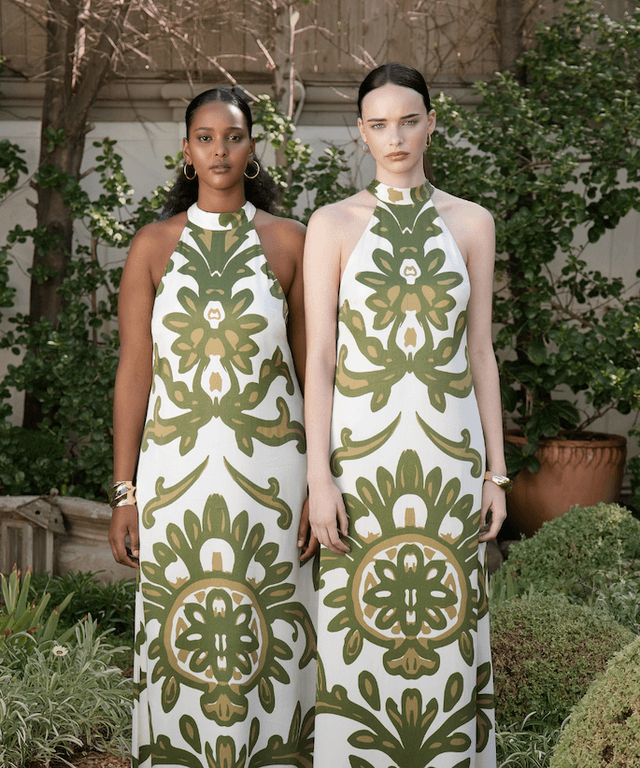
Indigene featured image

Indigene

India · Est. 2011 · Mid-range

Indigene is an Indian designer, sustainable handmade clothing label for women, founded in Noida in 2011 by Ruchi Tripathi and Jaya Bhatt. The two designers met while studying textile design at NIFT Delhi and spent years working with craft organisations and artisan clusters before starting their own label. Their focus is conscious clothing that is easy and comfortable to wear, made with artisans rather than in factories. The range includes kurtas, dresses, tops, shirts, pants, jackets and overlays, plus home accents and bags. Signature pieces include the Aasman Blue Chanderi Kurta, the Ajrakh Striped Modal Kurta, the Acru Hand Embroidered Tie Up Kurta, the Anemone Smocked Slip Dress, the Adel Oversized Linen Jacket and the Double Ikat Chaupad Overlay. Everything is made in India. Indigene works with natural fibres and traditional crafts, including handloom, ajrakh and hand block printing, ikat, embroidery, appliqué, tie-dye and natural dyeing. Each piece is handcrafted by artisans, and customers can request customised pieces. Indigene is a member of the Fashion Design Council of India and has been featured by YourStory as a Make in India label and by Platform magazine.
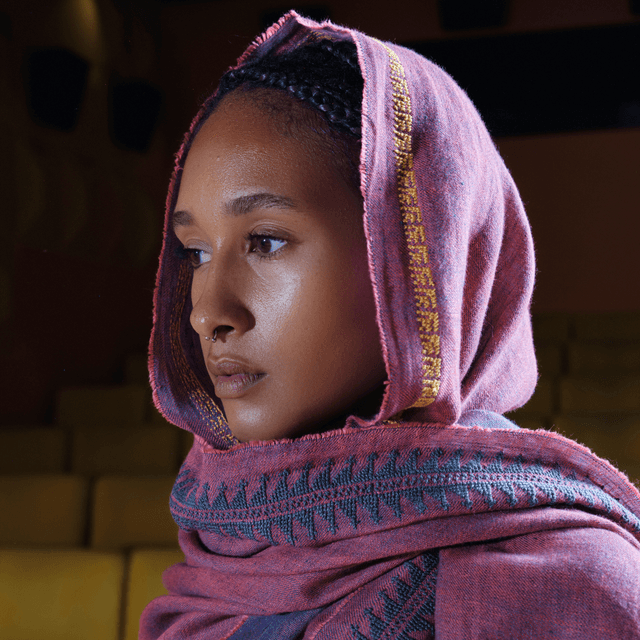
SEP featured image

SEP

Switzerland · Est. 2013 · Mid-range

SEP is an ethical, handmade luxury label, founded in Geneva in 2013 by former investment manager Roberta Ventura and Stefano D'Ambrosio. SEP started as a project designed to become a brand that gives refugees dignified, fairly paid work, reinterpreting traditional Palestinian cross-stitch embroidery in contemporary fashion and lifestyle pieces. The range includes embroidered keffiyehs, linen, cashmere and silk shawls, cashmere hoodies, scarves, beanies and T-shirts, plus bags and home linens. Signature pieces include the Alhambra Keffiyeh, the Sultan Han hoodie, the Beehive cashmere hoodie and embroidered linen tablecloths. Every piece is hand-embroidered by Palestinian and Syrian refugee artists in Jordan's Jerash and Azraq camps, while many base fabrics, such as linen and cashmere, are made in Italy. SEP Jordan was founded in 2014 and began operations in 2015, and the business model is built to directly advance at least six of the UN Sustainable Development Goals, including no poverty and reduced inequalities. SEP is a certified B Corp and an independent social enterprise, incorporated in Jordan and Switzerland. It runs a boutique in Geneva and has collaborated with artivist Charlotte Ensaigne on a limited edition briefcase.

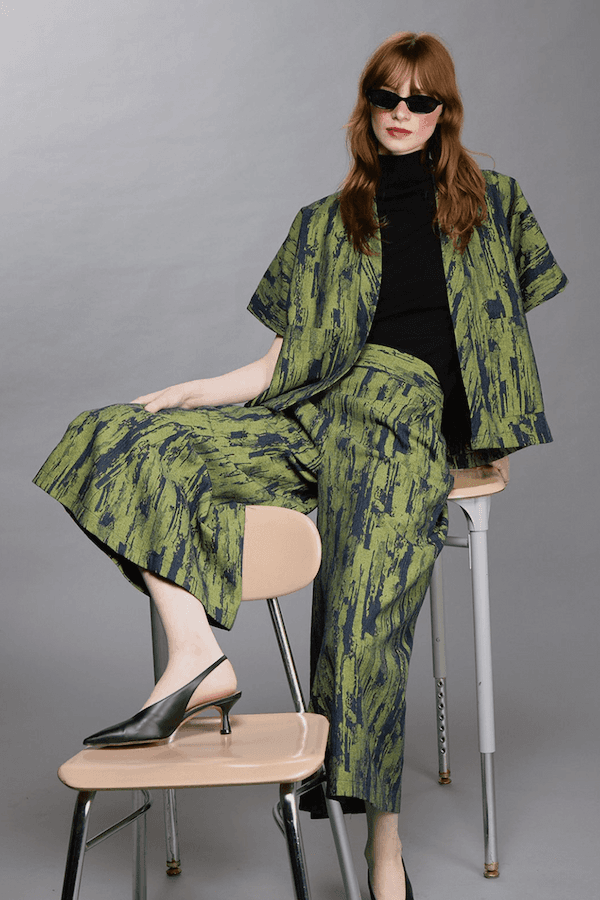
Story mfg. featured image

Story mfg.

UK · Est. 2013 · Luxury

Story mfg. is a sustainable UK designer clothing label for men and women, founded in Brighton in 2013 by husband-and-wife team Saeed and Katy Al-Rubeyi. With backgrounds in trend forecasting and menswear, the couple set out to make garments that did not already exist, starting with a naturally dyed, handwoven denim and developing their own fabrics from scratch rather than buying ready-made cloth. Its gender-neutral collections include bomber jackets, shirts, knitwear, trousers, shorts and tees, with signature pieces such as the Seed Bomber, the Greenhouse Shirt and the Grateful Tee. Everything is handmade in India by a team of artisan dyers, weavers, embroiderers and tailors. Story mfg. uses only natural plant dyes such as myrobalan, Indian redwood, pomegranate and natural indigo fermented in a large vat whose water is reused. Craft techniques include hand embroidery, block printing, appliqué, hand crochet and patchwork made from production offcuts, and the label is vegan. Early on it sold from a pop-up shop on the founders' London canal boat. It has since been stocked by LN-CC and Goodhood, profiled by British Vogue and i-D, and opened its first permanent store in Brighton in 2022.

Chillax featured image

Chillax

Turkey · Est. 2014 · Affordable

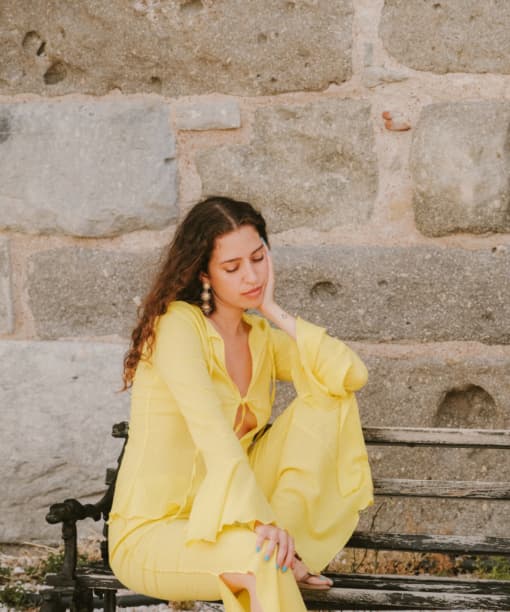
Chillax is a sustainable, handmade Turkish clothing label for women, founded in Istanbul in 2014 by Figen Ceken Bayraktar and Guvenc Bayraktar. A family business, the brand takes its name from chill and relax, reflecting its philosophy of enjoying every moment while feeling comfortable physically and mentally. It was born from a love of natural fabrics, an appreciation for handcraft and a desire to act with an environmentally conscious approach, believing women should not have to choose between fashion and the future. The collection centres on everyday resort wear, including kimonos, kaftans, maxi dresses, matching sets, tops and trousers, alongside crochet pieces, hats and bags. Clothing is made in Turkey, with every cut, stitch and fastening done by hand in limited editions. Chillax prefers deadstock fabrics such as cotton, viscose and linen, giving pre-existing fabric a new life. Tailors place patterns to minimise waste, and leftover fabric is upcycled into scrunchies, tops and shorts. A local workshop supports women collaborators in home-based production, and packaging is made from recyclable materials. Chillax sells its slow fashion pieces through its own online store and ships worldwide from Istanbul.

Maydi featured image

Maydi

Argentina · Est. 2014 · Luxury

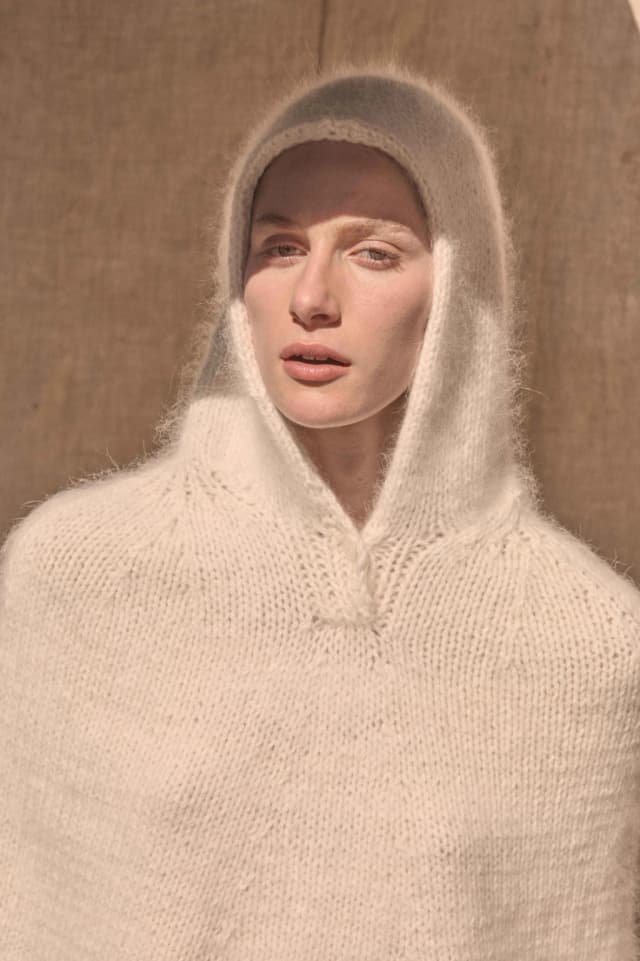
Maydi is an Argentine designer knitwear label for women, founded in Buenos Aires in 2014 by María Abdala Zolezzi. A self-taught designer and the brand's creative director, she works to highlight Argentina's cultural and textile heritage. Maydi creates contemporary, handmade luxury knitwear that blends ancestral techniques with refined, modern design, guided by a vision of luxury that values depth over surface. The range includes sweaters, cardigans, capes, jackets, skirts and bodysuits, plus shawls, collars, scarves, hats, gloves and bags. Signature pieces include the Sweater Mar, the Campera Marino, the Falda Aronnax and the Capa Pacífico, and the label also offers made-to-measure pieces. Every piece is handmade in Argentina from local natural fibres such as merino wool, mohair, guanaco and espartillo. Maydi holds Wildlife Friendly certification, reflecting its aim of creating without causing harm to the environment and wildlife where its fibres come from. The label remains independent and is led by its founder from Buenos Aires. One recent collection explores our relationship with the sea, about moving forward with care and finding beauty beyond the obvious.

Kayleigh Peddie featured image

Kayleigh Peddie

Canada · Est. 2014 · Affordable

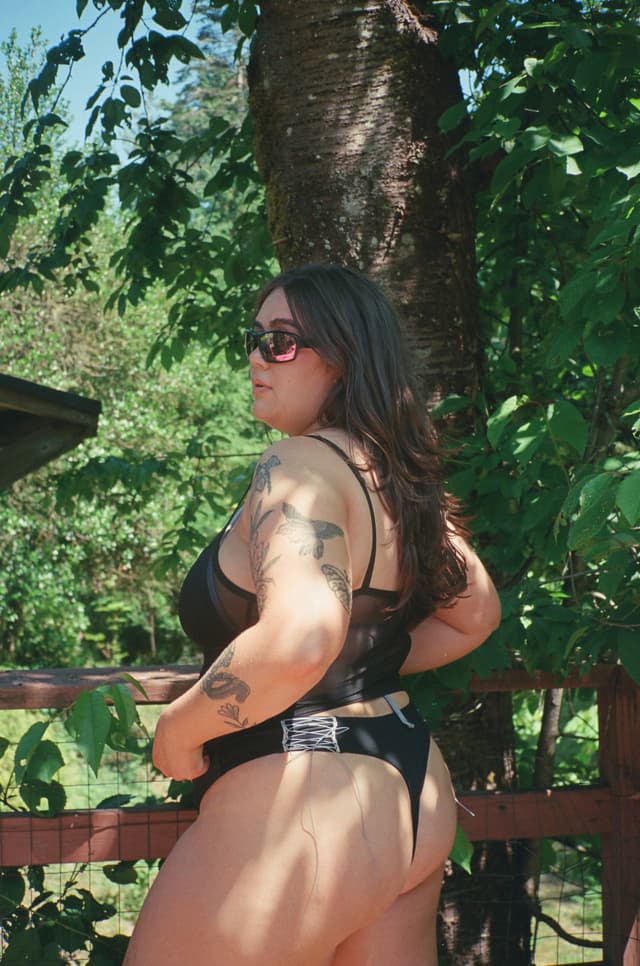
Kayleigh Peddie is a Canadian lingerie and swimwear label for women, founded in Montreal in 2014 by designer Kayleigh Peddie. She launched the label with handmade lingerie before adding swimwear, and every piece is still made in Montreal, in small-batch and made-to-order collections. Keeping production local and small allows the brand to avoid overproduction and to take custom orders. The swimwear is known for bold prints, with pieces such as the Sadie string bikini, the Link and Vero halter tops and swim thongs like the Len and Luna. The lingerie range includes the Robbi Picot bra and thong, the Game Bra and the Core thong, along with tank tops and multi-packs of thongs. Collections are released in small batches, and made-to-order pieces are sewn by hand once they are ordered rather than produced in bulk. Kayleigh Peddie is an independent brand owned and run by its founder and designer, and it sells through its own online store.

HAUS LABEL featured image

HAUS LABEL

USA · Est. 2022 · Mid-range

HAUS LABEL is a minimalist American activewear label for women, founded in New York in 2022 by Karina Trofimova. The brand was born from Haus Agency, the Lower East Side showroom and brand development firm Trofimova started in 2018, after a friend complimented an outfit she wore for a bike ride and cocktails. It offers timeless pieces for the active, outfit-repeating woman who values simplified decision making but understands the power of expressing herself through style. The core collection includes tops, bodysuits, bike shorts, leggings, capris, micro mini skirts, bikini tops and briefs that translate from day to night, from Pilates to work and from a bike ride to dinner with friends. Pieces are ethically made in Latvia, Trofimova's home country, at a factory she has visited many times. The brand uses Italian nylon made from recovered ocean waste and post-consumer plastic bottles, double lined with sweat-wicking material. Rather than releasing four collections a year, it keeps a core range and adds new colourways only when needed. HAUS LABEL's first collaboration was with model and DJ Gilly Chan, and the brand has been featured by Garmentory and Raydar Magazine.

K M by L A N G E featured image

K M by L A N G E

Ukraine · Est. 2016 · Mid-range

K M by L A N G E is a sustainable designer clothing label for women, founded in Barcelona and Vinnytsia in 2016 by Kateryna Lanhe and her sister Marina Lange. Kateryna, known as Kati, studied international law in Madrid and worked in a Barcelona law firm before turning to fashion, inspired by childhood memories of her mother crafting clothes from scratch in Soviet-era Ukraine. The brand creates timeless pieces rooted in Ukrainian heritage. The collection includes womenswear and jewellery across capsules such as Zemlia, Motanka, Palyanytsia and Hà Nội, alongside an upcycled capsule and curated vintage. About 85% of pieces are designed, developed and crafted in Ukraine and the rest are made in Spain, often in runs of five to ten units. Ukrainian craftswomen over 60 hand-embroider and crochet selected pieces, and the women behind every piece are paid fairly. Around 85% of its fabrics are organic, recycled or deadstock, and the brand upcycles vintage clothing to minimise waste. K M by L A N G E has shown at 080 Barcelona Fashion and been profiled by Traveler and Vanitatis. Part of its profits support Ukrainian associations helping women and children affected by the war.

Lukhanyo Mdingi featured image

Lukhanyo Mdingi

South Africa · Est. 2015 · Luxury

Lukhanyo Mdingi is a South African designer, luxury clothing label for men and women, founded in Cape Town in 2015 by Lukhanyo Mdingi. Born in the Eastern Cape in 1992, Mdingi is a multidisciplinary designer and creative director whose eponymous label is built on consideration, community and research. His refined, minimalist approach centres on lineage-building and long-term relationships with the people who make his textiles. The label produces collections of tailoring, knitwear, shirts, trousers, dresses and outerwear, released as seasonal capsules, alongside a publication and print shop. The clothing is made in South Africa. Through its partnership with the Ethical Fashion Initiative of the United Nations, the label works with social enterprise CABES-GIE in Burkina Faso, a network of more than 2,000 artisans, on handwoven Faso Dan Fani cloth, including GOTS-certified organic cotton. The collaboration has created new weaving patterns and built artisans' skills, with a focus on supporting women. Mdingi received the LVMH Prize's Karl Lagerfeld Prize in 2021 and was a finalist for the ANDAM Prize in 2022. In 2023 he won the AMIRI Prize and a GQ Designer of the Year award, and he was named to the BoF 500 class of 2024.

Kamaali featured image

Kamaali

India · Est. 2008 · Luxury

Kamaali is an Indian designer, sustainable occasion-wear label for women, founded in Delhi in 2008 by Kamaali Mehta. Mehta studied fashion design at Pearl Academy of Fashion and later specialised in bridal, evening and party wear at the London College of Fashion. Kamaali Pret was her first label, but her love of bridal couture soon shifted her focus to Kamaali Couture, which she runs with her sister Shruti. In March 2022 the sisters relaunched Kamaali Pret to bring the style, structure and polish of their couture work to luxurious ready-to-wear. The range includes kaftans, co-ord sets, skirt sets, anarkalis, lehenga sets, dresses, capes, shirts and pants, with pieces such as the Aira Lehnga Set, the Amani Anarkali Set, the Alya Kaftan and the Akiko Drape Dress. Everything is made in India. The label's flowing, strategic cuts are designed to flatter women across generations and allow for changing sizes through life, with a stated aim to be second skin. A collaboration with Bemberg is a core part of its ethos, using the more sustainable fabric to achieve comfort without compromising on the final look.

Rags2Riches featured image

Rags2Riches

Philippines · Est. 2007 · Affordable

Rags2Riches is a sustainable Filipino clothing and accessories label, founded in 2007 in Payatas, Quezon City, by Reese Fernandez-Ruiz with a group of young professionals. It began by working with community artisans who turned scrap fabric into rugs, helping them earn fairly from their skills, and has grown into a social enterprise known as R2R. R2R makes intentional, multi-way pieces such as the 4-Way A-Line Skirt and Convertible Terno Top, along with wrap skirts, vests, tops, shorts and dresses. It is also known for handbags like the Buslo, Pusô and Saranggola Bags, wallets, travel bags and home goods such as pillows, poufs and rugs. Everything is handmade in the Philippines by partner artisan communities. Its pieces are woven in the signature R2R weave from upcycled textiles, cotton and local fibres, combining design with traditional handcraft and fair pay for artisans. Fernandez-Ruiz received a Rolex Award for Enterprise as a Young Laureate in 2010 for her work with Rags2Riches, which remains an independent social enterprise working with artisan communities across the Philippines.

Diarrablu featured image

Diarrablu

Senegal · Est. 2013 · Mid-range

Diarrablu is a sustainable designer clothing label for women, founded in 2013 by Senegalese designer Diarra Bousso. Born in Dakar, Bousso earned a master's degree in mathematics at Stanford and worked on Wall Street as a structured products trader before resigning to follow her passion for design. The brand launched its first ready-to-wear collection in 2015, aiming to merge the worlds of artisans and algorithms. Diarrablu sells bold-printed dresses such as the Tubi and Satu Dress, Genie and Jant Pants, kimonos, swimsuits, skirts and jumpsuits in sizes XS to 3XL, plus headwraps and bags. Most pieces are designed in California and handcrafted in a family-run workshop in Dakar, Senegal. The label combines traditional Senegalese artisan techniques with creative mathematics and AI. Bousso uses her own algorithms to design prints and silhouettes virtually, and every garment is made to order to avoid excess stock and textile waste. Many designs are convertible, and fabrics include linen, organic cotton, lyocell, cupro and FSC-certified viscose. Diarrablu has been featured by Vogue, and Bousso, a TED speaker, has spoken at institutions such as Harvard, Stanford and MIT.

Mosey Me featured image

Mosey Me

Australia · Est. 2016 · Affordable

Mosey Me is an Australian design label for the home and loungewear, founded in Melbourne in 2016 by Eliza O'Sullivan. The founder and creative director turned her love of print, colour and design into a passion project that has grown into a colourful homewares brand, created to bring more joy into everyday life at home. Its designs balance playfulness with sophistication and celebrate creativity, individuality and inclusivity. Every print begins in its Brunswick studio, where it is hand-painted before being brought to life on fabric. The range covers printed bedding, quilted throws, towels, bathmats, tableware and décor, plus accessories such as scrunchies and a small loungewear line of seersucker nighties, short pyjama sets and robes. Mosey Me works with skilled artisans and family-run businesses in Portugal, India and China, and its team visits the factories in person. Collections are made in small production runs to keep prints special and reduce waste, and its bathmats and terry towels now use GOTS-certified organic cotton. The brand often collaborates with like-minded creatives on limited-edition ranges, reflecting its interest in female connection and community.

wol hide featured image

wol hide

USA · Est. 2015 · Mid-range

Wol Hide is an American sustainable knitwear and clothing label for women and men, founded in Philadelphia in 2015 by Leah D'Ambrosio. Raised in western Connecticut and trained in textile design, D'Ambrosio believed fashion could be done better, with empathy, quality and respect for everyone from farmers and mill workers to customers. The label is built on a love for materials in their natural state and on comfort that brings confidence and ease. Wol Hide is known for textural sweaters, cardigans and vests, such as the Box Bomber and Lattice Henley, along with its organic cotton Easy Collection of sweatpants, leggings and sweatshirts, plus hats. It is made in the USA and Peru: wool is spun in Virginia and knit in New York, cotton milled in the Carolinas is sewn in Pennsylvania, and some knits, including alpaca pieces, are hand-loomed in Peru. Its Field Fiber yarn blends Sally Fox's naturally coloured organic cotton with undyed Rambouillet wool, and it uses Texas Organic Cotton Co-Op cotton and RWS and Nativa Regen certified Shaniko merino, with minimal dyeing. Wol Hide has been featured by Philadelphia magazine and Suitcase, and is stocked by boutiques including MayerWasner and Vagabond.

MIRTH featured image

MIRTH

USA · Est. 2016 · Mid-range

MIRTH is an American contemporary womenswear label, founded in Houston in 2016 by sisters Katie McClure and Erin Breen. After years of travel, the sisters landed in India in 2014 and were inspired by its vibrant communities, rich culture and heritage textiles. There they found the "mirth" behind the name, meaning amusement expressed in laughter, and the mission to start their own line. The label began with caftans and now makes easy, modern resort wear designed for long voyaging and slow living. Its range includes caftans and dresses such as the Alba Dress and Barcelona Short Dress, tops like the Adelaide Pointelle Knit Top, the Baden Pant, knitwear including the Aspen Pullover and Cusco Waterlily Cardigan, robes such as the Laos Robe, and bandanas. MIRTH is ethically produced in India and Peru, with knitwear made in Peru since 2022. Most of its fabrics are handmade and sourced from artisan communities, and the sisters design their own fabrics with makers using techniques such as handloom weaving and hand block printing. Nearly all of the work happens in rural villages, helping sustain heritage crafts and bringing consistent, dignified employment. The family-owned brand has a store in Houston.

MEGEST 1994 featured image

MEGEST 1994

USA · Est. 1994 · Mid-range

MEG is an American designer clothing label for women, founded in New York's East Village in 1994 by Meghan Kinney. Growing up around her mother's and grandmother's stores, Kinney designed her first garment at 14 and moved to New York at 17 to attend the Fashion Institute of Technology. After working alongside designers including Byron Lars, Christian Francis Roth and Randolph Duke, she launched MEG as a wholesale collection for independent boutiques, built on the belief that women should not have to choose between looking incredible and feeling comfortable. The label designs dresses, tops, trousers, knitwear and outerwear that move from work to weekends, travel and dinner, including its MEG Movement line. Collections are designed in Brooklyn and produced in small batches primarily in North America, in New York and Canada. Long before sustainability became a trend, MEG produced locally and encouraged customers to buy less but better. Its MEG Archive takes back previously loved pieces for store credit and resells them, donating 20% of Archive sales to Planned Parenthood. MEG opened its first boutique in the East Village in 1996, has grown to stores in Manhattan, Brooklyn and Toronto, and remains proudly independent.

Bibico featured image

Bibico

UK · Est. 2007 · Mid-range

Bibico is a sustainable UK clothing label for women, founded in Bath in 2007 by designer Snow (Nieves). Raised in northern Spain, Snow studied fashion in France and designed for Zara and other high street retailers in Madrid, Sydney and London, before leaving to find a fairer way of making clothes. Her husband Tim joined as COO in 2009, and the name comes from her childhood nickname, Bibi. Bibico makes simple clothes with unique details: jumpers such as the Layla and Alma Jumper, wool vests and gilets, dresses, blouses like the Ada Blouse, Anna Trousers, skirts and jackets. Two collections a year are produced in small runs, mainly in India and Nepal, with knitwear also made in Bulgaria. The label uses natural and sustainable fabrics such as organic cotton, wool and Tencel. It works with a women's cooperative in Mumbai and a knitting cooperative in Kathmandu, and two of its main makers belong to the World Fair Trade Organization. Bibico's first collection sold at Topshop Oxford Circus. In 2010 it won best ethical fashion brand at the Ethical Fashion Show in Paris, and it opened its Bath shop in 2017.

Vega Lucia featured image

Vega Lucia

USA · Mid-range

Vega Lucia is a sustainable, handmade clothing label for women, founded in the Florida Keys by designer Taylor Albury. Each piece starts with a fabric she can't stop thinking about and is made slowly, one at a time, in her small studio in Florida. The label's relaxed, coastal style is inspired by life in the Keys. The range includes skirts, tops, boleros and dresses, and Vega Lucia also offers alterations. Pieces have included the Buttonwood Midi Skirt, the Drift Wrap Skirt, the Birch Bolero, the Gold Lace Halter Top and the Seaside Scarf Dress. Every piece is made from thrifted, vintage or reclaimed materials, so most designs are one of one and cannot be repeated. This upcycled approach keeps existing fabrics in use and gives each garment its own character. Vega Lucia is a small, independent label owned by its founder, and it sells its pieces online. The brand and the story behind it have been featured in the Florida Keys Free Press.

R

Revivall

USA · Est. 2008 · Mid-range

Revivall is a sustainable, handmade clothing label for women, founded in Bozeman in 2008 by Laura Lee Laroux. After seeing the scale of waste in New York's fashion industry in the early 2000s, Laura vowed to use recycled materials in her creations, and she has been upcycling ever since. Revivall describes itself as a slow fashion lifestyle brand encouraging the revival of a simpler way of life through responsibly sourced, folk-inspired goods. The label makes modern homestead clothing with a vintage, prairie feel: skirts, pinafores, dresses, tops and vintage-style petticoats. Recent pieces include the White Bear Skirt, the Cotton Prairie Skirt, the Long Wool Pinafore and the Vintage-Style White Cotton Petticoat. Its approach rests on three pillars: responsible sourcing, zero-ish waste and local making. Products are made from recycled materials and deadstock fabrics, keeping hundreds of bolts of fabric out of landfill each year, and even small scraps are turned into new pieces. Everything is handmade in the USA by a team of independent seamstresses. Revivall is women-owned and operated, and it sells mainly through its own online store.

SALT Attire featured image

SALT Attire

India · Est. 2016 · Affordable

SALT Attire is an Indian workwear label for women, founded in Gurugram in 2016 by Dipti Tolani. Tolani, who had worked in New York as a financial risk consultant, launched the brand in July 2016 after struggling to find well-made workwear in India. SALT Attire calls itself India's first business casuals brand for women, offering what it calls 9to9 clothing that takes women from desk to dinner. The brand makes formals, semi-formals and business casuals, with fits perfected over time for Indian body types. Its range includes tops, shirts, dresses, pants, skirts, blazers and co-ord sets, such as the Avelin Belted Shirt Dress, the Agnes Longline Rib Knit Dress, the Andorra Front Pleat Top, the Emily High Rise Flared Trouser, the Berlin Single Breasted Blazer and blazer-and-pant sets like Editor on the Move. SALT Attire makes all of its garments in-house in its own workshop in India, and it offers alterations and bespoke tailoring so customers can get the right fit. Its staples are designed to last. SALT Attire is led by Tolani as founder and CEO, and it sells online and through stores in Delhi and Mumbai.

Swoon featured image

Swoon

India · Est. 2017 · Affordable

Swoon is a minimalist Indian designer clothing label for women and kids, founded in Gurugram in 2017 by designer Sakshi Astir. Its designs are relaxed, comfortable and fluid yet distinctive, with a slightly bohemian, vintage sensibility that reflects a wanderer's experience told through contemporary cuts and luxurious Indian fabrics. Most outfits come in pristine whites, ivory, ecru and earthy pastels and are versatile enough to wear from day to night. The range includes women's dresses, co-ord sets, tops and trousers, alongside Swoon baby and kids' clothing such as rompers, dresses, coordinated sets, gift sets, bibs and hair accessories. Everything is made in India from soft cottons and voiles, with signature styles like the Amour Dress pairing embroidery with contrasting lace. Handcraft sits at the heart of the label. Swoon actively works to revive handmade lace in India and specialises in French lace, crochet, handmade lace and macramé, combined with pleats and pin tucks. Collections such as Earthen use breathable crochet fabric in earthy hues, produced in small batches. The brand follows a zero-waste initiative, using all its waste fabric in packaging as part of a sustainable, eco-friendly approach to manufacturing.

SIZ featured image

SIZ

Portugal · Est. 2016 · Mid-range

SIZ is an ethical, sustainable European designer clothing label for women, founded in Sesimbra, Portugal in 2016 by twin sisters Raquel Rodrigues and Sofia Rodrigues. The sisters studied fashion together at the University of Lisbon's Faculty of Architecture and launched the brand after their internships, wanting to prove that sustainable fashion could be creative, colourful and fun. Its style pairs "clean and crafty" in an urban, casual look. The collection includes dresses, tops, shirts, trousers, skirts, jackets, jumpsuits and coordinated sets. Signature pieces include striped sets introduced in 2020 and a thin-strap summer dress reinterpreted every year. Garments are made in Portugal: the sisters design, make patterns, cut and sew in their Sesimbra atelier, working with local seamstresses in small batches produced to the rhythm of sales. Each yearly collection is built around an environmental or social cause, from climate change to ocean pollution and overconsumption. Much of the clothing uses deadstock fabrics, with organic and natural fibres used when deadstock runs short, while a take-back programme keeps garments out of landfill. SIZ has been profiled by the Portuguese magazine NiT and A Sustainable Closet, and in 2026 opened a two-month pop-up in Lisbon.

The Knotty Ones featured image

The Knotty Ones

USA · Est. 2014 · Mid-range

The Knotty Ones is a European handmade knitwear label for women, founded in 2014 by Lithuanian friends Danutė Rasimavičiūtė, Sandra Pangonytė and Akvilė Meškauskaitė-Dobrajs, and based between Vilnius and New York. The three met at grad school in 2011, having grown up in knits made by their grandmothers. Proud of their Baltic heritage, they design elevated, timeless pieces inspired by the Baltic Sea, Lithuanian meadows and the country's pagan roots. The collection includes merino wool sweaters such as the Bangos, cardigans and vests, silk and mohair dresses like the Eglutė, crochet cotton dresses, tops, shorts, socks and accessories. Every piece is made in Lithuania, hand-knitted by a community of more than 40 female artisans, many of them mothers in rural villages and small towns. The female-founded brand pays its knitters a living wage and gives them financial independence and a voice in their communities. It uses only 100% natural yarns, OEKO-TEX certified dyes and plastic-free buttons and packaging, works with local artists who hand-dye with herbs and produces in small batches. The Knotty Ones has been worn by Hilary Duff and Margaret Qualley.

Milkbarn featured image

Milkbarn

USA · Est. 2006 · Affordable

Milkbarn is an American organic kids' clothing label, founded in 2006 by Stacy Phillips. Phillips began sewing bibs inspired by her seven-month-old son, and the family farmhouse kitchen table soon doubled as a design studio as bibs and accessories gave way to a small apparel collection. The brand's roots lie in dairy country in the rolling hills north of San Francisco, and its look mixes vintage and modern, country and urban, celebrating a child's imagination. Milkbarn makes baby and children's clothing such as its Zipper Footed Romper, along with bibs, blankets, nursery essentials, toys, gifts and a series of children's books. Its original prints are a mother-daughter collaboration: Phillips' daughter, Haley Hunt, paints the artwork used on its fabrics and illustrates the books. Clothing is made from GOTS-certified organic cotton and bamboo rayon, coloured with low-impact dyes and free of chemical flame retardants, and production takes place in China. Phillips now lives in Leiper's Fork, Tennessee, and the brand ships from a warehouse in Petersburg, Tennessee, selling online and through stockists around the world.

Can't find what you're looking for?

We add new sites every week but if you have a specific request, let us know.

About ethical clothing brands

A curated selection of ethical clothing brands across independent labels focused on fair production, transparency, and responsible manufacturing.

What you'll find here:

  • Independent ethical clothing companies with clear production practices
  • A curated ethical clothing list in one place
  • A mix of emerging designers and smaller, design-led brands
  • Brands working with fair wages, safe conditions, and transparent sourcing

Ethical clothing is shaped by how garments are produced. Many ethical clothing brands focus on labour conditions, supply chain visibility, and long-term relationships with makers, rather than just the final product.

Across this selection, some brands prioritize local production, while others work directly with artisan groups or smaller factories. The differences come from how each label approaches sourcing, manufacturing, and scale.

The brands listed here are independent and production-focused, with a clear emphasis on accountability. Some operate with smaller runs or direct sourcing models, while others build structured systems around fair practices and consistency.

If you're exploring a list of ethical clothing brands, this page offers a straightforward way to compare different approaches within the space. The ethical clothing brands featured here vary in design, but each reflects a more people-focused way of making clothes.

Frequently asked questions

What are ethical clothing brands?
Ethical clothing brands focus on fair labor practices, safe working conditions, and transparency in production.
What makes a clothing brand ethical?
It includes factors like fair wages, responsible sourcing, and visibility into how garments are made.
Where can I find a list of ethical clothing brands?
You can explore a curated list of ethical clothing brands on platforms like From The Labels.
What are ethical clothing companies?
Ethical clothing companies are brands that prioritize people, working conditions, and production standards.
Are ethical clothing brands sustainable?
Some are, but ethical fashion focuses more on labour and production, while sustainability focuses on environmental impact.
Are there independent ethical clothing brands?
Yes, many ethical clothing brands operate independently with smaller-scale and more transparent production.
Why choose ethical clothing brands?
They are often chosen for their focus on fair practices and accountability in how clothing is made.