European Clothing Brands

Browse 200+ European clothing brands representing a wide range of fashion traditions and design approaches. The directory brings together structured brand profiles that support research, comparison, and discovery across multiple categories.

Brands

Outsiders Division featured image

Outsiders Division

Spain · Est. 2012 · Luxury

Outsiders Division is a European designer streetwear label for men and women, founded in Barcelona in 2012 by David Méndez Alonso. Méndez started the brand because he was tired of seeing the same old things in fashion, where everything felt generic. What began as an idea to create something different became a project to challenge the norm, and one of his biggest goals was to make the brand inclusive, with gender-neutral clothing for all ages. The range covers knitwear, tees, tanks, shirts, shorts, skirts, jackets and statement dresses, plus caps and scarves, known for playful colour, bold graphics and slogans. Signature pieces include sweaters such as Midnight Call, Plastic Bouquet and Star Social Club, the Antoine Shirt, the Unlicensed Athlete Tee and the Business Department jacket. Everything is designed in Barcelona and made mainly in Spain and Portugal. Most collections use organic cotton, including nearly all of its knitwear and 70% of its jackets, and it uses recycled polyester where possible. It works in small batches with partners that ensure fair wages and safe working conditions, so its artisans are not overburdened or rushed. Outsiders Division sells through its own online store.
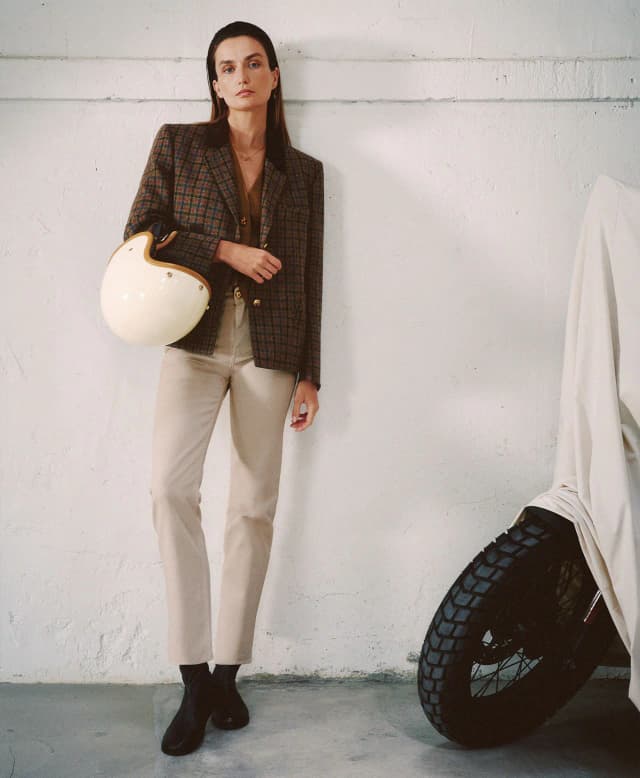
SEP featured image

SEP

Switzerland · Est. 2013 · Mid-range

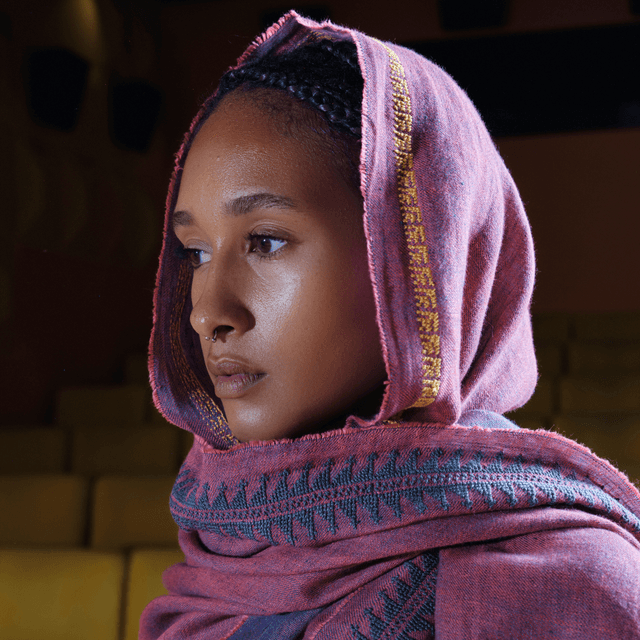
SEP is an ethical, handmade luxury label, founded in Geneva in 2013 by former investment manager Roberta Ventura and Stefano D'Ambrosio. SEP started as a project designed to become a brand that gives refugees dignified, fairly paid work, reinterpreting traditional Palestinian cross-stitch embroidery in contemporary fashion and lifestyle pieces. The range includes embroidered keffiyehs, linen, cashmere and silk shawls, cashmere hoodies, scarves, beanies and T-shirts, plus bags and home linens. Signature pieces include the Alhambra Keffiyeh, the Sultan Han hoodie, the Beehive cashmere hoodie and embroidered linen tablecloths. Every piece is hand-embroidered by Palestinian and Syrian refugee artists in Jordan's Jerash and Azraq camps, while many base fabrics, such as linen and cashmere, are made in Italy. SEP Jordan was founded in 2014 and began operations in 2015, and the business model is built to directly advance at least six of the UN Sustainable Development Goals, including no poverty and reduced inequalities. SEP is a certified B Corp and an independent social enterprise, incorporated in Jordan and Switzerland. It runs a boutique in Geneva and has collaborated with artivist Charlotte Ensaigne on a limited edition briefcase.

Blazé Milano featured image

Blazé Milano

Italy · Est. 2013 · Luxury

Blazé Milano is an Italian luxury tailoring label for women, founded in Milan in 2013 by Corrada Rodriguez d'Acri, Delfina Pinardi and Maria Sole Torlonia. The three stylists met through Elle Italia, and they have worked with international photographers, top designers and prestigious fashion houses. Drawing on their long experience in luxury fashion and a passion for haute couture, they set out to reinterpret the blazer for women who believe dignity and elegance are the foundations of their style. The label is best known for its tailored blazers, including the Everyday, Everynight and Charmer styles, many with its signature smiley-shaped pockets. It also makes knitwear like the Highland, Fox pants, Ara long skirts and leather jackets. Blazé Milano makes its pieces in Italy with Italian artisans. Its made-to-order service, BLAZÉ Atelier, creates personalised blazers with horsehair half-canvas construction, silk linings, hand-sewn buttonholes and fabrics from prestigious mills, and it holds dedicated trunk shows. The label is led by its three co-founders, with Rodriguez d'Acri running creative and design, Pinardi communication and marketing, and Torlonia commercial and sales. It sells online, in its own stores and through stockists.

K M by L A N G E featured image

K M by L A N G E

Ukraine · Est. 2016 · Mid-range

K M by L A N G E is a sustainable designer clothing label for women, founded in Barcelona and Vinnytsia in 2016 by Kateryna Lanhe and her sister Marina Lange. Kateryna, known as Kati, studied international law in Madrid and worked in a Barcelona law firm before turning to fashion, inspired by childhood memories of her mother crafting clothes from scratch in Soviet-era Ukraine. The brand creates timeless pieces rooted in Ukrainian heritage. The collection includes womenswear and jewellery across capsules such as Zemlia, Motanka, Palyanytsia and Hà Nội, alongside an upcycled capsule and curated vintage. About 85% of pieces are designed, developed and crafted in Ukraine and the rest are made in Spain, often in runs of five to ten units. Ukrainian craftswomen over 60 hand-embroider and crochet selected pieces, and the women behind every piece are paid fairly. Around 85% of its fabrics are organic, recycled or deadstock, and the brand upcycles vintage clothing to minimise waste. K M by L A N G E has shown at 080 Barcelona Fashion and been profiled by Traveler and Vanitatis. Part of its profits support Ukrainian associations helping women and children affected by the war.

Le Petit Trou featured image

Le Petit Trou

Poland · Est. 2014 · Mid-range

Le Petit Trou is a Polish lingerie and designer label for women, founded in Warsaw in 2014 by Zuzanna Kuczyńska. Kuczyńska came up with the idea while working as a stylist, and her Warsaw apartment served as the brand's first showroom. What began as lingerie has grown into a full women's ready-to-wear collection that the brand says is designed to create an extraordinary everyday. The lingerie includes signature briefs and soft bras such as the Chocolat, Pavot and Madonna styles, along with loungewear. Its clothing covers tops, shirts, skirts, trousers, jeans, jackets and coats, with pieces such as organic cotton ruffle-hem styles, the Maxime corduroy shirt, the Thierry denim dungarees and LUCAS jeans, plus leather boots, pumps and bags. Products are made in Poland, where the brand works with women-led sewing companies and restocks monthly to avoid overproduction. It uses natural materials such as linen and cotton alongside recycled polyester, and ships orders in compostable mailers. Le Petit Trou is majority-owned by Kuczyńska and has its design studio and flagship store in Warsaw, selling online internationally.

SIZ featured image

SIZ

Portugal · Est. 2016 · Mid-range

SIZ is an ethical, sustainable European designer clothing label for women, founded in Sesimbra, Portugal in 2016 by twin sisters Raquel Rodrigues and Sofia Rodrigues. The sisters studied fashion together at the University of Lisbon's Faculty of Architecture and launched the brand after their internships, wanting to prove that sustainable fashion could be creative, colourful and fun. Its style pairs "clean and crafty" in an urban, casual look. The collection includes dresses, tops, shirts, trousers, skirts, jackets, jumpsuits and coordinated sets. Signature pieces include striped sets introduced in 2020 and a thin-strap summer dress reinterpreted every year. Garments are made in Portugal: the sisters design, make patterns, cut and sew in their Sesimbra atelier, working with local seamstresses in small batches produced to the rhythm of sales. Each yearly collection is built around an environmental or social cause, from climate change to ocean pollution and overconsumption. Much of the clothing uses deadstock fabrics, with organic and natural fibres used when deadstock runs short, while a take-back programme keeps garments out of landfill. SIZ has been profiled by the Portuguese magazine NiT and A Sustainable Closet, and in 2026 opened a two-month pop-up in Lisbon.

MaisonCléo featured image

MaisonCléo

France · Est. 2016 · Mid-range

MaisonCléo is a French designer label for women, founded in Calais in 2016 by Marie Dewet and her mother, Nathalie, who sewed the brand's first garments. The mother-daughter label makes romantic, feminine clothing by hand and to order, with a focus on silk dresses and blouses trimmed with Calais lace. The range includes dresses, blouses, skirts, cardigans, coats, bridal pieces and accessories. Every piece is handmade to order in its studio-atelier in the north of France, and any design can be made to measure. Signature pieces include the Madeleine silk dress with a Calais lace train, the Isaure muslin silk dress, the Constance silk blouse, the Javotte flared silk skirt, the Ramona lace cardigan and the Berthe organza veil. MaisonCléo uses only leftover fabrics from French couture houses and factories, such as silk and Calais lace. It is also transparent about how each garment is made, sharing details such as fabric costs and making time. The brand remains independent and run by Marie Dewet, and it has created exclusive pieces for Net-a-Porter, Selfridges and Printemps.

The Knotty Ones featured image

The Knotty Ones

USA · Est. 2014 · Mid-range

The Knotty Ones is a European handmade knitwear label for women, founded in 2014 by Lithuanian friends Danutė Rasimavičiūtė, Sandra Pangonytė and Akvilė Meškauskaitė-Dobrajs, and based between Vilnius and New York. The three met at grad school in 2011, having grown up in knits made by their grandmothers. Proud of their Baltic heritage, they design elevated, timeless pieces inspired by the Baltic Sea, Lithuanian meadows and the country's pagan roots. The collection includes merino wool sweaters such as the Bangos, cardigans and vests, silk and mohair dresses like the Eglutė, crochet cotton dresses, tops, shorts, socks and accessories. Every piece is made in Lithuania, hand-knitted by a community of more than 40 female artisans, many of them mothers in rural villages and small towns. The female-founded brand pays its knitters a living wage and gives them financial independence and a voice in their communities. It uses only 100% natural yarns, OEKO-TEX certified dyes and plastic-free buttons and packaging, works with local artists who hand-dye with herbs and produces in small batches. The Knotty Ones has been worn by Hilary Duff and Margaret Qualley.

Flore Flore featured image

Flore Flore

Netherlands · Est. 2021 · Mid-range

Flore Flore is a Dutch designer label for women, founded in Amsterdam in 2021 by Flòrian van Zuilen. Fashion runs in her lineage, as her mother and grandmother both worked in the field, and she previously worked in fashion from New York to Copenhagen. The label creates understated, chic cotton classics for the modern woman, with designs that promote freedom and ease and balance romance with classic tailoring. The range includes basics such as bandeau tops, bodies, turtlenecks and tanks, polos like the Lauren Polo, dresses, cardigans, shirts such as the Rosie Shirt, skirts and trousers, plus scarves and box sets. Its organic cotton staples are clean and simple, made to be worn every day. Garments are produced in Portugal by family-owned factories: the cotton basics in a factory run by a mother-daughter duo, and the shirting, in fabrics from Albini in Bergamo, in Portugal's oldest shirting factory. Production uses organic materials and a small, considered supply chain, with FSC-certified packaging. As a member of 1% for the Planet, Flore Flore gives 1% of annual sales to the Women's Earth Alliance. The label remains independent and founder-led.

indi & cold featured image

indi & cold

Spain · Est. 2012 · Mid-range

indi & cold is a Spanish clothing label for women, founded in San Sebastián in 2012 by brothers Diego and Gonzalo Santaolalla. The brothers started their first labels, Indiwoman and Cold Alaska, in San Sebastián in 1991, and the two merged in 2012 to form indi & cold, with Cristina Villar as creative director. Under the motto "Dress the journey", the brand makes relaxed, natural-style clothing: timeless, quality pieces in natural fabrics with careful design. The range includes knitwear, shirts, blouses, coats, jackets, trousers, skirts, dresses and accessories. Pieces include the Wool Maxi Coat with Hood, the Double-Breasted Wool Coat, the Reversible Quilted Trench Coat and the Brushed-Effect Plaid Sweater, as well as ethnic-print dresses, skirts and blouses, corduroy trousers and leather Chelsea boots. indi & cold works with materials such as wool, mohair, alpaca and organic cotton, along with some recycled fibres. The independent company is run by its founders and has its own store on Calle Arrasate in San Sebastián. It runs about 20 stores across Spain, including in Madrid, Barcelona, Bilbao and Valencia, plus corners in El Corte Inglés stores in Madrid, Valencia and Lisbon.

Maiami featured image

Maiami

Germany · Est. 2004 · Luxury

Maiami is a German designer knitwear label for women, founded in Berlin in 2004 by creative director Maike Dietrich. It began with a small number of hand-knitted sweaters and is built on the principle of handmade luxury, offering a modern perspective on the traditional craft of knitting. Its clear, contemporary aesthetic sits between quiet minimalism and effortless expressiveness. The collections focus on sweaters, cardigans and knitted tops, including bomber cardigans, pullovers, knitted T-shirts, jackets and a bridal knitwear line. Signature pieces include the Alpaca Mix Melange Bomber Cardigan, the Shaggy Alpaca T-Shirt, the Merino Raglan Pullover and the Bridal Cashmere Bomber Cardigan. Maiami is known for refined colour stories and innovative textile surfaces. It works mainly with alpaca, merino wool, mohair and cashmere, with some cotton pieces, and its knitwear is made in Peru, Poland and Bosnia and Herzegovina. The label has grown organically and remains independent, led by its founder. It is sold in around 150 boutiques, concept stores, department stores and online retailers across four continents.

Cordera featured image

Cordera

Spain · Est. 2008 · Luxury

Cordera is a Spanish knitwear and designer label for women, founded in A Coruña in 2008 by sisters Mónica and María Cordera. The sisters are also its creative directors, and the brand was first called Mónica Cordera. Focused on exceptional materials, meticulous craftsmanship and timeless design, Cordera embraces an aesthetic that transcends fleeting trends, and it describes its approach as fashion with purpose, merging luxury, sustainability and social impact. The label is known for minimalist clothing with a focus on knitwear and fine materials. Its range includes sweaters, cardigans, shirts, trousers, dresses, outerwear, shoes, bags and belts, with pieces such as the Merino & Cashmere Sweater, the Speckled Cardigan, the Carrot Pants, the Curved Baggy Jeans, the Classic Trench, the Shearling Coat, the Pointy Crocodile Loafer and handmade beaded bags. Based in Galicia, Cordera carries out almost all of its production in Spain, using locally sourced materials and ancestral techniques with a trusted network of family-run ateliers and specialist workshops. It also partners with a women-led workshop in Guatemala, where each embroidery is handcrafted. Cordera is an independent, family-run brand led by its founders.

Guðrun & Guðrun featured image

Guðrun & Guðrun

Faroe Islands · Est. 2000 · Luxury

Guðrun & Guðrun is a designer knitwear label from the Faroe Islands, founded in Tórshavn in 2000 by Guðrun Rógvadóttir and Guðrun Ludvig. Rógvadóttir had worked on EU projects worldwide but wanted to build something of her own, and she reached out to Ludvig, a passionate knitter, about the wasted potential of Faroese wool. Friends and business partners for over two decades, the two women share a passion for design, innovation, sustainability and people. The range includes women's and men's sweaters, cardigans, tops, dresses and skirts, plus children's knits, accessories and home pieces. Signature pieces include the Bjøll sweater, the Stásilig cardigan, the Isabella dress and the Bjarma balaclava. Its knitwear is hand-knitted by women in the Faroe Islands, with some pieces knitted in Jordan and Peru, using wool, alpaca and mohair. Ludvig, as creative director, draws inspiration from the serene beauty of her homeland. The brand became famous for the sweater worn by detective Sarah Lund in the Danish TV series The Killing. It remains independent, owned by its founders, and sells online and through stores worldwide.

Ancient Kallos featured image

Ancient Kallos

Greece · Est. 2014 · Mid-range

Ancient Kallos is a Greek resort wear label for women, founded in Thessaloniki in 2014 by sisters Lamprini Stavrou and Stella Stavrou. The sisters took over their family's clothing company, established in 1982, and turned it into a new brand, combining Stella's experience as a fashion designer with Lamprini's background in architecture. The label draws on Greek mythology, traditional Greek embroidery and the treasures of antiquity seen in museum galleries. Ancient Kallos makes dresses, gowns, blouses, shirts, kaftans, shorts, trousers, knitted sets, coats and swimwear with nautical details and cord embroidery. Signature pieces include the Syros Long Dress, the Iphigenia Cut Embroidered Blouse, the Penelope Embroidered Linen Long Dress and the Alkioni Sailor Knot Top. The brand also offers handmade jewellery, sandals and an Art de la Table homeware collection inspired by Greek ceramic art. Every piece is designed and produced in Greece in natural fabrics such as linen, cotton, silk and wool, with some embroideries based on designs more than 100 years old. The company produces to order to minimise leftover stock, and its jewellery is crafted by skilled artisans. Ancient Kallos remains family-owned and is run by the two sisters from Thessaloniki.

Gabriela Coll Garments featured image

Gabriela Coll Garments

Spain · Est. 2016 · Luxury

Gabriela Coll Garments is a minimalist Spanish luxury designer clothing label, founded in Barcelona in 2016 by Gabriela Coll. Combining a fine arts background with the inspiration of her Spanish Mediterranean history, Coll is concerned with the classical and inherent character of fabrics. In pursuit of a permanent wardrobe, her garments are rooted in permanence and austerity. Rather than seasonal collections, the label presents numbered, seasonless Series of pieces that layer, coexist and evolve, and it has now reached Series 15. The range covers pieces for men and women, including leather jackets, coats, trousers and skirts, alongside bags, accessories and footwear such as its Sendra boots. Everything is made in Spain, crafted in the Barcelona studio or by independent local manufacturers. Traces of thoughtful artisanship are visible in each garment, linking the final piece to its origin and production process. As a service for clients, all garments are available custom tailored, and private studio visits and made-to-measure appointments can be booked at the Barcelona office. Gabriela Coll Garments has a strong selection of international stockists and private clients, including Assembly New York and Maidens Shop, and has released exclusive collections with Japan's Super A Market.

not PERFECT LINEN featured image

not PERFECT LINEN

Lithuania · Est. 2014 · Mid-range

not PERFECT LINEN is a European linen clothing label for women, founded in Šiauliai in 2014 by Simona Rimkiene and Vidas Rimkus. Rimkiene left a five-year career as a legal consultant to work alongside her mother, an engineer turned seamstress and designer, and the business grew into a family-run brand. Its name celebrates the natural imperfection of linen, a fabric that gets better with age and is meant to be lived in. The range focuses on simple, minimalist linen dresses, tops, shirts, trousers, skirts, jumpsuits and loungewear, alongside home linen such as napkins, tablecloths and aprons. Everything is handmade in Lithuania by local seamstresses, from linen fabric produced in Europe. The brand began on Etsy, with Rimkiene's parents cutting and sewing orders at home while she packed and shipped them, before it grew into its own workshop and website. It uses OEKO-TEX certified linen and describes its approach as slow fashion and a quiet protest against mass production. not PERFECT LINEN has been profiled by Fibre2Fashion and House of Coco, and its home linens are also sold through retailers such as Reste in the UK.

Jovana Markovic featured image

Jovana Markovic

Serbia · Est. 2010 · Luxury

Jovana Markovic is a Serbian luxury designer clothing label for women, founded in Belgrade in 2010 by designer Jovana Markovic. Her style fuses luxurious, timeless sophistication with a youthful edge, and her collections are designed for strong women, mixing urban chic with feminine silhouettes for both casual and dressy occasions. She is known for a distinctive approach to texture, transparency and layering, creating bold and innovative combinations. The collection includes jackets and coats, trousers, skirts, dresses, tops and belts, from silk dresses and hoodies to cutout leather trousers, see-through pieces and suede. Clothing is made in Serbia, with the brand focusing on the finest natural materials to create versatile, empowering pieces. Markovic debuted at Belgrade Fashion Week in 2010 and has since become a staple of the event, gaining international attention. Her flagship store in Belgrade also opened in 2010, and her collections are sold online and in select Belgrade stores. She won the Elle Fashion Award in 2012 for her collection Winter Is Coming and the Elle Style Award in 2021, and her work has appeared in major Serbian fashion magazines. Since 2018 her designs have been stocked at Assembly in New York.

Róhe featured image

Róhe

Netherlands · Est. 2021 · Luxury

Róhe is a minimalist designer label for women, founded in Amsterdam in 2021 by Marieke Meulendijks and Maickel Weyers. The brand creates quiet, sculptural clothing designed for versatile styling and repeated wear, so familiar pieces can be layered in unexpected ways to create new and considered expressions of the everyday wardrobe. The range includes tailoring, knitwear, tops, trousers, jackets and coats, plus a few home objects. Collections are made mainly in Portugal, China and Italy. Signature pieces include the Balloon Track Pants, the Boxer Detailed Trousers, the Bustier Shaped Knitted Top, the Cable Knit Jumper, the Cape Jumper, the Double-faced Pankou Jacket and the Double-faced Cape Trenchcoat. Róhe works with materials such as wool, cashmere, silk, cotton and leather, with a focus on precise construction and clean lines. Garments are shipped in the brand's signature fabric bag, made from a cotton blend. The label remains independent and is run by its two founders from Amsterdam, shipping its collections worldwide.

Miista featured image

Miista

UK · Est. 2010 · Luxury

Miista is a European designer footwear and clothing label for women, founded in London in 2010 by Laura Villasenin. The Spanish designer, a graduate of London's Cordwainers, built the brand around distinctive shoes and boots with a bold, sculptural point of view, and it remains a self-funded, family-run company that she leads with her brother and business partner, Pablo. Boots are at the core of the range, with styles such as the Evie, Pearl and Brenda ankle boots alongside other shoes. In 2021 the brand added a ready-to-wear clothing line, including dresses such as the Nila, the Joia and the Teah rib knit dress. Miista's shoes are made in Alicante, Spain, and in Portugal, using leathers from Italy, Spain and Portugal. Its clothing is made in its own factory in A Coruña, Galicia, which opened in 2020, giving the brand direct control over how its garments are produced. The company runs a showroom in Bethnal Green, East London, and a warehouse in Porto, Portugal, and sells through its own online store worldwide.

Burel Factory featured image

Burel Factory

Portugal · Est. 2010 · Mid-range

Burel Factory is a Portuguese sustainable wool label, founded in Manteigas in 2010 by Isabel Costa and João Tomás. While building their mountain hotel, Casa das Penhas Douradas, the pair went looking for burel, the coarse felted wool cloth of the Serra da Estrela, and found the Lanifícios Império mill facing insolvency. They restored and bought the factory to save its workers and their knowledge, keeping its 19th-century machines and adding colour to a fabric that had only come in natural wool shades. The brand makes coats, jackets, blazers, sweaters, skirts, trousers, dresses and T-shirts, along with burel fabric, blankets, cushions, acoustic wall panels, bags and shoes. Pieces include the Canadiana Xadrez, the Sobretudo Cocoon, the Blazer Príncipe de Gales, the Camisola Tradicional and the Capa Pastor. Everything is made at the restored mill in Manteigas, where veteran loom masters train younger weavers. It uses wool from Bordaleira and Churra sheep grazing in the Serra da Estrela, plus Portuguese Merino from the Alentejo, and follows a strict zero-waste policy. Burel Factory has stores in Lisbon's Chiado and in Porto, and in 2021 it also bought a historic wool processing factory in Covilhã.

Norse Projects featured image

Norse Projects

Denmark · Est. 2004 · Mid-range

Norse Projects is a minimalist European designer clothing label for men and women, founded in Copenhagen in 2004 by Tobia Sloth, Anton Juul and Mikkel Grønnebæk. The three met at the Copenhagen skate shop Street Machine and opened Norse Projects as a streetwear store with an art gallery in the basement. In 2009 they launched a full wholesale menswear line, aiming to create a modern sportswear company in the spirit of Nordic functionalism. Rooted in skateboarding and street culture, the collection is built for an adaptable, all-season wardrobe: shirting in poplin, organic oxford and Italian flannel, Norse Standard tees and sweatshirts, Aran and lambswool knitwear, trousers such as the Volda Pleated Trouser, and GORE-TEX shells and wool coats. Womenswear followed for Fall/Winter 2015. Production is spread across partners in Portugal, Turkey and Tunisia. Fabrics are chosen for function as much as form, from organic cotton and merino to recycled nylon and weatherproof textiles developed with mills including Japan's Komatsu. Complex named Norse Projects the best Scandinavian menswear brand in 2013, and the label is known for collaborations with adidas.

SAEMDI featured image

SAEMDI

France · Est. 2023 · Mid-range

SÆMDI is a luxury European designer clothing label for women, founded in Paris in 2023. The female-founded womenswear brand takes its name from the French word samedi, meaning Saturday, and is inspired by the spontaneity and anticipation of the weekend. Its aim is to bring a Saturday feeling to every day through a curated wardrobe of elevated silhouettes and playful details, designed to reveal the extrovert in every introvert. The collection includes dresses, trousers, jeans, skirts, tops, knitwear, blazers and jackets for everyday dressing that can easily be dressed up or down. Pieces are made in South Korea, using materials such as polyester, cotton, Tencel, silk and wool. The designs combine minimalist foundations with fashion-forward details such as sheer mesh, draping, oversized tailoring, faux leather, denim and fitted silhouettes, drawing inspiration from vintage fashion while staying contemporary. Signature pieces include the Milla oversized faux leather jacket, Gaia lace-up faux leather trousers, draped mesh dresses and halterneck dresses. The brand works from its Paris address on Rue Bouchardon in the 10th arrondissement, where it offers showroom appointments for buyers.

OVERALL Office featured image

OVERALL Office

Czechia · Est. 2016 · Affordable

Overall Office is a sustainable, organic European designer clothing label, founded in Prague in 2016 by Kristýna Nováková, Karolína Juříková and Monika Krobová. The three met as students at Prague's UMPRUM academy and gained experience at European studios such as Steven Tai, Reality Studio and Camper before starting the brand as an independent creative platform for ideas, mini collections and objects. Today it is run by Nováková and Juříková. Overall Office is best known for its spiral-cut swimwear, and the range includes swimsuits, bikinis, underwear such as the LEA line, socks, T-shirts, scarves and accessories, including Shell bags made from leather offcuts. Everything is made in Czechia in small series of up to 50 pieces, with specialised ethical factories and individual seamstresses. Fabrics are organic, deadstock or regenerated: swimwear uses ECONYL regenerated nylon, organic cotton comes from Turkey's Aegean region, and orders ship in compostable mailers and recycled paper. The brand avoids trends and discounts, building timeless products over several seasons. Overall Office has created custom projects for Rossmann, Pilsner Urquell and Becherovka, was selected for the EU's S4 Fashion programme and has featured in Vogue CS's Identita project and in CzechDesign and Selectedmag.

Henrik Vibskov featured image

Henrik Vibskov

Denmark · Est. 2001 · Luxury

Henrik Vibskov is a Danish designer label for women and men, founded in Copenhagen in 2001 by Henrik Vibskov. The award-winning designer, artist, curator and musician started his label after graduating from Central Saint Martins in London in 2001. His practice works at the intersection of art and design, ranging from fashion collections to installations, performances and exhibitions, and each collection is built around its own twisted yet tantalising universe. The label makes playful, art-led clothing, including dresses such as the Carry O Dress and Hilly Plisse Dress, the Labyrinth Sweater, the Always Blazer, Johnny Jeans and the Thumb Plisse Blouse, along with shirts, knitwear, trousers, jackets, coats, the Macaron Hat and patterned socks. Clothing is made mainly in Bulgaria and Portugal, with some pieces made in China, Romania and Denmark. It uses responsible materials such as organic cotton, recycled polyester, EcoVero, Tencel and recycled wool. The Henrik Vibskov Boutique has been open in Copenhagen since 2006, with a New York boutique following in 2011. The two stores are the only places to preview the unedited collection, and they also sell work by upcoming and renowned designers and artists.

Can't find what you're looking for?

We add new sites every week but if you have a specific request, let us know.

About European clothing brands

Europe doesn't follow a single design language, that's what defines most European clothing brands. What you see here is a mix of different approaches shaped by region, culture, and how each brand interprets everyday wear.

Some labels lean minimal and understated, others are more structured or detail-focused. Across this European clothing brands list, the variation is the point. You'll find brands that prioritise clean, repeatable pieces alongside those that experiment more with form, texture, or construction.

Unlike more uniform markets, European brands clothing often reflects where it comes from. Northern regions tend to favour simplicity and function, while others move closer to tailoring or more expressive design. That mix creates a wider range without feeling disconnected.

The brands listed here are independent and design-led, each working within its own context rather than following a single direction. Some build around everyday essentials, while others move toward more refined or occasion-based pieces.

If you're exploring top European clothing brands, this page gives you a clearer way to navigate that range, without narrowing it down to one style or category.

Frequently asked questions

What are European clothing brands known for?
European clothing brands are known for variation, some focus on minimal design, others on tailoring or more expressive construction, depending on the region.
How are European clothing brands different from British or American brands?
European clothing brands are more diverse across regions, while British brands lean toward tailoring and American brands often focus on casual, everyday wear.
What defines European fashion today?
European fashion today isn't uniform, it reflects multiple styles, from minimal everyday wear to more structured or design-led pieces.
Where can I find a European clothing brands list?
You can explore a curated European clothing brands list on platforms like From The Labels.
Are there independent European clothing brands?
Yes, many European clothing brands operate independently with smaller collections and a strong design identity.
Are European clothing brands expensive?
Pricing varies widely, from accessible brands to more premium, design-led labels.
What should I look for in European clothing brands?
Look at how consistent the brand is, fit, fabric, and design direction tend to vary more across regions than in other markets.