Handmade Clothing Brands

Explore 200+ handmade clothing brands built around craftsmanship, small-batch production, and attention to detail. Each listing provides essential brand information to support discovery and comparison across handmade fashion categories.

Brands

Indigene featured image

Indigene

India · Est. 2011 · Mid-range

Indigene is an Indian designer, sustainable handmade clothing label for women, founded in Noida in 2011 by Ruchi Tripathi and Jaya Bhatt. The two designers met while studying textile design at NIFT Delhi and spent years working with craft organisations and artisan clusters before starting their own label. Their focus is conscious clothing that is easy and comfortable to wear, made with artisans rather than in factories. The range includes kurtas, dresses, tops, shirts, pants, jackets and overlays, plus home accents and bags. Signature pieces include the Aasman Blue Chanderi Kurta, the Ajrakh Striped Modal Kurta, the Acru Hand Embroidered Tie Up Kurta, the Anemone Smocked Slip Dress, the Adel Oversized Linen Jacket and the Double Ikat Chaupad Overlay. Everything is made in India. Indigene works with natural fibres and traditional crafts, including handloom, ajrakh and hand block printing, ikat, embroidery, appliqué, tie-dye and natural dyeing. Each piece is handcrafted by artisans, and customers can request customised pieces. Indigene is a member of the Fashion Design Council of India and has been featured by YourStory as a Make in India label and by Platform magazine.
SEP featured image

SEP

Switzerland · Est. 2013 · Mid-range

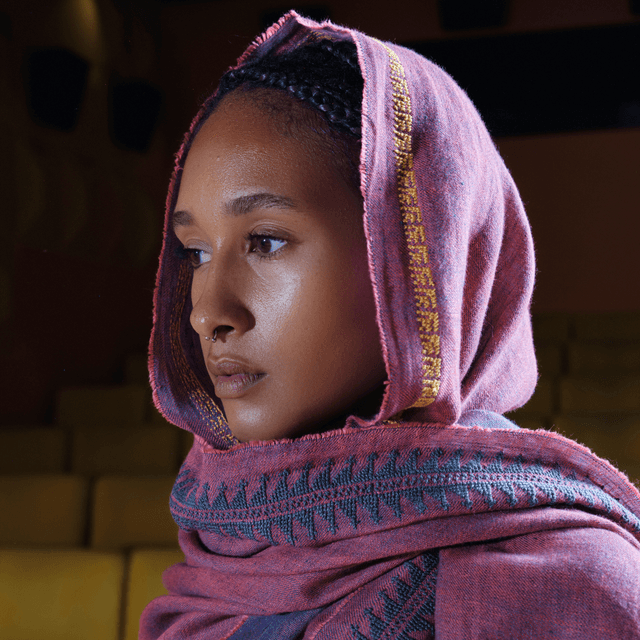
SEP is an ethical, handmade luxury label, founded in Geneva in 2013 by former investment manager Roberta Ventura and Stefano D'Ambrosio. SEP started as a project designed to become a brand that gives refugees dignified, fairly paid work, reinterpreting traditional Palestinian cross-stitch embroidery in contemporary fashion and lifestyle pieces. The range includes embroidered keffiyehs, linen, cashmere and silk shawls, cashmere hoodies, scarves, beanies and T-shirts, plus bags and home linens. Signature pieces include the Alhambra Keffiyeh, the Sultan Han hoodie, the Beehive cashmere hoodie and embroidered linen tablecloths. Every piece is hand-embroidered by Palestinian and Syrian refugee artists in Jordan's Jerash and Azraq camps, while many base fabrics, such as linen and cashmere, are made in Italy. SEP Jordan was founded in 2014 and began operations in 2015, and the business model is built to directly advance at least six of the UN Sustainable Development Goals, including no poverty and reduced inequalities. SEP is a certified B Corp and an independent social enterprise, incorporated in Jordan and Switzerland. It runs a boutique in Geneva and has collaborated with artivist Charlotte Ensaigne on a limited edition briefcase.

Story mfg. featured image

Story mfg.

UK · Est. 2013 · Luxury

Story mfg. is a sustainable UK designer clothing label for men and women, founded in Brighton in 2013 by husband-and-wife team Saeed and Katy Al-Rubeyi. With backgrounds in trend forecasting and menswear, the couple set out to make garments that did not already exist, starting with a naturally dyed, handwoven denim and developing their own fabrics from scratch rather than buying ready-made cloth. Its gender-neutral collections include bomber jackets, shirts, knitwear, trousers, shorts and tees, with signature pieces such as the Seed Bomber, the Greenhouse Shirt and the Grateful Tee. Everything is handmade in India by a team of artisan dyers, weavers, embroiderers and tailors. Story mfg. uses only natural plant dyes such as myrobalan, Indian redwood, pomegranate and natural indigo fermented in a large vat whose water is reused. Craft techniques include hand embroidery, block printing, appliqué, hand crochet and patchwork made from production offcuts, and the label is vegan. Early on it sold from a pop-up shop on the founders' London canal boat. It has since been stocked by LN-CC and Goodhood, profiled by British Vogue and i-D, and opened its first permanent store in Brighton in 2022.

Chillax featured image

Chillax

Turkey · Est. 2014 · Affordable

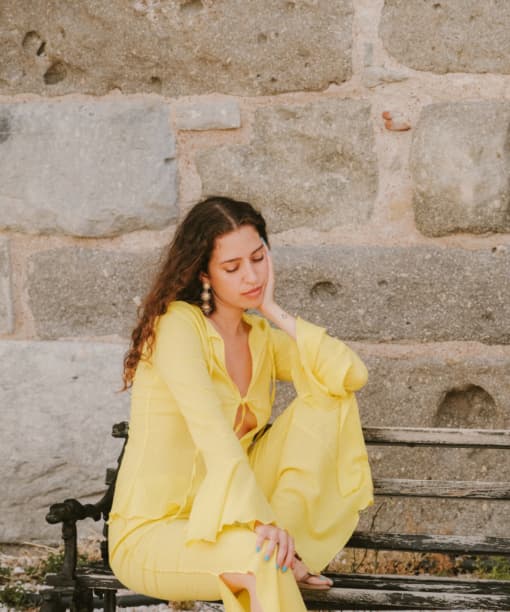
Chillax is a sustainable, handmade Turkish clothing label for women, founded in Istanbul in 2014 by Figen Ceken Bayraktar and Guvenc Bayraktar. A family business, the brand takes its name from chill and relax, reflecting its philosophy of enjoying every moment while feeling comfortable physically and mentally. It was born from a love of natural fabrics, an appreciation for handcraft and a desire to act with an environmentally conscious approach, believing women should not have to choose between fashion and the future. The collection centres on everyday resort wear, including kimonos, kaftans, maxi dresses, matching sets, tops and trousers, alongside crochet pieces, hats and bags. Clothing is made in Turkey, with every cut, stitch and fastening done by hand in limited editions. Chillax prefers deadstock fabrics such as cotton, viscose and linen, giving pre-existing fabric a new life. Tailors place patterns to minimise waste, and leftover fabric is upcycled into scrunchies, tops and shorts. A local workshop supports women collaborators in home-based production, and packaging is made from recyclable materials. Chillax sells its slow fashion pieces through its own online store and ships worldwide from Istanbul.

Maydi featured image

Maydi

Argentina · Est. 2014 · Luxury

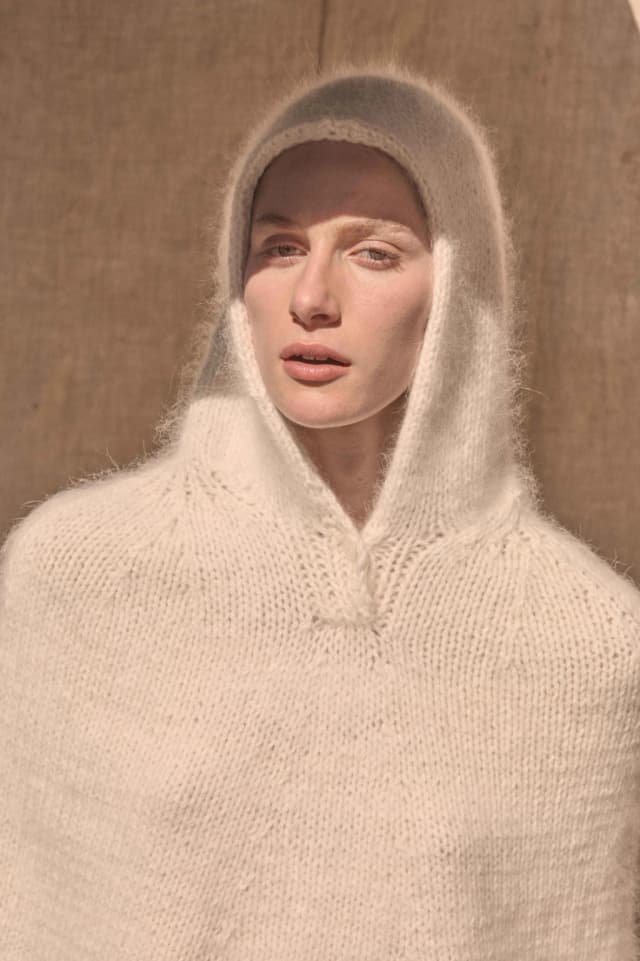
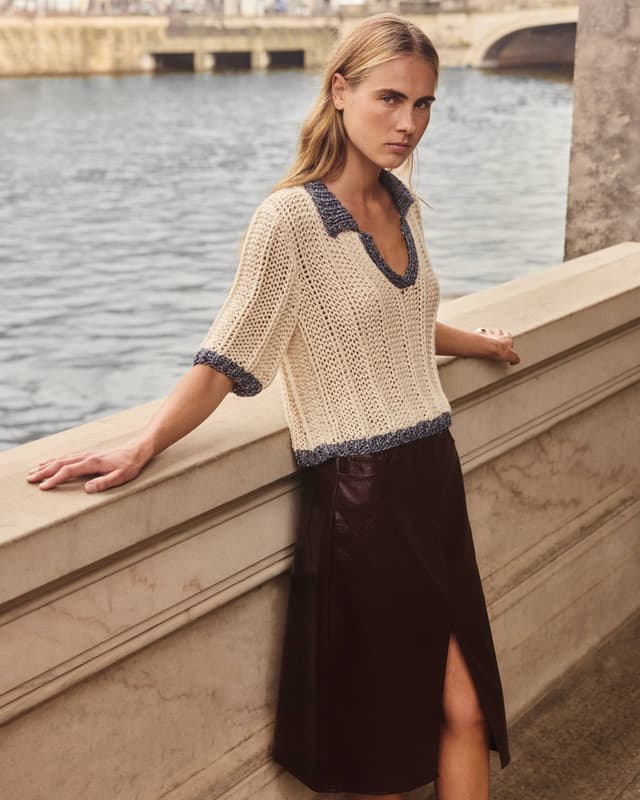
Maydi is an Argentine designer knitwear label for women, founded in Buenos Aires in 2014 by María Abdala Zolezzi. A self-taught designer and the brand's creative director, she works to highlight Argentina's cultural and textile heritage. Maydi creates contemporary, handmade luxury knitwear that blends ancestral techniques with refined, modern design, guided by a vision of luxury that values depth over surface. The range includes sweaters, cardigans, capes, jackets, skirts and bodysuits, plus shawls, collars, scarves, hats, gloves and bags. Signature pieces include the Sweater Mar, the Campera Marino, the Falda Aronnax and the Capa Pacífico, and the label also offers made-to-measure pieces. Every piece is handmade in Argentina from local natural fibres such as merino wool, mohair, guanaco and espartillo. Maydi holds Wildlife Friendly certification, reflecting its aim of creating without causing harm to the environment and wildlife where its fibres come from. The label remains independent and is led by its founder from Buenos Aires. One recent collection explores our relationship with the sea, about moving forward with care and finding beauty beyond the obvious.

Payal Khandwala featured image

Payal Khandwala

India · Est. 2012 · Luxury

Payal Khandwala is an Indian designer, minimalist luxury clothing label for women, founded in Mumbai in 2012 by Payal Khandwala and Vikram Ramchandani. Born in Bombay in 1974, Khandwala grew up among painters and dressmakers and graduated with honours in Fine Arts and Illustration from Parsons School of Design in New York. She painted full time for a decade before showing at fashion week in 2012, and her husband Vikram now runs the business while she leads design. Known for colour-blocking, pleats and sculptural silhouettes, the label makes kurtas, shirts, tops, trousers, skirts, dresses, jumpsuits, jackets, capes and lehengas, plus dupattas and jewellery, with pieces such as the Pleated Kurta, the Pleated Kimono Cape and the Silk Brocade Lehenga. Everything is made in India. Its textiles are conceived at the source on its own looms in Benares and Bengal, woven by master weavers it has worked with from the start, and garments are hand-finished at its Colaba atelier. Pieces are limited in quantity and never on sale, because it believes the world needs better clothes, not more. Khandwala, a member of the Fashion Design Council of India, won Society magazine's Young Achievers Award for Fine Arts in 2007.

Kayleigh Peddie featured image

Kayleigh Peddie

Canada · Est. 2014 · Affordable

Kayleigh Peddie is a Canadian lingerie and swimwear label for women, founded in Montreal in 2014 by designer Kayleigh Peddie. She launched the label with handmade lingerie before adding swimwear, and every piece is still made in Montreal, in small-batch and made-to-order collections. Keeping production local and small allows the brand to avoid overproduction and to take custom orders. The swimwear is known for bold prints, with pieces such as the Sadie string bikini, the Link and Vero halter tops and swim thongs like the Len and Luna. The lingerie range includes the Robbi Picot bra and thong, the Game Bra and the Core thong, along with tank tops and multi-packs of thongs. Collections are released in small batches, and made-to-order pieces are sewn by hand once they are ordered rather than produced in bulk. Kayleigh Peddie is an independent brand owned and run by its founder and designer, and it sells through its own online store.

K M by L A N G E featured image

K M by L A N G E

Ukraine · Est. 2016 · Mid-range

K M by L A N G E is a sustainable designer clothing label for women, founded in Barcelona and Vinnytsia in 2016 by Kateryna Lanhe and her sister Marina Lange. Kateryna, known as Kati, studied international law in Madrid and worked in a Barcelona law firm before turning to fashion, inspired by childhood memories of her mother crafting clothes from scratch in Soviet-era Ukraine. The brand creates timeless pieces rooted in Ukrainian heritage. The collection includes womenswear and jewellery across capsules such as Zemlia, Motanka, Palyanytsia and Hà Nội, alongside an upcycled capsule and curated vintage. About 85% of pieces are designed, developed and crafted in Ukraine and the rest are made in Spain, often in runs of five to ten units. Ukrainian craftswomen over 60 hand-embroider and crochet selected pieces, and the women behind every piece are paid fairly. Around 85% of its fabrics are organic, recycled or deadstock, and the brand upcycles vintage clothing to minimise waste. K M by L A N G E has shown at 080 Barcelona Fashion and been profiled by Traveler and Vanitatis. Part of its profits support Ukrainian associations helping women and children affected by the war.

Kamaali featured image

Kamaali

India · Est. 2008 · Luxury

Kamaali is an Indian designer, sustainable occasion-wear label for women, founded in Delhi in 2008 by Kamaali Mehta. Mehta studied fashion design at Pearl Academy of Fashion and later specialised in bridal, evening and party wear at the London College of Fashion. Kamaali Pret was her first label, but her love of bridal couture soon shifted her focus to Kamaali Couture, which she runs with her sister Shruti. In March 2022 the sisters relaunched Kamaali Pret to bring the style, structure and polish of their couture work to luxurious ready-to-wear. The range includes kaftans, co-ord sets, skirt sets, anarkalis, lehenga sets, dresses, capes, shirts and pants, with pieces such as the Aira Lehnga Set, the Amani Anarkali Set, the Alya Kaftan and the Akiko Drape Dress. Everything is made in India. The label's flowing, strategic cuts are designed to flatter women across generations and allow for changing sizes through life, with a stated aim to be second skin. A collaboration with Bemberg is a core part of its ethos, using the more sustainable fabric to achieve comfort without compromising on the final look.

Rags2Riches featured image

Rags2Riches

Philippines · Est. 2007 · Affordable

Rags2Riches is a sustainable Filipino clothing and accessories label, founded in 2007 in Payatas, Quezon City, by Reese Fernandez-Ruiz with a group of young professionals. It began by working with community artisans who turned scrap fabric into rugs, helping them earn fairly from their skills, and has grown into a social enterprise known as R2R. R2R makes intentional, multi-way pieces such as the 4-Way A-Line Skirt and Convertible Terno Top, along with wrap skirts, vests, tops, shorts and dresses. It is also known for handbags like the Buslo, Pusô and Saranggola Bags, wallets, travel bags and home goods such as pillows, poufs and rugs. Everything is handmade in the Philippines by partner artisan communities. Its pieces are woven in the signature R2R weave from upcycled textiles, cotton and local fibres, combining design with traditional handcraft and fair pay for artisans. Fernandez-Ruiz received a Rolex Award for Enterprise as a Young Laureate in 2010 for her work with Rags2Riches, which remains an independent social enterprise working with artisan communities across the Philippines.

Diarrablu featured image

Diarrablu

Senegal · Est. 2013 · Mid-range

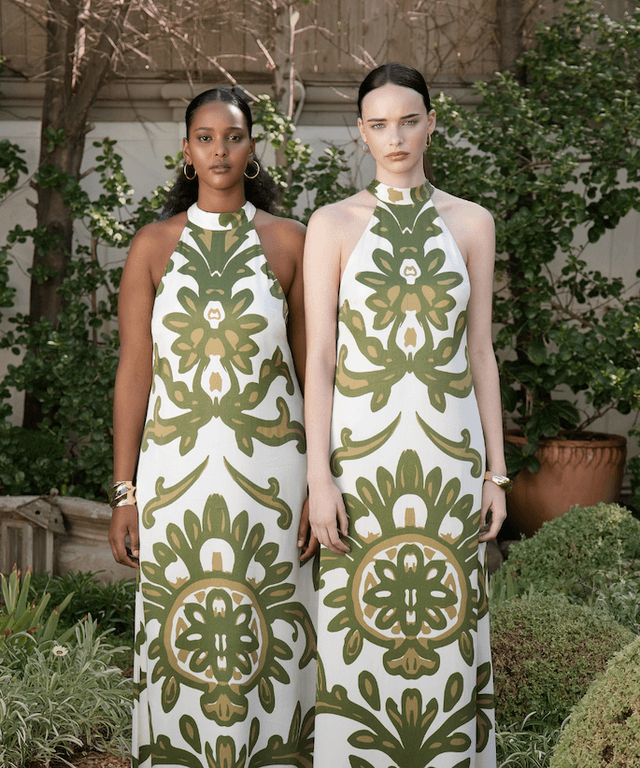
Diarrablu is a sustainable designer clothing label for women, founded in 2013 by Senegalese designer Diarra Bousso. Born in Dakar, Bousso earned a master's degree in mathematics at Stanford and worked on Wall Street as a structured products trader before resigning to follow her passion for design. The brand launched its first ready-to-wear collection in 2015, aiming to merge the worlds of artisans and algorithms. Diarrablu sells bold-printed dresses such as the Tubi and Satu Dress, Genie and Jant Pants, kimonos, swimsuits, skirts and jumpsuits in sizes XS to 3XL, plus headwraps and bags. Most pieces are designed in California and handcrafted in a family-run workshop in Dakar, Senegal. The label combines traditional Senegalese artisan techniques with creative mathematics and AI. Bousso uses her own algorithms to design prints and silhouettes virtually, and every garment is made to order to avoid excess stock and textile waste. Many designs are convertible, and fabrics include linen, organic cotton, lyocell, cupro and FSC-certified viscose. Diarrablu has been featured by Vogue, and Bousso, a TED speaker, has spoken at institutions such as Harvard, Stanford and MIT.

Michel & Amazonka featured image

Michel & Amazonka

Mongolia · Est. 2015 · Mid-range

Michel & Amazonka is a Mongolian luxury designer clothing label for women and men, founded in Ulaanbaatar in 2015 by sisters Yanjindulam "Michel" Choigaalaa and Nyamkhand "Amazonka" Choigaalaa. The fashion house is led by their third sister, CEO Munkhjargal Choigaalaa, and is known for "prêt-à-couture" that reinterprets traditional Mongolian garments such as the deel. Its collections include evening gowns, couture bridal pieces, bespoke designs and limited ready-to-wear lines for women and men, as well as kids' clothing, gifts and home items. Everything is made in Mongolia, using techniques such as hand embroidery and appliqué. The designs combine symbolic Mongolian details, such as archer's sleeves, birds, mountains and the Nine White Banners, with European-inspired silhouettes, using cashmere, wool, silk and cotton. From the outset the brand has committed to becoming one of the first sustainable fashion houses in the region. Michel & Amazonka designed Team Mongolia's uniforms for the Tokyo 2020 Olympics, and its flag-bearer uniforms for Beijing 2022 were selected for the Olympic Museum. Its deel-inspired Paris 2024 Olympic uniforms went viral worldwide, drawing coverage from Dazed and WWD, and the brand was profiled by Forbes in 2019.

MIRTH featured image

MIRTH

USA · Est. 2016 · Mid-range

MIRTH is an American contemporary womenswear label, founded in Houston in 2016 by sisters Katie McClure and Erin Breen. After years of travel, the sisters landed in India in 2014 and were inspired by its vibrant communities, rich culture and heritage textiles. There they found the "mirth" behind the name, meaning amusement expressed in laughter, and the mission to start their own line. The label began with caftans and now makes easy, modern resort wear designed for long voyaging and slow living. Its range includes caftans and dresses such as the Alba Dress and Barcelona Short Dress, tops like the Adelaide Pointelle Knit Top, the Baden Pant, knitwear including the Aspen Pullover and Cusco Waterlily Cardigan, robes such as the Laos Robe, and bandanas. MIRTH is ethically produced in India and Peru, with knitwear made in Peru since 2022. Most of its fabrics are handmade and sourced from artisan communities, and the sisters design their own fabrics with makers using techniques such as handloom weaving and hand block printing. Nearly all of the work happens in rural villages, helping sustain heritage crafts and bringing consistent, dignified employment. The family-owned brand has a store in Houston.

Bibico featured image

Bibico

UK · Est. 2007 · Mid-range

Bibico is a sustainable UK clothing label for women, founded in Bath in 2007 by designer Snow (Nieves). Raised in northern Spain, Snow studied fashion in France and designed for Zara and other high street retailers in Madrid, Sydney and London, before leaving to find a fairer way of making clothes. Her husband Tim joined as COO in 2009, and the name comes from her childhood nickname, Bibi. Bibico makes simple clothes with unique details: jumpers such as the Layla and Alma Jumper, wool vests and gilets, dresses, blouses like the Ada Blouse, Anna Trousers, skirts and jackets. Two collections a year are produced in small runs, mainly in India and Nepal, with knitwear also made in Bulgaria. The label uses natural and sustainable fabrics such as organic cotton, wool and Tencel. It works with a women's cooperative in Mumbai and a knitting cooperative in Kathmandu, and two of its main makers belong to the World Fair Trade Organization. Bibico's first collection sold at Topshop Oxford Circus. In 2010 it won best ethical fashion brand at the Ethical Fashion Show in Paris, and it opened its Bath shop in 2017.

Kamperett featured image

Kamperett

USA · Est. 2015 · Luxury

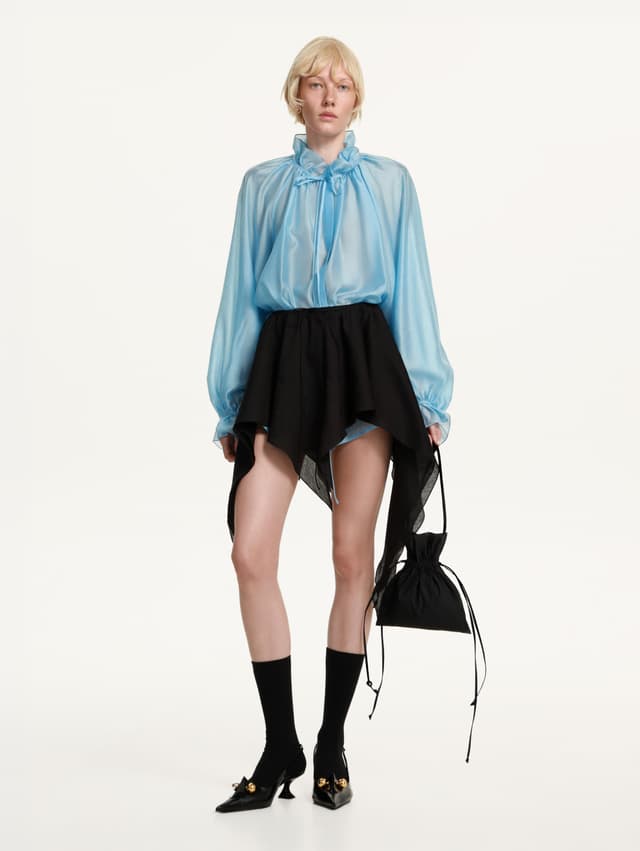
Kamperett is an American luxury womenswear label, founded in San Francisco in 2015 by Anna Chiu and Valerie Santillo. The name blends their mothers' maiden names. Chiu previously worked at Ksubi and Santillo is a former Cynthia Rowley designer, and together they built a collection focused on quality fabric, refined tailoring and timeless design for the modern, discerning woman. Styled KAMPERETT, the label is known for romantic, refined dresses, especially sheer silk organza pieces with considered details. Its dresses include the Metronome Gown and Midi, the Agnes and Caroline slip dresses and the Adelaide Midi, with gowns such as the Glissade and Ines. It also makes the Anemoia Blouse, Alix silk crepe pants, the Orere Blazer, Orra swimwear, basics, outerwear, wedding dresses and bridal accessories such as veils. Kamperett takes an intentional approach to sustainability, with every piece designed and made in California. It works with high-quality fabrics such as silk organza and silk crepe, and says all its deliveries are carbon neutral. The independent brand is owned and run by its co-founders and has a flagship at 3686 20th Street in San Francisco's Mission District, open by appointment, as well as other retailers.

R

Revivall

USA · Est. 2008 · Mid-range

Revivall is a sustainable, handmade clothing label for women, founded in Bozeman in 2008 by Laura Lee Laroux. After seeing the scale of waste in New York's fashion industry in the early 2000s, Laura vowed to use recycled materials in her creations, and she has been upcycling ever since. Revivall describes itself as a slow fashion lifestyle brand encouraging the revival of a simpler way of life through responsibly sourced, folk-inspired goods. The label makes modern homestead clothing with a vintage, prairie feel: skirts, pinafores, dresses, tops and vintage-style petticoats. Recent pieces include the White Bear Skirt, the Cotton Prairie Skirt, the Long Wool Pinafore and the Vintage-Style White Cotton Petticoat. Its approach rests on three pillars: responsible sourcing, zero-ish waste and local making. Products are made from recycled materials and deadstock fabrics, keeping hundreds of bolts of fabric out of landfill each year, and even small scraps are turned into new pieces. Everything is handmade in the USA by a team of independent seamstresses. Revivall is women-owned and operated, and it sells mainly through its own online store.

Swoon featured image

Swoon

India · Est. 2017 · Affordable

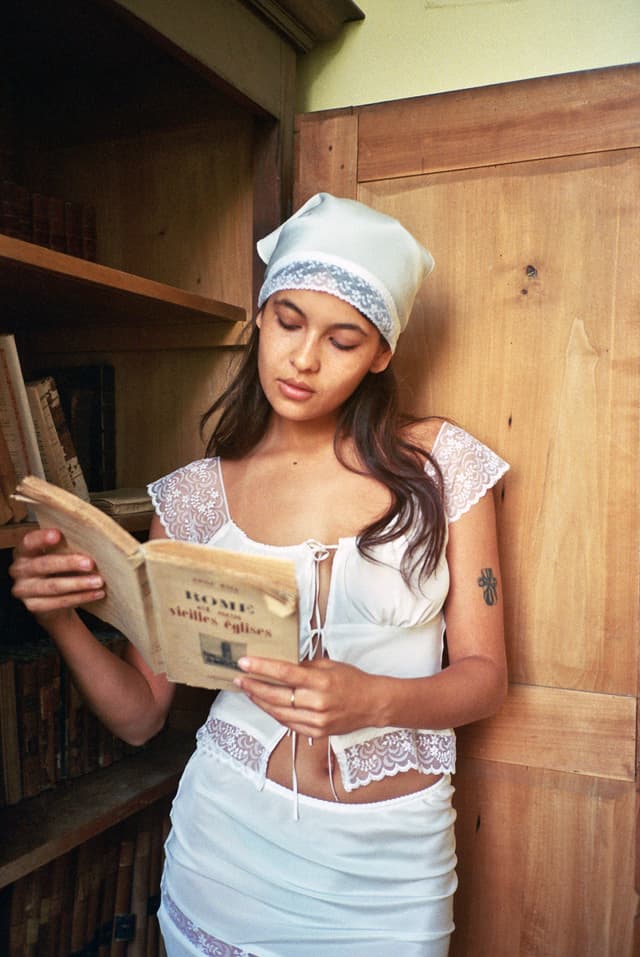
Swoon is a minimalist Indian designer clothing label for women and kids, founded in Gurugram in 2017 by designer Sakshi Astir. Its designs are relaxed, comfortable and fluid yet distinctive, with a slightly bohemian, vintage sensibility that reflects a wanderer's experience told through contemporary cuts and luxurious Indian fabrics. Most outfits come in pristine whites, ivory, ecru and earthy pastels and are versatile enough to wear from day to night. The range includes women's dresses, co-ord sets, tops and trousers, alongside Swoon baby and kids' clothing such as rompers, dresses, coordinated sets, gift sets, bibs and hair accessories. Everything is made in India from soft cottons and voiles, with signature styles like the Amour Dress pairing embroidery with contrasting lace. Handcraft sits at the heart of the label. Swoon actively works to revive handmade lace in India and specialises in French lace, crochet, handmade lace and macramé, combined with pleats and pin tucks. Collections such as Earthen use breathable crochet fabric in earthy hues, produced in small batches. The brand follows a zero-waste initiative, using all its waste fabric in packaging as part of a sustainable, eco-friendly approach to manufacturing.

Amrich featured image

Amrich

India · Est. 2011 · Luxury

Amrich is an Indian designer, handmade luxury clothing label for women, founded in New Delhi in 2011 by Richard Pandav and Amit Vijaya. The textile and clothing label is a labour of love for the two designers, both graduates of the National Institute of Design in Ahmedabad, who draw on their long engagement with Indian handlooms and craft traditions. It was conceived as a statement on the luxury of the handmade and the richness of Indian artisanship. The label offers chic separates, including shirts, tops, tunics, dresses, trousers, jackets, coats and overlays, with pieces such as the Alina Dress, the Diana Dress, the Charli Shirt, the Alize Tunic, the Juna Trousers, the Aviva Jacket and the Mehri Coat. Everything is made in India. Amrich's signature techniques are shibori and other resist dyeing, hand block printing and hand-weaving, using hand-crafted natural textiles. It focuses on smaller-batch production, treating each piece as a work of art. Its collections often begin with an artistic idea; the AW 2021/22 Colour Play collection was inspired by the light paintings of artist Stephen Knapp. It has its own store in Sujan Singh Park, New Delhi.

SIZ featured image

SIZ

Portugal · Est. 2016 · Mid-range

SIZ is an ethical, sustainable European designer clothing label for women, founded in Sesimbra, Portugal in 2016 by twin sisters Raquel Rodrigues and Sofia Rodrigues. The sisters studied fashion together at the University of Lisbon's Faculty of Architecture and launched the brand after their internships, wanting to prove that sustainable fashion could be creative, colourful and fun. Its style pairs "clean and crafty" in an urban, casual look. The collection includes dresses, tops, shirts, trousers, skirts, jackets, jumpsuits and coordinated sets. Signature pieces include striped sets introduced in 2020 and a thin-strap summer dress reinterpreted every year. Garments are made in Portugal: the sisters design, make patterns, cut and sew in their Sesimbra atelier, working with local seamstresses in small batches produced to the rhythm of sales. Each yearly collection is built around an environmental or social cause, from climate change to ocean pollution and overconsumption. Much of the clothing uses deadstock fabrics, with organic and natural fibres used when deadstock runs short, while a take-back programme keeps garments out of landfill. SIZ has been profiled by the Portuguese magazine NiT and A Sustainable Closet, and in 2026 opened a two-month pop-up in Lisbon.

MaisonCléo featured image

MaisonCléo

France · Est. 2016 · Mid-range

MaisonCléo is a French designer label for women, founded in Calais in 2016 by Marie Dewet and her mother, Nathalie, who sewed the brand's first garments. The mother-daughter label makes romantic, feminine clothing by hand and to order, with a focus on silk dresses and blouses trimmed with Calais lace. The range includes dresses, blouses, skirts, cardigans, coats, bridal pieces and accessories. Every piece is handmade to order in its studio-atelier in the north of France, and any design can be made to measure. Signature pieces include the Madeleine silk dress with a Calais lace train, the Isaure muslin silk dress, the Constance silk blouse, the Javotte flared silk skirt, the Ramona lace cardigan and the Berthe organza veil. MaisonCléo uses only leftover fabrics from French couture houses and factories, such as silk and Calais lace. It is also transparent about how each garment is made, sharing details such as fabric costs and making time. The brand remains independent and run by Marie Dewet, and it has created exclusive pieces for Net-a-Porter, Selfridges and Printemps.

GUNIA Project featured image

GUNIA Project

Ukraine · Est. 2019 · Luxury

GUNIA Project is a Ukrainian designer label for handmade clothing and objects, founded in Kyiv in 2019 by Natalia Kamenska and Maria Gavryliuk. The two designers met while working in fashion and began with ethnographic expeditions across Ukraine, meeting artisans and exploring museum archives. Their goal is not to replicate tradition but to reinterpret it for everyday life. The range includes embroidered shirts, dresses, coats, knitwear, silk headscarves and jewellery, plus glassware and ceramics. Signature pieces include the Afiia, Aneta and Arsena embroidered shirts, the Tomila Embroidered Dress, the Solomiia Coat and the Adam and Eve Silk Headscarf. The first collection, of naive icon-inspired ceramics, guta glass and silk scarves, was presented at the National Museum of Ukrainian Folk Decorative Art. GUNIA works with more than 150 artisans across Ukraine and nine techniques, including embroidery, weaving, knitting, glassblowing, wood carving and ceramics. Since 2022 it has initiated or supported over 30 charitable and community projects. Its pieces have been presented to figures such as Emperor Naruhito and Brigitte Macron. The brand remains independent and run by its co-founders.

The Knotty Ones featured image

The Knotty Ones

USA · Est. 2014 · Mid-range

The Knotty Ones is a European handmade knitwear label for women, founded in 2014 by Lithuanian friends Danutė Rasimavičiūtė, Sandra Pangonytė and Akvilė Meškauskaitė-Dobrajs, and based between Vilnius and New York. The three met at grad school in 2011, having grown up in knits made by their grandmothers. Proud of their Baltic heritage, they design elevated, timeless pieces inspired by the Baltic Sea, Lithuanian meadows and the country's pagan roots. The collection includes merino wool sweaters such as the Bangos, cardigans and vests, silk and mohair dresses like the Eglutė, crochet cotton dresses, tops, shorts, socks and accessories. Every piece is made in Lithuania, hand-knitted by a community of more than 40 female artisans, many of them mothers in rural villages and small towns. The female-founded brand pays its knitters a living wage and gives them financial independence and a voice in their communities. It uses only 100% natural yarns, OEKO-TEX certified dyes and plastic-free buttons and packaging, works with local artists who hand-dye with herbs and produces in small batches. The Knotty Ones has been worn by Hilary Duff and Margaret Qualley.

Desray featured image

Desray

South Africa · Est. 1995 · Affordable

Desray is a South African designer, handmade clothing label for women, founded in Cape Town in 1995. What began as a love for beautiful fabrics and flattering design has grown into a proudly local, family-run brand committed to slow fashion, premium quality and purposeful production; the website does not name an individual founder. Its designs are inspired by timeless European style, with classic tailoring, beautiful textures and flattering cuts, interpreted through a South African lens. The range covers tops, tees, pants, knitwear, dresses, ponchos, jackets and coats, plus bags, footwear and accessories. Signature pieces include the Black Oversize Pullover, the Caramel Long Poncho, the Bardot Top, the Corduroy Verna Pants, the Flamestitch Moon Dress and the Charcoal Oversize Lux Coat. Most clothing is made in Cape Town, with some pieces made in Mauritius and India. Every garment is created with attention to detail and crafted by South African hands, often in limited editions. Some of its knitwear is certified to GOTS, the Global Recycled Standard or the Responsible Wool Standard. Desray designs for women who value quality over quantity and care about how and where their clothing is made, and it sees itself as part of a local community.

Maiami featured image

Maiami

Germany · Est. 2004 · Luxury

Maiami is a German designer knitwear label for women, founded in Berlin in 2004 by creative director Maike Dietrich. It began with a small number of hand-knitted sweaters and is built on the principle of handmade luxury, offering a modern perspective on the traditional craft of knitting. Its clear, contemporary aesthetic sits between quiet minimalism and effortless expressiveness. The collections focus on sweaters, cardigans and knitted tops, including bomber cardigans, pullovers, knitted T-shirts, jackets and a bridal knitwear line. Signature pieces include the Alpaca Mix Melange Bomber Cardigan, the Shaggy Alpaca T-Shirt, the Merino Raglan Pullover and the Bridal Cashmere Bomber Cardigan. Maiami is known for refined colour stories and innovative textile surfaces. It works mainly with alpaca, merino wool, mohair and cashmere, with some cotton pieces, and its knitwear is made in Peru, Poland and Bosnia and Herzegovina. The label has grown organically and remains independent, led by its founder. It is sold in around 150 boutiques, concept stores, department stores and online retailers across four continents.

Can't find what you're looking for?

We add new sites every week but if you have a specific request, let us know.

About handmade clothing brands

A curated selection of handmade clothing brands across independent labels working with small-scale production and hands-on techniques.

What you'll find here:

  • A curated list of handmade clothing brands in one place
  • Independent makers and studios using manual processes
  • A mix of emerging designers and smaller, craft-led labels
  • Pieces shaped by technique, detail, and slower production

Handmade clothing is defined by how it's made. Many handmade clothing brands work with processes like hand stitching, natural dyeing, weaving, or small-batch construction, where the method of making directly influences the final piece.

Across this selection, some brands focus on traditional techniques, while others apply handmade processes to more contemporary designs. The variation comes from how each label approaches scale—some produce one-off pieces, while others maintain small, repeatable collections.

The brands listed here are independent and process-driven, with a clear emphasis on craftsmanship. Production tends to be limited, and variations between pieces are often part of the outcome rather than a flaw.

If you're exploring a list of handmade clothing brands, this page offers a straightforward way to browse different approaches within the space. The handmade clothing brands featured here vary in style, but each reflects a more direct and hands-on way of making clothing.

Frequently asked questions

What are handmade clothing brands?
Handmade clothing brands create garments using manual techniques such as hand stitching, weaving, or small-batch production.
What makes handmade clothing brands different?
They focus on craftsmanship and process, often producing smaller quantities compared to mass-produced clothing.
Where can I find a list of handmade clothing brands?
You can explore a curated list of handmade clothing brands on platforms like From The Labels.
Are handmade clothing brands sustainable?
Some follow sustainable practices, including small-batch production and use of natural materials.
Why are handmade clothing brands more expensive?
They can be more expensive due to the time, skill, and labour involved in each piece.
Are handmade clothes better quality?
Many focus on detail and durability, though quality depends on the brand and materials used.
Who should choose handmade clothing brands?
They are suited for those who value craftsmanship, individuality, and a more hands-on production approach.