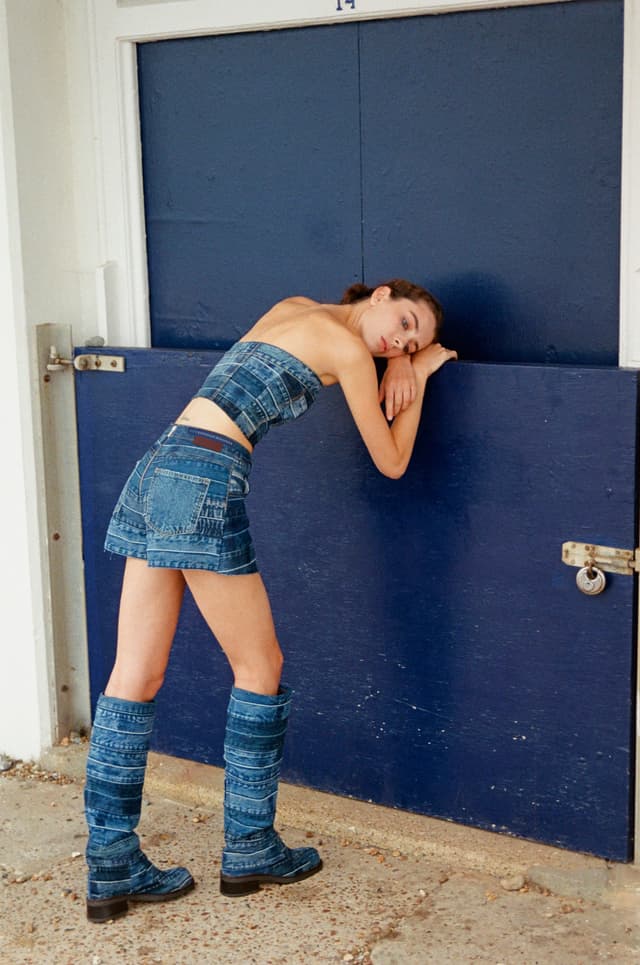
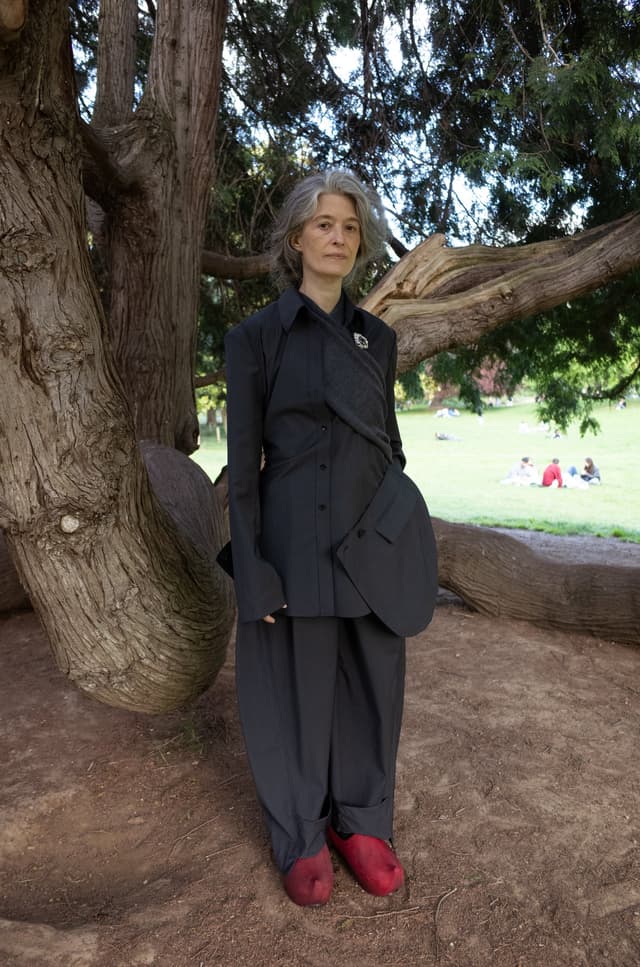
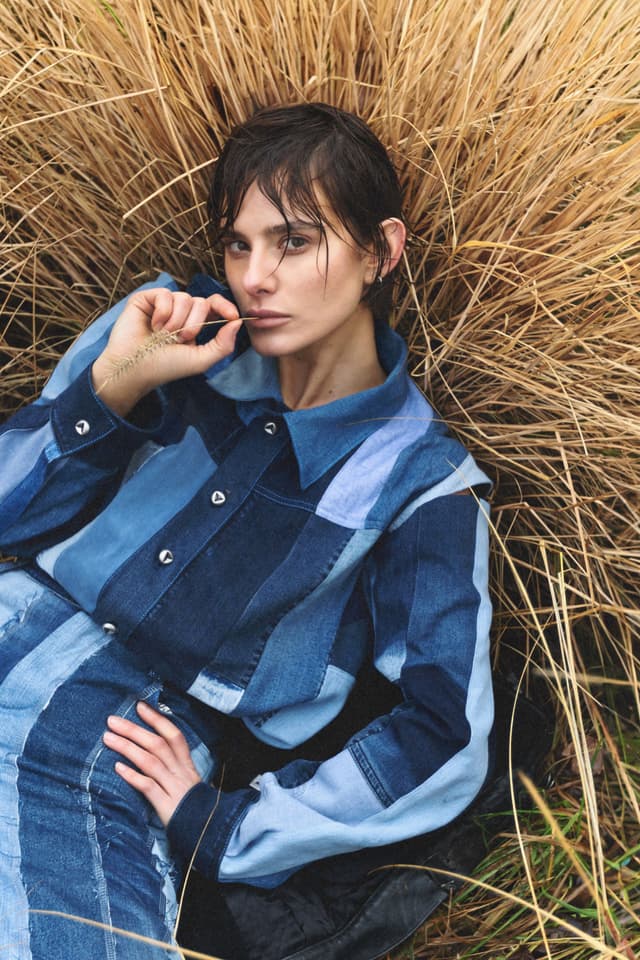
Upcycled Clothing Brands

Discover 30+ upcycled clothing brands focused on reusing materials and reducing waste through thoughtful design. Brand listings highlight key details that help compare approaches, categories, and style direction across upcycled fashion.

Brands

K M by L A N G E featured image

K M by L A N G E

Ukraine · Est. 2016 · Mid-range

K M by L A N G E is a sustainable designer clothing label for women, founded in Barcelona and Vinnytsia in 2016 by Kateryna Lanhe and her sister Marina Lange. Kateryna, known as Kati, studied international law in Madrid and worked in a Barcelona law firm before turning to fashion, inspired by childhood memories of her mother crafting clothes from scratch in Soviet-era Ukraine. The brand creates timeless pieces rooted in Ukrainian heritage. The collection includes womenswear and jewellery across capsules such as Zemlia, Motanka, Palyanytsia and Hà Nội, alongside an upcycled capsule and curated vintage. About 85% of pieces are designed, developed and crafted in Ukraine and the rest are made in Spain, often in runs of five to ten units. Ukrainian craftswomen over 60 hand-embroider and crochet selected pieces, and the women behind every piece are paid fairly. Around 85% of its fabrics are organic, recycled or deadstock, and the brand upcycles vintage clothing to minimise waste. K M by L A N G E has shown at 080 Barcelona Fashion and been profiled by Traveler and Vanitatis. Part of its profits support Ukrainian associations helping women and children affected by the war.
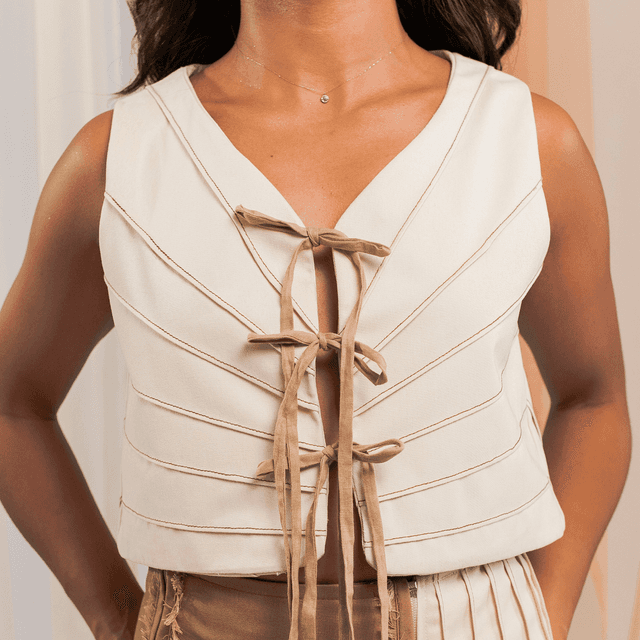
Rags2Riches featured image

Rags2Riches

Philippines · Est. 2007 · Affordable

Rags2Riches is a sustainable Filipino clothing and accessories label, founded in 2007 in Payatas, Quezon City, by Reese Fernandez-Ruiz with a group of young professionals. It began by working with community artisans who turned scrap fabric into rugs, helping them earn fairly from their skills, and has grown into a social enterprise known as R2R. R2R makes intentional, multi-way pieces such as the 4-Way A-Line Skirt and Convertible Terno Top, along with wrap skirts, vests, tops, shorts and dresses. It is also known for handbags like the Buslo, Pusô and Saranggola Bags, wallets, travel bags and home goods such as pillows, poufs and rugs. Everything is handmade in the Philippines by partner artisan communities. Its pieces are woven in the signature R2R weave from upcycled textiles, cotton and local fibres, combining design with traditional handcraft and fair pay for artisans. Fernandez-Ruiz received a Rolex Award for Enterprise as a Young Laureate in 2010 for her work with Rags2Riches, which remains an independent social enterprise working with artisan communities across the Philippines.

Bode featured image

Bode

USA · Est. 2016 · Luxury

Bode is an American luxury designer clothing label for men and women, founded in New York in 2016 by Emily Adams Bode Aujla. Raised in Atlanta and trained in menswear and philosophy at Parsons, she worked in the studios of Marc Jacobs and Ralph Lauren before launching a first collection made entirely from antique textiles. Each season is built around a personal story drawn from American history and culture. Bode makes shirts, trousers, suits, jackets, coats, knitwear, dresses and skirts, including the Beaded Blackjack shirt, the Alphabet Pullover and one-of-a-kind pieces cut from vintage quilts and linens. Much of the clothing is made in India and Portugal, with other pieces made in the USA. Its upcycled, handmade approach preserves historical textiles and traditionally female crafts such as quilting, mending, appliqué and beading. Bode Aujla was the first woman to show at New York Fashion Week: Men's, in 2017. She won the CFDA Emerging Designer award in 2019, was a 2019 LVMH Prize finalist, received the Karl Lagerfeld Award for Innovation at the 2020 International Woolmark Prize and was named CFDA American Menswear Designer of the Year in 2021 and 2022.

LilaBare featured image

LilaBare

Kenya · Est. 2017 · Mid-range

LilaBare is a Kenyan sustainable clothing label, founded in Nairobi in 2017 by Ria Sejpal. The designer is a multidisciplinary artist with South Asian, Kenyan and British roots who calls herself the "mad scientist" behind the label, and her work bridges heritage craft and innovation. The slow design studio values process over speed and craftsmanship over volume, making seasonless pieces meant to become future heirlooms. The label makes dresses, shirts, tops, trousers, kimonos, blazers, jackets, vests, skirts and cardigans in relaxed, considered silhouettes, released in limited runs. Signature pieces include the Ananas Blazer, crafted from handwoven pineapple waste, as well as the Navo Dress, the Hawa Pants Handloom, the Mahi Kimono and the Kazi Shirt. Every piece is designed, dyed, assembled and finished in Nairobi with a network of more than 250 local farmers, spinners, weavers, dyers and embroiderers. Fabrics are mostly engineered in-house from rain-fed cotton and agricultural waste fibres, about 85% of East African origin, and colour comes from botanical dyes such as avocado skins and seeds and tea residue. Some collections rework vintage saris, and buttons are made from upcycled metals, reclaimed shells and coconut and wood waste.

Jess Meany featured image

Jess Meany

USA · Est. 2019 · Mid-range

Jess Meany is an American upcycled designer clothing label for women, founded in Los Angeles in 2019 by Jess Meany. Meany started the brand after a 12-year career in textile development left her dreaming about how to love the materials that already exist on the planet. Her designs present layers of loved textiles with femme feelings, inspired by the dust of the West, the keepsake heritage of America and the picnics and pastimes of spring and summer. The collection features loosely tailored, low-impact pieces such as quilt coats, cropped coats, Laguna shirts, Olivia jackets, tops and skirts. Every piece is handmade in the USA, designed and sewn in the brand's Los Angeles studio. Most pieces are one-of-a-kind or limited, because Meany searches across the country for deadstock, vintage, obsolete and forgotten materials, from quilts and redwork embroidery to lace and organza. This upcycled, locally made approach keeps production small and sustainable. Jess Meany has been featured by Voyage LA and Sheesh Magazine, and the label is sold through Garmentory.

B SIDES featured image

B SIDES

USA · Est. 2016 · Luxury

B SIDES is an American denim label for women, founded in 2016 by vintage collectors Claire Lampert and Stacy Daily and based in New York. Its name comes from the B side of a record, where the deep cuts live. Rooted in the singular character of vintage Levi's gathered across the American West, the brand began as an archive of rare jeans and has since grown into a full ready-to-wear collection. Alongside reworked vintage Lasso denim, B SIDES makes its own jeans such as the Plein High Straight, the Slim Lasso Jean, the Bec Jean and the Charlot Jean. Its ready-to-wear includes the Classic Cardigan in washed cashmere, Donegal Zip Knit Jackets, Pocket Tanks, the Myrr Snap suede jacket and the Duffel Coat. The brand produces its pieces in small batches from natural fibres such as cotton, wool, cashmere and silk, made by artisans who have spent generations refining their techniques, with product pages naming New York and Los Angeles. Patterns are cut from scratch. B SIDES is independent and run by its co-founders, with a studio in New York City and a store at 445 Warren Street in Hudson, New York.

KUON featured image

KUON

Japan · Est. 2016 · Luxury

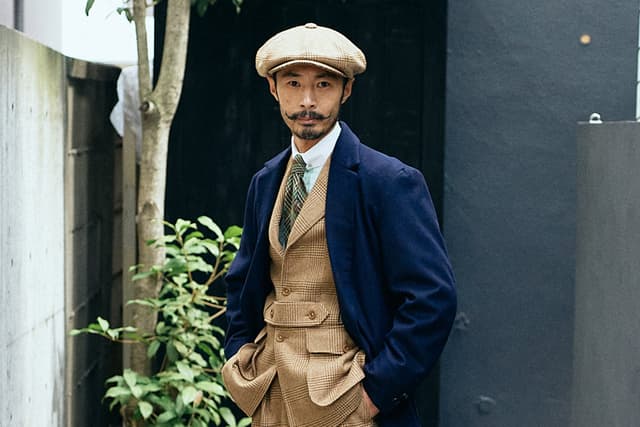
KUON is a Japanese designer clothing label for men, founded in Tokyo in 2016 by Arata Fujiwara, with designer Shinichiro Ishibashi. Ishibashi apprenticed with an established Tokyo tailor and worked as a pattern maker at a high-end brand showing in Paris before becoming KUON's designer. The name means eternity, the remote past or the future, and permanence, reflected in its motto: "New things become old, but beautiful things remain beautiful." KUON makes jackets and coats such as the Sashiko Crest Snow Parka and Dorozome MA-1, shirts, T-shirts, sweatshirts, hoodies, vests, hakama trousers and denim, plus caps, bags and one-of-a-kind vintage boro pieces. Everything is made in Japan. The label combines traditional boro patchwork, sashiko stitching, sakiori weaving and mud dyeing with Western clothing, revitalising vintage textiles. It upcycles boro with the Otsuchi Sashiko Project in Iwate, which supports recovery from the 2011 earthquake, and its sakiori is woven by people with disabilities at Sakkora Japan. KUON won the Tokyo Fashion Award in 2018, which took it to Pitti Uomo and the showroom.tokyo in Paris, and runs a flagship store in Tokyo.

HODAKOVA featured image

HODAKOVA

Sweden · Est. 2021 · Luxury

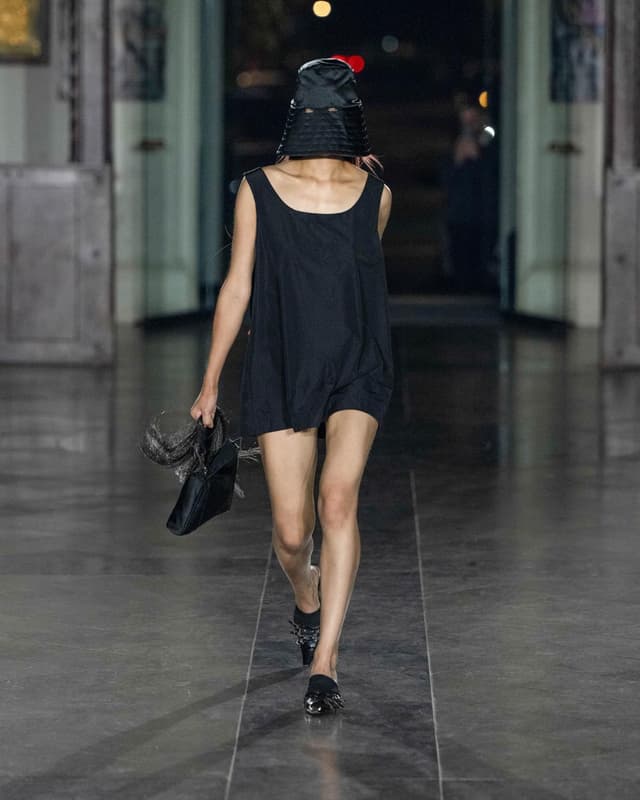
HODAKOVA is a sustainable European designer clothing label for women, founded in Stockholm in 2021 by Ellen Hodakova Larsson. The label converts discarded materials of the finest quality into one-of-a-kind pieces, using methods from the past to tell a story of time. Larsson's stated aim is to build a fully sustainable fashion house and change how people think about the value of existing things. The collection covers dresses, tops, skirts, shirts, blazers, suit trousers, trench coats and leather jackets, alongside bags, shoes and printed matter. Signature pieces include the Pinched Blazer, the Upside Down Trenchcoat, pillowcase dresses and the Riding Boot Bag. Everything is made by hand at its Stockholm atelier in Sweden. HODAKOVA's upcycled garments are draped and composed from repurposed fabrics and objects such as old leather, wool, bed linen and existing clothes. Collections often include a surprising object turned into fashion, such as a dress made from her father's attaché case or a dress built from spoons. The label shows at Paris Fashion Week, and in 2024 Larsson won the LVMH Prize for Young Fashion Designers, which came with a 400,000-euro endowment and a year of mentoring from LVMH.

Facettes Studio featured image

Facettes Studio

France · Est. 2023 · Luxury

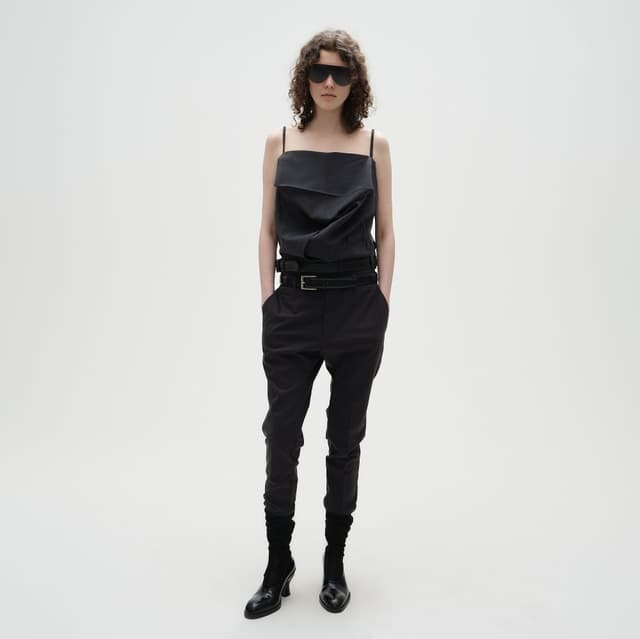
Facettes Studio is a minimalist French designer clothing label for women, founded in Paris in 2023 by Marie-Laure Dumon. A Paris-born designer with around ten years of fashion experience, including six in New York, Dumon set out to redefine the modern, timeless wardrobe without compromising on durability. Her signature style is masculine-feminine, with structured yet fluid designs inspired by the 70s and 90s that can be worn from morning until night. The label focuses on tailoring, including blazers, tuxedo-style jackets, trousers, waistcoats, skirts and dresses in wool flannel, wool twill, gabardine, cotton velvet and washed linen. Pieces are designed in Paris and made in France by Atelier Masla, a workshop in the 18th arrondissement, and by carefully selected workshops in the Paris area. Facettes Studio upcycles existing deadstock fabrics from French and Italian luxury houses, with natural fabrics woven in France, Italy or Japan, and bans synthetic fibres such as polyester and polyamide. It works in small editions rather than seasonal collections, with some styles offered on preorder to avoid overproduction. Working without intermediaries, the independent label skips seasonal sales and welcomes customers to its Paris studio by appointment.

Permanent Vacation featured image

Permanent Vacation

France · Est. 2017 · Mid-range

Permanent Vacation is an upcycled, gender-neutral designer clothing label, founded in New Delhi and Paris in 2017 by Caroline Piccot. After years in the refined world of Parisian luxury fashion, Piccot began making singular garments for friends, and the project found new purpose when she immersed herself in Indian handcraft. Its first pieces took shape during the monsoon in Goa in 2017, made from vintage saris, before the studio found its home in New Delhi. The label makes shirts, dresses, tops, skirts, jackets, trench coats, trousers and hats, often as unique pieces or limited editions not tied to gender. Everything is handmade in India in close collaboration with skilled artisans in small workshops with fair working conditions. Collections do not follow the fashion calendar but unfold as stories inspired by the fabrics found. Each piece begins with a journey through India to collect vintage cotton and silk saris, alongside khadi, ikat, linen and silk. The brand also uses deadstock fabric from factories and turns every leftover scrap into small accessories or patchwork, aiming for zero waste. Permanent Vacation has been featured by NZZ Bellevue, Platform Magazine, Blumenhaus and LBB Delhi.

Proto-Types featured image

Proto-Types

Switzerland · Est. 2021 · Luxury

PROTOtypes is an upcycled, gender-neutral European designer clothing label, founded in Zurich in 2021 by Laura Beham and Callum Pidgeon. The two met while sharing a desk at Vetements: Beham, originally from Germany, joined the Vetements team in Paris at a young age, while Pidgeon, from the UK, studied menswear at University of the Arts London and also worked for Martine Rose. They launched the label to challenge how fashion is produced and consumed, regenerating material that already exists in abundance. The ready-to-wear collections include jackets, tops, trousers, dresses, knitwear and hoodies cut from deadstock fabric, decommissioned uniforms, vintage garments, football scarves and household textiles, and are made in Switzerland. Series 06 reworked late-1990s and early-2000s football kits into corsets, joggers and padded hoodies as a tribute to the sport's working-class roots. Inspired by Duchamp's readymades, the designers want each garment's origin to stay visible. Their Proto Packs offer manuals and sewing patterns so anyone can recreate Second Life styles at home, such as turning two old sweatpants into a hoodie. PROTOtypes received a Swiss Design Award for fashion and textile design in 2024 and has been profiled by Highsnobiety and PAPER Magazine.

Sejauh Mata Memandang featured image

Sejauh Mata Memandang

Indonesia · Est. 2014 · Mid-range

Sejauh Mata Memandang is a sustainable Indonesian textile and clothing label for women, men and kids, founded in Jakarta in 2014 by Chitra Subyakto. Subyakto began her career in 2001 as a stylist and writer at CosmoGirl! Indonesia and went on to design costumes for more than 25 films, winning Best Costume Design at the 2016 Indonesian Film Festival for Athirah. Her love of Indonesian textiles and culture led her to start the label. The brand makes kebaya, shirts, tops, dresses, wrap skirts, pants, outerwear, shawls and kain, plus bags, hair accessories, home decor and upcycled goods. Everything is made in Indonesia with local artisans using batik cap, hand-screen printing, handweaving and embroidery. Sejauh Mata Memandang follows the principles of circularity, designing each piece to be reusable, repairable, biodegradable and recyclable, and working with cotton, Tencel and recycled fabrics while upcycling leftover textiles. The label is a certified B Corporation and has collaborated with artists such as Eko Nugroho. To mark its tenth anniversary in 2024, it launched Studio Sejauh, a collaborative space connecting farmers, artisans, small businesses and communities to build Indonesia's textile sovereignty.

Rafael Kouto featured image

Rafael Kouto

Switzerland · Est. 2017 · Mid-range

Rafael Kouto is a Swiss upcycling and community couture label, founded in Losone, Switzerland, in 2017 by designer Rafael Kouto. Swiss with Togolese origins, he studied fashion design at FHNW-HGK in Basel, earned an MA in Fashion Matters from the Sandberg Instituut in Amsterdam, and worked at Alexander McQueen, Maison Martin Margiela, Carven and the Ethical Fashion Initiative. His gender-fluid garments have a visionary, hybrid aesthetic merging West African and Swiss culture. The label creates upcycled clothing and accessories and runs upcycling workshops with various institutions, with a particular focus on open source design and craftsmanship. Every piece is remade in Switzerland using local manufacturing and traditional, artisanal couture techniques. The brand works exclusively with pre- and post-consumer upcycling and sustainable fabrics, turning textile waste, deadstock, cotton, wool, denim and leather into new garments. Kouto won the Lotto Sport and Diesel International Talents Support Award in 2019 and the Swiss Design Awards in 2018, 2019 and 2023. The label has collaborated with Lotto Sport, Mode Suisse, the Zürich Silk Association and Bernina Switzerland, and has been featured in Vogue UK, Vogue Italia and Dazed.

KSENIASCHNAIDER featured image

KSENIASCHNAIDER

Ukraine · Est. 2011 · Luxury

KSENIASCHNAIDER is a Ukrainian designer label known for upcycled denim, founded in Kyiv in 2011 by husband-and-wife duo Ksenia and Anton Schnaider. Ksenia leads the creative direction, while Anton brings a background in graphic design. The brand challenges norms with innovative twists and a re-design, re-work mindset, summed up in its motto "design minus design": if it can be reused, recycled or upcycled, it should be worn again. The range includes jeans, skirts, jackets, bombers, trenches, tops and dresses, made in its own production facilities in Ukraine. Signature pieces include its Asymmetrical Jeans, Demi-Denims and Denim Fur jackets, as well as its flying cat print. The workshops rework about 500 pairs of jeans a month, and the label also uses certified organic fabrics by Indigo Textile, made from hemp, recycled yarns and organic cotton. KSENIASCHNAIDER has won Best Ukrainian Sustainable Fashion Brand and Best Ukrainian Menswear Designer several times since 2018, and PETA Deutschland's Best Jeans Style award in 2021. Ksenia was nominated as a Next Green Talent by Vogue Italia in 2019, and in 2022 Kering selected the brand for a Pitti Uomo showcase of sustainable labels.

Collina Strada featured image

Collina Strada

USA · Est. 2008 · Luxury

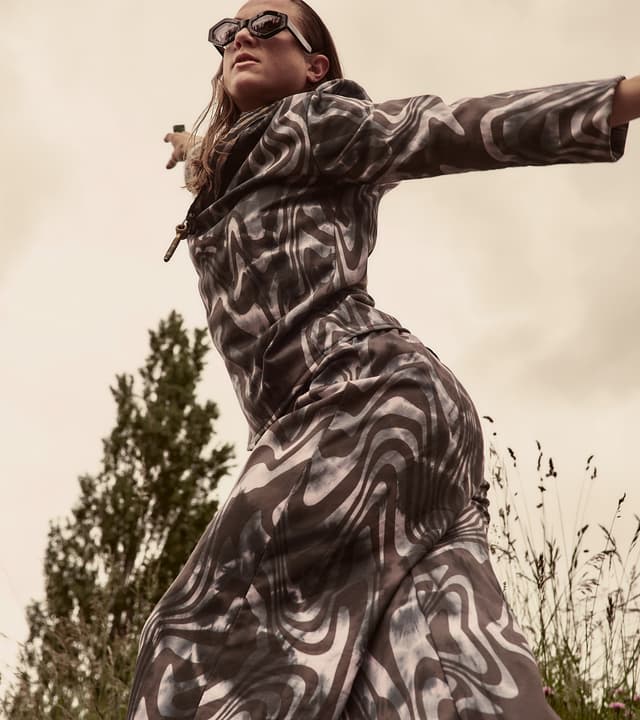
Collina Strada is an American designer label for women and men, founded in Los Angeles in 2008 by Hillary Taymour and now based in New York. Taymour started it as a handbag line before moving to New York, and she remains its creative director. The brand describes itself as a platform for social issues and awareness, and Taymour's aim is to stay true to her craft while becoming a fully sustainable and radically transparent brand. Its clothes are easy to wear, with a fearlessly fluid attitude, re-invented classics and unexpected details, embodying humour and youth. Collina Strada is known for colourful prints, upcycled materials and cult-favourite sweatshirts. Pieces include the Cardio Yuri Dress, the Lawn Skirt Cargo Pant, the Esme Top, the Gathered Hoodie, graphic tees and the Pawpaw Coat, along with rhinestone water bottles, jewellery, upcycled wedding dresses and a lifestyle line called CollinaLand. The brand is based and manufactured in New York, with some pieces made in Portugal, China, Italy and Turkey, and it often uses deadstock and upcycled fabrics. Collina Strada is independent and led by Taymour. It sells online and through stores such as Selfridges, Ssense, Lane Crawford and Nordstrom.

Sydney Pimbley featured image

Sydney Pimbley

UK · Est. 2019 · Luxury

Sydney Pimbley is an upcycled UK designer clothing label for women, founded in London in 2019 by designer Sydney Pimbley. A graduate of Central Saint Martins' BA Fashion Design with Knitwear and a recipient of the LVMH Grand Prix Scholarship, Pimbley worked in the couture studio of Maison Margiela, assisting John Galliano, before launching her slow fashion brand. Inspired by her Welsh heritage, she builds ethical luxury collections on the principles of sustainability and authenticity. The label creates dresses, skirts, trousers, shorts, jackets, tops and accessories, many of them one-of-a-kind or made in very small runs. Pieces are handmade in the United Kingdom, using fabrics, trims and embroidery collaged from vintage sources and finished with layers of hand detailing. Her upcycled approach reworks antique and vintage textiles such as silk, cotton and wool rather than relying on new fabric. After the birth of her first child in 2025, Pimbley dedicated her 2026 collection to celebrating the female body through lush antique fabrics. Sydney Pimbley's work has appeared in Vogue Italia, i-D, The Face, Teen Vogue, WWD, Sleek and Metal Magazine. She took part in P.LACE.S, a SHOWstudio and MoMu Antwerp lace exhibition and film.

Litkovska featured image

Litkovska

Ukraine · Est. 2009 · Luxury

Litkovska is a Ukrainian luxury designer label for women, founded in Kyiv in 2009 by designer Lilia Litkovska. Born in Kyiv into a family of four generations of tailors and garment makers, she studied patternmaking and art history and launched her namesake brand at 27. Known for architectural tailoring that transforms with its wearer, the label follows the motto "There is no wrong side": pieces can be worn inside out, deconstructed or reshaped. The range includes jackets, coats such as the Reversible-Shearling Hourglass Coat, tops, shirts, dresses, gowns, skirts, pants, jeans and knitwear. It also makes bags such as the Besagy Bag and the transformable Zip Bag, bag charms and table runners. Clothing is made by hand in Ukraine in wool, denim, leather and silk. In 2018 Litkovska launched its Artisanal line, which shreds and reweaves production leftovers into new textiles on traditional looms, and in 2020 the founder started SCHOOLL, an art and craft school for emerging designers. Litkovska shows on the official Paris Fashion Week schedule and is sold by more than 60 retailers in 20 countries, including Dover Street Market. Its founder was named among Forbes' 50 Women Leaders of Wartime Ukraine.

The Series NY featured image

The Series NY

USA · Est. 2016 · Mid-range

The Series NY is a gender-neutral, upcycled American designer clothing label, founded in New York in 2016 by Ella Wiznia. Wiznia started the brand while recovering from an eating disorder, wanting to make clothing that felt different from the unrealistic bodies she saw in fashion advertising. Learning about the industry's environmental impact, she committed to working only with secondhand and sustainable materials, and the label champions clothing without gender, for all bodies. The Series makes one-of-a-kind jackets, quilted chore jackets, shirts, shorts, jeans, pinafores and accessories from vintage quilts, crochet blankets, embroidery, antique and deadstock textiles. Every piece is made from start to finish in New York by its small in-studio team or skilled local artisans. The brand celebrates crafts long tied to domesticity and undervalued as "women's work", choosing damaged or unfinished quilts rather than cutting up pieces in perfect condition. Apart from some crochet made with organic fibres, garments use only pre-existing materials, and its makers set their own rates to earn a living wage. The Series has been featured in Lampoon Magazine, appeared in Vogue's street style coverage of New York Fashion Week and held a residency at Burke Mercantile.

Chereshnivska featured image

Chereshnivska

Ukraine · Est. 2016 · Mid-range

Chereshnivska is a Ukrainian unisex designer label, founded in Lviv in 2016 and led creatively by designer Anastasiya Rozava. Rozava joined the team that year after winning Lviv Fashion Week's Sabotage competition, and the brand is run alongside co-founder and CEO Iryna Kokhana. Focused on innovation and sustainability, it creates art-driven clothing that reflects the modern world, with every collection built on a strong core idea. The range includes shirts like the Art Brut Shirt, tops, printed sweatshirts, dresses, trousers, upcycled jeans, skirts and shorts, plus jackets such as the Upcycled Jeans Jacket, the Upcycled Jeans Trench and the Hand Woven Unisex Jacket. Most pieces feature unique hand-drawn prints by Rozava. Clothing is made in Ukraine in very limited quantities. The label rescues forgotten denim and handcrafts it into new pieces, and set a goal of making half of its production from recycled items, alongside new fabrics such as wool and silk. Chereshnivska has shown at Lviv Fashion Week and Ukrainian Fashion Week and has been listed among London Fashion Week designers. It remains an independent label.

Marine Serre featured image

Marine Serre

France · Est. 2016 · Luxury

Marine Serre is a French luxury designer label for women and men, founded in Paris in 2016 by designer Marine Serre. A graduate of La Cambre in Brussels who worked at Balenciaga, Serre builds her collections around what the brand calls the Regenerated Rule: rethinking how fashion is made by giving existing materials a new life. The label is best known for its crescent Moon print, used on second-skin tops and leggings, ribbed tanks, knitwear and dresses. It also makes upcycled pieces from end-of-life garments and deadstock fabrics, leather such as the Glossy Moon Leather Perfecto, bags, jewellery, footwear and hats. About half of each show is made from upcycled materials and the rest mostly from certified and recycled fibres. Upcycled materials are sourced in Europe, then sorted, washed and treated at its Paris headquarters before going to manufacturing partners in Europe, and each upcycled piece carries a label stating its material, origin and place of transformation. Marine Serre won the LVMH Prize in 2017, has collaborated with Under Armour and French chairmaker Chaisor, and opened its first store in South Korea with a partner.

Deadwood Studios featured image

Deadwood Studios

Sweden · Est. 2012 · Luxury

Deadwood Studios is a Swedish upcycled leather label for men and women, founded in Stockholm in 2012 by Carl Ollson and Felix von Bahder. The pair met working together in a Stockholm jeans shop and went on to open their own store, mixing curated vintage with up-and-coming brands. When they struggled to find leather jackets they liked and could afford, they began making their own from vintage garments, and Deadwood was born. As chief designer, von Bahder aims to create timeless designs that age well. The label makes leather and suede jackets, coats, pants, shirts, dresses, shorts, bags and caps, with many unisex styles. Pieces include the River Biker Jacket, the Angel Slim Jacket, the Romy Oversized Jacket, the Ellis Oversized Leather Parka, the Stanley Blazer and the Drama Leather Dress. Deadwood makes its collections from production leftovers, rejected skins, deadstock materials and factory offcuts, and its vision is for 80% of its materials to be recycled or upcycled. It also uses plant-based alternatives such as Cactus leather and Fine Mycelium. The independent brand has been featured in Vogue, the Financial Times and The New York Times.

Ioana Ciolacu featured image

Ioana Ciolacu

Romania · Est. 2010 · Mid-range

Ioana Ciolacu is a Romanian designer label for women, founded in Bucharest in 2010 by designer Ioana Ciolacu. With a background in architecture, she approaches clothing through construction, proportion and movement, then lets something shift: a line runs further than expected, volume interrupts the body and structure gives way to softness. A London College of Fashion graduate, she has worked with Stella McCartney. The range includes dresses such as the Khaki Cable Dress, Dahlia Dress, Ripple Balloon Dress and Spiral Dress, blouses, corsets, crop tops, bodies, shorts and Balloon Trousers, plus the Fold Jacket. Accessories include gloves, socks, tights and bags. Each collection is developed through material experimentation and produced in Romania with a close network of local manufacturers. The label treats sustainability as a design constraint rather than a claim: fewer, considered pieces, local production, responsible materials such as deadstock fabrics, cotton, silk and linen, and garments made to last. Ciolacu won the Designer for Tomorrow award in 2013. The independent fashion house has been carried internationally by retailers including Farfetch, Moda Operandi and Zalando.

correll correll featured image

correll correll

Germany · Est. 2006 · Mid-range

correll correll is a sustainable designer label for women, founded in Berlin in 2006 by twin sisters Daphne Correll and Vera Correll. The German-born textile artists launched the label with handmade knitwear and later moved to New York, and today they work between a workshop in Brooklyn and a studio in Berlin. Their approach reinterprets traditional crafts such as dyeing, knitting, weaving and crocheting in the context of luxury fashion, built around circles, squares and triangles. The label makes unisex and womenswear including T-shirts, longsleeves, sweatshirts, tanks, dresses and skirts, plus silk velvet pillows and kids' styles. Pieces include the Velvet Circle Sweatshirt, the Gin Pon Tee, the Boucle Dress, the Long Summer Waves Button Dress and the Triangle Silk Skirt, and its gradient circle T-shirts are hand-dyed in the New York workshop. Production happens in-house in Brooklyn with local knitters and seamstresses. The sisters choose certified organic cotton, cupro, Tencel, hemp and recycled blends, and they cut and shred deadstock fabric and vintage T-shirts into raw material for their knits. In 2012 correll correll was one of the winners of the Ecco Domani Fashion Foundation award.

Carleen featured image

Carleen

USA · Est. 2012 · Mid-range

Carleen is an American upcycled clothing label for women, founded in 2012 by Kelsy Parkhouse and based in Long Beach, California. The label is named after the middle name Parkhouse shared with her grandmother Connie, and it is inspired by western landscapes, the bright California light and the rich history of American quilting, which informs its aesthetic both visually and metaphorically. Carleen makes truly wearable clothing such as the Big Parka, Quilt Track Shorts, the Patchwork Wrap Jacket, the Smock Mini Dress and Kick Flare Pants, along with shirts, sweatshirts, skirts, ball caps and vintage patches. Everything is made by hand in California. The label is inspired by the patina of vintage textiles. Pieces are made from vintage quilts, feed sacks and deadstock fabrics that Parkhouse sources at places such as the Long Beach flea market and the Rose Bowl, so everything is one-of-a-kind or limited-edition. Carleen has been featured by Vogue and The Cut. Kendall Jenner modelled a pair of two-toned Carleen jeans in a Vogue spread, and Lena Dunham shared a Carleen chevron jacket on Instagram.

Can't find what you're looking for?

We add new sites every week but if you have a specific request, let us know.

About upcycled clothing brands

A curated selection of upcycled clothing brands across independent labels working with existing materials to create new pieces.

What you'll find here:

  • A curated list of upcycled clothing brands in one place
  • Independent upcycling fashion brands using reclaimed or repurposed materials
  • A mix of emerging designers and smaller, design-led labels
  • Pieces created from deadstock, vintage garments, or textile waste

Upcycling starts with what already exists. Many upcycled clothing brands work with leftover fabrics, unused stock, or pre-worn garments, reshaping them into new designs without producing entirely new materials.

Across this selection, some brands focus on one-of-a-kind pieces, where each item differs slightly based on the source material. Others develop smaller collections using similar reclaimed fabrics, creating more consistency while still working within limitations.

The brands listed here are independent and material-driven, with a clear emphasis on reuse. Production is often limited, and variation between pieces is part of the outcome rather than something standardized.

If you're exploring upcycling brands, this page offers a straightforward way to browse different approaches within the space. The upcycled clothing brands featured here vary in style, but each reflects a design process built around reuse rather than new production.

Frequently asked questions

What are upcycled clothing brands?
Upcycled clothing brands create new garments by reusing existing materials such as old clothing, deadstock fabrics, or textile waste.
What is the difference between upcycling and recycling in fashion?
Upcycling transforms existing materials into new pieces without breaking them down, while recycling processes materials to create new fabric.
Where can I find a list of upcycled clothing brands?
You can explore a curated list of upcycled clothing brands on platforms like From The Labels.
Are upcycling fashion brands sustainable?
Many upcycling fashion brands reduce waste by reusing materials, though practices vary by brand.
What are upcycled brands known for?
Upcycled brands are known for limited pieces and variations, as each item depends on available materials.
Are upcycled clothing brands expensive?
Pricing varies, as some pieces are one-of-a-kind and involve more manual work.
Why choose upcycled clothing brands?
They are often chosen for their uniqueness and a more resource-conscious approach to design.