10 Best Natural Face Moisturizers From Independent Brands in 2026
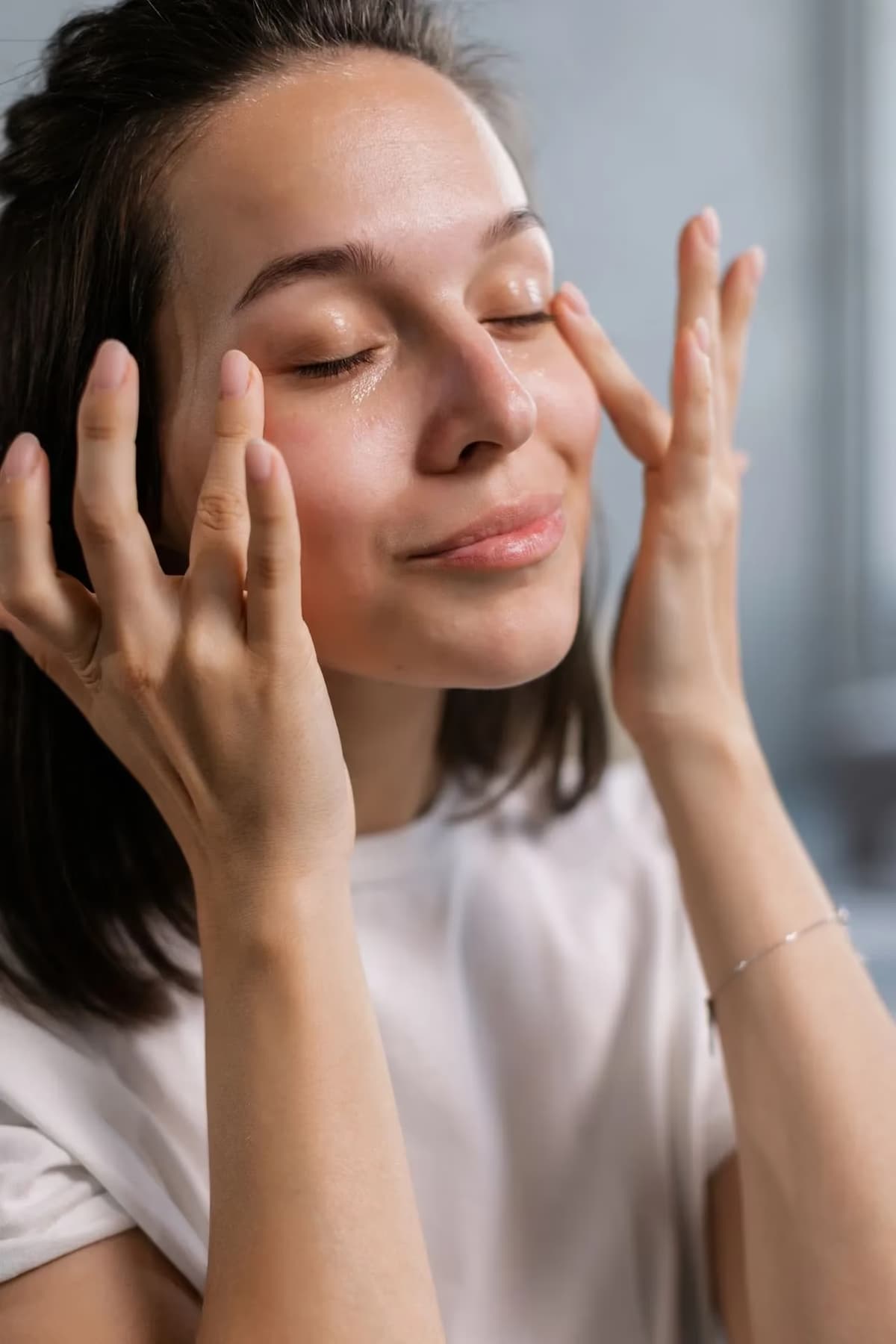
Discover 10 of the best natural face moisturizers from independent brands, reviewed for ingredients, texture, skin type, hydration, performance, and value in 2026.
Finding a natural face moisturizer is not as simple as choosing the product with the greenest packaging. A good formula should provide lasting hydration, support the skin barrier, and feel comfortable without causing congestion or irritation. It is also worth remembering that the FDA has no formal definition for “natural” in cosmetics, and naturally derived ingredients are not automatically safer.
For this guide, we researched natural moisturizers from independent skincare brands, comparing their ingredients, textures, fragrance, packaging, and suitability for different skin types. The final list includes lightweight daily creams, fragrance-free options, and richer formulas for dry skin. Whether you call it a natural face moisturizer or natural moisturiser, these are the products we found most deserving of a closer look in 2026.
Disclosure: Some links in this article are affiliate links. From The Labels may earn a commission if you make a purchase, at no additional cost to you. This does not influence our selections or editorial conclusions.
The Best Natural Face Moisturizers at a Glance
Use this quick comparison to find a natural face moisturizer suited to your skin type and preferred texture. Fragrance details are included because natural extracts and essential oils can still irritate sensitive skin.
Natural Face Moisturizer | Best For | Texture | Fragrance |
Ursa Major Golden Hour Recovery Cream | Best overall | Rich cream | Naturally scented |
Josh Rosebrook Vital Balm Cream Unscented | Dry, fragrance-sensitive skin | Balm-cream | Fragrance-free |
Blissoma Pure Sensitive Care Complex | Red or reactive skin | Lightweight cream | No added fragrance or essential oils |
Evolve Organic Beauty Daily Renew Facial Cream | Everyday moisture | Medium cream | Vanilla and coconut fragrance |
Earth Harbor Mermaid Milk | Normal or combination skin | Lightweight water-based cream | Herbal and fruity botanical scent |
Graydon Berry Rich Face + Eye Cream | Dry skin and barrier support | Rich cream | Natural fruit-and-vanilla aroma |
Mukti Organics Hydrating Moisturiser | Dry or dehydrated skin | Medium cream | Sweet floral botanical scent |
Osmia Purely Simple Face Cream | Lightweight, matte hydration | Light cream | Contains small amounts of essential oils |
Mad Hippie Face Cream | Best affordable option | Lightweight cream | Subtle botanical aroma |
UpCircle Face Moisturiser with Vitamin E | Best upcycled formula | Rich, fast-absorbing cream | Citrus and herbal essential oils |
What Does “Natural Face Moisturizer” Actually Mean?
A natural face moisturizer is a cream, lotion, or balm that uses ingredients obtained mainly from plants, minerals, or other naturally occurring sources to hydrate and soften the skin. Common ingredients include aloe vera, glycerin, squalane, jojoba oil, shea butter, and plant waxes.
“Natural” refers to where ingredients come from, not whether the finished product is safer or more effective. It also does not mean organic, vegan, or fragrance-free. Natural moisturizers may contain preservatives, emulsifiers, and stabilizers to keep the formula safe, consistent, and protected from microbial growth.
How We Selected These Natural Face Moisturizers
We conducted an editorial review of every moisturizer in this guide. Our assessment covered ingredient lists, certifications, brand disclosures, current pricing, packaging and suitability for different skin types.
We also examined recurring feedback across brand and retailer websites, paying particular attention to texture, absorption, scent, comfort and hydration. Products tested firsthand by From The Labels should be clearly identified within their individual reviews.
Only products from brands without a controlling corporate parent were considered. A moisturizer did not qualify through marketing language alone; its formula needed to rely meaningfully on plant-derived, mineral or other naturally sourced ingredients.
10 Best Natural Face Moisturizers From Independent Brands
1. Ursa Major Golden Hour Recovery Cream
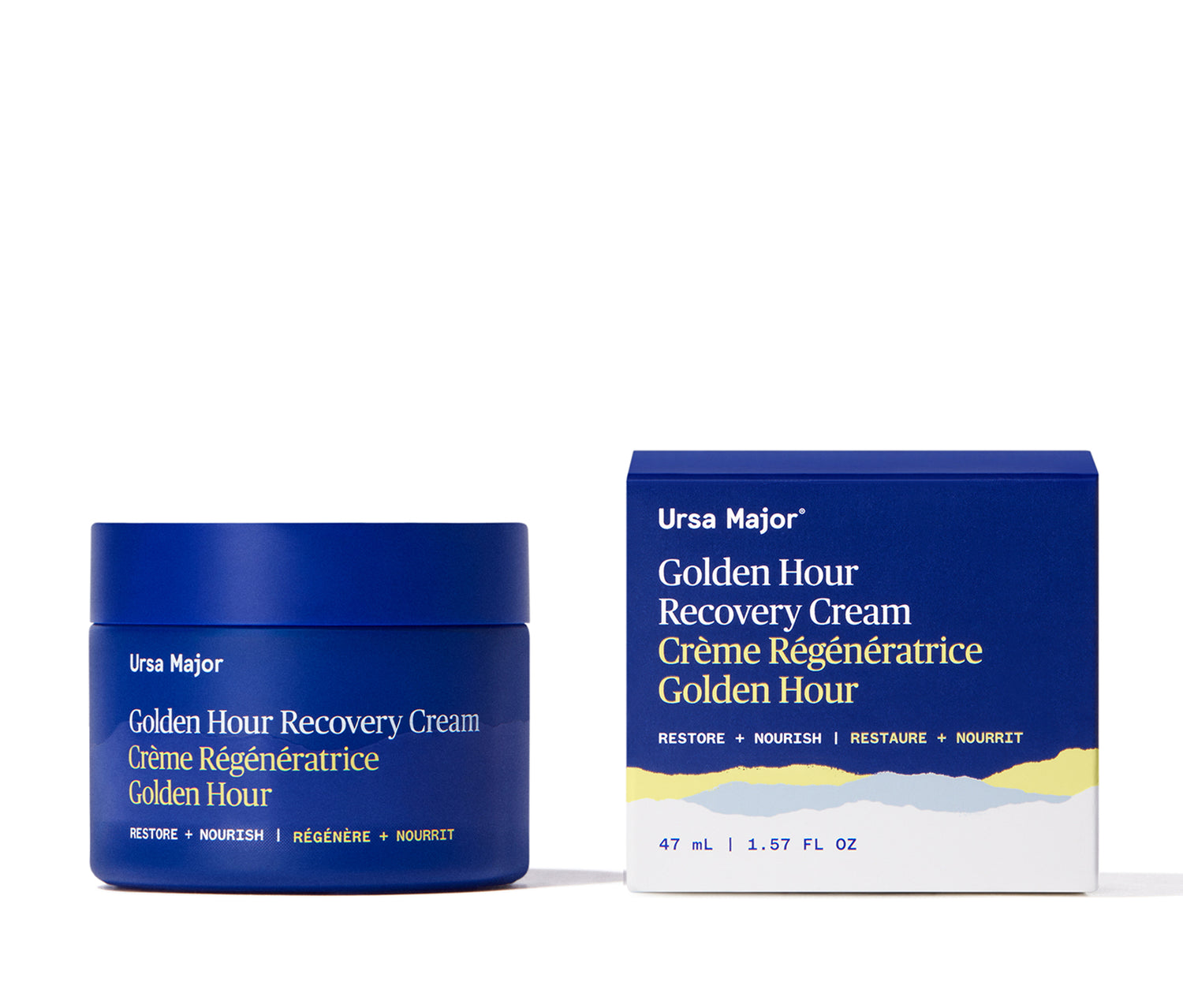
Best overall natural face moisturizer
Best for: Normal, dry and mature skin
Texture: Rich but fast-absorbing
Key ingredients: Sunflower oil, glycerin, sea buckthorn, black currant and calendula
Size and price: 47 ml for $54
Fragrance: Naturally scented with neroli, rose, sandalwood and palmarosa
Golden Hour earned our top spot because it delivers substantial moisture without sitting heavily on the skin. The water-based cream combines glycerin with sunflower and meadowfoam oils, while sea buckthorn, black currant and calendula add fatty acids and antioxidant-rich botanical extracts. It works well as either a daytime moisturizer or a more nourishing night cream.
Across more than 7,500 reviews on the brand’s website and additional retailer feedback, customers repeatedly mention its quick absorption, soft finish, and ability to relieve dryness without feeling greasy. The main point of disagreement is the scent: many enjoy its herbaceous aroma, but it may not suit everyone.
This is not a fragrance-free formula. The essential oils make patch testing especially important for highly reactive skin. It is also expensive for a 47 ml jar, but a small amount spreads easily.
Pros: Deeply moisturizing, absorbs quickly, and works for day or night
Cons: Premium price and unsuitable for people avoiding essential oils
2. Josh Rosebrook Vital Balm Cream Unscented
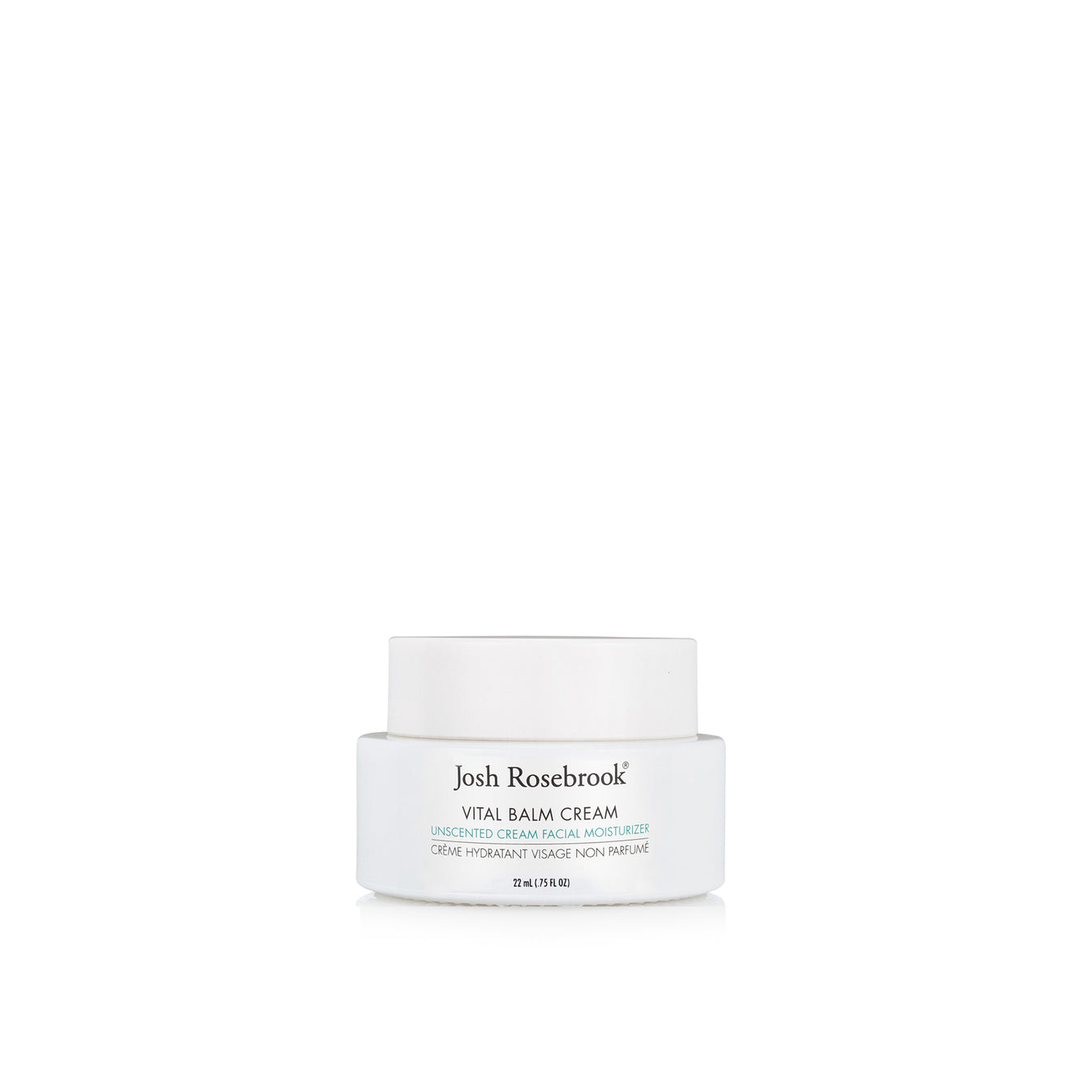
Best natural moisturizer for dry, fragrance-sensitive skin
Best for: Dry, dehydrated, sensitive, and reactive skin
Texture: Rich, whipped balm-cream
Key ingredients: Aloe vera, glycerin, mango butter, avocado oil, jojoba oil, and shea butter
Size and price: 0.75 oz for $55
Fragrance: Fragrance-free and essential-oil-free
Vital Balm Cream Unscented feels closer to a whipped balm than a conventional face cream. The texture is dense at first, but a small amount spreads easily and leaves the skin feeling cushioned rather than coated in grease. Its dewy finish makes more sense for dry skin than for anyone who prefers a barely noticeable gel moisturizer.
Aloe vera and glycerin provide hydration, while mango butter, shea butter and plant oils help hold that moisture in place. We particularly like the absence of fragrance and essential oils, which are common even in natural moisturizers marketed toward sensitive skin.
The most consistent experience reported across independent retailer reviews is lasting softness without the tight feeling that can return shortly after applying a lighter cream. It can sit well beneath makeup when used sparingly, although a heavier application is better reserved for nighttime.
The formula still contains numerous botanical extracts, so fragrance-free does not mean reaction-proof. It also contains honey and is therefore not vegan.
Pros: Deeply moisturizing, fragrance-free and comfortable on persistently dry skin
Cons: Expensive for the size, possibly too rich for oily skin and not vegan
3. Blissoma Pure Sensitive Care Complex
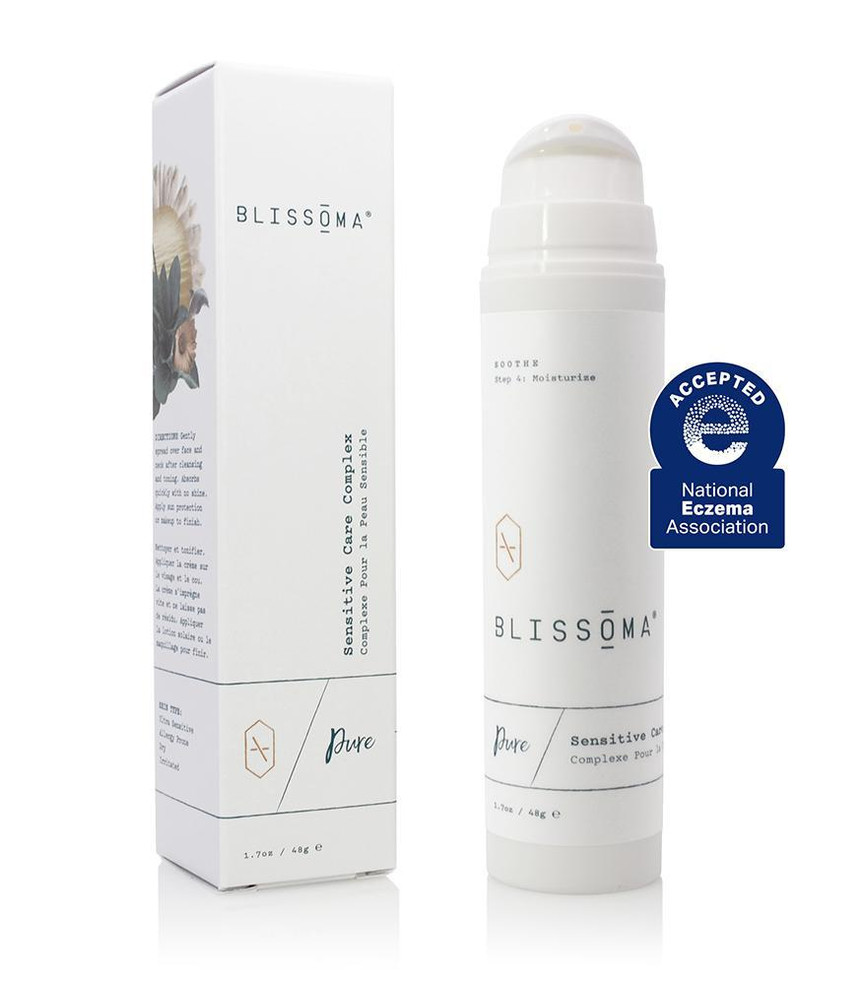
Best natural face moisturizer for redness and reactive skin
Best for: Sensitive, reactive and redness-prone skin
Texture: Lightweight, medium-weight cream
Key ingredients: Marshmallow root, plantain, calendula, shea butter, jojoba and baobab oils
Size and price: 1.6 oz for $64
Fragrance: Unscented and essential-oil-free
Pure Sensitive Care Complex has a smooth, uncomplicated texture that absorbs without leaving much shine. It feels lighter than Josh Rosebrook’s balm cream, making it easier to wear during the day and beneath sunscreen or makeup. The finish is soft rather than dewy, although very dry skin may need something richer at night.
Instead of relying on one headline ingredient, Blissoma builds the formula around an infusion of herbs, including marshmallow, plantain, nettle and red clover. Shea butter and jojoba, pumpkin, baobab and tamanu oils help prevent moisture loss. The formula is also vegan and contains no added fragrance or essential oils.
Blissoma reports that a 2023 clinical test found improved barrier function after one application. Its reported reduction in redness came from using this cream alongside the brand’s Free Gel Cleanser for four weeks, so that result should not be attributed to the moisturizer alone.
The broader review pattern supports its comfortable, fast-absorbing feel, but also reveals two weaknesses: it may not provide enough moisture for severely dry skin, and some users have experienced difficulty getting the final product out of the pump.
Pros: Lightweight, vegan, fragrance-free and easy to layer
Cons: May be insufficient for very dry skin, and the pump can waste some product
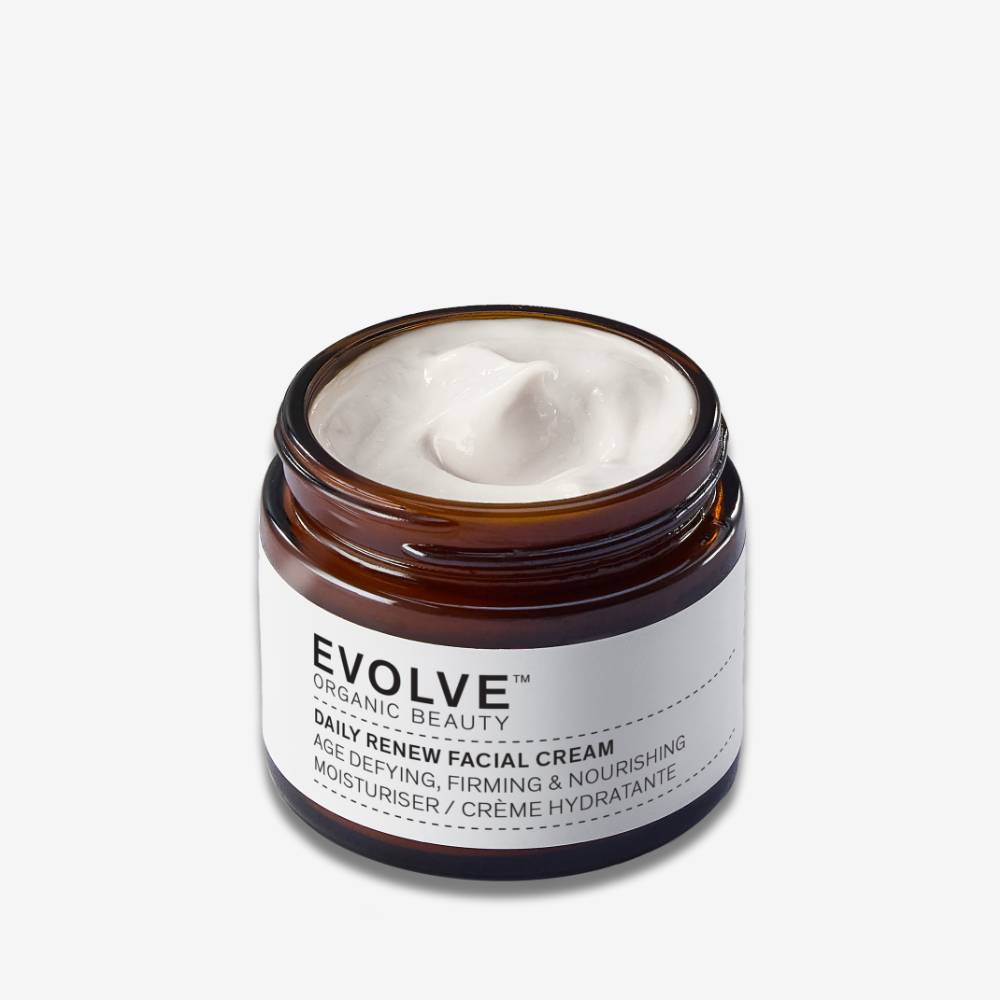
4. Evolve Organic Beauty Daily Renew Facial Cream
Best certified-organic everyday moisturizer
Best for: Normal, dry and mature skin
Texture: Nourishing cream with a soft, dewy finish
Key ingredients: Glycerin, hyaluronic acid, shea butter, argan oil and natural peptides
Size and price: 60 ml for $49
Fragrance: Natural vanilla and coconut fragrance
Daily Renew has the comforting texture of a traditional face cream without crossing into balm territory. It takes slightly longer to absorb than a gel moisturizer, but the finish feels soft and nourished rather than oily. We think it works particularly well as an everyday cream for normal-to-dry skin and as a richer nighttime option for combination skin.
Glycerin and sodium hyaluronate bring water into the skin, while shea butter and sunflower, apricot, sesame, pomegranate and argan oils help retain it. The formula is COSMOS Organic, Vegan Society and Leaping Bunny certified, giving its organic, vegan and cruelty-free claims stronger support than brand language alone.
The broader feedback pattern is positive about its creamy texture, lasting softness and ability to absorb without an obvious greasy film. Its warm vanilla-coconut fragrance is also frequently praised, although this is likely to divide readers more than the texture.
At $49 for 60 ml, it offers more product for less money than the first two moisturizers on this list. However, oily skin may find it too rich, particularly during warm or humid weather.
Pros: Certified organic, generous size, nourishing and good value
Cons: Contains fragrance and may feel heavy on oily skin
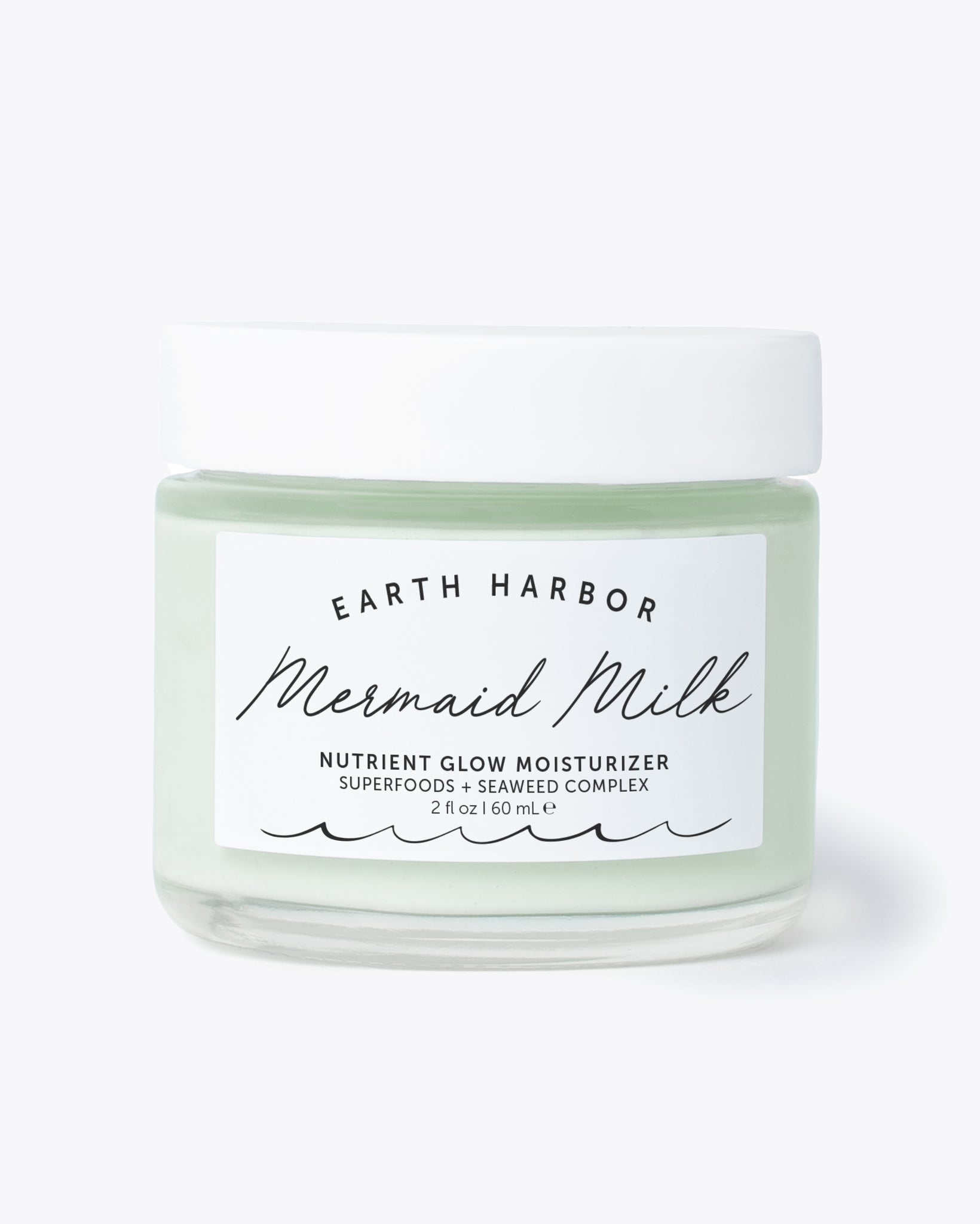
5. Earth Harbor Mermaid Milk Nutrient Glow Moisturizer
Best lightweight natural moisturizer for combination skin
Best for: Normal and combination skin
Texture: Lightweight, water-based cream with a demi-matte finish
Key ingredients: Spirulina, seaweed, matcha, and blue tansy
Size and price: 2 oz for $42
Fragrance: Herbal and fruity botanical scent
Mermaid Milk fills the lightweight spot in this guide. Earth Harbor recommends it for all skin types, particularly normal and combination skin, and describes its texture as an airy, water-based cream that absorbs quickly without leaving a heavy coating.
Spirulina, seaweed and matcha provide the formula’s antioxidant-rich botanical base. Its pale green colour comes naturally from matcha, spirulina and blue tansy rather than an artificial colourant. The demi-matte finish makes it more practical for daytime wear than the richer creams and balms included in this list.
The product currently holds a rating of 4.8 out of 5 from more than 1,000 reviews on Earth Harbor’s website. Its 2 oz jar is also larger than several similarly priced moisturizers in this guide, making the price more reasonable when compared by volume.
The main limitation is the botanical scent. Readers who avoid fragrant extracts or essential oils should patch-test it first. Its lightweight texture may also be insufficient for very dry skin, particularly in colder weather.
Pros: Lightweight, fast-absorbing, generously sized, and suited to combination skin
Cons: Botanically scented and potentially too light for persistently dry skin
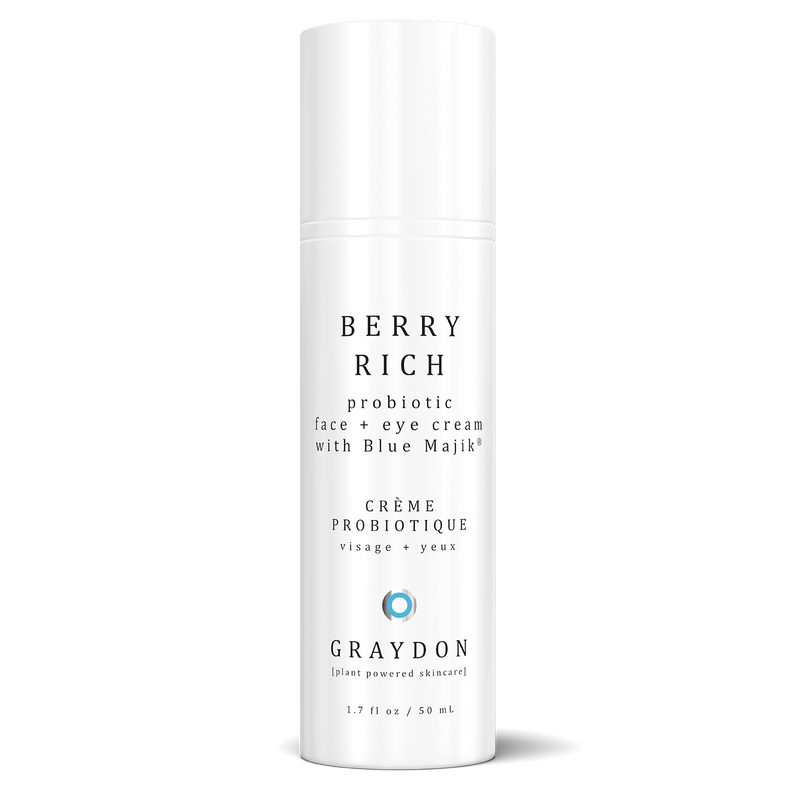
6. Graydon Berry Rich Face + Eye Cream
Best for dry skin and barrier support
Best for: Dry, dehydrated, and mature skin
Texture: Dense, velvety cream
Key ingredients: Blue-green algae, glycerin, cocoa butter, blueberry seed oil and lactobacillus ferment lysate
Size and price: 50 ml for $54
Fragrance: Essential-oil-free with a natural fruit-and-vanilla aroma
Berry Rich stands apart as a moisturizer designed for both the face and eye area. Its blue colour comes from blue-green algae, while cocoa butter and blueberry seed oil give the cream its richness. Lactobacillus ferment lysate, not live bacteria, is the “vegan probiotic” ingredient used to support the skin barrier.
The texture requires a little technique. Applied directly to dry skin, it can feel thick, tacky and difficult to spread. It works much better over slightly damp skin or mixed with a water-based serum or facial mist. Once settled, it leaves a protective layer that suits nighttime use, winter weather and areas prone to flaking. Using less around the eyes also prevents the cream from feeling heavy.
This is one of the more divisive moisturizers on our list. Its dense consistency provides the lasting comfort some dry complexions need, but anyone expecting a quick-drying daytime cream may struggle with it. The ability to use one product across the face and eye area helps justify the price.
Berry Rich contains no essential oils or synthetic fragrance, although aromatic extracts of bergamot, pineapple, jasmine, cinnamon and vanilla give it a noticeable scent. Those extracts may still matter to highly reactive skin.
Pros: Long-lasting moisture, doubles as an eye cream and is vegan
Cons: Can feel tacky, requires careful application and is not completely scent-free
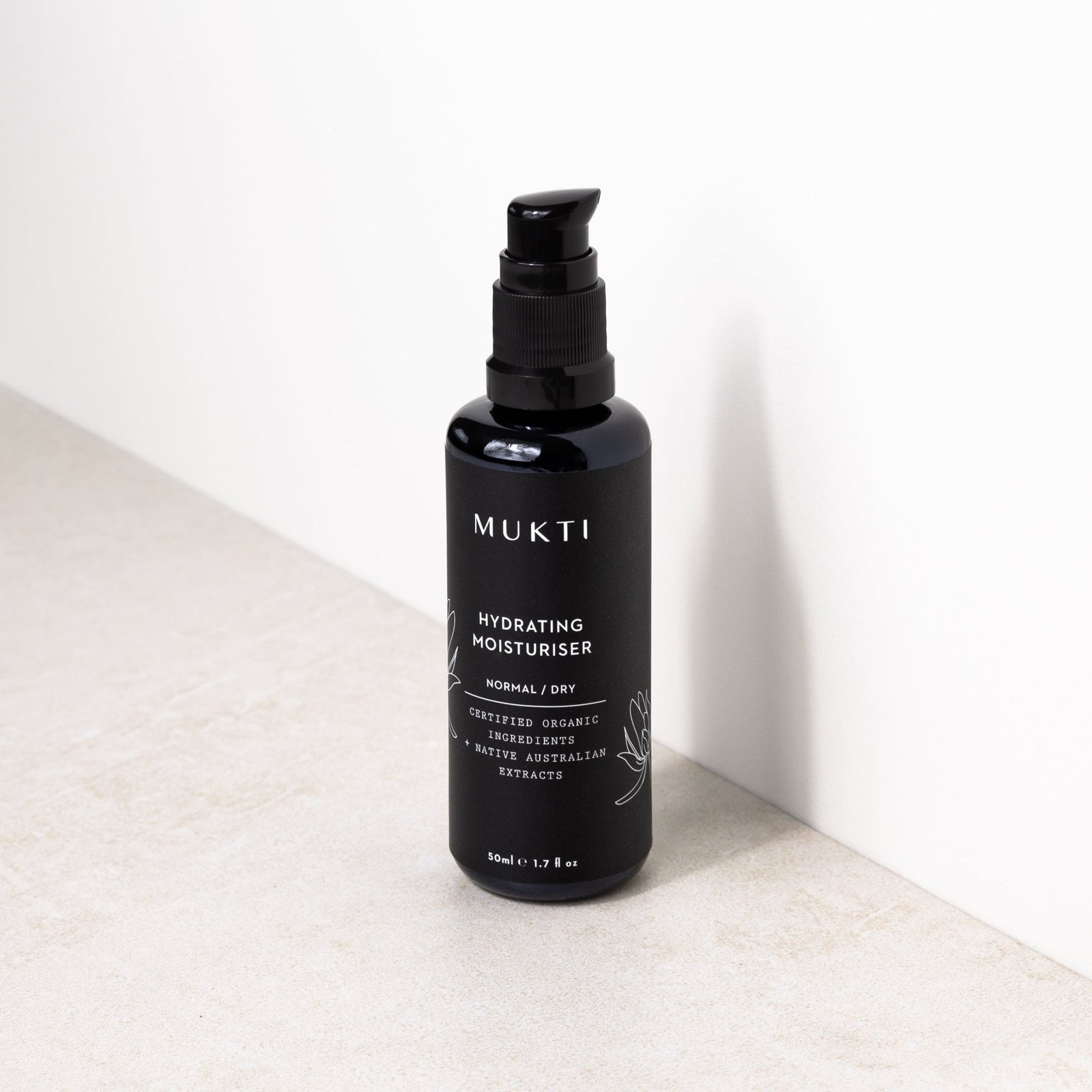
7. Mukti Organics Hydrating Moisturiser
Best daytime natural moisturizer for dry skin
Best for: Normal, dry and mature skin
Texture: Medium-weight cream with a dewy finish
Key ingredients: Aloe vera, glycerin, macadamia oil, shea butter, Kakadu plum and CoQ10
Size and price: 50 ml for $58
Fragrance: Sweet floral and botanical aroma
Mukti’s Hydrating Moisturiser is an interesting choice for dry skin because its ingredient list looks richer than the cream actually feels. Macadamia and coconut oils appear alongside shea and cocoa butters, yet the finished formula absorbs without leaving the dense coating associated with many butter-based moisturizers.
Two pumps create a noticeable dewy finish, so it works best beneath sunscreen or light makeup rather than products requiring a completely matte base. The moisture level is comfortable for daytime use, although severely dry skin may still want a facial oil or heavier cream overnight.
The headline Australian ingredients, Kakadu plum, banksia and flame tree extracts, bring antioxidant value, but the dependable moisturising work comes mainly from aloe, glycerin, plant oils and butters. During our review, we also appreciated that Mukti discloses the formula as 98.99% natural origin and 88.76% organic. It is vegan and made in Australia.
Its scent is impossible to treat as a minor detail. Rose, lavender, geranium and citrus oils create a sweet floral aroma that many people enjoy, but fragrance-sensitive or reactive skin should approach it carefully. The pump is convenient, though reaching the last portion of cream can be difficult.
Pros: Moisturizing without excessive heaviness, highly natural-origin and vegan
Cons: Noticeably scented and may not be rich enough for severe dryness
8. Osmia Purely Simple Face Cream
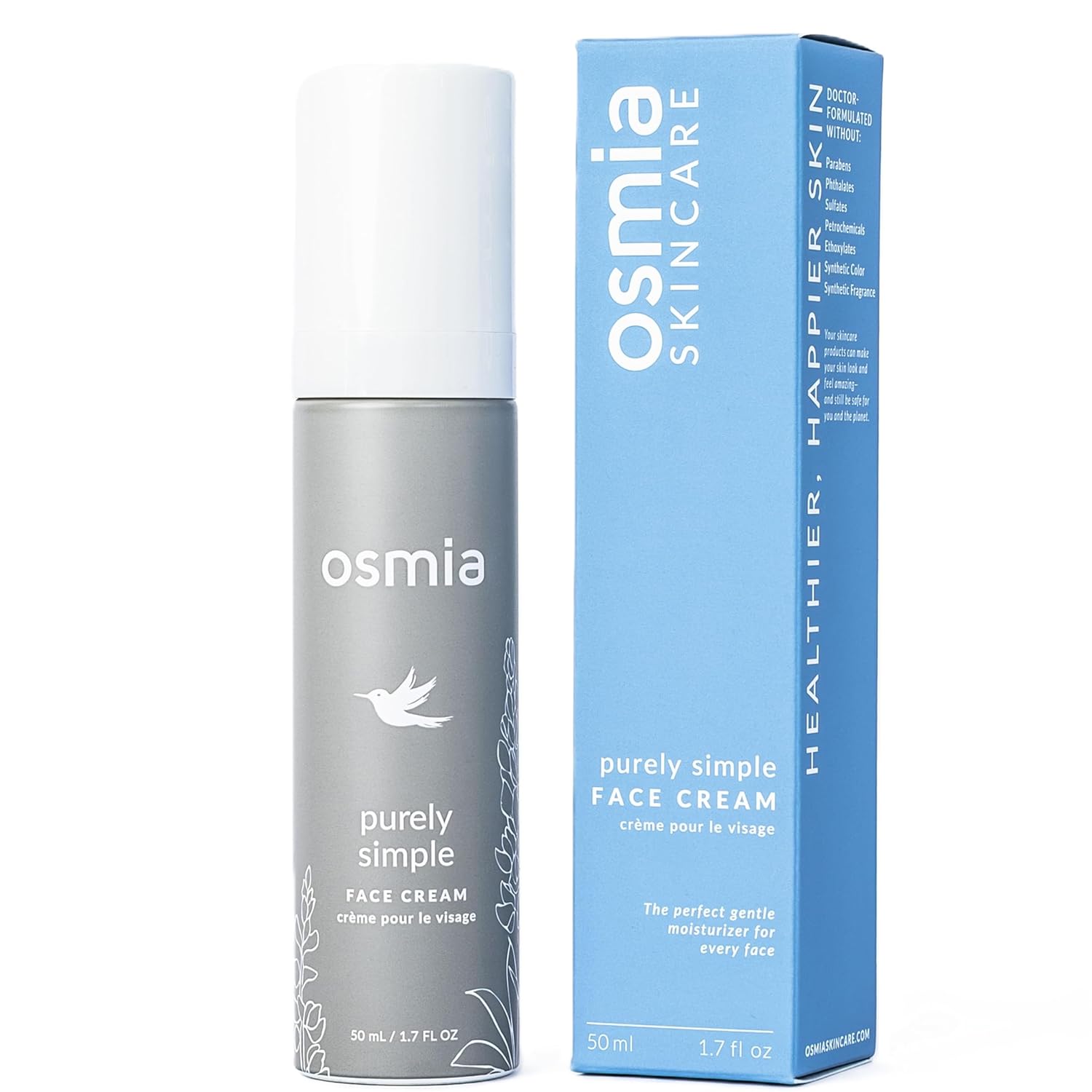
Best lightweight natural moisturizer with a matte finish
Best for: Normal, combination, and sensitivity-prone skin
Texture: Lightweight cream with a matte finish
Key ingredients: Aloe vera, glycerin, apricot kernel oil, jojoba oil and kukui oil
Size and price: 50 ml for $62
Fragrance: Very lightly scented with essential oils
Purely Simple takes a different route from the oil-and-butter-heavy moisturizers on this list. Aloe vera forms the base, while glycerin provides hydration and a restrained blend of plant oils adds softness. The lower oil content allows the cream to sink in quickly and leave little shine, making it one of the better options for daytime use or layering beneath makeup.
One or two pumps should suit normal and combination skin. Dry or mature skin may find it incomplete on its own, but the light base makes it easy to customise with a drop of facial oil. That flexibility is more useful than applying a rich cream that cannot be made lighter.
Despite the name, this is not a fragrance-free moisturizer. Osmia uses rose, chamomile, and neroli essential oils at a combined concentration of 0.03%. The aroma is faint, but the fragrance components remain relevant for anyone who avoids essential oils completely.
We selected Purely Simple for its quick absorption and low-shine finish, not because it can treat eczema, rosacea, or perioral dermatitis. Those conditions require individual medical guidance, even though many reviewers with reactive skin report finding the cream comfortable.
Pros: Lightweight, vegan, easy to layer and unlikely to leave a greasy finish
Cons: Expensive, insufficient for very dry skin and not truly fragrance-free
9. Mad Hippie Face Cream
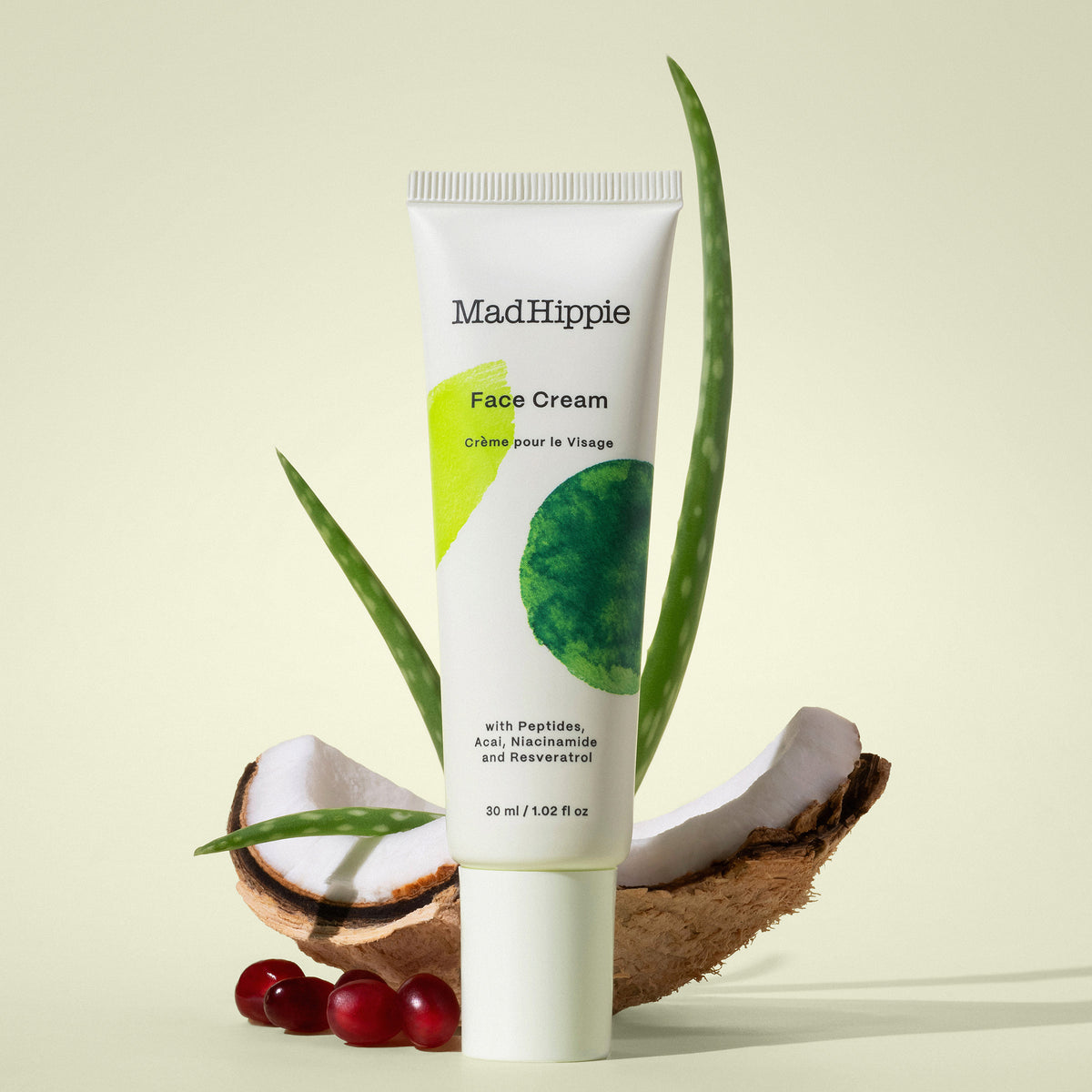
Best affordable natural moisturizer
Best for: Normal, combination and oily skin
Texture: Lightweight, fast-absorbing cream
Key ingredients: Aloe vera, glycerin, safflower oil, niacinamide, peptides and green tea
Size and price: 30 ml for $27.99
Fragrance: Subtle botanical aroma with no synthetic fragrance
Mad Hippie Face Cream is the outlier in this guide. Rather than building the formula almost entirely around botanical oils and extracts, the brand combines an aloe-based cream with lab-developed peptides, niacinamide, resveratrol and CoQ10. Readers who want a strictly plant-only moisturizer may not consider it natural enough. Those comfortable with a hybrid approach receive a more active formula at a lower upfront price.
The cream spreads easily, absorbs quickly and leaves minimal residue. That makes it practical for morning routines, especially beneath sunscreen and makeup. It provides enough moisture for normal and combination skin without creating excessive shine, but dry skin may need something richer at night or during winter.
We would treat the peptides and antioxidants as useful extras rather than expect the cream to produce dramatic anti-ageing results. Its strongest qualities are simpler: comfortable hydration, easy layering and a price below $30. The bottle is only 30 ml, however, so Evolve’s larger cream offers better value by volume.
Mad Hippie adds no synthetic fragrance, but the formula has a faint botanical aroma from its ingredients, including steam-distilled lime extract.
Pros: Affordable upfront, lightweight, vegan and easy to use under makeup
Cons: Small bottle, too light for very dry skin, and not a strictly botanical formula
10. UpCircle Face Moisturiser with Vitamin E
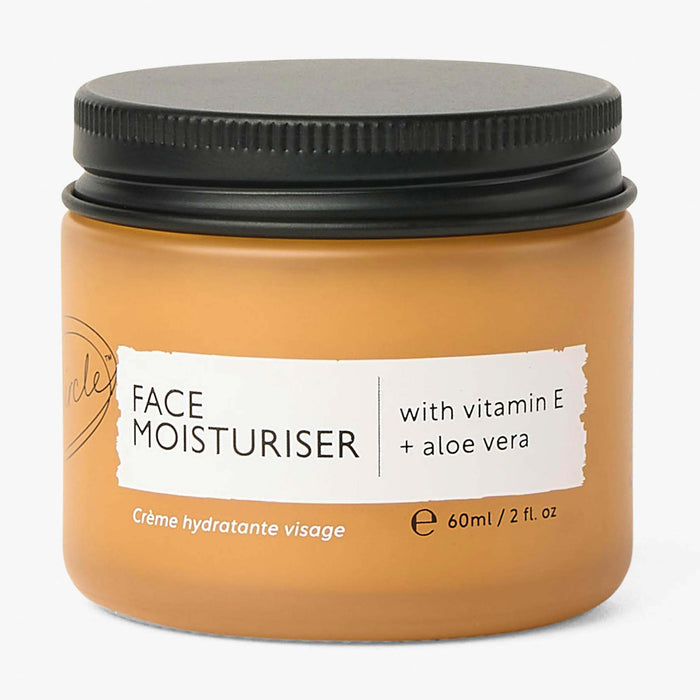
Best moisturizer made with an upcycled ingredient
Best for: Normal and dry skin
Texture: Substantial cream that absorbs to a soft finish
Key ingredients: Sunflower oil, shea butter, cocoa butter, glycerin, aloe vera and argan-shell powder
Size and price: 60 ml for £23.99
Fragrance: Citrus and herbal essential oils
UpCircle gives discarded argan shells a second use by grinding them into a fine powder for this moisturizer. It is a credible example of upcycling because the recovered material forms part of the product itself rather than appearing only in its packaging or marketing.
The cream initially looks heavier than it feels. A small amount spreads across the face and settles without the waxy layer left by some shea-and-cocoa-butter formulas. It provides comfortable everyday moisture for normal-to-dry skin, although the finish may be too substantial for oily skin in humid weather.
Its 99% natural formula is vegan and combines the upcycled argan ingredient with familiar moisturizers such as glycerin, aloe, sunflower oil and plant butters. At £23.99 for 60 ml, it is also one of the more accessible options in this guide.
The scent is the larger compromise. Blood orange, lemon, frankincense, clary sage and bitter-orange oils create a distinct citrus-herbal aroma. It contains no synthetic parfum, but it is not fragrance-free and would not be our choice for highly reactive skin.
The glass jar and aluminium lid are recyclable. UpCircle previously refilled returned jars, but that scheme is paused while the company works on a replacement, so the current packaging should not be described as refillable.
Pros: Uses an upcycled ingredient, generous size, vegan and reasonably priced
Cons: Contains several essential oils, uses an open jar and is not currently refillable
How to Choose a Natural Moisturizer for Your Skin Type
The right natural face moisturizer should suit how much oil your skin produces, how easily it reacts and whether it regularly feels tight or dehydrated. Focus on the complete formula rather than choosing a product because it contains one fashionable botanical ingredient.
Dry skin
Choose a rich cream or balm containing humectants such as glycerin or hyaluronic acid alongside emollients and occlusives such as squalane, jojoba oil, or shea butter. These help attract water, soften the skin, and slow moisture loss. Creams are generally more effective than lotions for persistent dryness.
Oily or acne-prone skin
Look for a lightweight lotion or gel-cream labelled oil-free, non-comedogenic or unlikely to clog pores. Oily skin can still become dehydrated, especially when using retinoids, salicylic acid or benzoyl peroxide, so skipping moisturizer may leave it feeling tight and uncomfortable.
Combination skin
Use a light moisturizer across the entire face, then add a richer cream only to dry areas when needed. This is often more practical than covering both an oily T-zone and dry cheeks with one heavy formula.
Sensitive or reactive skin
Choose fragrance-free formulas with fewer potential irritants. “Unscented” is not the same as fragrance-free, as an unscented product may contain ingredients that disguise its natural smell. Essential oils and fragrant plant extracts can also cause irritation in some people. Patch-test unfamiliar products before applying them across your face.
Normal skin
A medium-weight lotion or cream should provide enough moisture without feeling greasy. You may need a lighter formula in warm weather and a richer one during colder or drier months.
Mature skin
Skin often becomes drier with age, making a cream with humectants, nourishing oils and barrier-supporting ingredients a useful choice. Antioxidants and peptides may offer additional benefits, but moisturizer should not be expected to replace sunscreen or deliver the results of a targeted treatment.
Whichever formula you choose, apply it shortly after cleansing while your skin is still slightly damp. This helps the moisturizer hold more water at the skin’s surface.
Ingredients to Look for in a Natural Face Moisturizer
A good moisturizer needs ingredients that perform three different jobs: attract water, soften the skin and reduce moisture loss. One botanical extract cannot usually do all three, so assess the complete formula.
Humectants for hydration
Glycerin and hyaluronic acid draw water into the upper layers of the skin. Aloe vera and beta-glucan may also provide light hydration. These ingredients are particularly useful when skin feels dehydrated but does not tolerate heavy creams.
Emollients for softness
Squalane, jojoba oil, sunflower seed oil and shea butter fill the spaces between dry skin cells, leaving the surface smoother and more flexible. Lighter emollients such as squalane generally suit daytime products, while richer oils and butters may work better for dry skin.
Occlusives for moisture retention
Beeswax, plant waxes and richer butters create a layer that slows water loss. They can make a natural moisturizer more effective for very dry skin, although heavier formulas may feel uncomfortable on oily or congestion-prone complexions.
Barrier-supporting ingredients
Ceramides, colloidal oatmeal and beta-glucan can help support a weakened or irritated skin barrier. The American Academy of Dermatology identifies ceramides, glycerin, hyaluronic acid and colloidal oatmeal as useful ingredients for dry or sensitive skin.
Antioxidants
Vitamin E, green tea and certain plant extracts can help protect a formula and provide antioxidant support. Consider these useful additions rather than replacements for the ingredients responsible for hydration and moisture retention.
Botanical does not automatically mean gentle. Essential oils, fragrant extracts and added perfume may irritate sensitive skin, so choose a fragrance-free formula if you are prone to redness or reactions. Also, do not treat preservatives as an automatic warning sign. A water-based face cream requires an effective preservation system to prevent microbial contamination and remain safe throughout its intended shelf life.
How to Patch-Test a New Face Moisturizer
Patch-testing gives you a chance to spot irritation before applying a new moisturizer across your face. It is especially useful for sensitive skin and formulas containing essential oils, fragrant botanicals or unfamiliar active ingredients.
Step 1: Choose a small test area
Use a quarter-sized area on the underside of your arm or inside your elbow. The spot should remain undisturbed and should not be repeatedly rubbed or washed during the day.
Step 2: Apply the moisturizer consistently
Apply the same amount and thickness you would normally use, twice daily for seven to ten days. Test only one new product at a time so you can identify what caused a reaction.
Step 3: Watch for a reaction
Check the area for redness, itching, swelling, burning, bumps or persistent dryness. Reactions can appear immediately or develop after several applications, which is why testing once is not enough.
Step 4: Introduce it to your face gradually
If the test area remains clear, begin using the moisturizer on a small part of your face before applying it everywhere. An arm test cannot predict every facial reaction or tell you whether a formula will clog your pores, but it lowers the chance of widespread irritation.
The American Academy of Dermatology recommends washing the product off if a reaction develops and discontinuing use. A cool compress or plain petroleum jelly may help with mild discomfort. Seek medical advice if the reaction is severe, spreads, causes blistering or does not settle. A dermatologist can perform medical patch testing when the specific allergen is difficult to identify.
Frequently Asked Questions
1. Is a natural face moisturizer automatically safer for sensitive skin?
No. Botanical extracts, essential oils, and natural fragrances can still cause irritation. Check the complete ingredient list, choose fragrance-free products where possible, and patch-test before regular use.
2. Can I use a natural moisturizer every day?
Yes. A suitable moisturizer can be applied morning and evening. Adjust the amount and texture according to your skin type, climate, and the other products in your routine.
3. Do oily and acne-prone skin still need moisturizer?
Yes. Choose a lightweight, non-comedogenic formula that hydrates without feeling heavy. Moisturizer can also reduce the dryness caused by ingredients such as salicylic acid, benzoyl peroxide, and retinoids.
4. What is the difference between a natural and an organic moisturizer?
“Natural” generally refers to ingredient origin, while “organic” usually relates to how agricultural ingredients were grown and processed. Neither term alone proves that a product is safer or more effective.
5. Should I apply face moisturizer before or after sunscreen?
Apply moisturizer before sunscreen. Allow it to settle, then finish your morning routine with a broad-spectrum, water-resistant sunscreen of SPF 30 or higher.
6. How do I know whether a moisturizer suits my skin?
A suitable formula should leave your skin comfortable without persistent burning, itching, redness or congestion. Patch-test first and introduce the product gradually, especially if your skin is sensitive.
Keep browsing
Browse similar brands
Explore independent labels in our directory related to this story.
Browse all brands