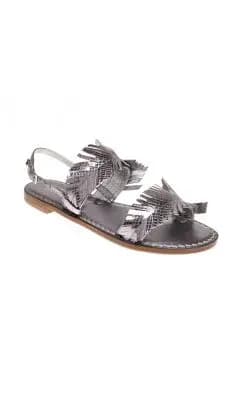
Handmade Footwear – Page 2

Brands 25–48 of 139. Back to page 1 · Browse brands A–Z

Brands

139 brands

Hender Scheme featured image

Hender Scheme

Japan · Est. 2010 · Luxury

Hender Scheme is a Japanese footwear and leather-goods label started in 2010 by designer Ryo Kashiwazaki. Its work questions familiar distinctions between men’s and women’s products and between industrial design and handcraft. Leather is central to the brand, especially in pieces intended to develop visible character through handling and wear. Footwear includes original designs and the manual industrial products line, which reinterprets familiar sneaker forms through a different, more manual production process. Hender Scheme also makes bags and other leather accessories. Its official site says the soles of the manual industrial products sneakers can be replaced, an important detail for shoppers considering long-term use. Materials and sizing vary by style, so the individual listing matters more than a single brand-wide fit rule. Customers can shop through Hender Scheme’s official sukima online store and physical stores in Japan. The label particularly suits someone interested in leather sneakers whose colour and surface will change with use, as well as a broader collection of everyday leather objects.
G

Guild Tokyo

Japan · Est. 1996 · Mid-range

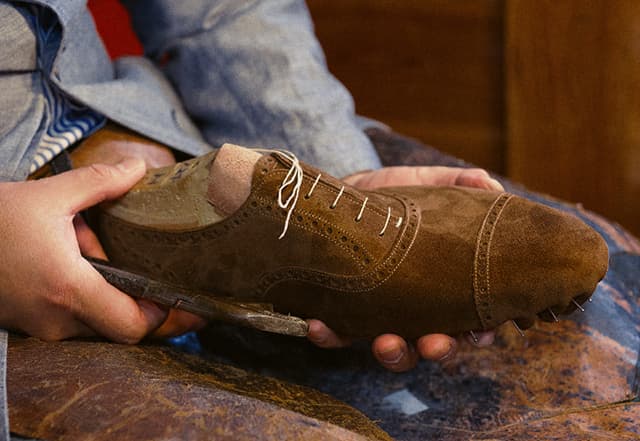
Guild of Crafts is a Japanese shoemaking house founded in 1996 by Chihiro Yamaguchi. Yamaguchi began making shoes in Kyoto in 1980 and later studied shoemaking in England. He established Guild of Crafts at a time when bespoke shoes were still unfamiliar to many customers in Japan, developing the house’s own methods for measuring feet and making lasts. Guild offers bespoke, made-to-order and ready-to-wear footwear. Bespoke begins with the customer’s measurements and a dedicated last, followed by fittings. Made-to-order uses an established Guild last, while ready-to-wear provides a finished-shoe option. Its model lists include Oxfords, buckle shoes and boots, with designs for both men and women. Availability depends on the ordering route and model. The official website explains the different lines and accepts appointment enquiries for orders, maintenance and repairs. Guild is a useful brand to consider when comparing Japanese bespoke shoemakers because customers can see how its approach to fit carries across three ways of buying a shoe.

Marquess Shoemaker featured image

Marquess Shoemaker

Japan · Est. 2011 · Luxury

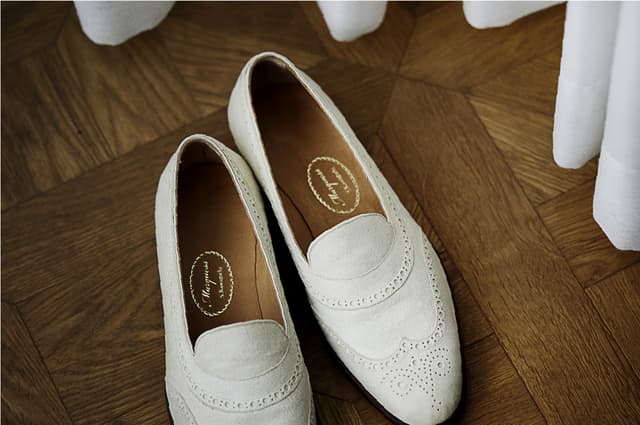
Marquess is a bespoke shoemaking atelier established in Tokyo in 2011 by Shoji Kawaguchi. His interest in British footwear took him to Northampton, where he studied shoemaking, and later to training with bespoke maker Paul Wilson. Kawaguchi returned to Japan in 2008 and opened Marquess three years later. The atelier moved to Ginza in 2017. Marquess is known for understated leather shoes whose shape, fit and finishing receive close attention. A bespoke order starts with a meeting and foot measurements. The team makes a wooden last for the client, tests the fit with a trial shoe and adjusts the last before making the final pair by hand. The website shows Oxfords, derbies and other designs for men, as well as examples of women’s shoes. The atelier also offers made-to-order styles, where customers choose from existing models and select details such as leather and sole type. Bespoke enquiries require an appointment. Marquess is most relevant to shoppers seeking a personal fitting process and classic shoes they intend to maintain and wear for years.

Spigola featured image

Spigola

Japan · Est. 2001 · Luxury

Spigola is a bespoke shoemaking brand established in Kobe, Japan, in 2001 by Koji Suzuki. Born in Kobe, Suzuki travelled to Italy in 1997 and trained in Florence under shoemaker Roberto Ugolini. After three years of study, he returned home and began making bespoke shoes from space in his father’s workshop in Kobe’s Nagata district. Bespoke footwear remains central to Spigola. Its website also presents a prêt-à-porter collection described as pattern-order footwear, and Suzuki’s official biography dates the launch of that line to 2011. The distinction matters for shoppers: commissioning a bespoke pair and ordering from an established pattern are different ways to access the maker’s designs. Spigola’s atelier is in Hosoda-cho, Kobe, with weekend visits requiring a reservation. The brand’s identity brings together Suzuki’s Italian shoemaking training and his work in a Japanese footwear-producing city. Anyone considering an order should contact the atelier about the available styles, fitting process and appointment arrangements before travelling.

Hiro Yanagimachi featured image

Hiro Yanagimachi

Japan · Est. 1999 · Luxury

Hiro Yanagimachi is a bespoke shoemaking workshop in Tokyo, founded in 1999 by Hiroyuki Yanagimachi. After studying industrial design, Yanagimachi went to England to learn shoemaking at London Cordwainers College and gain experience with bespoke techniques. He began his own brand on returning to Japan and later developed a workshop team. Customers can choose among made-to-order, made-to-measure and bespoke shoes. The distinction is how the last—the form used to build the shoe—is prepared. Made-to-order uses one of the workshop’s established lasts; made-to-measure adjusts a base last; bespoke starts with a last made for the individual customer and includes trial fittings. The workshop offers lace-up shoes, loafers and other styles, with design choices depending on the order method. Visits to its Sendagaya workshop are by appointment. Customers can discuss fit with the people making their shoes, and the brand says enquiries and appointments can be handled in English. That makes its ordering process particularly relevant to international shoppers considering Japanese bespoke footwear.

Yohei Fukuda featured image

Yohei Fukuda

Japan · Est. 2008 · Luxury

Yohei Fukuda is a Tokyo shoemaker founded in 2008 by its namesake. Fukuda learned shoemaking in England, including training in Northamptonshire and work with London firms, before returning to Japan to establish his workshop. He oversees the design, last making and shoemaking alongside a small team of craftspeople. The business offers several ways to buy its classic men’s shoes: ready-to-wear, made-to-order, house-style bespoke and fully bespoke. Its ready-to-wear shoes draw on the workshop’s bespoke methods and are hand lasted and hand welted. Fit remains central to the offer; the online store lists several width options and provides a size guide, while made-to-order enquiries and appointments can be arranged through the Tokyo store. Fukuda is especially relevant to someone comparing Japanese bespoke shoemakers with British-influenced dress-shoe styling. The different order routes matter: a customer choosing an existing size is buying a different fitting experience from someone commissioning a pair around a personalised last. The official sites explain those options before an appointment or purchase.

Alyssa Lee Designs featured image

Alyssa Lee Designs

USA · Est. 2019 · Mid-range

Alyssa Lee Designs is a maker-led accessories business based in Minnesota. Alyssa traces its beginnings to a boutique project started in 2019, which grew from her interests in leatherwork, fashion and horses. She now specialises in handmade leather goods and equestrian-inspired pieces, with customisation playing a large part in the range. Handbags are a prominent category, alongside accessories, jewellery and custom shoes. Alyssa often combines leather or cowhide with patterned Pendleton wool fabric. Her shoes can be ordered with wool, leather detailing, buckstitching or the brand’s decorative “confetti” finish. The custom-shoe listing explains how buyers can send their preferred colours and design details after ordering. The official website offers finished pieces as well as custom-order options, and Alyssa has advertised a showroom available by appointment. Shoppers drawn to this brand are likely looking for a particular material combination or a personal design. For an FTL footwear page, it should be described as a leather-goods maker that also offers custom shoes, rather than a shoe-only label.

Audley Shoes featured image

Audley Shoes

Spain · Est. 1988 · Mid-range

Audley Shoes is a women’s footwear brand established in 1988, drawing on a Spanish family manufacturing tradition that began in the 1940s. Historical accounts connect the brand’s creation with British designers Tim and Fiona Slack and the Spanish Gil-Vera family. That shared history helps explain Audley’s combination of distinctive design and Spanish shoemaking. Audley makes its shoes in Spain. Its current range includes leather sandals, heels, flats, sneakers and ankle boots, with different heel heights for everyday wear and dressier occasions. The brand describes its design philosophy in terms of form serving function: an unusual shape or colour still needs to work as a shoe someone can wear. Shoppers can buy through Audley’s official online store, which provides product details and customer advice on fit. The brand says its team can help with size questions by email or WhatsApp. Audley is a useful name for someone seeking women’s shoes with a more individual silhouette while keeping materials, construction and wearability in view.

Mint & Rose featured image

Mint & Rose

Spain · Est. 2012 · Affordable

mint&rose is a Spanish women’s footwear and accessories brand founded by Monti Gutiérrez Benavides. The project began in 2012, initially developing espadrilles for a market where Monti saw few options beyond traditional designs. It later expanded its presence in Spain; the brand identifies Valladolid as the location of its offices. Espadrilles remain an important part of mint&rose, joined by sandals, ballet flats, loafers, boots, bags and smaller accessories. The company says its current shoe and bag collections are designed and manufactured in Spain. It describes espadrille production in Murcia and shoe production in Elda, drawing on the distinct footwear skills of those regions. Customers can shop the official website for flat and wedge espadrilles, sandals and styles for other seasons. The brand is particularly relevant to someone looking for a Spanish-made espadrille within a broader, coordinated wardrobe of shoes and bags. Individual product pages give the clearest view of each item’s materials, heel height and available sizes.

Beatnik Shoes featured image

Beatnik Shoes

Spain · Est. 2014 · Mid-range

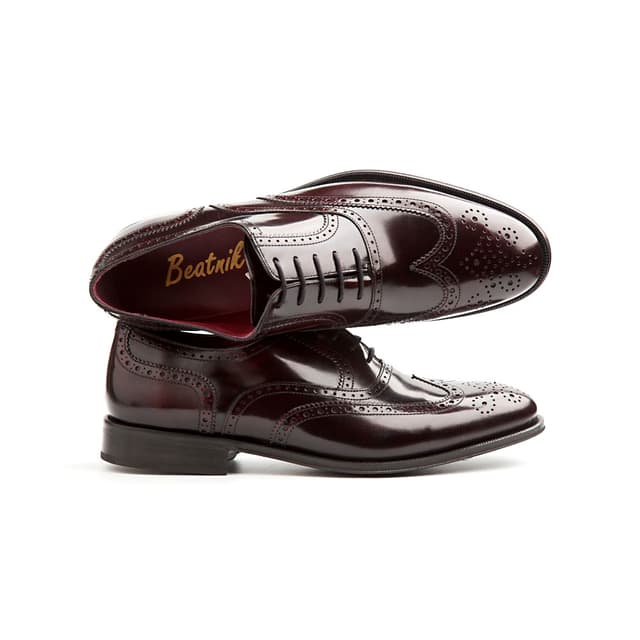
Beatnik Shoes is a Spanish footwear brand established in 2014. It designs shoes for women and men around familiar dress-shoe forms, then adds colour, contrast and details that give the pairs a stronger identity. Its shoes are made with a family workshop in Almansa, a Spanish town with a long shoemaking tradition. Oxfords, loafers, monk straps and boots form the core of the collection. Shoppers will find restrained leather styles alongside two-tone Oxfords and brighter finishes. Beatnik describes the use of selected leathers, carefully developed lasts and stitched soles; its site identifies Blake construction as part of its approach. These details matter when comparing the shoes’ shape, flexibility and potential for repair. The brand sells through its website, with product pages showing the materials and sizing for each style. Beatnik is a relevant option for someone who likes classic leather shoes but wants a pair that feels more expressive. The official pages reviewed confirm the 2014 start, but do not identify Juan Manuel Alonso as founder, so that attribution needs separate verification.

Vidorreta featured image

Vidorreta

Spain · Est. 1995 · Affordable

Vidorreta is a footwear label established in Spain in 1995. It specialises in handmade leather sneakers, boots, sandals, and flats. The collection takes a design-led approach. As an accessibly priced label, it suits shoppers looking for sneakers with character.

Casa Hernanz featured image

Casa Hernanz

Spain · Est. 1845 · Affordable

Casa Hernanz is a family-run espadrille shop in Madrid that dates to 1845. Artisan Toribio Hernanz opened it near Plaza Mayor to sell espadrilles and practical goods to people arriving from the surrounding countryside. Successive generations kept the business on Calle de Toledo, where the shop remains today. Traditional flat espadrilles are its best-known offering, alongside wedges, platforms and styles for women, men and children. The shop also sells rope, basketry, sacks and other goods made with natural fibres. That wider selection reflects its history as a working shop rather than a footwear label built around seasonal collections. Visitors can shop at Calle de Toledo 18, while a smaller selection of espadrilles is available online. Many listed styles are handmade in Spain, but shoppers should check individual descriptions: the store also carries products identified with other makers, including Gaimo. Casa Hernanz is especially useful for someone seeking a classic Spanish espadrille and the experience of visiting a long-standing Madrid shop.

Chie Mihara featured image

Chie Mihara

Spain · Est. 2001 · Mid-range

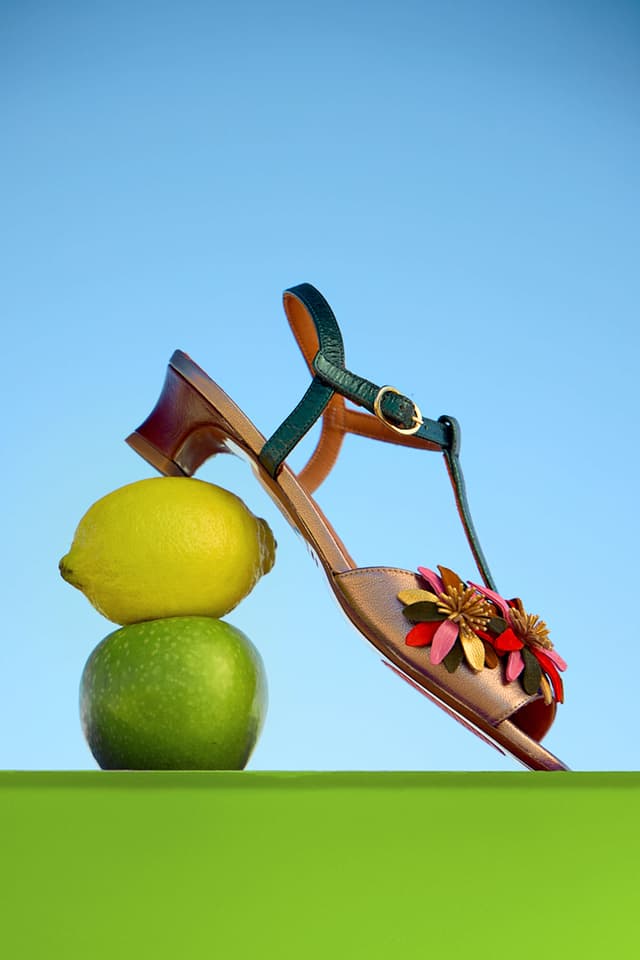
Chie Mihara is a women’s footwear brand based in Elda, Spain, led by designer Chie Mihara and her husband, Francisco. Chie decided to create the brand in December 2001; another page on its official site dates the brand’s launch to 2002. She studied accessories at New York’s Fashion Institute of Technology and worked in an orthopedic shoe store before moving into shoe design, experiences that helped shape her attention to both appearance and fit. The shoes are recognisable for their vintage influences, unexpected colour combinations and varied heel shapes. Pumps, sandals and boots form part of a range designed to feel individual without relying on seasonal runway trends. Chie serves as creative director, while Francisco is CEO. The business describes itself as family-run. Its shoes and handbags are made locally through a family factory and studio in Elda, with much of its supply chain in the surrounding community. Customers can shop the official site, where checking the size and construction details for a specific style is useful before choosing a pair.

Mascaró featured image

Mascaró

Spain · Est. 1918 · Mid-range

Mascaró is a family footwear business rooted in Ferreries, Menorca, where its history began in 1918 with a small shoemaking workshop. Jaime Mascaró is listed as its founder. Today, Mascaró focuses on women’s shoes and accessories. Its range includes ballet flats, loafers, pumps, sandals, boots, sneakers and handbags, covering everyday dressing as well as weddings and other occasions. The brand says its footwear is designed and made on Menorca. It describes a production process that includes inspecting leather, cutting components by hand, stitching uppers and shaping shoes on lasts before a final check. Mascaró sells through its own website and stores. It may interest shoppers who want to compare contemporary women’s styles from a long-established Menorcan shoemaker. For a particular pair, the product page is the place to check its materials, shape and available sizes.

Lola Cruz featured image

Lola Cruz

Spain · Est. 2004 · Mid-range

Lola Cruz is a Spanish women’s footwear brand associated with designer and founder María Jesús Muñoz Gozalvo. The brand is generally dated to 2004, although its current official history does not give a founding year. Her approach brings fashion-led shapes and materials into shoes intended to work across different parts of a woman’s wardrobe. The collection spans pumps, ballet flats, loafers, boots, mules and sandals, with separate edits for brides and wedding guests. Lola Cruz says it selects leathers and other components from across Europe and uses its own factories to supervise production. Its shoes are available through the official online store, physical stores and other retailers. For shoppers checking ownership, Lola Cruz is part of Navima Brands, a group that also includes Bibi Lou and Gamin. That relationship is relevant to an independent-brand listing and should be recorded accurately. Lola Cruz’s appeal within the group is its distinct women’s footwear range, which moves between everyday flats and statement shoes for events.

Ángel Alarcón featured image

Ángel Alarcón

Spain · Est. 1966 · Mid-range

Ángel Alarcón is a women’s footwear brand established in 1966 in Elche, Spain. Its collections pair contemporary shapes with a focus on comfort and practical wear. The range covers pumps, Mary Janes, loafers, ballet flats, sandals, mules and boots, giving shoppers options for both everyday use and occasions that call for a dressier shoe. The brand describes its roots in Elche’s shoemaking industry and continues to design its footwear in Spain. Its current collections use materials including leather, suede, raffia and textiles. A low-heeled pump or simple loafer may appeal to someone building a work wardrobe, while its more expressive finishes offer another option for events. Ángel Alarcón sells through its own website and ships orders from Elche to Spain and international destinations. Check the individual product page for country of manufacture: the brand’s FAQ says that some models are made abroad. That detail is useful for shoppers specifically seeking Spanish-made shoes, since the brand’s Spanish design heritage does not establish the origin of every pair.

Macarena Shoes featured image

Macarena Shoes

Spain · Est. 1972 · Affordable

Macarena Shoes is a Spanish women’s footwear brand rooted in Arnedo, La Rioja, a town known for shoemaking. The brand was founded in 1972. Its shoes are made in Arnedo, where the company focuses on updating the traditional espadrille through different shapes, heights and materials. The range includes jute-soled flats, wedges, platforms and sandals, as well as footwear for other seasons and a home-slipper collection. Macarena describes an artisanal production process and identifies materials including jute, organic cotton and chrome-free leather in its collections. Those are specific material choices; shoppers interested in a pair’s composition should still check its individual product details. Macarena is a useful option for people seeking Spanish-made espadrilles beyond the simplest rope-soled flat. Its online store groups styles by type, making it possible to compare an understated everyday pair with a dressier wedge or platform while staying within the same brand.

Naguisa featured image

Naguisa

Spain · Est. 2012 · Affordable

Naguisa is a Spanish women’s footwear label founded in 2012 by product designer Claudia Pérez Polo and architect Pablo Izquierdo López. The pair started with a fresh interpretation of the traditional espadrille, using jute soles to create shoes intended for comfortable walking as well as everyday dressing. The brand’s name refers to the pattern that the surf draws on a shoreline. Espadrilles remain at the centre of the collection, but Naguisa also offers sandals, flats and boots. Its shoes are made by hand in Spanish artisan workshops. The emphasis on jute, stitching and wearable shapes gives the label a recognisable identity across warm-weather styles, while its wider range offers options beyond the classic summer espadrille. Naguisa sells through its website and is stocked in more than 20 countries, according to the brand. Shoppers looking for Spanish-made espadrilles may find it particularly relevant if they want an artisanal construction with a more contemporary silhouette. Individual product pages and the brand’s FAQs provide the best guidance on materials and fit.

Cobbler Union featured image

Cobbler Union

USA · Est. 2014 · Mid-range

Cobbler Union is an Atlanta-based men’s footwear brand founded in 2014 by Stephen Beehler, Daniel Porcelli and Santiago Pereiro. Its shoes draw on bespoke shoemaking details while being offered as a ready-to-wear collection. Production takes place in small batches in Europe, with a team in Spain overseeing quality and consistency. The range includes Oxfords, derbies, loafers and boots in leather and suede, along with belts and other leather goods. Cobbler Union points to details such as carefully finished soles and its signature quilted heel cups. It also uses different lasts across its models, so the shape and fit of one style may differ from another. Its fit guidance is worth checking before choosing a size. Customers can shop through the brand’s website or visit its Atlanta location. Cobbler Union is especially relevant to people looking for a US-based seller of European-made dress shoes with distinctive finishing, while still wanting familiar styles they can wear regularly.

Idrese featured image

Idrese

USA · Est. 2018 · Luxury

Idrese is a US footwear brand launched in 2018, with Jawad Malik identified by the company as a co-founder. Its men’s dress shoes, boots and sneakers are made in a workshop in Almansa, Spain, a town with a strong shoemaking industry. The brand’s approach combines direct online shopping with an unusually broad set of choices for customers ordering a pair. Classic Oxfords, loafers and boots sit alongside casual sneakers. Idrese says its dress shoes and boots use Goodyear welt construction, which allows the sole to be replaced by a skilled repairer. Customers can also use its design tool to choose a style and materials, including Italian leathers. The custom programme lists US sizes 5–17 and several width options, making it relevant to shoppers who struggle to find a fit in standard dress shoe ranges. Idrese sells through its own website and provides a size guide and international delivery information. For shoppers comparing American footwear brands, the key distinction is its US brand identity paired with production in Almansa.

Carmina Shoemaker featured image

Carmina Shoemaker

Spain · Est. 1997 · Mid-range

Carmina Shoemaker is a family footwear brand from Mallorca, Spain. José Albaladejo Pujadas founded Carmina in 1997, opening its first store in Palma. The newer brand grew from a much longer Albaladejo family shoemaking tradition on the island, which the company traces to 1866. Its shoes are made in Mallorca, with the family workshop associated with the town of Inca. Carmina makes leather footwear for women and men, including Oxfords, derbies, loafers, monk straps and boots. Goodyear welt construction is central to its work, and customers can choose among different lasts, leathers and soles. Alongside its regular collections, the brand offers custom options for shoppers who want to select details for a pair. Carmina’s appeal lies in its breadth: someone searching for a classic black Oxford can also compare less common leathers and contemporary shapes within the same shoemaking house. Its website sells directly and offers information on styles and fit, while its original Palma store remains part of the brand’s presence on Mallorca.

Norman Vilalta featured image

Norman Vilalta

Spain · Est. 2004 · Luxury

Norman Vilalta is a Barcelona shoemaker specialising in men’s bespoke, made-to-order and ready-to-wear footwear. Originally a lawyer in Argentina, Vilalta trained in shoemaking in Florence before establishing his own Barcelona workshop in 2004. For roughly his first decade as a shoemaker, he worked exclusively on bespoke pairs, building shoes around individual clients’ feet and developing his approach to pattern making and finishing. That experience now shapes the ready-to-wear collection. Vilalta designs his own lasts and is known for an asymmetric pattern and distinctive pitched heel. His shoes and boots are finished by hand; the brand says this stage takes several hours per pair. The Condal Collection brings elements of his bespoke practice to shoes available in standard sizes. Shoppers can explore the collections online or visit the Barcelona store on Carrer d’Enric Granados. Vilalta appeals particularly to people interested in expressive designs, hand-finished leather and the connection between a shoemaker’s bespoke work and his ready-to-wear range.

TLB Mallorca featured image

TLB Mallorca

Spain · Est. 2018 · Mid-range

TLB Mallorca is a men’s shoemaker based in Inca, a historic footwear town on the Spanish island of Mallorca. Antonio “Toni” Llobera Barceló founded the brand in 2018, drawing on three generations of family experience in leatherwork. The brand makes its shoes and matching belts locally, with Toni overseeing production and paying particular attention to the shape and fit of each shoe. Its range centres on Goodyear welted leather footwear: Oxfords, derbies, loafers and boots designed for formal and everyday wear. The Main Collection offers classic styles, while the Artista Collection adds details such as narrower waists, closely cut heels and finer finishing. Customers seeking a particular combination of model, leather and fit can explore the made-to-order programme. TLB Mallorca is a useful name to know for shoppers comparing Spanish dress shoemakers. Its defining details are its Inca production, welted construction and range of lasts. The official site sells the collections directly and provides a size guide and fitting advice.

Emanuela Caruso featured image

Emanuela Caruso

Italy · Est. 2007 · Mid-range

Emanuela Caruso is a Capri-inspired Italian sandal label centred on designs by Emanuela Caruso and the work of artisans in Campania. Its collection draws on traditional island sandals while changing the shape, fabric, and decoration for contemporary wear. The official site sells sandals, slip-on styles, and bags. Personalization is a substantial part of the offering. Customers can select details such as sole colour and heel height on eligible sandals, or add initials, a short message, or a small symbol to create a more individual pair. The brand describes its exclusive sandals as handmade and hand-nailed. Across the wider collection, shoppers will find leather, suede, raffia, and patterned fabrics, so material and sizing details should be checked on the chosen style. Customers can order from the website, which provides a size guide and shipment tracking after dispatch. Its terms say items are put into production for the customer after an order is placed, making the conditions for personalized purchases especially relevant. The company lists its administrative headquarters in Casoria, near Naples. The supplied 2007 founding year was not confirmed on the official pages reviewed here.

Can't find what you're looking for?

We add new sites every week but if you have a specific request, let us know.