List of 450+ Locally Made Brands – Page 8

Brands 169–192 of 477. Back to page 1 · Browse brands A–Z

Brands

477 brands

Selyn featured image

Selyn

Sri Lanka · Est. 1991 · Affordable

Selyn is a sustainable Sri Lankan handloom clothing label, founded in Kurunegala in 1991 by Sandra Wanduragala. An attorney-at-law, Wanduragala started Selyn in her home garage with 15 women in the village of Wanduragala. Her brother Hilary Wanduragala soon joined as managing director, and her daughter and namesake, Selyna Peiris, now leads its next generation. Selyn makes handloom sarees, sarongs, lungis, shirts, shawls and beach wraps, along with kids' clothing and toys, bags, bangles and home textiles such as table runners, mats and throws. Everything is handwoven in Sri Lanka through a network of around 1,000 rural artisans. The brand works to revive the island's declining handloom tradition while providing rural women and men with steady income and skills. Its products use GOTS-certified organic cotton, natural fibres and AZO-free dyes, and it is guaranteed by the World Fair Trade Organization. Selyn is Sri Lanka's only Fair Trade certified handloom company and one of its largest social enterprises, exporting worldwide. Sandra Wanduragala was named to Forbes Asia's 50 Over 50 list and received the Sri Lanka Iconic Woman award in 2025.
Hidden Indigo featured image

Hidden Indigo

China · Est. 2025 · Mid-range

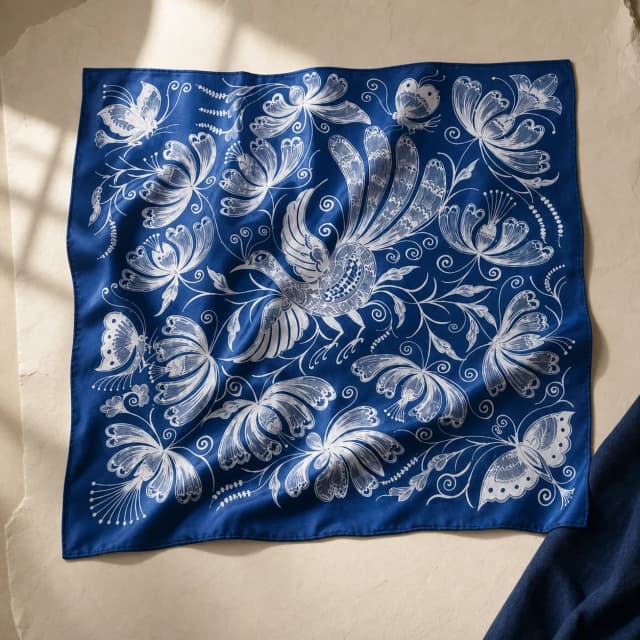
Hidden Indigo is a small, artisan-led brand preserving the traditional Miao batik craft of Guizhou, China. Built by a team of three based in Guiyang, the label works closely with Zhang Shixiu, a recognized inheritor of Miao batik and founder of the Mingxiu Batik Workshop in Paimo Village, and the women artisans in her workshop. Every piece is made using the traditional six-step wax-resist dyeing process: hand-drawing hot wax onto cloth, repeated indigo dipping, wax removal, and natural drying. The result is a range of bags, scarves, hats, jewelry, and home décor, each bearing the natural variation that comes from being entirely hand-drawn rather than mass-produced. Hidden Indigo's mission centers on keeping this heritage craft alive by putting it into everyday, wearable objects rather than freezing it as museum pieces. The brand grows deliberately slowly, framing each purchase as direct support for artisan livelihoods and the continuation of a fading tradition, summed up in its own words: "Blue, made slowly."

Natio featured image

Natio

Australia · Est. 1993 · Affordable

Natio is an Australian beauty brand established in 1993 by Max Ross and based in Melbourne, Victoria. With more than three decades in the market, the brand has developed a strong everyday identity around natural beauty, cruelty-free practices, and accessible pricing. Its longevity is one of its most meaningful qualities. Natio predates much of the current clean and conscious beauty conversation, giving its natural positioning more history than brands created specifically in response to recent trends. Cruelty-free beauty is part of that profile, while locally made production strengthens its connection to Australia. The brand’s wider subcategory positioning also includes ethical beauty, sustainability, and recycled materials, giving its long-standing natural approach a more contemporary environmental dimension. Affordability has helped Natio remain practical. Natural beauty can quickly become premium-priced, but the brand stays accessible enough for customers to build regular skincare and beauty routines without treating every product as an investment. Everyday beauty is where Natio feels most comfortable. The range is designed for repeat use rather than niche artistry or occasional luxury. For shoppers interested in established Australian beauty brands, Natio combines natural ingredients, cruelty-free practices, ethical considerations, sustainability, recycled materials, local production, and affordable pricing. Its strength lies in familiarity and longevity: a practical beauty brand that has been part of the Australian market since the early 1990s while continuing to align with modern conscious-beauty priorities.

Eco Tan featured image

Eco Tan

Australia · Est. 2010 · Mid-range

Eco Tan is an Australian beauty brand founded in 2010 by Sonya Driver and based in Currumbin on Queensland’s Gold Coast. The brand has built a broad conscious-beauty identity around natural and organic ingredients, vegan and cruelty-free values, local production, and sustainability. Its formulation profile is particularly comprehensive. Eco Tan sits within clean beauty and natural beauty while also being associated with non-toxic and sensitive-skin-friendly products. This gives the brand relevance for shoppers who want naturally focused formulas but are equally concerned about how those products feel on more delicate skin. Vegan and cruelty-free positioning adds an animal-friendly dimension, while ethical beauty and sustainability extend the conversation beyond formulation alone. Locally made production is another important feature. It strengthens Eco Tan’s Australian identity and helps connect the brand’s environmental values to a more regionally rooted manufacturing approach. The brand occupies the mid-range beauty segment, making organic and sustainability-led products more approachable than many premium alternatives. Recycled beauty also forms part of its wider subcategory profile, reinforcing the focus on reducing environmental impact. For shoppers who want an Australian beauty brand with multiple conscious credentials in one place, Eco Tan offers natural and organic formulation, vegan and cruelty-free practices, sensitive-skin-friendly products, sustainability, ethical values, recycled materials, and locally made production without pushing the experience into luxury-only territory.

Zove Beauty featured image

Zove Beauty

Australia · Mid-range

Zove Beauty is an Australian beauty brand founded by Adeline Yeak. The women-owned brand combines clean beauty with a strong ingredient-conscious and sustainability-led profile, sitting comfortably within the mid-range segment. Its formulas are associated with paraben-free, sulfate-free, and silicone-free beauty, giving shoppers clear guidance around ingredients they may prefer to avoid. Cruelty-free positioning adds an animal-welfare consideration to that clean formulation story. Sustainability is one of the brand’s stronger themes. Recycled materials and locally made production connect environmental thinking to both packaging and manufacturing, while its Australian identity gives Zove a clearer regional connection. Minimalist beauty also fits naturally with the brand. Instead of encouraging overly complicated routines, the profile suggests a more edited approach built around products that can be used consistently. The mid-range price point helps Zove strike a useful balance between accessibility and a more considered beauty experience. It feels more specialized than entry-level personal care but avoids the exclusivity associated with traditional luxury skincare. For shoppers looking for Australian clean beauty with a practical environmental focus, Zove Beauty brings together paraben-free, sulfate-free and silicone-free formulations, sustainability, recycled materials, local production, women-owned leadership, and minimalist everyday routines. The brand’s strongest appeal lies in how formulation and environmental responsibility are presented as parts of the same beauty philosophy.

Natralus featured image

Natralus

Australia · Est. 2010 · Affordable

Natralus is an Australian beauty brand founded in 2010 by John Rowe and based in Adelaide, South Australia. The brand occupies an accessible space within natural beauty, bringing together cruelty-free practices, ingredient-conscious formulations, and locally made products without moving into premium pricing. Natural beauty is the foundation of Natralus, while paraben-free and sulfate-free formulas give shoppers clearer guidance around what they can expect from the range. Sensitive-skin-friendly positioning adds another important dimension, making the brand particularly relevant for customers who want natural products but still need to consider skin comfort. Its cruelty-free profile provides an animal-welfare consideration, while local production gives Natralus a strong Australian identity. That locally made element is especially meaningful for shoppers who prefer supporting brands with a closer connection between formulation, production, and place. Affordability is one of the brand’s strongest advantages. Natural and sensitive-skin-focused beauty often carries a higher price, but Natralus keeps its products within reach of customers building practical everyday routines. The result is a beauty brand that feels straightforward rather than aspirational for its own sake. For shoppers looking for affordable Australian beauty, Natralus combines natural ingredients, cruelty-free values, paraben-free and sulfate-free formulations, sensitive-skin-friendly care, local production, and everyday usability in a way that is easy to understand and easy to incorporate into regular routines.

Sauberkunst featured image

Sauberkunst

Germany · Est. 2012 · Affordable

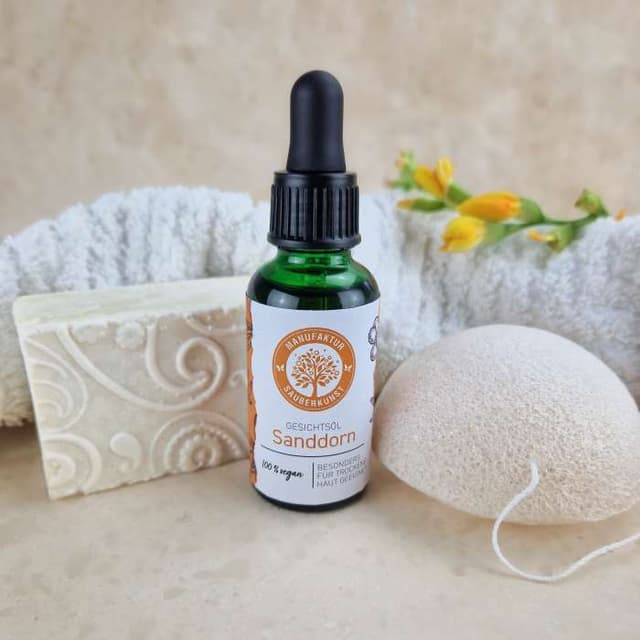
Sauberkunst is a German beauty brand founded in 2012 by Annett Förster and based in Brandenburg. Its identity is strongly shaped by craftsmanship and lower-waste beauty, combining vegan formulas with handmade production, plastic-free choices, and a clear sustainability focus. Fair-trade values add an ethical dimension to the brand’s profile. This is important because Sauberkunst’s positioning does not stop at packaging; it also reflects concern for how ingredients and materials are sourced. The handmade character gives the brand a noticeably different feel from conventional mass-market personal care. Locally made production reinforces that independence and keeps Sauberkunst closely connected to Germany. Plastic-free beauty is one of its most meaningful attributes. For shoppers trying to reduce disposable packaging in their daily routines, the brand offers an alternative to products that rely heavily on bottles, pumps, and multilayer plastic components. Despite these conscious-beauty credentials, Sauberkunst remains in the affordable category. That gives it a particularly useful place in the market, since ethical and sustainable beauty can often become prohibitively expensive. The brand is best suited to customers who want environmental values to be visible in the product itself, not just in marketing. Vegan beauty, fair-trade sourcing, handmade production, plastic-free design, sustainability, local manufacturing, and accessible pricing all contribute to a brand identity centered on practical, everyday conscious beauty.

hello simple featured image

hello simple

Germany · Est. 2016 · Affordable

hello simple is a Berlin beauty brand founded in 2016 by Lisa Mair and Jacqueline Gey. Its name captures the brand’s broader philosophy well: natural and organic beauty should be uncomplicated, lower-waste, and realistic enough to become part of everyday life. The brand is vegan and cruelty-free, but its environmental profile is where it becomes especially distinctive. Plastic-free and zero-waste principles are built into the brand’s positioning, giving shoppers a way to reduce disposable packaging rather than simply switching between different recyclable formats. Handmade and locally made production add a more personal character to the brand. This connection to Berlin helps hello simple stand apart from mass-produced eco-beauty labels and reinforces the sense that the products are developed with small-scale production in mind. Natural and organic ingredients support the same philosophy. The focus is not just on what is left out of the packaging, but also on creating beauty products that feel aligned with a more conscious routine. Its affordable price point is another major advantage. Zero-waste beauty can easily become expensive, but hello simple keeps these values within reach of everyday shoppers. For customers looking for a European beauty brand that combines vegan formulas, natural ingredients, handmade products, local production, plastic-free design, sustainability, and zero-waste thinking, hello simple offers a particularly practical entry into lower-impact beauty.

Dr. Massing Cosmetics featured image

Dr. Massing Cosmetics

Germany · Est. 2014 · Mid-range

Dr. Massing Cosmetics is a German beauty brand founded in 2014 by Erik Massing. The brand sits at the meeting point between natural beauty and more clinically minded skincare, combining natural ingredients with dermatologist-tested products and a strong focus on skin comfort. Sensitive-skin-friendly positioning is one of its clearest strengths. For shoppers who want natural skincare but still prefer products that carry a more considered testing profile, Dr. Massing offers a useful middle ground between botanical beauty and conventional dermatological skincare. Its formulas are also associated with paraben-free beauty, while cruelty-free practices add an animal-welfare consideration. Locally made production gives the brand a clear German identity and supports a more regionally rooted approach to skincare. Sustainability forms part of the broader profile as well, complementing its natural and locally made positioning rather than functioning as a standalone claim. The brand’s underlying price point sits around mid-range even though some of its positioning leans toward luxury. This gives customers a more elevated experience without necessarily entering the highest prestige tier. Dr. Massing Cosmetics is especially relevant for people who want natural skincare to feel both gentle and credible. Its mix of dermatologist testing, sensitive-skin-friendly formulas, cruelty-free values, paraben-free beauty, local production, and everyday usability gives the brand a more balanced identity than purely botanical or purely clinical skincare labels.

Rosenrot featured image

Rosenrot

Germany · Est. 2013 · Affordable

Rosenrot is a German beauty brand founded in 2013 by Karin Ziesmer and based in Heilbronn, Baden-Württemberg. Its identity is built around natural and organic beauty, but what makes the brand particularly interesting is how strongly that formulation philosophy is connected to low-waste product design. Rosenrot is cruelty-free and associated with paraben-free beauty, while biodegradable and plastic-free elements make its sustainability positioning more tangible. Instead of limiting environmental responsibility to recyclable outer boxes, the brand is linked to reducing plastic and using materials that are better suited to lower-waste routines. Locally made production strengthens its German character and gives shoppers a clearer connection between the brand and where its products are produced. That local focus also complements its natural beauty positioning, making the overall approach feel coherent rather than assembled from unrelated claims. Although some of its tags sit around mid-range, Rosenrot is positioned in the affordable beauty segment. That accessibility is important because plastic-free and organic beauty are often priced as premium categories. Its minimalist positioning further supports the idea of buying and using products more intentionally. For customers exploring European beauty, Rosenrot offers a practical combination of natural and organic formulations, cruelty-free values, biodegradable and plastic-free design, local production, sustainability, and everyday usability without turning lower-waste beauty into an expensive niche.

NKM Atelier featured image

NKM Atelier

Germany · Est. 2019 · Mid-range

NKM Atelier is a German skincare brand founded in 2019 by Mareike Peters and Alexander Hefele and based in Munich, Bavaria. The brand is rooted in natural and organic beauty, with handmade production and local craftsmanship playing a central role in how its identity has developed. Rather than presenting skincare as a highly industrial process, NKM Atelier leans into the idea of an atelier: products feel closely connected to making, formulation, and smaller-scale production. That handmade character gives the brand a different tone from many clinical-looking skincare labels and reinforces its place within locally made European beauty. Natural and organic ingredients are at the heart of the brand’s positioning, while vegan and cruelty-free subcategories extend that profile toward animal-friendly beauty. Sustainability is also part of the wider approach, making NKM relevant for shoppers who think about ingredients, production, and environmental impact together. The brand is women-owned and sits around the mid-range price segment, even though some of its presentation has a more premium feel. This balance makes its artisanal and natural positioning more approachable than traditional luxury skincare. For customers interested in German beauty with a hands-on, locally rooted character, NKM Atelier combines organic and natural skincare, handmade production, sustainability, women-owned leadership, local manufacturing, and everyday usability in a way that feels more craft-led than mass-produced.

PURE U featured image

PURE U

Germany · Est. 2019 · Mid-range

Pure U is a German skincare brand founded in 2019 by Carla Ströher and Leonhard Erdsiek and based in Bielefeld, North Rhine-Westphalia. Its approach is built around a restrained version of clean beauty: natural ingredients, vegan and cruelty-free values, fragrance-free formulas, and products designed to make everyday skincare feel easier rather than more complicated. The fragrance-free positioning is particularly important because it gives Pure U a clear relevance for people with sensitive or easily irritated skin. Instead of using scent as part of the product experience, the brand leans toward skin comfort and functional formulation. That fits naturally with its minimalist beauty identity, where the goal is not to build a long routine but to choose products with a clear purpose. Local production strengthens the brand’s German identity and gives its clean beauty positioning a stronger sense of origin. It also distinguishes Pure U from many internationally manufactured skincare labels that rely heavily on minimalist branding without the same local connection. Sitting in the mid-range beauty segment, Pure U offers a step up from basic skincare without moving into luxury pricing. For shoppers looking for a European beauty brand that combines natural skincare, vegan formulas, cruelty-free practices, sensitive-skin-friendly care, fragrance-free products, and locally made production, Pure U offers a focused, practical approach to modern skincare.

puremetics featured image

puremetics

Germany · Est. 2020 · Affordable

puremetics is a Berlin-based beauty brand founded in 2020 by Christopher Cosma and Chidobe Ogbukagu. The brand has one of the clearest environmental identities in this group, with plastic-free and zero-waste beauty positioned alongside vegan and cruelty-free formulation. Its sustainability approach goes beyond a general eco-friendly message. Plastic-free design directly addresses one of the beauty industry’s most persistent waste problems, while zero-waste principles push the brand toward reducing unnecessary materials altogether. Handmade and locally made production add another layer of responsibility and give puremetics a smaller-scale, independent character. Vegan and cruelty-free values make the brand relevant for customers who want their beauty routine to align with animal-friendly choices as well as environmental ones. What makes puremetics particularly accessible is its affordable positioning. Zero-waste and plastic-free beauty are often marketed at premium prices, but the brand brings these ideas into a more attainable category. Minimalist beauty also fits naturally with its philosophy. Reducing packaging, waste, and unnecessary consumption works best when customers are encouraged to buy more intentionally. For shoppers seeking European beauty with a strong sustainability focus, puremetics combines vegan formulas, cruelty-free practices, plastic-free packaging, zero-waste principles, eco-friendly production, handmade products, local manufacturing, and accessible pricing in a modern Berlin beauty brand.

Beyer & Söhne featured image

Beyer & Söhne

Germany · Est. 2011 · Luxury

Beyer & Söhne is a German skincare brand founded in 2011 by Hartmut Beyer, Nico Beyer, and Robby Beyer. Its approach is strongly minimalist, built around straightforward products and formulations designed for customers who prefer focused skincare over large, complicated routines. The brand is vegan and cruelty-free and is associated with fragrance-free and silicone-free beauty. These formulation choices make Beyer & Söhne particularly relevant for shoppers who want to reduce unnecessary ingredients or who prefer skincare with a more restrained profile. Sensitive-skin-friendly positioning adds another practical dimension. Rather than using minimalism only as a visual aesthetic, the brand’s profile suggests a simpler approach that can also suit people who are more selective about what they apply to their skin. Locally made production reinforces its German identity and gives the brand a stronger sense of origin within European beauty. Although its underlying pricing leans toward luxury, the brand sits within the mid-range subcategory, creating a premium but relatively approachable position. Beyer & Söhne is best suited to customers who value clarity over excess. Vegan and cruelty-free practices, fragrance-free and silicone-free formulas, sensitive-skin-friendly products, locally made production, and minimalist everyday skincare form a coherent identity for shoppers who want their routine to feel considered without becoming complicated.

Speick featured image

Speick

Germany · Est. 1928 · Affordable

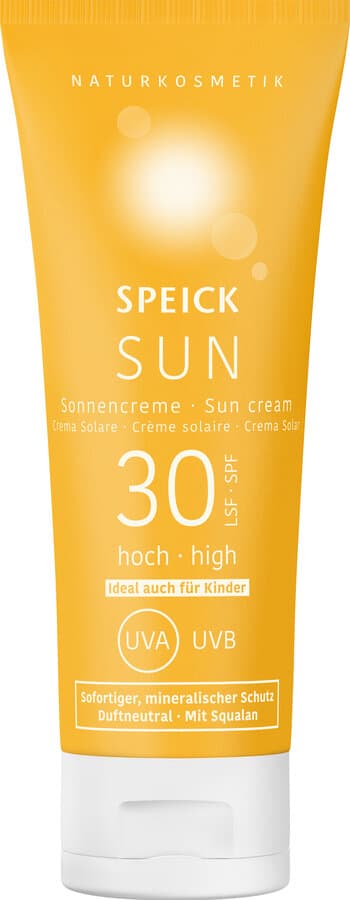
Speick is a German beauty and personal care brand founded in 1928 by Walter Rau and based in Stuttgart-Möhringen, Baden-Württemberg. With almost a century of history, it brings genuine heritage to a category where many brands use tradition primarily as a storytelling device. Natural beauty sits at the heart of Speick’s identity, alongside cruelty-free practices and a long-standing connection to locally made production. Its sustainability profile gives the heritage story a contemporary dimension. Rather than relying entirely on history, the brand also aligns with current expectations around more responsible beauty and everyday product choices. Local production is particularly significant for Speick because it reinforces continuity between the brand’s German origins and how it operates today. The affordable price point keeps the range accessible, which is unusual for a heritage-led beauty brand. Customers can engage with natural and locally made products without paying the premium normally associated with long-established labels. Everyday beauty is where Speick makes the most sense. Its products are intended to become routine essentials rather than occasional luxury purchases. For shoppers interested in European beauty with real historical depth, Speick combines natural ingredients, cruelty-free practices, sustainability, locally made production, affordable pricing, and nearly a century of heritage. That combination gives the brand a character that newer natural beauty companies cannot easily replicate.

Lovely Day featured image

Lovely Day

Germany · Est. 2016 · Mid-range

Lovely Day is a German skincare brand founded in 2016 by Josephine Förster and based in Berlin. The brand brings together clean beauty, vegan and cruelty-free values, sensitive-skin-friendly formulation, and a pared-back approach to everyday skincare. Its clean beauty positioning is supported by a natural beauty profile, making the brand particularly relevant for shoppers who prefer more ingredient-conscious routines. Sensitive-skin-friendly care is one of Lovely Day’s strongest characteristics. It gives the brand a practical reason for keeping routines simple: fewer unnecessary steps and more focused products can be especially appealing to customers who do not want to overload reactive skin. The brand is locally made, strengthening its connection to Berlin and giving it a clearer European identity. Sustainability is another part of the profile, complementing local production and its minimalist approach. Lovely Day sits within the mid-range beauty segment, which allows it to feel considered and specialized while avoiding the highest luxury price points. The result is a beauty brand that feels contemporary without being trend-dependent. Vegan formulas, cruelty-free practices, sensitive-skin-friendly positioning, natural beauty, sustainability, local production, and minimalist routines all support the same philosophy. For shoppers who want Berlin skincare that feels straightforward, conscious, and comfortable enough for everyday use, Lovely Day offers a particularly cohesive option.

i+m Naturkosmetik Berlin featured image

i+m Naturkosmetik Berlin

Germany · Est. 1978 · Mid-range

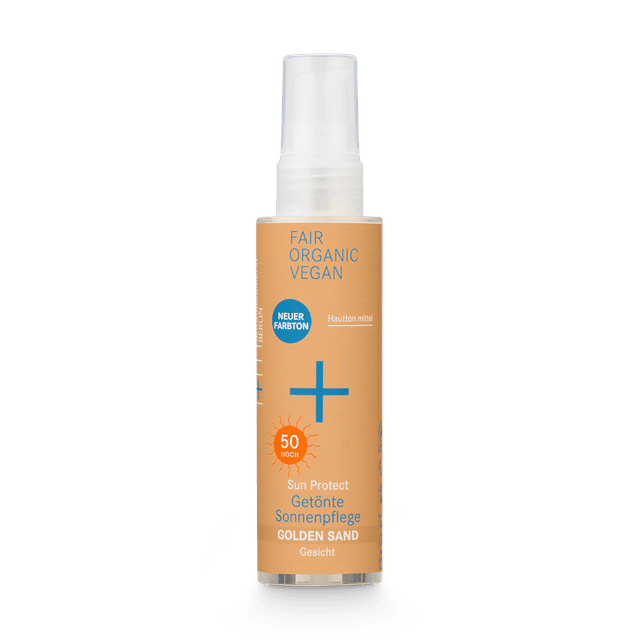
i+m Naturkosmetik Berlin is a German beauty brand founded in 1978 by Inge Stamm and Monika Berg. Its long history gives the brand a particularly interesting place within natural and organic beauty, as it predates much of today’s clean and sustainability-focused skincare movement. Based in Berlin, the brand combines natural and organic ingredients with plant-based formulation, vegan and cruelty-free values, and locally made production. Ethical sourcing is a major part of its profile. Fair-trade principles sit alongside sustainability and eco-friendly practices, giving the brand a broader social and environmental framework rather than focusing solely on ingredient exclusions. The products are also associated with paraben-free and silicone-free beauty, adding further relevance for customers who actively screen formulations. Its mid-range positioning makes this extensive conscious-beauty profile relatively approachable. Customers can access organic, vegan, ethical, and sustainable skincare without stepping fully into luxury pricing. What distinguishes i+m most is its heritage. Established in 1978, it has decades of history behind values that many newer beauty companies have only recently adopted. For shoppers looking for European natural beauty with depth, i+m combines organic skincare, vegan and cruelty-free practices, fair-trade sourcing, ethical production, sustainability, local manufacturing, and everyday usability within one of the more established German conscious-beauty brands.

Ruhi Rituals featured image

Ruhi Rituals

Germany · Est. 2019 · Luxury

RUHI Rituals is a Berlin-based luxury beauty brand founded in 2019 by Britta Hekmat. Its skincare identity is rooted in natural, organic, and plant-based formulation, with a strong emphasis on simplicity and products designed to work within intentional everyday rituals. The brand is vegan and cruelty-free, making it particularly relevant for shoppers looking for premium skincare aligned with animal-friendly values. Fragrance-free beauty adds another important dimension, especially for customers who prefer formulas without added scent. Sensitive-skin-friendly positioning reinforces that gentler approach. Instead of building luxury around complexity, RUHI Rituals leans toward minimalist beauty and products that can be used with purpose. Locally made production keeps the brand closely tied to Berlin and gives its skincare a stronger independent identity than globally standardized prestige labels. Its luxury positioning comes from the combination of formulation, craftsmanship, and a more considered approach to routine rather than simply from exclusivity. RUHI Rituals is best suited to shoppers who want premium European skincare but prefer natural beauty to traditional luxury formulation. Organic and plant-based ingredients, vegan and cruelty-free values, fragrance-free products, sensitive-skin-friendly care, local production, and minimalist routines all work together to create a beauty brand that feels quiet, deliberate, and focused on consistent use.

Junglück featured image

Junglück

Germany · Est. 2018 · Mid-range

Junglück is a German skincare brand founded in 2018 by Benedikt Klarmann and based in Munich. Its philosophy fits naturally within minimalist beauty, with an emphasis on straightforward products, natural ingredients, and routines that feel manageable rather than excessive. The brand is vegan and cruelty-free, making it relevant for customers seeking animal-friendly European skincare. Its natural beauty positioning is complemented by a sensitive-skin-friendly approach, which gives Junglück particular appeal for people who want simplified routines without overlooking skin comfort. Sustainability is another major part of the brand’s identity. Recycled materials and locally made production connect environmental thinking directly to how the products are made and packaged. That local manufacturing also gives Junglück a stronger German identity than brands whose production is detached from their headquarters or marketing. Its mid-range pricing supports the brand’s practical character. Junglück feels more considered than basic skincare while remaining more accessible than many luxury natural beauty labels. The result is a beauty brand that works especially well for customers who value simplicity. Natural ingredients, vegan and cruelty-free practices, sustainable packaging, local production, sensitive-skin-friendly care, and minimalist routines all reinforce the same idea: skincare does not need to be complicated to feel thoughtful. Within European beauty, Junglück offers a particularly coherent version of that philosophy.

Dr. Dabour featured image

Dr. Dabour

Israel · Est. 2010 · Mid-range

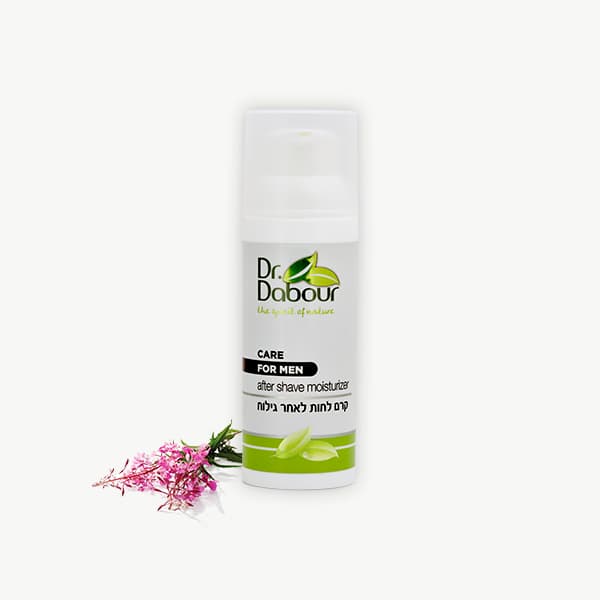
Dr. Dabour is an Israeli beauty brand founded in 2010 by Ziad Dabour and rooted in the Galilee region. Its profile is built around natural, plant-based skincare, local production, heritage, and a strong connection to where its products originate. That sense of place is central to the brand’s character. Rather than presenting natural beauty as a generic global concept, Dr. Dabour combines botanical formulation with locally made production, giving the range a distinctly regional identity. The brand is also vegan, making it relevant for shoppers looking for plant-focused beauty without animal-derived ingredients. Eco-friendly and sustainable beauty principles add a broader environmental dimension, complementing the natural formulation story. Heritage is another important part of Dr. Dabour’s positioning. It gives the brand more depth than a newer clean-beauty label built primarily around contemporary trends. Its products feel connected to a longer tradition of botanical and locally rooted care. Although its listed price range sits around mid-range, the brand carries a luxury beauty positioning through its ingredients, presentation, and emphasis on heritage. For customers looking for natural beauty with a strong regional identity, Dr. Dabour combines vegan skincare, plant-based ingredients, sustainability, local production, and heritage in an Israeli beauty brand designed for regular use as well as a more elevated self-care experience.

Senteurs d’Orient featured image

Senteurs d’Orient

Lebanon · Luxury

Senteurs d’Orient is a Lebanese luxury beauty brand founded by Hana Debs Akkari and based in Beirut. The brand brings together clean beauty, plant-based ingredients, traditional craftsmanship, and heritage, creating products that feel closely connected to place rather than simply borrowing regional inspiration. Its vegan and cruelty-free positioning gives the brand a clear conscious-beauty profile, while paraben-free and silicone-free formulations make it particularly relevant for ingredient-conscious shoppers. Handcrafted and handmade production are central to the experience. This artisanal approach reinforces the brand’s Lebanese identity and gives the products a more personal character than mass-manufactured luxury beauty. Ethical and sustainable values extend that philosophy further. Recycled materials and locally made production add environmental considerations without separating them from the brand’s wider heritage story. Senteurs d’Orient sits firmly within luxury beauty, but its premium positioning comes from more than packaging or price. The brand’s strongest asset is the combination of craftsmanship, clean formulation, and cultural identity. For customers seeking luxury beauty with a clear sense of origin, Senteurs d’Orient brings together vegan and cruelty-free practices, plant-based formulas, sustainability, ethical production, recycled materials, local craftsmanship, and Lebanese heritage. It is especially compelling for shoppers who want premium products to feel connected to both place and tradition.

Delarta featured image

Delarta

United Arab Emirates · Est. 2017 · Mid-range

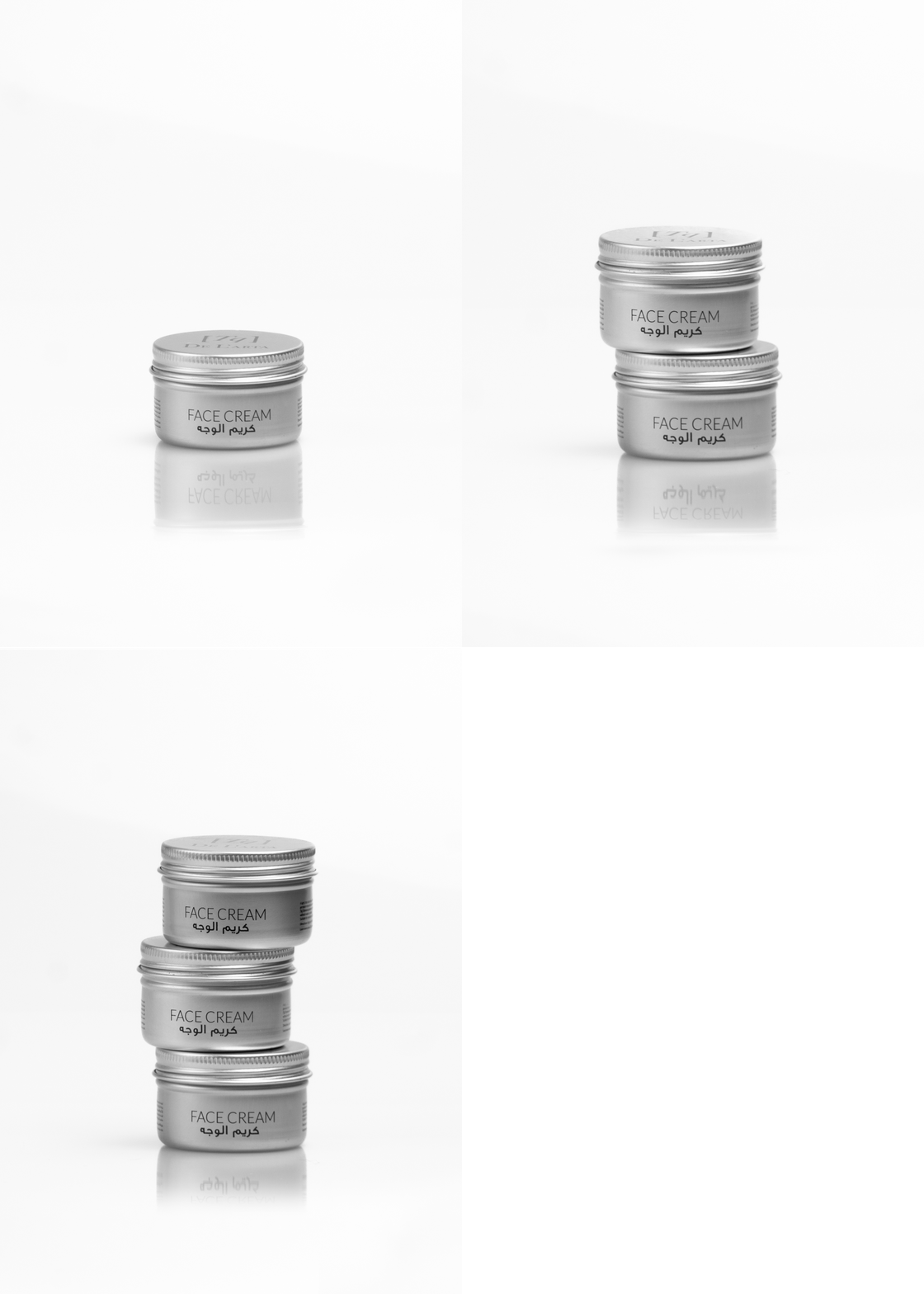
De L’Arta is a UAE beauty brand founded in 2017 by Lina Fayez Yousef, Saeed AlKhoori, and Sarah Yousef and based in Abu Dhabi. The brand combines clean beauty with plant-based ingredients, local production, and a strong sustainability profile. Its cruelty-free positioning makes De L’Arta relevant for shoppers who want animal-friendly products, while paraben-free and sulfate-free formulations add further appeal for ingredient-conscious customers. Sustainability is one of the most distinctive parts of the brand’s identity. Upcycled elements give it an additional environmental dimension, showing an interest in finding value in materials or ingredients that might otherwise be wasted. Locally made production reinforces De L’Arta’s connection to Abu Dhabi and helps the brand stand apart from globally standardized clean-beauty companies. The brand sits within the mid-range beauty category, offering a considered product experience without moving fully into luxury pricing. Its natural beauty positioning also complements the plant-based formulation profile, creating a strong fit for customers who want skincare or beauty products that feel both modern and connected to more conscious ingredient choices. For shoppers exploring Middle Eastern beauty, De L’Arta brings together clean formulation, cruelty-free values, sustainability, upcycling, local production, plant-based ingredients, and practical everyday use in a brand with a distinct UAE identity.

Shirley Conlon Organics featured image

Shirley Conlon Organics

United Arab Emirates · Mid-range

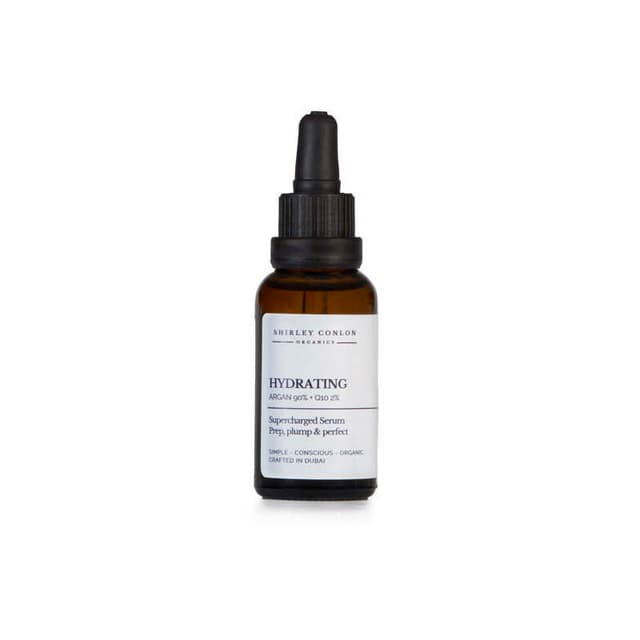
Shirley Conlon Organics is a Dubai-based beauty brand founded by Shirley Conlon. The brand takes a premium approach to clean skincare, combining natural and organic ingredients with vegan, cruelty-free, and non-toxic beauty principles. Handmade and locally made production are central to its character. These qualities give the brand a more artisanal identity and strengthen its connection to Dubai rather than presenting it as a generic international clean-beauty label. Its minimalist beauty positioning also makes the range relevant for customers who prefer fewer, more intentional products. Rather than encouraging complex routines, the brand fits naturally with customers who want straightforward skincare built around high-quality ingredients. Sustainability adds another dimension, connecting the formulation philosophy with a broader environmental perspective. Although the underlying pricing sits closer to mid-range, the brand is positioned within luxury beauty thanks to its ingredient profile, handmade production, and premium presentation. For customers seeking a clean beauty brand from the UAE, Shirley Conlon Organics offers a particularly comprehensive mix of natural and organic ingredients, vegan and cruelty-free values, non-toxic positioning, local craftsmanship, sustainability, and minimalist routines. Its strongest appeal is the coherence between formulation and production: the brand does not simply use “organic” as a label, but builds its wider identity around thoughtful ingredients, small-scale making, and a more intentional approach to everyday skincare.

Ahal featured image

Ahal

Mexico · Est. 2008 · Mid-range

AHAL is a Mexican beauty brand founded in 2008 by Iliana Loza Garza and based in Monterrey, Nuevo León. The women-owned brand has a strong natural and organic identity, combining clean beauty with ethical sourcing, sustainability, and locally made production. Cruelty-free beauty is an important part of AHAL’s positioning, while hypoallergenic products make the brand especially relevant for customers who want more considered formulas within a natural beauty routine. Its ethical and fair-trade profile adds depth beyond ingredient selection. Rather than focusing only on what goes into the product, AHAL’s positioning also reflects concern for how ingredients are sourced and how production connects to people and communities. Sustainability fits naturally within that approach, while locally made production reinforces the brand’s connection to Mexico and gives it a stronger regional identity. The brand sits within the mid-range beauty segment, making natural and organic products more accessible than traditional luxury clean-beauty labels. AHAL’s strongest appeal lies in how these ideas work together: natural ingredients, organic beauty, cruelty-free values, hypoallergenic positioning, fair-trade practices, sustainability, women-owned leadership, and Mexican production. For shoppers who want conscious beauty with a clear sense of origin and ethical purpose, AHAL offers a particularly well-rounded alternative to globally standardized skincare and cosmetics brands.

Can't find what you're looking for?

We add new sites every week but if you have a specific request, let us know.