List of 550+ Mid-Range Brands – Page 9

Brands 193–216 of 599. Back to page 1 · Browse brands A–Z

Brands

599 brands

Z SUPPLY featured image

Z SUPPLY

USA · Est. 2013 · Mid-range

Z SUPPLY is an affordable American clothing label for women, founded in 2013 by apparel industry veterans Greg Garrett, Glen Reder and John Zhao, and based in Costa Mesa, California. It began in nearby Irvine with a single pocket tee, and Garrett brought decades of experience from surf brands such as Hang Ten and Ocean Pacific and from womenswear labels including BB Dakota. Every piece reflects the beauty of simplicity, lasting quality and a touch of coastal spirit. The brand has grown from soft knit tees into ready-to-wear, loungewear and eyewear, with staples such as the Foundation Slub Tee and Rowe Rib Scoop Tank, Lounge pieces in luxe modal, sweaters, dresses, coats and a denim collection. Its clothing is made in China, where the company has long worked with its own factory. Behind Z SUPPLY is a predominantly female-led team, with former Billabong creative director Mandy Fry joining as president in 2019. It focuses on soft, flattering fabrics, modern silhouettes and effortless details designed for real life. In 2021 it launched the Z SUPPLY Foundation, which supports the next generation of artists and designers through scholarships and partnerships. It sells online and through boutiques nationwide.

Vege Threads featured image

Vege Threads

Australia · Est. 2013 · Mid-range

Vege Threads is an Australian organic, minimalist clothing label for women and men, founded in Melbourne in 2013 by Amy Roberts. Roberts started the brand driven by a passion for sustainable clothing and a commitment to supporting local makers. Its considered designs are everyday basics made in limited numbers, and the brand aims to connect with people who share its values and grow its community. The range covers tees, singlets, long sleeves, sweaters, track pants and lounge pants, plus merino socks. Signature pieces include the Organic Classic Tee, the Hemp Crop Tee, the Merino Skivvy, the Organic Relaxed Sweater, the Organic Relaxed Track Pant and the Winter Twill Pant. Everything is made in Australia, mainly at a Melbourne factory it has worked with for about a decade. Vege Threads uses organic, eco-conscious materials. Its 100% organic cotton and merino fabrics are knitted and dyed at its Melbourne mill, and its hemp and organic cotton blend is chosen for its lower environmental impact and distinctive texture. The brand works closely with some of Australia's last remaining fabric mills and dye houses, helping to preserve local textile skills and industry.

SEEKER featured image

SEEKER

USA · Est. 2016 · Mid-range

SEEKER is a gender-neutral, organic American clothing label, founded in Los Angeles in 2016 by designer Ally Ferguson. A Los Angeles native with more than 15 years in fashion, Ferguson worked at labels including G-Star Raw, Ed Hardy and Field Scout and founded Metta Agency, a design and manufacturing platform for celebrity brands such as Tyler, the Creator's Golf Wang and Kimoji. Inspired by the utilitarian clothing of spiritual cultures she met while travelling, she created SEEKER as an ethical, effortless daily uniform. The minimalist collection includes gender-inclusive shirts, tops, trousers, jackets, robes, shorts and socks in relaxed, adaptable fits for different genders, ages and bodies. Garments are made in small batches in Los Angeles, using organic hemp, organic cotton and other natural fibres, with occasional silk. Hemp is central to the brand's sustainability story: it needs roughly half the water of cotton, little to no pesticide and returns nutrients to the soil. Ferguson's manifesto also champions regenerative agriculture and clothing as a daily ritual rather than a disposable purchase. Ferguson competed on Season 2 of Amazon Prime Video's Making the Cut, which brought SEEKER global exposure, and the brand has been featured by Cannabis Now.

Emmy Kasbit featured image

Emmy Kasbit

Nigeria · Est. 2014 · Mid-range

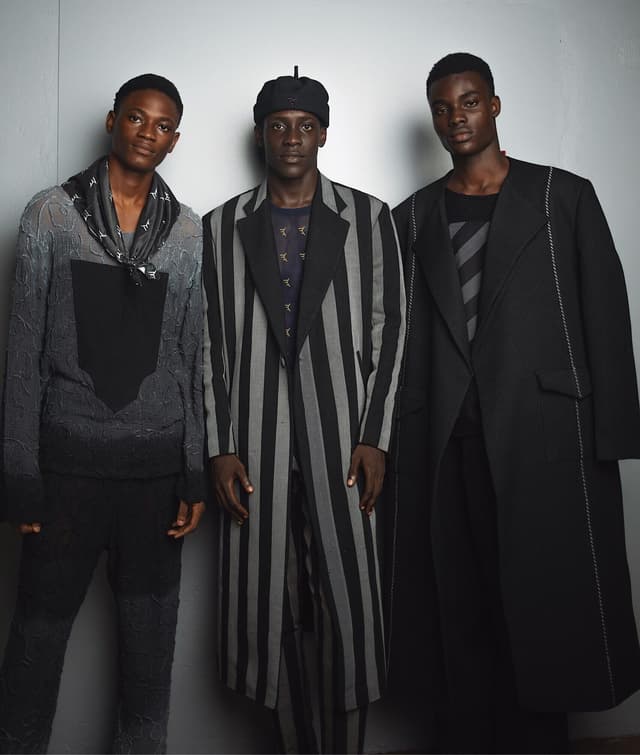
Emmy Kasbit is a Nigerian designer label for men and women, founded in Lagos in 2014 by designer Emmanuel Okoro. Describing itself as a sustainable brand and atelier, it tells fashion stories through multicultural references and significant historical moments. Its aesthetic draws on architecture, sartorial dressing and traditional craftsmanship, giving traditional staples a modern edge through bold lines, vibrant colours and texture. The range centres on refined tailoring: jackets, shirts, trousers and coats, alongside its Emmy Kasbit Classics selection. Everything is made in Nigeria, and many pieces are cut from handwoven Akwete cloth in cotton, linen and silk. Each season Okoro develops textile patterns, some based on Nsibidi symbols, and sends his yarns and designs to women weavers in eastern Nigeria, working from a hub in Abia State. The label's mission is to preserve culture, eradicate poverty and enhance liberty through all of its fashion processes, reviving an almost-lost craft. Okoro won the Fashion Focus Fund at Lagos Fashion Week in 2018 and the inaugural Africa Fashion Up prize in Paris in 2021, organised with Balenciaga. The independent label has also shown in Milan with Vogue Talents and shows at Lagos Fashion Week.

Nielanell featured image

Nielanell

UK · Est. 2008 · Mid-range

Nielanell is a Scottish knitwear label, founded in Hoswick in 2008 by textile designer Niela Nell Kalra. A change of career brought Kalra to Shetland and into the world of knitwear, and she works in her own contemporary style as part of the islands' vibrant textile community, drawing on Shetland's rich knitting heritage. Her designs range from new takes on traditional Shetland knitwear to original and unusual garments, made for wearing rather than following trends. The label makes jumpers, capes, wraps, jackets, tunics, scarves, cowls and wristwarmers with bold patterns and unusual shapes. Signature pieces include the Hoswick Paint Jumper, the Inklines Jacket, the Rani Long Cape, the Marlet Wrap and the Ebb-stanes Cowl. Every design is created in the studio in Hoswick, a small village in the South Mainland of Shetland. Knitted panels are made in very small batches by specialist knitters in mainland UK, then each garment is linked and hand-finished by the in-house team in Shetland, mostly in 100% extra-fine merino wool. The studio shop is open to visitors, and during Shetland Wool Week Nielanell hosts free events including open studio days, behind-the-scenes tours and a makkers' drop-in.

Love Stories featured image

Love Stories

Netherlands · Est. 2013 · Mid-range

Love Stories is a Dutch lingerie label for women, founded in Amsterdam in 2013 by Marloes Hoedeman. A former interior stylist, Hoedeman set out to bring fun back into lingerie and break its rules, designing pieces that are fashion-forward, self-expressive and comfortable, made for women to wear for themselves rather than for someone else. For more than ten years the brand has positioned itself as a playful provocateur in a male-dominated industry, designing from a female perspective. Its First Layer lingerie is built on "perfect mismatches", mix-and-match sets that create a playful, feminine and sensual style. The range includes unpadded bralettes such as the Darling and Love Lace, padded bras like the Bonnie and Tori, and strings, briefs and shorts. Its Second Layer, called Whateverwear, pushes back against categories with camisoles, tees, skirts and knits such as the Miranda. Love Stories works largely with lace, and many Whateverwear pieces are made from lightweight cotton, silk or rayon, with some styles in organic cotton. Hoedeman remains creative director. The brand has a store on Amsterdam's Herengracht and Houses of Love boutiques in cities including Antwerp, Barcelona, Berlin, Madrid and Paris, plus an Archive store in London.

Olderbrother featured image

Olderbrother

USA · Est. 2014 · Mid-range

Olderbrother is an American gender-neutral clothing label founded in Portland in 2014 by designers Max Kingery and Bobby Bonaparte. The label is built on slow fashion and natural dyeing, colouring its garments with ingredients such as turmeric, clay, charcoal and persimmon to create earthy tones. The range includes shirts, tees, tanks, trousers, jackets, vests and outerwear. Signature pieces include the Anti Fit Shirt, the Tee and the Tank in naturally dyed colours like Gold Clay and Red Clay, the Corduroy Cruiser, the Sherpa Chore Coat, the Waxed Windbreaker and the Waxed Puff Vest, along with its "Hand Me Downs" pieces. Natural dyeing sits at the heart of the label, and its earthy palette of clay, gold and charcoal tones ties the whole range together, from simple tees and tanks to waxed outerwear. All of the clothing is made and naturally dyed in California. Olderbrother works with materials such as organic cotton, hemp, silk and deadstock fabrics, as well as hand-beeswaxed Japanese broadcloth for its waxed outerwear. The label remains independent and is run by its two co-founders from Portland, Oregon.

Carleen featured image

Carleen

USA · Est. 2012 · Mid-range

Carleen is an American upcycled clothing label for women, founded in 2012 by Kelsy Parkhouse and based in Long Beach, California. The label is named after the middle name Parkhouse shared with her grandmother Connie, and it is inspired by western landscapes, the bright California light and the rich history of American quilting, which informs its aesthetic both visually and metaphorically. Carleen makes truly wearable clothing such as the Big Parka, Quilt Track Shorts, the Patchwork Wrap Jacket, the Smock Mini Dress and Kick Flare Pants, along with shirts, sweatshirts, skirts, ball caps and vintage patches. Everything is made by hand in California. The label is inspired by the patina of vintage textiles. Pieces are made from vintage quilts, feed sacks and deadstock fabrics that Parkhouse sources at places such as the Long Beach flea market and the Rose Bowl, so everything is one-of-a-kind or limited-edition. Carleen has been featured by Vogue and The Cut. Kendall Jenner modelled a pair of two-toned Carleen jeans in a Vogue spread, and Lena Dunham shared a Carleen chevron jacket on Instagram.

Eco Tan featured image

Eco Tan

Australia · Est. 2010 · Mid-range

Eco Tan is an Australian beauty brand founded in 2010 by Sonya Driver and based in Currumbin on Queensland’s Gold Coast. The brand has built a broad conscious-beauty identity around natural and organic ingredients, vegan and cruelty-free values, local production, and sustainability. Its formulation profile is particularly comprehensive. Eco Tan sits within clean beauty and natural beauty while also being associated with non-toxic and sensitive-skin-friendly products. This gives the brand relevance for shoppers who want naturally focused formulas but are equally concerned about how those products feel on more delicate skin. Vegan and cruelty-free positioning adds an animal-friendly dimension, while ethical beauty and sustainability extend the conversation beyond formulation alone. Locally made production is another important feature. It strengthens Eco Tan’s Australian identity and helps connect the brand’s environmental values to a more regionally rooted manufacturing approach. The brand occupies the mid-range beauty segment, making organic and sustainability-led products more approachable than many premium alternatives. Recycled beauty also forms part of its wider subcategory profile, reinforcing the focus on reducing environmental impact. For shoppers who want an Australian beauty brand with multiple conscious credentials in one place, Eco Tan offers natural and organic formulation, vegan and cruelty-free practices, sensitive-skin-friendly products, sustainability, ethical values, recycled materials, and locally made production without pushing the experience into luxury-only territory.

Zove Beauty featured image

Zove Beauty

Australia · Mid-range

Zove Beauty is an Australian beauty brand founded by Adeline Yeak. The women-owned brand combines clean beauty with a strong ingredient-conscious and sustainability-led profile, sitting comfortably within the mid-range segment. Its formulas are associated with paraben-free, sulfate-free, and silicone-free beauty, giving shoppers clear guidance around ingredients they may prefer to avoid. Cruelty-free positioning adds an animal-welfare consideration to that clean formulation story. Sustainability is one of the brand’s stronger themes. Recycled materials and locally made production connect environmental thinking to both packaging and manufacturing, while its Australian identity gives Zove a clearer regional connection. Minimalist beauty also fits naturally with the brand. Instead of encouraging overly complicated routines, the profile suggests a more edited approach built around products that can be used consistently. The mid-range price point helps Zove strike a useful balance between accessibility and a more considered beauty experience. It feels more specialized than entry-level personal care but avoids the exclusivity associated with traditional luxury skincare. For shoppers looking for Australian clean beauty with a practical environmental focus, Zove Beauty brings together paraben-free, sulfate-free and silicone-free formulations, sustainability, recycled materials, local production, women-owned leadership, and minimalist everyday routines. The brand’s strongest appeal lies in how formulation and environmental responsibility are presented as parts of the same beauty philosophy.

The Breakout Hack featured image

The Breakout Hack

Australia · Est. 2020 · Affordable

The Breakout Hack is an Australian beauty brand founded in 2020 by Rachael Wilde. Its identity is intentionally focused on straightforward skincare, with vegan and cruelty-free values, fragrance-free formulation, sensitive-skin-friendly products, and a minimalist approach to everyday routines. The fragrance-free profile is particularly relevant for people who want to reduce potential irritants or simply prefer skincare without added scent. Combined with its sensitive-skin-friendly positioning, this gives the brand a clear practical purpose rather than relying only on lifestyle branding. Vegan and cruelty-free beauty add an animal-friendly dimension, while minimalism keeps the routine manageable. The Breakout Hack is better suited to shoppers who want a smaller number of purposeful products than those who enjoy long, multi-step regimens. Its underlying pricing is relatively affordable even though the brand is positioned around the mid-range category. That makes more targeted, sensitive-skin-conscious skincare easier to access without premium pricing. Everyday beauty is central to the brand’s value. Its products are intended to become repeatable parts of a routine rather than occasional treatments. For customers looking for Australian skincare that feels direct and uncomplicated, The Breakout Hack combines vegan beauty, cruelty-free practices, fragrance-free products, sensitive-skin-friendly care, minimalist routines, and accessible pricing. Its strongest appeal is clarity: fewer distractions, fewer unnecessary layers, and a more focused approach to daily skincare.

Alison Jade featured image

Alison Jade

Australia · Est. 2007 · Mid-range

Alison Jade is an Australian beauty brand established in 2007 and based in Cottesloe, near Perth in Western Australia. The women-owned brand sits within the mid-range category and is built around products that fit comfortably into everyday beauty rather than relying on highly specialized or occasional-use positioning. Its strength lies in practicality. Alison Jade is relevant for customers who want beauty products that can move between casual daily wear and more polished routines without requiring professional-level techniques or luxury spending. Cruelty-free beauty is part of the brand’s subcategory profile, giving shoppers an animal-friendly consideration alongside its everyday focus. The brand’s Western Australian base also provides a clear local identity. In a market crowded with global beauty names, this regional connection gives Alison Jade a stronger sense of place and makes it relevant for customers who prefer supporting Australian-founded businesses. The mid-range pricing offers a useful balance: products feel more elevated than basic entry-level beauty while remaining more approachable than prestige cosmetics. Having been established in 2007 also gives Alison Jade a longer track record than many newer independent beauty brands. That longevity adds a degree of continuity to its identity. For shoppers seeking Australian beauty that is practical, cruelty-free, women-owned, and suitable for regular routines, Alison Jade offers an established mid-range option with a clear focus on everyday wearability.

Cloudicos featured image

Cloudicos

Australia · Est. 2020 · Mid-range

Cloudicos is an Australian beauty brand founded in 2020 by Amy Xu and based in Sydney, New South Wales. The brand combines vegan and cruelty-free values with a sensitive-skin-friendly approach, creating products designed for customers who want everyday beauty without making skin comfort an afterthought. Its vegan and cruelty-free positioning gives Cloudicos a clear animal-friendly identity, while the sensitive-skin focus adds a more practical reason for choosing the brand. This makes it especially relevant for shoppers who want modern Australian beauty products but are cautious about formulas that may feel overly harsh or difficult to tolerate. The brand sits in the mid-range segment, giving it enough space to feel more considered than entry-level beauty while remaining approachable compared with luxury pricing. Everyday usability is central to its appeal. Cloudicos is not positioned around complicated routines or occasional treatments; the products are intended to fit naturally into regular beauty habits. The Sydney base also gives the brand a clear Australian identity, helping distinguish it from internationally manufactured labels with little regional connection. Cloudicos is best suited to shoppers who want conscious beauty to remain straightforward. Vegan formulas, cruelty-free practices, sensitive-skin-friendly products, mid-range pricing, and an everyday approach all work together to create a brand that feels modern and usable rather than overly clinical or trend-driven.

Rosenrot featured image

Rosenrot

Germany · Est. 2013 · Affordable

Rosenrot is a German beauty brand founded in 2013 by Karin Ziesmer and based in Heilbronn, Baden-Württemberg. Its identity is built around natural and organic beauty, but what makes the brand particularly interesting is how strongly that formulation philosophy is connected to low-waste product design. Rosenrot is cruelty-free and associated with paraben-free beauty, while biodegradable and plastic-free elements make its sustainability positioning more tangible. Instead of limiting environmental responsibility to recyclable outer boxes, the brand is linked to reducing plastic and using materials that are better suited to lower-waste routines. Locally made production strengthens its German character and gives shoppers a clearer connection between the brand and where its products are produced. That local focus also complements its natural beauty positioning, making the overall approach feel coherent rather than assembled from unrelated claims. Although some of its tags sit around mid-range, Rosenrot is positioned in the affordable beauty segment. That accessibility is important because plastic-free and organic beauty are often priced as premium categories. Its minimalist positioning further supports the idea of buying and using products more intentionally. For customers exploring European beauty, Rosenrot offers a practical combination of natural and organic formulations, cruelty-free values, biodegradable and plastic-free design, local production, sustainability, and everyday usability without turning lower-waste beauty into an expensive niche.

PURE U featured image

PURE U

Germany · Est. 2019 · Mid-range

Pure U is a German skincare brand founded in 2019 by Carla Ströher and Leonhard Erdsiek and based in Bielefeld, North Rhine-Westphalia. Its approach is built around a restrained version of clean beauty: natural ingredients, vegan and cruelty-free values, fragrance-free formulas, and products designed to make everyday skincare feel easier rather than more complicated. The fragrance-free positioning is particularly important because it gives Pure U a clear relevance for people with sensitive or easily irritated skin. Instead of using scent as part of the product experience, the brand leans toward skin comfort and functional formulation. That fits naturally with its minimalist beauty identity, where the goal is not to build a long routine but to choose products with a clear purpose. Local production strengthens the brand’s German identity and gives its clean beauty positioning a stronger sense of origin. It also distinguishes Pure U from many internationally manufactured skincare labels that rely heavily on minimalist branding without the same local connection. Sitting in the mid-range beauty segment, Pure U offers a step up from basic skincare without moving into luxury pricing. For shoppers looking for a European beauty brand that combines natural skincare, vegan formulas, cruelty-free practices, sensitive-skin-friendly care, fragrance-free products, and locally made production, Pure U offers a focused, practical approach to modern skincare.

Beyer & Söhne featured image

Beyer & Söhne

Germany · Est. 2011 · Luxury

Beyer & Söhne is a German skincare brand founded in 2011 by Hartmut Beyer, Nico Beyer, and Robby Beyer. Its approach is strongly minimalist, built around straightforward products and formulations designed for customers who prefer focused skincare over large, complicated routines. The brand is vegan and cruelty-free and is associated with fragrance-free and silicone-free beauty. These formulation choices make Beyer & Söhne particularly relevant for shoppers who want to reduce unnecessary ingredients or who prefer skincare with a more restrained profile. Sensitive-skin-friendly positioning adds another practical dimension. Rather than using minimalism only as a visual aesthetic, the brand’s profile suggests a simpler approach that can also suit people who are more selective about what they apply to their skin. Locally made production reinforces its German identity and gives the brand a stronger sense of origin within European beauty. Although its underlying pricing leans toward luxury, the brand sits within the mid-range subcategory, creating a premium but relatively approachable position. Beyer & Söhne is best suited to customers who value clarity over excess. Vegan and cruelty-free practices, fragrance-free and silicone-free formulas, sensitive-skin-friendly products, locally made production, and minimalist everyday skincare form a coherent identity for shoppers who want their routine to feel considered without becoming complicated.

Lovely Day featured image

Lovely Day

Germany · Est. 2016 · Mid-range

Lovely Day is a German skincare brand founded in 2016 by Josephine Förster and based in Berlin. The brand brings together clean beauty, vegan and cruelty-free values, sensitive-skin-friendly formulation, and a pared-back approach to everyday skincare. Its clean beauty positioning is supported by a natural beauty profile, making the brand particularly relevant for shoppers who prefer more ingredient-conscious routines. Sensitive-skin-friendly care is one of Lovely Day’s strongest characteristics. It gives the brand a practical reason for keeping routines simple: fewer unnecessary steps and more focused products can be especially appealing to customers who do not want to overload reactive skin. The brand is locally made, strengthening its connection to Berlin and giving it a clearer European identity. Sustainability is another part of the profile, complementing local production and its minimalist approach. Lovely Day sits within the mid-range beauty segment, which allows it to feel considered and specialized while avoiding the highest luxury price points. The result is a beauty brand that feels contemporary without being trend-dependent. Vegan formulas, cruelty-free practices, sensitive-skin-friendly positioning, natural beauty, sustainability, local production, and minimalist routines all support the same philosophy. For shoppers who want Berlin skincare that feels straightforward, conscious, and comfortable enough for everyday use, Lovely Day offers a particularly cohesive option.

MERME Berlin featured image

MERME Berlin

Germany · Est. 2014 · Mid-range

MERME Berlin is a German skincare brand founded in 2014 by Claire Ralston and based in Berlin. Its identity is distinctly minimalist, with a focus on straightforward products, vegan and cruelty-free values, and skincare that does not rely on unnecessary complexity. Fragrance-free beauty is an important part of the brand’s profile, giving MERME particular relevance for customers who prefer skincare without added scent. Its sensitive-skin-friendly positioning strengthens that appeal for people who are more cautious about irritation. Dermatologist-tested products add another layer of confidence, creating a useful balance between minimalist beauty and more considered product evaluation. The brand sits within the mid-range European beauty category, providing a more refined experience than basic skincare while remaining more approachable than traditional luxury labels. MERME’s Berlin identity also matters. The brand feels closely aligned with the city’s pared-back, functional aesthetic, and that simplicity carries through its beauty positioning. Instead of asking customers to build long routines, MERME works best for people who prefer a smaller number of purposeful products they can use consistently. For shoppers seeking European skincare that combines vegan and cruelty-free values, fragrance-free formulation, dermatologist-tested products, sensitive-skin-friendly care, minimalist design, and everyday usability, MERME Berlin offers a particularly focused alternative to more elaborate skincare brands.

gitti featured image

gitti

Germany · Est. 2018 · Mid-range

gitti Conscious Beauty is a Berlin-based beauty brand founded in 2018 by Jennifer Baum-Minkus. Its identity is shaped by clean beauty, plant-based formulation, vegan and cruelty-free values, and a strong interest in reducing the environmental footprint of everyday cosmetics. Packaging is an important part of that story. Recycled materials and refillable formats give the sustainability positioning something tangible, allowing customers to reduce reliance on single-use beauty packaging. The brand’s plant-based approach fits naturally alongside vegan beauty, while cruelty-free practices make it relevant for customers who want animal-friendly products throughout their routines. gitti sits within the mid-range beauty segment, which gives the brand an elevated feel without placing its conscious-beauty features exclusively in the luxury category. Locally made production also strengthens its connection to Berlin and European beauty, adding a clearer sense of origin to the brand. What makes gitti interesting is the way formulation and packaging are treated together. Sustainability is not restricted to one material or one product line; it forms part of a broader beauty philosophy. For customers seeking a modern European beauty brand, gitti combines vegan formulas, cruelty-free practices, recycled materials, refillable design, plant-based beauty, local production, and everyday usability. It is particularly relevant for shoppers who want sustainability to be built into how beauty products are used and repurchased.

i+m Naturkosmetik Berlin featured image

i+m Naturkosmetik Berlin

Germany · Est. 1978 · Mid-range

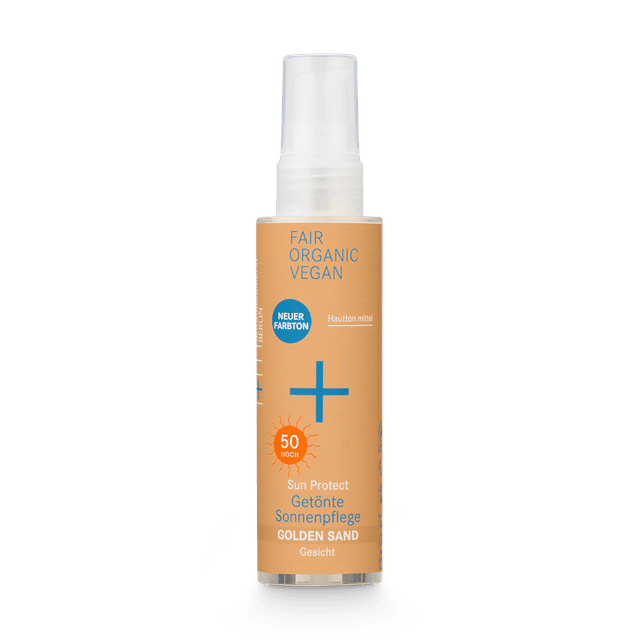
i+m Naturkosmetik Berlin is a German beauty brand founded in 1978 by Inge Stamm and Monika Berg. Its long history gives the brand a particularly interesting place within natural and organic beauty, as it predates much of today’s clean and sustainability-focused skincare movement. Based in Berlin, the brand combines natural and organic ingredients with plant-based formulation, vegan and cruelty-free values, and locally made production. Ethical sourcing is a major part of its profile. Fair-trade principles sit alongside sustainability and eco-friendly practices, giving the brand a broader social and environmental framework rather than focusing solely on ingredient exclusions. The products are also associated with paraben-free and silicone-free beauty, adding further relevance for customers who actively screen formulations. Its mid-range positioning makes this extensive conscious-beauty profile relatively approachable. Customers can access organic, vegan, ethical, and sustainable skincare without stepping fully into luxury pricing. What distinguishes i+m most is its heritage. Established in 1978, it has decades of history behind values that many newer beauty companies have only recently adopted. For shoppers looking for European natural beauty with depth, i+m combines organic skincare, vegan and cruelty-free practices, fair-trade sourcing, ethical production, sustainability, local manufacturing, and everyday usability within one of the more established German conscious-beauty brands.

Xeno Naturkosmetik featured image

Xeno Naturkosmetik

Germany · Est. 2019 · Mid-range

Xeno Naturkosmetik is a German skincare brand founded in 2019 by Lara Schimweg, Lukas Böhnlein, and Fabian Mrowka and based in Hamburg. The brand is built around natural and organic beauty, with a strong emphasis on uncomplicated skincare and locally rooted production. Its natural formulation profile gives Xeno a clear place within European beauty, particularly for shoppers who prefer products shaped by botanical and organic ingredients rather than conventional mass-market formulations. Cruelty-free beauty is another important part of the brand’s identity, while its subcategory positioning also connects Xeno with vegan and paraben-free beauty. Sustainability supports that ingredient-conscious philosophy, making environmental responsibility part of the brand’s wider story. Minimalist beauty is especially relevant to Xeno. The brand suits customers who want a focused routine rather than a crowded shelf of overlapping products. Local production further strengthens that sense of intentionality and keeps the company connected to Germany. The mid-range price point provides a useful balance. Xeno feels more considered than entry-level skincare without pushing customers toward traditional luxury pricing. For shoppers looking for a German beauty brand that combines natural and organic ingredients, cruelty-free values, sustainability, local production, minimalist routines, and everyday practicality, Xeno Naturkosmetik offers a cohesive and distinctly European approach to modern skincare.

This Place featured image

This Place

Germany · Est. 2020 · Luxury

This Place is a Berlin-based beauty brand founded in 2020 by Laura Simonow. Its skincare philosophy combines natural and plant-based ingredients with vegan and cruelty-free values, creating a routine that feels particularly suited to customers drawn to minimalist, conscious beauty. The brand’s sensitive-skin-friendly positioning is important because it adds practicality to the natural formulation story. Customers are not simply choosing products because they are plant-based; the range is also positioned around skin comfort and regular use. Sustainability and eco-friendly practices deepen that conscious identity. Locally made production connects the brand to Berlin and gives it a stronger sense of origin, while the minimalist approach naturally supports the idea of choosing fewer, more purposeful products. Although its listed pricing leans toward luxury, the brand sits within a mid-range subcategory, giving it a premium feel without placing it entirely in traditional prestige beauty. This Place works best for shoppers who want skincare to feel calm and intentional rather than complicated. Vegan formulas, cruelty-free values, plant-based ingredients, sensitive-skin-friendly care, sustainability, and local production all reinforce that direction. For customers exploring European natural beauty, This Place offers a modern Berlin interpretation: thoughtful skincare, pared-back routines, and environmental values brought together in products designed for everyday use rather than excess.

Colibri Skincare featured image

Colibri Skincare

Est. 2016 · Mid-range

colibri skincare is a European skincare brand founded in 2016 by Moritz Jäger and Rony Riola. Its identity is built less around lifestyle storytelling and more around straightforward formulation choices, making it especially relevant for shoppers who want skincare to feel purposeful and easy to navigate. The brand is vegan and cruelty-free and is associated with fragrance-free formulas, giving it a strong fit for customers who prefer animal-friendly beauty while limiting unnecessary fragrance in their routines. Dermatologist-tested positioning adds a more clinical layer, while sensitive-skin-friendly products make the brand particularly relevant for people who need to be cautious about irritation. Minimalist beauty also runs through its profile. colibri skincare is better suited to focused routines than to the idea of endlessly adding new steps. Its mid-range positioning allows customers to access more specialized skincare without the price point of traditional luxury brands. Paraben-free beauty and locally made production further strengthen the brand’s place within conscious European skincare. The appeal of colibri skincare lies in that practical combination: vegan and cruelty-free values, fragrance-free products, dermatologist testing, sensitive-skin-friendly formulation, local production, and minimalist everyday use. It is a beauty brand for customers who care more about building a clear, manageable routine than following every new skincare trend.

Junglück featured image

Junglück

Germany · Est. 2018 · Mid-range

Junglück is a German skincare brand founded in 2018 by Benedikt Klarmann and based in Munich. Its philosophy fits naturally within minimalist beauty, with an emphasis on straightforward products, natural ingredients, and routines that feel manageable rather than excessive. The brand is vegan and cruelty-free, making it relevant for customers seeking animal-friendly European skincare. Its natural beauty positioning is complemented by a sensitive-skin-friendly approach, which gives Junglück particular appeal for people who want simplified routines without overlooking skin comfort. Sustainability is another major part of the brand’s identity. Recycled materials and locally made production connect environmental thinking directly to how the products are made and packaged. That local manufacturing also gives Junglück a stronger German identity than brands whose production is detached from their headquarters or marketing. Its mid-range pricing supports the brand’s practical character. Junglück feels more considered than basic skincare while remaining more accessible than many luxury natural beauty labels. The result is a beauty brand that works especially well for customers who value simplicity. Natural ingredients, vegan and cruelty-free practices, sustainable packaging, local production, sensitive-skin-friendly care, and minimalist routines all reinforce the same idea: skincare does not need to be complicated to feel thoughtful. Within European beauty, Junglück offers a particularly coherent version of that philosophy.

Can't find what you're looking for?

We add new sites every week but if you have a specific request, let us know.