List of 250+ Minimalist Brands – Page 4

Brands 73–96 of 293. Back to page 1 · Browse brands A–Z

Brands

293 brands

One Wolf featured image

One Wolf

Latvia · Est. 2012 · Mid-range

One Wolf is a Latvian unisex designer label, founded in Riga in 2012 by designer Agnese Narņicka. Its ready-to-wear collections blend functionality with wit, intelligence and asceticism, reflecting the designer's take on the savage aesthetics of the contemporary urbanite. Experiments with construction and silhouette break conventions of gender and clothing, mixing classic, casual and sporty pieces. Denim is its icon: raw and stone-washed jeans with bold lines and clever details. The range also includes bamboo T-shirts and shorts, sweatshirts, shirts, jackets like the Everyday Uniform Jacket, parkas, ponchos and vests for adults and kids, plus socks, beanies, tote bags and gift boxes. One Wolf is made in small factories in Latvia, providing work for experienced craftspeople and preserving local traditions. It uses high-quality textiles from Italy, Denmark and Belgium, including denim, organic cotton, wool and bamboo, with finishes such as stone wash, silk-screen printing and laser treatment. The label has shown at Riga Fashion Week and is listed among the Treasures of Latvia exporting brands. It remains independent and founder-led, with a philosophy of inspiring wearers to be bold, free and creative.

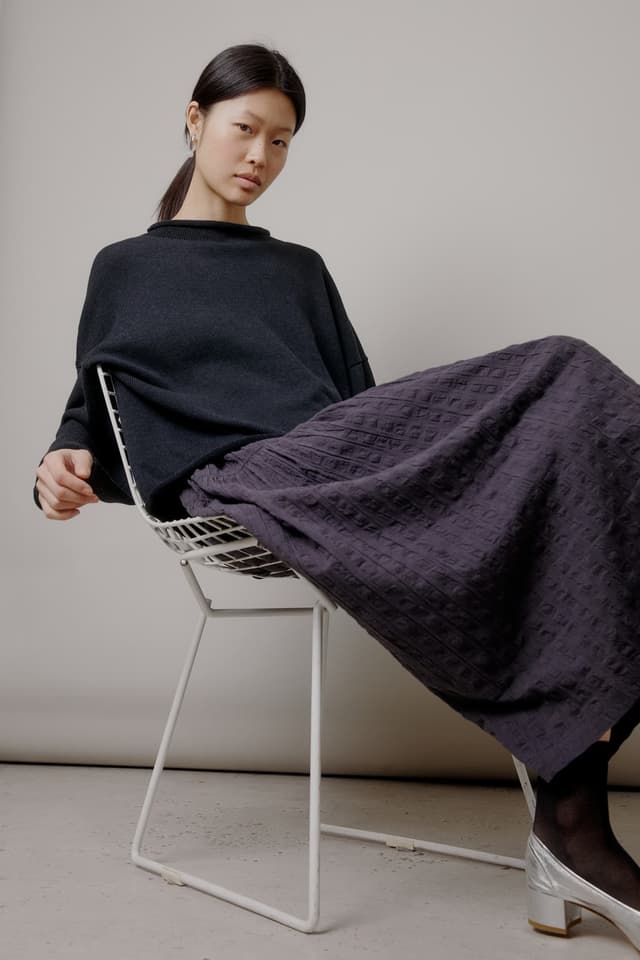
The Garment featured image

The Garment

Denmark · Est. 2020 · Luxury

The Garment is a minimalist European designer clothing label for women, founded in Copenhagen in 2020 by Sophia Roe and Charlotte Eskildsen. Eskildsen, who founded the Danish brand Designers Remix, brought many years of design and craft experience, while Roe, a fashion influencer, brought a digital approach to fashion. Together they set out to make "closet heroes": the perfect suit, the white shirt, well-fitting dresses and other wardrobe staples designed outside of seasons for long-term wear. The collection covers blazers, trousers, shirts, dresses, skirts, knitwear, coats, jackets and accessories, with a focus on impeccable knitwear and precise tailoring in a monochrome palette. Clothing is made in China, and the brand's affection for vintage garments shapes collections that draw on decades of inspiration. The Garment encourages mindful buying, promoting investment in well-made, durable pieces over impulsive trends, using materials such as organic cotton, merino wool, lyocell and recycled polyester. Its first collection, Chapter One: Wall Street, launched in September 2020 at The Frankie Shop, and the brand has been featured by LuisaViaRoma's LVRSustainable. Roe stepped back from the business in 2024, and the brand continues under Eskildsen's creative direction.

Micaela Greg featured image

Micaela Greg

USA · Est. 2009 · Mid-range

Micaela Greg is an American knitwear label for women, founded in Alameda, California, in 2009 by sisters Marie and Karen Potesta. The brand draws on their family legacy: their Italian grandparents were a seamstress and a shoemaker, and the sisters honour those values in timeless, functional designs that balance craftsmanship and utility. Micaela Greg believes in building a wardrobe of lasting pieces that can be rediscovered season after season. The collection is known for highly textural knitwear, such as the Sand Cashmere High Neck Sweater, the Boucle Zip Cardigan, the Ines Sweater and the Juna Tank, plus knit hoods, hats and scarves. Refined wovens include the Barrel Pant, the Panel Jean and the Field Short. Knitwear is made in the USA from fine Italian yarns and locally sourced trims, and in a women-run and owned workshop in Peru using alpaca and Pima cotton. Wovens are made in the USA and India. The label favours renewable, biodegradable materials such as cotton, cotton linen, alpaca and wool, sources about 90% of its denim from deadstock fabric in California and uses GOTS-certified dyes. Its Alameda studio offers shopping by appointment.

Paper Label featured image

Paper Label

Canada · Est. 2013 · Affordable

Paper Label is a Canadian minimalist clothing label for women, founded in Vancouver in 2013 by Teresa Lake. Lake started the brand to make modern, comfortable sleepwear in breathable fabrics, and it has since grown into a wardrobe of timeless, easy everyday wear and loungewear designed for comfort. The collection now spans sweaters, cardigans, tops, trousers, dresses, skirts and sleepwear. Pieces include the Serena Cropped Cardigan, the Cecilia Pullover, the Simone Button Up, the Lorne Oversized Sweatshirt, the Donna Shirt Dress and its Night Suit. Everything is designed and developed in Vancouver and manufactured overseas by a small group of long-term factory partners. Paper Label chooses fabrics by looking at their overall impact, from water and pesticide use to processing, care, longevity and biodegradability. It works with materials such as TENCEL, recycled nylon, organic and BCI cotton and LENZING ECOVERO viscose, lists certifications including GOTS, GRS, RWS and WRAP, and ships in compostable packaging to cut plastic waste. The independent label is woman-owned and women-run, and it sells online and through stockists across Canada and the US.

Waltz Studio featured image

Waltz Studio

USA · Est. 2014 · Mid-range

Waltz is a minimalist American designer clothing label for women, founded in San Francisco in 2014 by Danielle Colen. A native New Yorker with a background in landscape and architectural photography, Colen earned an MFA in fashion design at the Academy of Art University and worked as a patternmaker before launching her own line. Her love of strong lines and precise shapes runs through every collection, built on the belief that fashion should elevate the everyday without frills or excess. Inspired by the simplicity of menswear but cut for a woman's body, Waltz makes seasonless wardrobe staples: dresses, shirts, tops, trousers, jeans, skirts, jumpsuits, jackets and knitwear in natural fabrics such as cotton, organic cotton, linen, wool and lyocell. Patterns are cut in the San Francisco studio and garments are made in the USA. The label's ethical approach rests on domestic manufacturing, careful tailoring and long-lasting pieces designed to slip into an existing wardrobe rather than chase trends. Racked named Waltz a San Francisco womenswear brand to watch in 2016, and the label has been featured in Metal Magazine. Its collections have been stocked by West Coast boutiques including Voyager, Anaise and Anomie.

POSSE featured image

POSSE

Australia · Est. 2016 · Mid-range

POSSE is an Australian minimalist designer clothing label for women, founded in Sydney in 2016 by Danielle Mulham. Devoted to quality, material and make, Mulham and her female-led team are obsessed with cut, fit and construction, trying on everything before it goes into the world. The brand's world is shaped by curiosity, drawing on people and places, old books and films, antiques and forgotten objects, with a sense of nostalgia and lovely little details. POSSE designs seasonal collections of dresses, tops, shorts, skirts, trousers, knitwear and outerwear, plus L'Essentials, its permanent core range. Pieces include the Emma vest and skirt set, the Alice Mini Dress, the Esme Strapless Dress and the Beau Pant. Collections are designed in Sydney and made by suppliers in India, China and Indonesia. POSSE has full visibility of its supply chain, reproduces items only when guaranteed a full sell-through, and favours European flax linen, GOTS-certified organic cotton and responsibly sourced wool. POSSE sells through more than 80 global stockists including Net-a-Porter, Mytheresa, Selfridges and Nordstrom. It opened its first standalone store on Bleecker Street in New York in 2026 and counts Dakota Johnson, Sofia Richie and Katie Holmes among its fans.

Julia Jentzsch featured image

Julia Jentzsch

USA · Est. 2007 · Luxury

Julia Jentzsch is an American sustainable luxury label for women, founded in New York in 2007 by designer Julia Jentzsch. Born in France and raised in Germany, she studied fashion design in Hamburg, worked for John Galliano in London and completed an MA at the Royal College of Art, where her graduate collection was featured in British Vogue. Over 15 years she designed alongside Jil Sander, Alber Elbaz, Tom Ford and Stefano Pilati at Yves Saint Laurent, and at Calvin Klein. Its design follows modernist and Bauhaus principles: "less, but better", true materials and form follows function. The collection interprets luxurious fabrics in simple, wearable silhouettes, with shirts, sweaters, dresses, skirts, trousers, jackets and coats. Pieces include the ARION hand-knitted recycled silk and cotton sweater, the CONRAN undyed organic cotton shirt, the BIRCH shirt dress, the BRENDAN trench and the CHRISTOPHER duffle coat. Clothing is produced locally in New York's Garment District, using fabrics from responsible mills in Italy and Japan, including organic cotton, undyed fibres and recycled silk. Since 2020 the brand has embraced reuse, repurposing, recycling and repair. Jentzsch has also taught at Parsons The New School since 2022.

Priory featured image

Priory

Canada · Est. 2011 · Mid-range

Priory is a Canadian designer sustainable clothing label, founded in Vancouver in 2011 by Eunice Quan, David Lin, Mei Liu and Armin Tehrani. Originally called Priory of Ten, it began as the in-house brand of the founders' small Vancouver boutique, Board of Trade, before the team closed the shop to focus all their attention on the clothing line. The team set out to make carefully tailored, timeless pieces with a modern touch. Priory makes relaxed, loose-fitting everyday clothing around hand-picked textiles, including tops, shirts, trousers, shorts, dresses, jackets and tote bags. Signature pieces include the Bell Jacket, quilted jackets in vintage jacquard, pleat trousers, the bowling shirt, the Ultra Sweatpant and the Egg Tote. Collections are sampled and manufactured in Canada, in a small family-run factory in Vancouver's Garment District. Fabrics are sourced locally on the west coast of Canada and the US, and the label uses deadstock fabrics, vintage jacquard, vegan leather and natural fibres such as linen, silk and wool to minimise its impact. The Vancouver Sun has covered the label turning heads in New York, and Daily Front Row named Priory of Ten a label to watch.

St. Agni featured image

St. Agni

Australia · Est. 2014 · Mid-range

St. Agni is an Australian minimalist designer clothing and accessories label for women, founded in Byron Bay in 2014 by Lara Fells and Matt Fells. The husband-and-wife team came from retail backgrounds and started with no business plan and little savings, after noticing a gap in the market for simple, well-made leather goods without the fuss. The studio lives by a "less is more" philosophy, exploring contemporary dressing through considered design and precise tailoring. St. Agni launched with four styles of leather tote bags, then added handmade woven leather footwear developed with Indonesian artisans and moved into ready-to-wear. Today it offers dresses, knitwear, tailoring, shirts, leather jackets, shoes and bags. Much of its clothing is made in China, with some pieces made in India, under its supplier code of conduct. The label emphasises quality fabrics and supply chain transparency, using organic cotton, RWS-certified wool, recycled fibres, linen, silk and leather in pieces designed to last. St. Agni has five Australian stores in Byron Bay, Sydney, Melbourne and Brisbane and sells through more than 90 retailers worldwide. In 2019 it introduced a knitted-leather technique for its footwear, and it celebrated its 10th anniversary in 2024.

Envelope1976 featured image

Envelope1976

Norway · Est. 2018 · Luxury

Envelope1976 is a Scandinavian designer label for women, founded in Oslo in 2018 by Celine Aagaard and Pia Nordskaug. Both founders have long experience in fashion and design, and they set out to create a wardrobe centred on longevity, ease and a modern aesthetic. The brand's philosophy is versatility and modern refinement, with timeless silhouettes designed to move between occasions and be worn season after season. The range includes coats, leather and shearling jackets, knitwear, trousers, dresses and swimwear, released in two curated collections a year. Signature pieces include the Woodstock coat, the Alaska and Biarritz jackets, the Cloud and Hardanger knits, the Everyday hoodie in cashmere and the Monaco and Lenny pants. Envelope1976 prioritises natural materials such as wool, silk, cashmere and leather, and works with suppliers mainly in China, Turkey and India. The focus on fewer, well-made pieces reflects its aim of a more considered way of dressing. The brand remains independent, owned through its founders' companies with Celine Aagaard as majority shareholder, and ships its collections across Europe.

Vestige Story featured image

Vestige Story

Canada · Est. 2015 · Luxury

Vestige Story is a Canadian sustainable designer label for women, founded in Vancouver in 2015 by Aileen Lee. An English Literature graduate, Lee is a self-taught designer who uses storytelling and design to deepen the bonds between people and their possessions. Describing Vestige as a study in slowness, a fashion, art and literary house crafting future artifacts, she draws on the diverse cultures of her community to create quietly creative pieces. The collection includes coats such as the Tacit Coat and Eon Wrap Coat, the silk Celes Gown, the Simile Shirt, the Sonnet Blouse and the Rhythm Skirt, plus Dim Sum leather bags and painted silk scarves released in limited editions. Every piece is made in Canada, in small batches with a Vancouver production house whose experienced local seamsters are paid a living wage. Fabrics are sourced from local distributors with a focus on sustainable, plant-based textiles, and many pieces are made to order. Western Living named Vestige its 2022 Designer of the Year in fashion, and Elle called it a designer to watch at Vancouver Fashion Week. Lee designed an apparel line for travel brand Monos and established a scholarship at Kwantlen Polytechnic University.

Z SUPPLY featured image

Z SUPPLY

USA · Est. 2013 · Mid-range

Z SUPPLY is an affordable American clothing label for women, founded in 2013 by apparel industry veterans Greg Garrett, Glen Reder and John Zhao, and based in Costa Mesa, California. It began in nearby Irvine with a single pocket tee, and Garrett brought decades of experience from surf brands such as Hang Ten and Ocean Pacific and from womenswear labels including BB Dakota. Every piece reflects the beauty of simplicity, lasting quality and a touch of coastal spirit. The brand has grown from soft knit tees into ready-to-wear, loungewear and eyewear, with staples such as the Foundation Slub Tee and Rowe Rib Scoop Tank, Lounge pieces in luxe modal, sweaters, dresses, coats and a denim collection. Its clothing is made in China, where the company has long worked with its own factory. Behind Z SUPPLY is a predominantly female-led team, with former Billabong creative director Mandy Fry joining as president in 2019. It focuses on soft, flattering fabrics, modern silhouettes and effortless details designed for real life. In 2021 it launched the Z SUPPLY Foundation, which supports the next generation of artists and designers through scholarships and partnerships. It sells online and through boutiques nationwide.

SEEKER featured image

SEEKER

USA · Est. 2016 · Mid-range

SEEKER is a gender-neutral, organic American clothing label, founded in Los Angeles in 2016 by designer Ally Ferguson. A Los Angeles native with more than 15 years in fashion, Ferguson worked at labels including G-Star Raw, Ed Hardy and Field Scout and founded Metta Agency, a design and manufacturing platform for celebrity brands such as Tyler, the Creator's Golf Wang and Kimoji. Inspired by the utilitarian clothing of spiritual cultures she met while travelling, she created SEEKER as an ethical, effortless daily uniform. The minimalist collection includes gender-inclusive shirts, tops, trousers, jackets, robes, shorts and socks in relaxed, adaptable fits for different genders, ages and bodies. Garments are made in small batches in Los Angeles, using organic hemp, organic cotton and other natural fibres, with occasional silk. Hemp is central to the brand's sustainability story: it needs roughly half the water of cotton, little to no pesticide and returns nutrients to the soil. Ferguson's manifesto also champions regenerative agriculture and clothing as a daily ritual rather than a disposable purchase. Ferguson competed on Season 2 of Amazon Prime Video's Making the Cut, which brought SEEKER global exposure, and the brand has been featured by Cannabis Now.

Lauren Manoogian featured image

Lauren Manoogian

USA & Peru · Est. 2008 · Luxury

Lauren Manoogian is an American luxury knitwear label for women, founded in New York in 2008 by designer Lauren Manoogian. Her appreciation of natural materials and an intuitive approach to shape development define the practice, and her deep knowledge of fibres and textiles guides each collection, creating textural narratives that are cohesive yet always evolving. A perceptible hand is part of the aesthetic, with irregularities and non-uniformity not just allowed but honoured. The label is known for understated, hand-loomed knitwear, including sweater tops like the Plissé Mockneck and Terra Pullover, sweater coats such as the Capote Coat and knit skirts like the Ravel Skirt. It also makes wovens such as the Canvas Car Coat and Taper Trouser, plus tops, dresses, handmade leather accessories, shoes like the Twist Slide and hats like the Felt Beret. Most knitwear is made in Peru, much of it hand-knit or hand-loomed in alpaca, merino and Pima cotton, while many woven pieces are made in Japan. Led by Manoogian and her partner, Chris Fireoved, the independent brand operates between New York and Peru, where much of its textile development and production happens, and sells online and through stockists.

lumerune featured image

lumerune

United States · Est. 2026 · Mid-range

LUMERUNE is a gemstone jewelry brand offering rings, necklaces, earrings, and bracelets designed for everyday wear and meaningful gifting. Its pieces feature natural stones such as amethyst, citrine, moonstone, and aquamarine, with pearls appearing in many designs. Shoppers can browse by gemstone or birthstone, making it easier to choose a piece by color, occasion, or personal significance. The brand also draws on zodiac signs and traditional gemstone symbolism, while leaving the meaning of each piece to its wearer. Natural variations in a stone’s color, pattern, and clarity are part of its character. LUMERUNE pairs these details with contemporary shapes that can be worn alone or layered. Its approach treats a gemstone’s associations as a source of inspiration rather than a fixed meaning or a promise of benefits. Each product page lists materials and measurements, and the website provides sizing and jewelry care guides to help shoppers choose and maintain a piece. Orders come in protective, gift-ready packaging. Whether chosen for a birthday, a milestone, or everyday use, the jewelry is intended to become personal through the memories attached to it.

Zove Beauty featured image

Zove Beauty

Australia · Mid-range

Zove Beauty is an Australian beauty brand founded by Adeline Yeak. The women-owned brand combines clean beauty with a strong ingredient-conscious and sustainability-led profile, sitting comfortably within the mid-range segment. Its formulas are associated with paraben-free, sulfate-free, and silicone-free beauty, giving shoppers clear guidance around ingredients they may prefer to avoid. Cruelty-free positioning adds an animal-welfare consideration to that clean formulation story. Sustainability is one of the brand’s stronger themes. Recycled materials and locally made production connect environmental thinking to both packaging and manufacturing, while its Australian identity gives Zove a clearer regional connection. Minimalist beauty also fits naturally with the brand. Instead of encouraging overly complicated routines, the profile suggests a more edited approach built around products that can be used consistently. The mid-range price point helps Zove strike a useful balance between accessibility and a more considered beauty experience. It feels more specialized than entry-level personal care but avoids the exclusivity associated with traditional luxury skincare. For shoppers looking for Australian clean beauty with a practical environmental focus, Zove Beauty brings together paraben-free, sulfate-free and silicone-free formulations, sustainability, recycled materials, local production, women-owned leadership, and minimalist everyday routines. The brand’s strongest appeal lies in how formulation and environmental responsibility are presented as parts of the same beauty philosophy.

The Breakout Hack featured image

The Breakout Hack

Australia · Est. 2020 · Affordable

The Breakout Hack is an Australian beauty brand founded in 2020 by Rachael Wilde. Its identity is intentionally focused on straightforward skincare, with vegan and cruelty-free values, fragrance-free formulation, sensitive-skin-friendly products, and a minimalist approach to everyday routines. The fragrance-free profile is particularly relevant for people who want to reduce potential irritants or simply prefer skincare without added scent. Combined with its sensitive-skin-friendly positioning, this gives the brand a clear practical purpose rather than relying only on lifestyle branding. Vegan and cruelty-free beauty add an animal-friendly dimension, while minimalism keeps the routine manageable. The Breakout Hack is better suited to shoppers who want a smaller number of purposeful products than those who enjoy long, multi-step regimens. Its underlying pricing is relatively affordable even though the brand is positioned around the mid-range category. That makes more targeted, sensitive-skin-conscious skincare easier to access without premium pricing. Everyday beauty is central to the brand’s value. Its products are intended to become repeatable parts of a routine rather than occasional treatments. For customers looking for Australian skincare that feels direct and uncomplicated, The Breakout Hack combines vegan beauty, cruelty-free practices, fragrance-free products, sensitive-skin-friendly care, minimalist routines, and accessible pricing. Its strongest appeal is clarity: fewer distractions, fewer unnecessary layers, and a more focused approach to daily skincare.

Cipher Skincare featured image

Cipher Skincare

Australia · Luxury

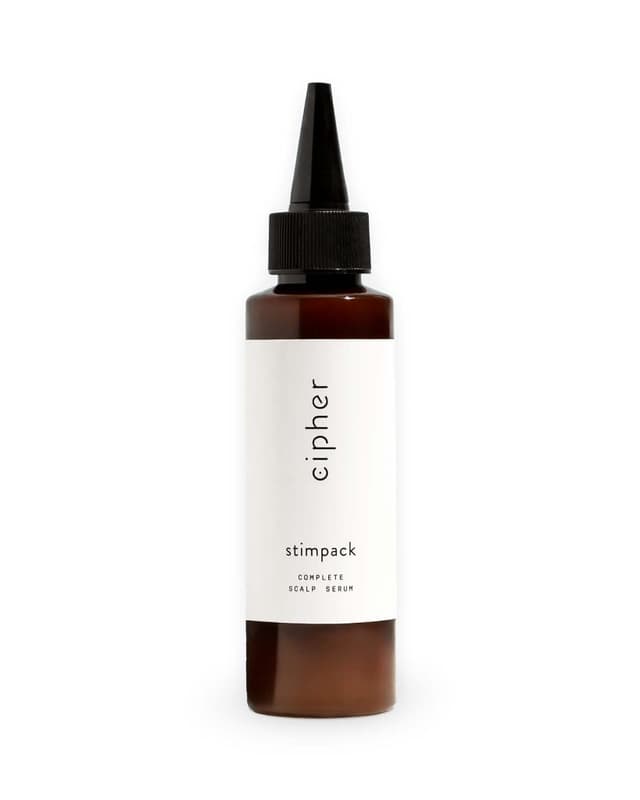
Cipher Skincare is an Australian luxury beauty brand founded by Jenny Hinton and based in Perth, Western Australia. Its profile is intentionally focused, combining vegan beauty, fragrance-free formulation, sensitive-skin-friendly care, and a minimalist approach to skincare. The fragrance-free positioning is especially important. For customers who avoid added scent or find fragrance difficult to tolerate, Cipher offers a more restrained skincare experience that does not rely on fragrance to make products feel premium. Sensitive-skin-friendly beauty follows naturally from that choice. The brand is better suited to shoppers who value skin comfort and routine consistency over highly sensory or complicated products. Minimalism is another defining characteristic. Cipher Skincare does not need to compete through a large number of overlapping steps; its profile is more aligned with purposeful products and streamlined routines. Its luxury positioning gives the brand a more elevated feel, while the Australian origin and Perth base provide a clear regional identity. Cipher is particularly relevant for customers who want premium skincare without unnecessary complexity. Vegan formulation, fragrance-free beauty, sensitive-skin-friendly positioning, and minimalist routines all point toward a quieter interpretation of luxury. Rather than making skincare feel like an elaborate ritual, Cipher Skincare offers a more edited approach—one that prioritizes formulation choices, comfort, and consistency for people who prefer their beauty routine to remain focused.

PURE U featured image

PURE U

Germany · Est. 2019 · Mid-range

Pure U is a German skincare brand founded in 2019 by Carla Ströher and Leonhard Erdsiek and based in Bielefeld, North Rhine-Westphalia. Its approach is built around a restrained version of clean beauty: natural ingredients, vegan and cruelty-free values, fragrance-free formulas, and products designed to make everyday skincare feel easier rather than more complicated. The fragrance-free positioning is particularly important because it gives Pure U a clear relevance for people with sensitive or easily irritated skin. Instead of using scent as part of the product experience, the brand leans toward skin comfort and functional formulation. That fits naturally with its minimalist beauty identity, where the goal is not to build a long routine but to choose products with a clear purpose. Local production strengthens the brand’s German identity and gives its clean beauty positioning a stronger sense of origin. It also distinguishes Pure U from many internationally manufactured skincare labels that rely heavily on minimalist branding without the same local connection. Sitting in the mid-range beauty segment, Pure U offers a step up from basic skincare without moving into luxury pricing. For shoppers looking for a European beauty brand that combines natural skincare, vegan formulas, cruelty-free practices, sensitive-skin-friendly care, fragrance-free products, and locally made production, Pure U offers a focused, practical approach to modern skincare.

Beyer & Söhne featured image

Beyer & Söhne

Germany · Est. 2011 · Luxury

Beyer & Söhne is a German skincare brand founded in 2011 by Hartmut Beyer, Nico Beyer, and Robby Beyer. Its approach is strongly minimalist, built around straightforward products and formulations designed for customers who prefer focused skincare over large, complicated routines. The brand is vegan and cruelty-free and is associated with fragrance-free and silicone-free beauty. These formulation choices make Beyer & Söhne particularly relevant for shoppers who want to reduce unnecessary ingredients or who prefer skincare with a more restrained profile. Sensitive-skin-friendly positioning adds another practical dimension. Rather than using minimalism only as a visual aesthetic, the brand’s profile suggests a simpler approach that can also suit people who are more selective about what they apply to their skin. Locally made production reinforces its German identity and gives the brand a stronger sense of origin within European beauty. Although its underlying pricing leans toward luxury, the brand sits within the mid-range subcategory, creating a premium but relatively approachable position. Beyer & Söhne is best suited to customers who value clarity over excess. Vegan and cruelty-free practices, fragrance-free and silicone-free formulas, sensitive-skin-friendly products, locally made production, and minimalist everyday skincare form a coherent identity for shoppers who want their routine to feel considered without becoming complicated.

Lovely Day featured image

Lovely Day

Germany · Est. 2016 · Mid-range

Lovely Day is a German skincare brand founded in 2016 by Josephine Förster and based in Berlin. The brand brings together clean beauty, vegan and cruelty-free values, sensitive-skin-friendly formulation, and a pared-back approach to everyday skincare. Its clean beauty positioning is supported by a natural beauty profile, making the brand particularly relevant for shoppers who prefer more ingredient-conscious routines. Sensitive-skin-friendly care is one of Lovely Day’s strongest characteristics. It gives the brand a practical reason for keeping routines simple: fewer unnecessary steps and more focused products can be especially appealing to customers who do not want to overload reactive skin. The brand is locally made, strengthening its connection to Berlin and giving it a clearer European identity. Sustainability is another part of the profile, complementing local production and its minimalist approach. Lovely Day sits within the mid-range beauty segment, which allows it to feel considered and specialized while avoiding the highest luxury price points. The result is a beauty brand that feels contemporary without being trend-dependent. Vegan formulas, cruelty-free practices, sensitive-skin-friendly positioning, natural beauty, sustainability, local production, and minimalist routines all support the same philosophy. For shoppers who want Berlin skincare that feels straightforward, conscious, and comfortable enough for everyday use, Lovely Day offers a particularly cohesive option.

MERME Berlin featured image

MERME Berlin

Germany · Est. 2014 · Mid-range

MERME Berlin is a German skincare brand founded in 2014 by Claire Ralston and based in Berlin. Its identity is distinctly minimalist, with a focus on straightforward products, vegan and cruelty-free values, and skincare that does not rely on unnecessary complexity. Fragrance-free beauty is an important part of the brand’s profile, giving MERME particular relevance for customers who prefer skincare without added scent. Its sensitive-skin-friendly positioning strengthens that appeal for people who are more cautious about irritation. Dermatologist-tested products add another layer of confidence, creating a useful balance between minimalist beauty and more considered product evaluation. The brand sits within the mid-range European beauty category, providing a more refined experience than basic skincare while remaining more approachable than traditional luxury labels. MERME’s Berlin identity also matters. The brand feels closely aligned with the city’s pared-back, functional aesthetic, and that simplicity carries through its beauty positioning. Instead of asking customers to build long routines, MERME works best for people who prefer a smaller number of purposeful products they can use consistently. For shoppers seeking European skincare that combines vegan and cruelty-free values, fragrance-free formulation, dermatologist-tested products, sensitive-skin-friendly care, minimalist design, and everyday usability, MERME Berlin offers a particularly focused alternative to more elaborate skincare brands.

Ruhi Rituals featured image

Ruhi Rituals

Germany · Est. 2019 · Luxury

RUHI Rituals is a Berlin-based luxury beauty brand founded in 2019 by Britta Hekmat. Its skincare identity is rooted in natural, organic, and plant-based formulation, with a strong emphasis on simplicity and products designed to work within intentional everyday rituals. The brand is vegan and cruelty-free, making it particularly relevant for shoppers looking for premium skincare aligned with animal-friendly values. Fragrance-free beauty adds another important dimension, especially for customers who prefer formulas without added scent. Sensitive-skin-friendly positioning reinforces that gentler approach. Instead of building luxury around complexity, RUHI Rituals leans toward minimalist beauty and products that can be used with purpose. Locally made production keeps the brand closely tied to Berlin and gives its skincare a stronger independent identity than globally standardized prestige labels. Its luxury positioning comes from the combination of formulation, craftsmanship, and a more considered approach to routine rather than simply from exclusivity. RUHI Rituals is best suited to shoppers who want premium European skincare but prefer natural beauty to traditional luxury formulation. Organic and plant-based ingredients, vegan and cruelty-free values, fragrance-free products, sensitive-skin-friendly care, local production, and minimalist routines all work together to create a beauty brand that feels quiet, deliberate, and focused on consistent use.

This Place featured image

This Place

Germany · Est. 2020 · Luxury

This Place is a Berlin-based beauty brand founded in 2020 by Laura Simonow. Its skincare philosophy combines natural and plant-based ingredients with vegan and cruelty-free values, creating a routine that feels particularly suited to customers drawn to minimalist, conscious beauty. The brand’s sensitive-skin-friendly positioning is important because it adds practicality to the natural formulation story. Customers are not simply choosing products because they are plant-based; the range is also positioned around skin comfort and regular use. Sustainability and eco-friendly practices deepen that conscious identity. Locally made production connects the brand to Berlin and gives it a stronger sense of origin, while the minimalist approach naturally supports the idea of choosing fewer, more purposeful products. Although its listed pricing leans toward luxury, the brand sits within a mid-range subcategory, giving it a premium feel without placing it entirely in traditional prestige beauty. This Place works best for shoppers who want skincare to feel calm and intentional rather than complicated. Vegan formulas, cruelty-free values, plant-based ingredients, sensitive-skin-friendly care, sustainability, and local production all reinforce that direction. For customers exploring European natural beauty, This Place offers a modern Berlin interpretation: thoughtful skincare, pared-back routines, and environmental values brought together in products designed for everyday use rather than excess.

Can't find what you're looking for?

We add new sites every week but if you have a specific request, let us know.