Sustainable Clothing Brands – Page 8

Brands 169–192 of 404. Back to page 1 · Browse brands A–Z

Brands

404 brands

BITE featured image

BITE

Germany · Est. 2011 · Mid-range

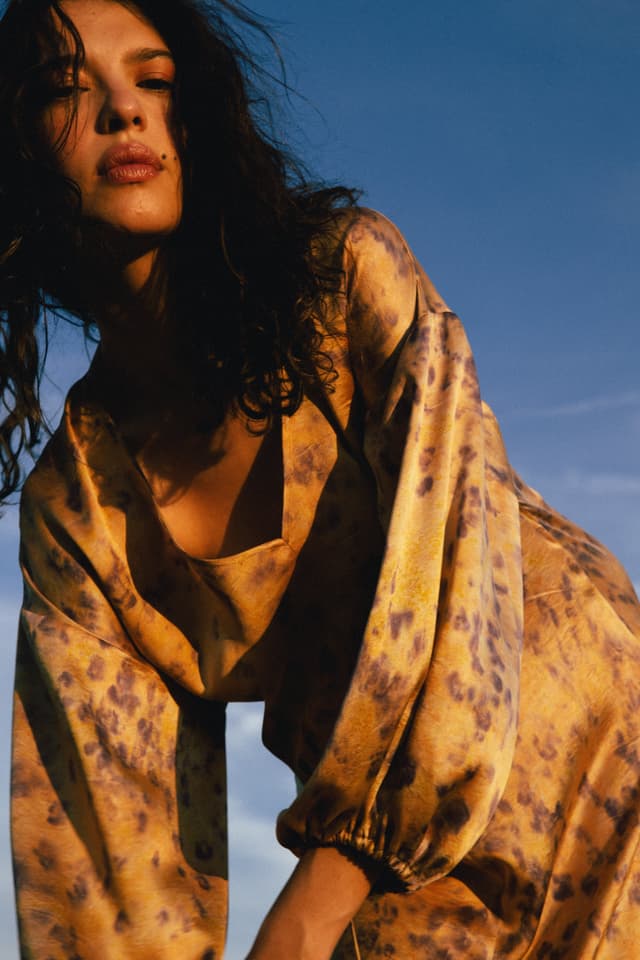
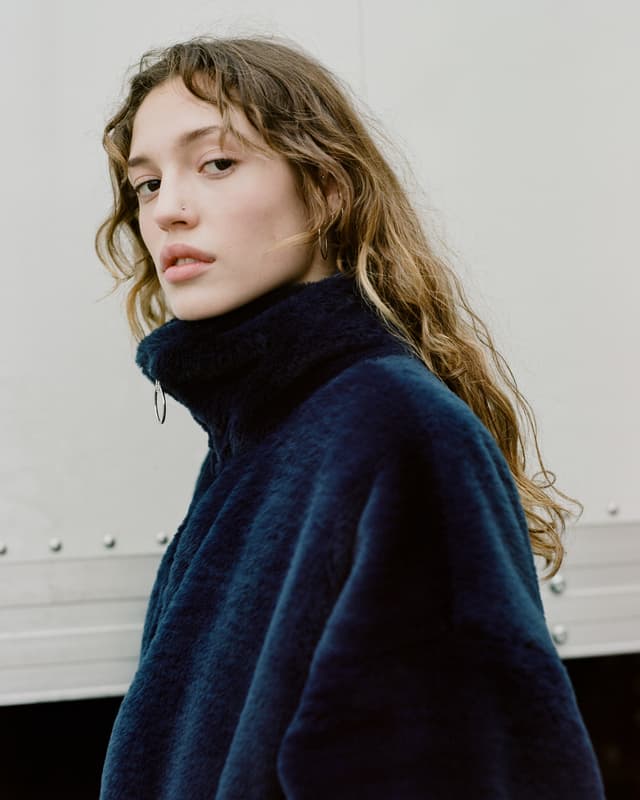
BITE is a sustainable European designer clothing label for women, founded in Berlin in 2011 by designer Beatriz Tomás. The label is all about independent design, artisan work, support of local trade and sustainable fashion, and Tomás belongs to a fresh wave of designers building brands with a more conscious approach to fashion at their core, empowering female work and ethical practices. BITE makes tops, dresses, skirts, pants and jackets such as the Lugosi Dress, Smog Dress, Dusk Skirt, Stratus Crop Top and Agate Jacket, many cut in body-hugging jersey and satin. All manufacturing is handled in-house in Berlin, Germany, giving the label full control over quality, sustainability and ethical practices. The brand rejects fast fashion and the delocalisation of production, protecting the labour rights and dignity of the people involved in making its clothes. It prioritises quality over quantity, uses sustainable fabrics and locally sourced materials, and aims to minimise waste at every step of production. Local manufacturing also cuts transport emissions and supports the regional economy, as part of what BITE describes as a movement that values craftsmanship, transparency and responsible production.
Juana de Arco featured image

Juana de Arco

Argentina · Est. 1998 · Affordable

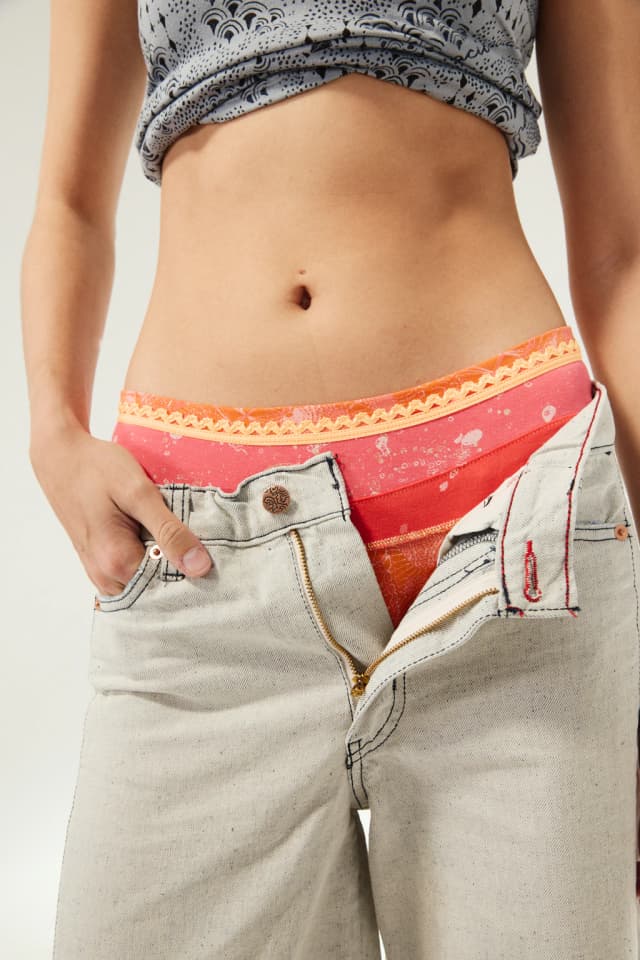
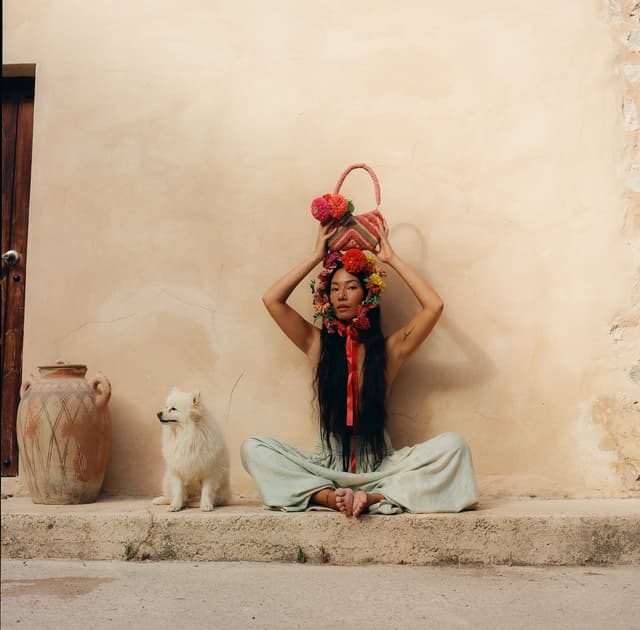
Juana de Arco is an Argentine designer label for women, founded in Buenos Aires in 1998 by designer Mariana Cortés. Started in the Palermo Viejo neighbourhood, the brand makes colourful, hand-printed womenswear, yoga wear and lifewear, mixing contemporary design with Latin American textile techniques such as Paraguayan ñandutí lace. The range includes jumpsuits, dresses, T-shirts, hoodies, yoga leggings, skirts, denim and underwear, plus kidswear, homeware and art. Signature pieces include the Juana Mono, the Juana Dress, the Yoga Pocket Legging, the Yoga Parka and JDA Denim Macroñandutí. Collections are made in Argentina with local workshops and artisan cooperatives. The label's social projects give families work by turning fabric scraps into handmade pieces, so offcuts become new products rather than waste. Juana de Arco celebrated its 20th anniversary with an exhibition at the Museo de la Historia del Traje in Buenos Aires. It remains an independent, family-run business led by its founder, with a store on El Salvador street in Palermo Soho and sales in the US and Japan.

ZAZI featured image

ZAZI

Netherlands · Est. 2017 · Luxury

ZAZI is an ethical, handmade designer label for women, founded in Amsterdam in 2017 by Jeanne de Kroon. It began in her student bedroom with just seven ikat dresses, growing out of her work with Madhu Vaishnav and the Saheli Women collective in rural India. Those first collaborations inspired a wider vision: to celebrate artisanal craft, nature and women's stories through cloth. ZAZI is best known for its ikat and embroidered coats, alongside dresses, waistcoats and knitted beanies, and it also offers custom coats. Signature pieces include the Aisara Wrap Coat, the Devi Coat, the Indira Coat, the Madina Coat, the Zebay Coat, the Aarohi Maxi Dress and the Aziz Waistcoat. Each piece is the result of collaborations with more than 1,100 artisans, mainly in India and Afghanistan, with some pieces from Ghana. The label works with natural materials such as handwoven cotton, silk and wool, and its partner families' cultures and techniques shape every collection. Customers can pre-fund new collections before they are made. ZAZI remains independent and is led by its founder from its Amsterdam studio.

One Wolf featured image

One Wolf

Latvia · Est. 2012 · Mid-range

One Wolf is a Latvian unisex designer label, founded in Riga in 2012 by designer Agnese Narņicka. Its ready-to-wear collections blend functionality with wit, intelligence and asceticism, reflecting the designer's take on the savage aesthetics of the contemporary urbanite. Experiments with construction and silhouette break conventions of gender and clothing, mixing classic, casual and sporty pieces. Denim is its icon: raw and stone-washed jeans with bold lines and clever details. The range also includes bamboo T-shirts and shorts, sweatshirts, shirts, jackets like the Everyday Uniform Jacket, parkas, ponchos and vests for adults and kids, plus socks, beanies, tote bags and gift boxes. One Wolf is made in small factories in Latvia, providing work for experienced craftspeople and preserving local traditions. It uses high-quality textiles from Italy, Denmark and Belgium, including denim, organic cotton, wool and bamboo, with finishes such as stone wash, silk-screen printing and laser treatment. The label has shown at Riga Fashion Week and is listed among the Treasures of Latvia exporting brands. It remains independent and founder-led, with a philosophy of inspiring wearers to be bold, free and creative.

Selfi featured image

Selfi

South Africa · Est. 2009 · Mid-range

Selfi is a South African designer, sustainable clothing label for women, founded in Cape Town in 2009 by Celeste Lee Arendse. Arendse launched the ready-to-wear brand after graduating, designing with the modern woman in mind. Her approach is design-led but wearable, known for sculptural, playful shapes and a focus on making women feel good in their clothes. The collection includes dresses, tops, shirts, skirts, jumpsuits, trousers, jackets and coats. Signature pieces include the Asymmetric Boxy Shirt Dress, the Clay Pot Tassel Dress, the Sculptured Tassel Dress, the Sailor Puff Sleeve Top, the Two Wave Mini Skirt, the Oval Sleeve Jumpsuit, the Mohair Tailored Cargo Pants and the Two Wave Hooded Coat. Everything is made in South Africa. Selfi produces its clothing locally in South Africa and sells through its own online store, which offers free local shipping on larger orders. Arendse was a finalist in the 2009 Elle New Talent Awards, showing at South African Fashion Week, and won the British Council's Young Creative Entrepreneur award in 2014. Selfi has shown at Mercedes-Benz Fashion Week Cape Town, and its work has featured at the Zeitz MOCAA museum.

Datura featured image

Datura

USA · Est. 2013 · Luxury

Datura is a minimalist luxury designer clothing label for women, founded in New York in 2013 by Stefania Borras. Borras grew up on the island of Mallorca surrounded by Mediterranean nature and worked at Burberry and Marithé + François Girbaud before starting her self-titled, award-winning label in Barcelona. Named after the moon flower, Datura is a curated line of timeless design and effortless femininity for independent women, exploring the symbiosis between the natural world and urban life. The collection includes silk and linen slip dresses, jumpsuits, wrap tops, trousers, skirts, shirts and wool and alpaca coats, with details like adjustable straps and removable tie belts so pieces can be worn multiple ways. Pieces are handmade in New York and Spain. Instead of traditional collections, Borras introduces new capsules every few months alongside core items, all produced in small batches to cut waste and leftover materials. The label uses natural, luxurious fabrics such as silk, linen, cotton, wool and alpaca, and sells only through its own website to build a direct bond with its customers. Datura has been featured by W Magazine, Vogue España, Who What Wear and El País S Moda.

KAAREM featured image

KAAREM

Vietnam · Est. 2013 · Mid-range

Kaarem is a Vietnamese designer label for women and men, founded in 2013 by Kathy Minh Bach and Chuong Pham. Started by a group of Vietnamese-American friends, it is a design and production studio based between Ho Chi Minh City, New York and Santa Barbara. Pham oversees the in-house production team in Ho Chi Minh City, while Bach has worked from its design studio in Brooklyn. Its artisanal designs are inspired by craft, community and its Vietnamese roots. Styled KAAREM, the label makes architectural, handcrafted dresses, jumpsuits, tops, trousers, jackets and skirts, many of them unisex. Pieces include hand-knotted silk halter tops like the Connect, hand-knitted Kết silk tops and tunics, silk organza dresses and the wide-leg Dalber pants. Everything is made in its own studio in Ho Chi Minh City, where each piece is cut by hand and finished with a blind stitch. Kaarem sources silk from Vietnamese mills, uses deadstock fabrics when possible and hand-dyes some natural fabrics with local dyes. Its SAP vessels with Ladies & Gentlemen Studio were commissioned by Sight Unseen for a 2018 benefit exhibition, and it has a store in Santa Barbara.

Micaela Greg featured image

Micaela Greg

USA · Est. 2009 · Mid-range

Micaela Greg is an American knitwear label for women, founded in Alameda, California, in 2009 by sisters Marie and Karen Potesta. The brand draws on their family legacy: their Italian grandparents were a seamstress and a shoemaker, and the sisters honour those values in timeless, functional designs that balance craftsmanship and utility. Micaela Greg believes in building a wardrobe of lasting pieces that can be rediscovered season after season. The collection is known for highly textural knitwear, such as the Sand Cashmere High Neck Sweater, the Boucle Zip Cardigan, the Ines Sweater and the Juna Tank, plus knit hoods, hats and scarves. Refined wovens include the Barrel Pant, the Panel Jean and the Field Short. Knitwear is made in the USA from fine Italian yarns and locally sourced trims, and in a women-run and owned workshop in Peru using alpaca and Pima cotton. Wovens are made in the USA and India. The label favours renewable, biodegradable materials such as cotton, cotton linen, alpaca and wool, sources about 90% of its denim from deadstock fabric in California and uses GOTS-certified dyes. Its Alameda studio offers shopping by appointment.

Ioana Ciolacu featured image

Ioana Ciolacu

Romania · Est. 2010 · Mid-range

Ioana Ciolacu is a Romanian designer label for women, founded in Bucharest in 2010 by designer Ioana Ciolacu. With a background in architecture, she approaches clothing through construction, proportion and movement, then lets something shift: a line runs further than expected, volume interrupts the body and structure gives way to softness. A London College of Fashion graduate, she has worked with Stella McCartney. The range includes dresses such as the Khaki Cable Dress, Dahlia Dress, Ripple Balloon Dress and Spiral Dress, blouses, corsets, crop tops, bodies, shorts and Balloon Trousers, plus the Fold Jacket. Accessories include gloves, socks, tights and bags. Each collection is developed through material experimentation and produced in Romania with a close network of local manufacturers. The label treats sustainability as a design constraint rather than a claim: fewer, considered pieces, local production, responsible materials such as deadstock fabrics, cotton, silk and linen, and garments made to last. Ciolacu won the Designer for Tomorrow award in 2013. The independent fashion house has been carried internationally by retailers including Farfetch, Moda Operandi and Zalando.

Paper Label featured image

Paper Label

Canada · Est. 2013 · Affordable

Paper Label is a Canadian minimalist clothing label for women, founded in Vancouver in 2013 by Teresa Lake. Lake started the brand to make modern, comfortable sleepwear in breathable fabrics, and it has since grown into a wardrobe of timeless, easy everyday wear and loungewear designed for comfort. The collection now spans sweaters, cardigans, tops, trousers, dresses, skirts and sleepwear. Pieces include the Serena Cropped Cardigan, the Cecilia Pullover, the Simone Button Up, the Lorne Oversized Sweatshirt, the Donna Shirt Dress and its Night Suit. Everything is designed and developed in Vancouver and manufactured overseas by a small group of long-term factory partners. Paper Label chooses fabrics by looking at their overall impact, from water and pesticide use to processing, care, longevity and biodegradability. It works with materials such as TENCEL, recycled nylon, organic and BCI cotton and LENZING ECOVERO viscose, lists certifications including GOTS, GRS, RWS and WRAP, and ships in compostable packaging to cut plastic waste. The independent label is woman-owned and women-run, and it sells online and through stockists across Canada and the US.

Metiseko featured image

Metiseko

Vietnam · Est. 2011 · Mid-range

Metiseko is a sustainable Vietnamese designer clothing label for women and men, founded in Hoi An in 2011 by French couple Erwan Perzo and Florence Mussou. Taken by the local customs and landscapes of Vietnam's central coast, the founders set out to capture the essence of the country in original prints, creating a European-chic line with an East-meets-West spirit. The collection includes women's dresses, tops, jumpsuits, pants, skirts and kimono jackets, men's shirts, pants and jackets, and silk scarves, ties, bags, jewellery, cushion covers and fabric by the metre. Garments are made in Vietnam in its own sewing workshop, where one tailor creates each piece from start to finish and signs the label in pencil. As a slow fashion brand, Metiseko partners with local artisans. Its 100% mulberry silk is produced locally, supporting traditional silk making in Bao Loc, then dyed with non-toxic dyes and hand screen printed by local craftsmen. Its GOTS-certified organic cotton comes from India and is dyed and printed with a partner near Saigon using reactive dyes. Metiseko has been featured by ELLE Vietnam, Vietcetera and Oi Vietnam for its sustainable, locally made approach to fashion.

Batik Boutique featured image

Batik Boutique

Malaysia · Est. 2011 · Affordable

Batik Boutique is a Malaysian ethical clothing label, founded in Kuala Lumpur in 2011 by Amy Blair. The brand began with a friendship: in 2009 Blair met Ana, a single mother and skilled seamstress looking for extra income, and together they started turning Malaysian batik fabric into products. Blair founded the company so that artisans like Ana could earn a fair, sustainable income. Batik Boutique makes modern clothing and accessories from authentic Malaysian batik, including women's dresses and caftans, men's batik shirts, children's clothing, scarves, ties, bags, homeware and gifts. Pieces include the Alysya Caftan, the Nusa Wrap Dress, the Men's Batik Cuban Shirt and the Batik Scarf in silk cotton. Every collection starts with original artwork inspired by Malaysia's culture, landscapes and heritage. Artisans create each textile with the centuries-old wax-resist batik technique, which needs natural fabrics such as cotton, cotton silk and viscose, and tailors at its training centres sew them up. Since 2011 it has partnered with more than 400 artisans from marginalised communities and impacted over 1,700 beneficiaries. Batik Boutique is an award-winning social enterprise and a certified B Corp, and it also runs a corporate services and workshop studio.

DÔEN featured image

DÔEN

USA · Est. 2016 · Luxury

DÔEN is a romantic, sustainable designer label for women, founded in Los Angeles in 2016 by sisters Margaret and Katherine Kleveland. Born in Santa Barbara, the sisters brought together a collective of LA-based women creatives and business leaders, all equity owners, to launch a women-run business inspired by a nostalgia for the coastal California of decades past. The range includes dresses, blouses, knitwear, skirts, coats, sleepwear and slips, plus suede slides. Pieces are made with partner factories mainly in China, India and Vietnam, and signature styles include the Aristea Dress, the Adalie Dress, the Amari Dress, the Adalyn Top, the Burke Cashmere Sweater and the Farrow Coat. DÔEN uses materials such as organic cotton, silk, cashmere and merino wool and publishes an Impact Report on its progress. In 2020 it deepened its partnership with a longtime vendor, the owners of one of its partner factories, to share risk and reward more fairly across the supply chain. The brand connects with its community through its online editorial presence, its own jewel-box retail spaces and selected wholesale partners.

Maria La Rosa featured image

Maria La Rosa

Italy · Est. 1993 · Mid-range

Maria La Rosa is an Italian luxury handmade accessories label, founded in Milan in 1993 by designer Maria La Rosa. Drawing on a childhood in Sicily, she discovered an old loom in Paris and wove her first fabrics, using them in the Nineties to create her first bags with ancient techniques. Her daughters, Alice and Lisa, grew up among looms and shuttles and have worked alongside her for more than a decade in a women-owned family business. The heritage brand creates woven bags, clutches, socks, tights, pouches, hats and hair accessories, all made in Italy. Its iconic Game clutch is made from loom-woven ribbon that is then braided, and its socks, from silk to cashmere, are developed alongside every collection. Each piece is handmade in the atelier in a courtyard of old Milan, without mechanical aids and in limited editions. Loom weaving is combined with knitting, macramé, crochet and embroidery, using high-quality Italian yarns and favouring natural fibres, drawing on the brand's historic archive. Maria La Rosa socks were sold exclusively at Barneys for 25 years, and the brand is stocked by La Rinascente in Milan, Bergdorf Goodman in New York and selected boutiques worldwide.

Marrakshi Life featured image

Marrakshi Life

Morocco · Est. 2013 · Luxury

Marrakshi Life is a sustainable, handmade luxury clothing label for men and women, founded in Marrakech in 2013 by husbands Randall Bachner and Nicholas Minucciani. Bachner, a New York fashion photographer, and Minucciani, who worked in media, left New York to honour and preserve Morocco's handweaving traditions. Their design mixes classic sportswear tailoring with loose traditional Moroccan shapes, bold stripes and plaids, and gender-fluid fits. Collections include oversized shirts, palazzo pants, paneled overcoats, jackets, dresses and matching hats. Every piece is handwoven and made to order in Morocco in the brand's own atelier in Marrakech's industrial quarter, where local artisans dye, spin, weave, cut and sew the cloth. The label began with one loom in the Medina and a weaver named Mohammed, who is still one of its weaving managers. The vertically integrated atelier follows a zero-waste policy, turning offcuts into patchwork pieces, rag weave, accessories and home goods, and only produces what customers order. Marrakshi Life has been featured by WWD and Wallpaper*, has been sold through retailers such as Matches Fashion, and in 2026 expanded into handwoven homewares in alpaca and merino wool.

Handred featured image

Handred

Brazil · Est. 2012 · Mid-range

Handred is a Brazilian designer label for men and women, founded in Rio de Janeiro in 2012 by designer André Namitala. Named after his childhood nickname, it began with a line of shirts aimed at bringing freshness to the tropical man, and its pieces soon won over women too. Handred describes itself as a carioca atelier that breathes the coast and translates it into comfort, creating long-lived pieces full of memories and desire. The range includes linen and silk shirts, trousers, dresses, overtops such as jackets and the Shantung Box Blazer, blouses, T-shirts, bermudas, shorts, silk tunics and jumpsuits, plus swim briefs and ceramic chokers. Signatures include its silk shirts, linen jumpsuits and soft, relaxed tailoring. Handred works only with natural fabrics, mainly linen, silk and cotton, and every raw material is chosen with care. Clothing is made in Brazil by experienced seamstresses, with its operation based in Copacabana. Each collection starts from a theme, from art deco to tributes to Bahia, often with a nostalgic nod to 1970s Rio. The independent label runs stores in Rio de Janeiro and São Paulo and has been sold in Japan and France.

Flavia Aranha featured image

Flavia Aranha

Brazil · Est. 2009 · Mid-range

Flavia Aranha is a Brazilian sustainable designer label, founded in São Paulo in 2009 by designer Flavia Aranha. Born in Campinas, she grew up close to nature and art, and after working in the conventional fashion industry she opened her first atelier-store in São Paulo with natural dyeing at the heart of the brand. The label connects ancestral knowledge and innovation, creating slow-fashion clothing from natural fabrics made for the skin to breathe. The range includes T-shirts, tank tops, blouses, shirts, dresses, pants, jumpsuits, coats and kimonos, plus bags and accessories. Signature pieces include the Vestido Aparecida, the Blusa Kauana in silk, the Regata Ceci in linen and the organic cotton Camiseta Flavia. Everything is made in Brazil from materials such as organic cotton, linen and silk, coloured with Brazilian plants including pau-brasil, urucum, crajiru and indigo. The label also experiments with biomaterials such as algae textiles, Amazonian latex and mycelium leather. Flavia Aranha debuted at São Paulo Fashion Week in 2019, marking ten years of the brand, and returned in 2025 with its Floresta collection. It remains independent and founder-led.

paloma wool featured image

paloma wool

Spain · Est. 2014 · Mid-range

Paloma Wool is a Spanish designer label for women and men, founded in Barcelona in 2014 by Paloma Lanna. Lanna describes paloma wool as both her name and a project about getting dressed and the ideas created around that act, spanning photography, clothing and other experiments. It began within Intermalla, the company behind her parents' label Nice Things, and became independent in 2020 under her own company, Puro Paseo. Collections cover knitwear, tops, shirts, trousers and outerwear, with numbered designs like the no 1093 Alexia cupro trousers and the Orlando suit trousers. It also makes Big Dry and Vega leather bags, belts and shoes. Most pieces are made in Spain, with many others made in Portugal and a few in France. Since 2014 the brand has mainly worked with local suppliers and regularly visits every workshop involved in its production. Its principal knitwear maker, a third-generation family business about 73km from its head office, has made its knits since the first collection. Fabrics include cotton, wool, linen and leather, with organic and recycled materials in some styles. Paloma Wool has a flagship on Barcelona's Avenida Diagonal and permanent stores in New York's SoHo and London.

DAWN x DARE featured image

DAWN x DARE

Denmark · Est. 2016 · Luxury

DAWN x DARE is a sustainable European designer knitwear label for women, founded in Copenhagen in 2016 by Charlotte Vadum and Vibeke Bernhoft. The pair, who had run the commercial fashion brand Project AJ117 together since 2005, wanted to create something more timeless and exclusive. The name reflects styles to wear in the morning, Dawn, and when going out at night, Dare. The label brings hand knitting into a modern universe with pullovers, cardigans, short-sleeve knits, tops, dresses and skirts in bold colours and textures, plus woven shirts, pants and scarves. Its knits are made in Italy by a community of women who knit and crochet by hand from their homes in the hills of Tuscany. DAWN x DARE uses certified, traceable Italian yarns such as mohair, kid mohair and GOTS-certified organic cotton, with animal fibres sourced under the Responsible Animal Fiber Standard. Since 2020 it has made a numbered limited-edition capsule from deadstock yarns, with each one-of-a-kind piece taking two to three days to knit. The brand has shown at the Revolver fair in Copenhagen since its launch and is stocked in high-end multibrand boutiques and showrooms across Europe and Australia.

Untitled in Motion featured image

Untitled in Motion

USA · Est. 2020 · Affordable

Untitled in Motion is an American designer clothing label for women, founded in Brooklyn, New York in 2020 by Marika Kandelaki and Virginia Craddock. Kandelaki is an artist and print designer with more than 20 years of experience in New York textile design, while Craddock is a fashion business consultant who previously founded the brand Kurt Lyle. The pair met at the Premiere Vision NYC trade show and began the label during the pandemic, approaching each collection as an artist approaches a canvas. The range covers dresses, tops, skirts, trousers, outerwear and knitwear, with simple, fluid silhouettes that showcase exclusive, limited-edition prints. The brand began with "wakewear" such as robes, shirts, shorts and sleep dresses meant for waking, sleeping and the creative time in between. Pieces are made in China. The prints draw on dream states, surrealism and architecture, referencing de Chirico's arches, Dora Maar's light play, Magritte's skies, Schiaparelli's trompe l'oeil and Matisse's cutouts. Many designs are digitally printed on vegan TENCEL Luxe, a lyocell from renewable wood, and the brand works with audited factories that pay fair wages for fair hours. Untitled in Motion has been featured by the art and fashion magazine Whitewall.

Julia Jentzsch featured image

Julia Jentzsch

USA · Est. 2007 · Luxury

Julia Jentzsch is an American sustainable luxury label for women, founded in New York in 2007 by designer Julia Jentzsch. Born in France and raised in Germany, she studied fashion design in Hamburg, worked for John Galliano in London and completed an MA at the Royal College of Art, where her graduate collection was featured in British Vogue. Over 15 years she designed alongside Jil Sander, Alber Elbaz, Tom Ford and Stefano Pilati at Yves Saint Laurent, and at Calvin Klein. Its design follows modernist and Bauhaus principles: "less, but better", true materials and form follows function. The collection interprets luxurious fabrics in simple, wearable silhouettes, with shirts, sweaters, dresses, skirts, trousers, jackets and coats. Pieces include the ARION hand-knitted recycled silk and cotton sweater, the CONRAN undyed organic cotton shirt, the BIRCH shirt dress, the BRENDAN trench and the CHRISTOPHER duffle coat. Clothing is produced locally in New York's Garment District, using fabrics from responsible mills in Italy and Japan, including organic cotton, undyed fibres and recycled silk. Since 2020 the brand has embraced reuse, repurposing, recycling and repair. Jentzsch has also taught at Parsons The New School since 2022.

MUNTHE featured image

MUNTHE

Denmark · Est. 1994 · Mid-range

MUNTHE is a Danish designer label for women, founded in Copenhagen in 1994 by creative director Naja Munthe. She created it as an artistic, craft-focused alternative to the contemporary fashion industry, and it has grown into an established Danish fashion house that blends fashion with art. Its signature is a fusion of contrasts, soft silhouettes with a tailored touch, designed as timeless, expressive staples that change with how they are styled. Collections cover dresses, tops, knitwear, outerwear, skirts and denim, along with bags, with pieces such as the BASIL dress, the CALIFORNIA knit, the VINETH coat and BOHDI denim pants. MUNTHE pays close attention to the inside of its clothes as well as the outside, from fabric choice to the details of coatings and linings. Production is spread across suppliers mainly in China and Turkey, with smaller shares in India and Portugal. The brand produces only to order to avoid deadstock, and its MUNTHE FABRIC JOURNEY styles use at least 50% recycled, certified organic or Lenzing materials. MUNTHE describes itself as 100% female founded and owned, and in 2025 pledged 10% of its pre-tax profits to initiatives for women and girls.

Magpie Goose featured image

Magpie Goose

Australia · Est. 2015 · Mid-range

Magpie Goose is an Australian ethical clothing label, founded in 2015 by Laura Egan and Maggie McGowan and based in Brisbane. The pair set up the brand while working in remote communities, aiming to create economic opportunities for Aboriginal and Torres Strait Islander people through art and clothing. Each limited-edition piece carries a design by an Aboriginal or Torres Strait Islander artist and tells the story behind the art and the community it comes from. The label makes shirts, shorts, pants, overalls, dresses, playsuits, jumpsuits, kaftans, T-shirts, baby rompers and kids' overalls, plus bucket hats and scrunchies. Pieces include the Aretha Brown Overalls, the Relaxed Pants in Bungwal Ferns, a Short Sleeve Collared Shirt printed with Aheyenenhe (Snakes) and the Woven in History Kaftan. All collections are designed, hand screen-printed and produced in Australia using natural textiles, and garment offcuts are made into accessories at Second Stitch in Melbourne. Since March 2021, Magpie Goose has been 100% Aboriginal owned by Amanda Hayman (Wakka Wakka/Kalkadoon) and Troy Casey (Kamilaroi), who run it as a family business and social enterprise. Its pieces are stocked at Aboriginal Art Co in West End, Brisbane.

Priory featured image

Priory

Canada · Est. 2011 · Mid-range

Priory is a Canadian designer sustainable clothing label, founded in Vancouver in 2011 by Eunice Quan, David Lin, Mei Liu and Armin Tehrani. Originally called Priory of Ten, it began as the in-house brand of the founders' small Vancouver boutique, Board of Trade, before the team closed the shop to focus all their attention on the clothing line. The team set out to make carefully tailored, timeless pieces with a modern touch. Priory makes relaxed, loose-fitting everyday clothing around hand-picked textiles, including tops, shirts, trousers, shorts, dresses, jackets and tote bags. Signature pieces include the Bell Jacket, quilted jackets in vintage jacquard, pleat trousers, the bowling shirt, the Ultra Sweatpant and the Egg Tote. Collections are sampled and manufactured in Canada, in a small family-run factory in Vancouver's Garment District. Fabrics are sourced locally on the west coast of Canada and the US, and the label uses deadstock fabrics, vintage jacquard, vegan leather and natural fibres such as linen, silk and wool to minimise its impact. The Vancouver Sun has covered the label turning heads in New York, and Daily Front Row named Priory of Ten a label to watch.

Can't find what you're looking for?

We add new sites every week but if you have a specific request, let us know.