List of 700+ Natural Brands – Page 15

Brands 337–360 of 730. Back to page 1 · Browse brands A–Z

Brands

730 brands

SEEKER featured image

SEEKER

USA · Est. 2016 · Mid-range

SEEKER is a gender-neutral, organic American clothing label, founded in Los Angeles in 2016 by designer Ally Ferguson. A Los Angeles native with more than 15 years in fashion, Ferguson worked at labels including G-Star Raw, Ed Hardy and Field Scout and founded Metta Agency, a design and manufacturing platform for celebrity brands such as Tyler, the Creator's Golf Wang and Kimoji. Inspired by the utilitarian clothing of spiritual cultures she met while travelling, she created SEEKER as an ethical, effortless daily uniform. The minimalist collection includes gender-inclusive shirts, tops, trousers, jackets, robes, shorts and socks in relaxed, adaptable fits for different genders, ages and bodies. Garments are made in small batches in Los Angeles, using organic hemp, organic cotton and other natural fibres, with occasional silk. Hemp is central to the brand's sustainability story: it needs roughly half the water of cotton, little to no pesticide and returns nutrients to the soil. Ferguson's manifesto also champions regenerative agriculture and clothing as a daily ritual rather than a disposable purchase. Ferguson competed on Season 2 of Amazon Prime Video's Making the Cut, which brought SEEKER global exposure, and the brand has been featured by Cannabis Now.

Province of Canada featured image

Province of Canada

Canada · Est. 2014 · Affordable

Province of Canada is a Canadian clothing label for women, men and kids, founded in Toronto in 2014 by husband-and-wife Julie Brown and Jeremy Watt. The pair met in Montreal around 2005. Sharing a love of graphic design and quality textiles, they launched a brand named after the United Province of Canada, formed in 1841. It began as a tight collection of made-in-Canada pieces and has grown into casual, unisex clothing and home textiles. Signature pieces include the Everyday Tee, the Lake Ontario Half Zip Fleece Sweatshirt, the Canada Flag Cotton Knit Sweater and the Sunday Polo Long Sleeve Shirt. It is one of the few brands that makes every product in Canada, working with factories it visits monthly. Most of its cotton is knitted locally, orders ship in compostable packaging, and for every pair of socks sold it donates a pair to shelters across Canada. Province of Canada has partnered with Rethink Breast Cancer on a made-in-Canada collection and released a fleece jacket inspired by one worn in the TV series Heated Rivalry. It has shops on Queen Street East and Ossington Avenue.

Emmy Kasbit featured image

Emmy Kasbit

Nigeria · Est. 2014 · Mid-range

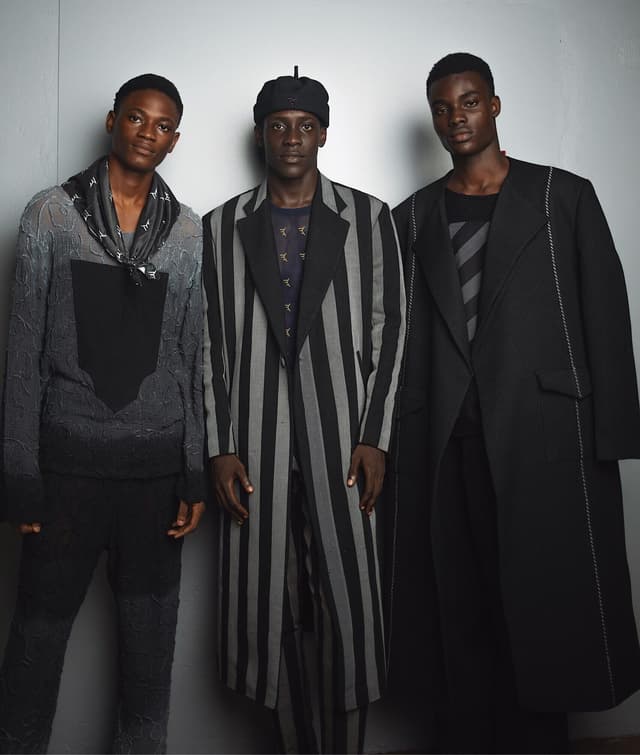
Emmy Kasbit is a Nigerian designer label for men and women, founded in Lagos in 2014 by designer Emmanuel Okoro. Describing itself as a sustainable brand and atelier, it tells fashion stories through multicultural references and significant historical moments. Its aesthetic draws on architecture, sartorial dressing and traditional craftsmanship, giving traditional staples a modern edge through bold lines, vibrant colours and texture. The range centres on refined tailoring: jackets, shirts, trousers and coats, alongside its Emmy Kasbit Classics selection. Everything is made in Nigeria, and many pieces are cut from handwoven Akwete cloth in cotton, linen and silk. Each season Okoro develops textile patterns, some based on Nsibidi symbols, and sends his yarns and designs to women weavers in eastern Nigeria, working from a hub in Abia State. The label's mission is to preserve culture, eradicate poverty and enhance liberty through all of its fashion processes, reviving an almost-lost craft. Okoro won the Fashion Focus Fund at Lagos Fashion Week in 2018 and the inaugural Africa Fashion Up prize in Paris in 2021, organised with Balenciaga. The independent label has also shown in Milan with Vogue Talents and shows at Lagos Fashion Week.

Lauren Manoogian featured image

Lauren Manoogian

USA & Peru · Est. 2008 · Luxury

Lauren Manoogian is an American luxury knitwear label for women, founded in New York in 2008 by designer Lauren Manoogian. Her appreciation of natural materials and an intuitive approach to shape development define the practice, and her deep knowledge of fibres and textiles guides each collection, creating textural narratives that are cohesive yet always evolving. A perceptible hand is part of the aesthetic, with irregularities and non-uniformity not just allowed but honoured. The label is known for understated, hand-loomed knitwear, including sweater tops like the Plissé Mockneck and Terra Pullover, sweater coats such as the Capote Coat and knit skirts like the Ravel Skirt. It also makes wovens such as the Canvas Car Coat and Taper Trouser, plus tops, dresses, handmade leather accessories, shoes like the Twist Slide and hats like the Felt Beret. Most knitwear is made in Peru, much of it hand-knit or hand-loomed in alpaca, merino and Pima cotton, while many woven pieces are made in Japan. Led by Manoogian and her partner, Chris Fireoved, the independent brand operates between New York and Peru, where much of its textile development and production happens, and sells online and through stockists.

Thebe Magugu featured image

Thebe Magugu

South Africa · Est. 2016 · Luxury

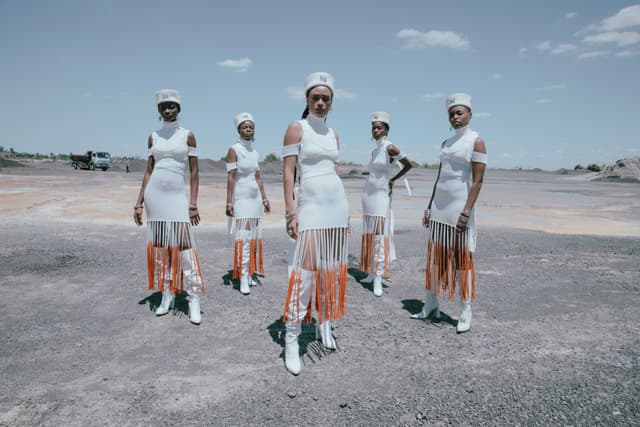
Thebe Magugu is a South African luxury designer label for women and men, founded in Johannesburg in 2016 by designer Thebe Magugu. Born in Kimberley in 1993, he moved to Johannesburg to study fashion design, photography and media at LISOF. His sleek, forward-looking ready-to-wear draws on Africa's storied past, complex present and imagined futures, built on the pillars of cultural honour, novelty and uncompromising quality. The brand offers women's and men's ready-to-wear, including its Heirloom line, plus accessories. Recent pieces include the Kiwi Fringe Dress, the Mens Tufted Cotton Shirt, the knitted Mask Polo Dress and the Gum Wrapper Track Pants. Its clothing is made in South Africa in cotton, wool and silk. Beyond its collections, the label publishes Faculty Press, an annual zine documenting contemporary South Africa and its diaspora. Its Extracurricular line of accessible fashion projects donates part of its proceeds to a chosen cause each season. In 2019 Magugu became the first African designer to win the LVMH Prize. He has created a capsule with Dior and Maria Grazia Chiuri in support of the Charlize Theron Africa Outreach Project, and the brand remains independent and founder-led.

Nielanell featured image

Nielanell

UK · Est. 2008 · Mid-range

Nielanell is a Scottish knitwear label, founded in Hoswick in 2008 by textile designer Niela Nell Kalra. A change of career brought Kalra to Shetland and into the world of knitwear, and she works in her own contemporary style as part of the islands' vibrant textile community, drawing on Shetland's rich knitting heritage. Her designs range from new takes on traditional Shetland knitwear to original and unusual garments, made for wearing rather than following trends. The label makes jumpers, capes, wraps, jackets, tunics, scarves, cowls and wristwarmers with bold patterns and unusual shapes. Signature pieces include the Hoswick Paint Jumper, the Inklines Jacket, the Rani Long Cape, the Marlet Wrap and the Ebb-stanes Cowl. Every design is created in the studio in Hoswick, a small village in the South Mainland of Shetland. Knitted panels are made in very small batches by specialist knitters in mainland UK, then each garment is linked and hand-finished by the in-house team in Shetland, mostly in 100% extra-fine merino wool. The studio shop is open to visitors, and during Shetland Wool Week Nielanell hosts free events including open studio days, behind-the-scenes tours and a makkers' drop-in.

Moi Dien featured image

Moi Dien

Vietnam · Est. 2016 · Affordable

Moi Dien is an experimental Vietnamese designer clothing label, founded in Ho Chi Minh City in 2016 by Tom Trandt. Trandt studied at Parsons School of Design in New York, where his work was exhibited at the Metropolitan Museum of Art while he was still a junior, before returning home to launch a label for people who want to experiment with what they wear. The name combines the Vietnamese words for lips and crazy. The label mixes minimalist everyday wear with bold, sculptural details such as asymmetric cuts, pleats and patchwork. Pieces include shirts like the Lệch and Gấp Shirts, T-shirts, asymmetrical tops, pleated shorts and pants, dresses, and Organza, Bomber and Patchwork Jackets, plus bags such as the Ba Gang Bag. Everything is made in Vietnam. Its design philosophy draws on avant-garde Belgian and Japanese designers. Rather than calling itself a sustainability brand, Moi Dien aims to be responsible, reducing waste by upcycling leftover fabrics and working with cotton, linen and silk. Moi Dien has been featured in Harper's Bazaar, Elle and L'Officiel, and Trandt was selected for the British Council's International Fashion Showcase 2019 in London.

Love Stories featured image

Love Stories

Netherlands · Est. 2013 · Mid-range

Love Stories is a Dutch lingerie label for women, founded in Amsterdam in 2013 by Marloes Hoedeman. A former interior stylist, Hoedeman set out to bring fun back into lingerie and break its rules, designing pieces that are fashion-forward, self-expressive and comfortable, made for women to wear for themselves rather than for someone else. For more than ten years the brand has positioned itself as a playful provocateur in a male-dominated industry, designing from a female perspective. Its First Layer lingerie is built on "perfect mismatches", mix-and-match sets that create a playful, feminine and sensual style. The range includes unpadded bralettes such as the Darling and Love Lace, padded bras like the Bonnie and Tori, and strings, briefs and shorts. Its Second Layer, called Whateverwear, pushes back against categories with camisoles, tees, skirts and knits such as the Miranda. Love Stories works largely with lace, and many Whateverwear pieces are made from lightweight cotton, silk or rayon, with some styles in organic cotton. Hoedeman remains creative director. The brand has a store on Amsterdam's Herengracht and Houses of Love boutiques in cities including Antwerp, Barcelona, Berlin, Madrid and Paris, plus an Archive store in London.

H+ Hannoh Wessel featured image

H+ Hannoh Wessel

Italy · Est. 1994 · Luxury

H+ Hannoh Wessel is an Italian luxury designer clothing label based in Imola, founded in 1994 by German designer Hanno Wessel. Born in 1965 in the north of Germany, Wessel studied at the École de la Chambre Syndicale de la Couture Parisienne and worked in haute couture for three years before launching his own brand, HANNOH, in 1994. His debut collection met with immediate acclaim from buyers and press. The label designs womenswear and menswear with a definite signature style, from well-cut casual tailoring with a Japanese feel to feminine dresses and shirting, often finished with raw hems and dropped linings. Since 2015 Wessel has run a company with experienced luxury manufacturers in Italy, and H+ Hannoh Wessel is now made entirely in Italy, in Imola. The collections are crafted from luxurious natural fibres such as linen, cotton, viscose, wool and silk, reflecting respect for artisanal excellence and fabric authenticity. In 2006 Wessel won the Paris Capital of Creation prize. His work was carried early on by Maria Luisa, Galeries Lafayette and Henri Bendel, is sold in more than 120 stores worldwide, and has had its own boutiques in Paris and Brooklyn since 2017.

Olderbrother featured image

Olderbrother

USA · Est. 2014 · Mid-range

Olderbrother is an American gender-neutral clothing label founded in Portland in 2014 by designers Max Kingery and Bobby Bonaparte. The label is built on slow fashion and natural dyeing, colouring its garments with ingredients such as turmeric, clay, charcoal and persimmon to create earthy tones. The range includes shirts, tees, tanks, trousers, jackets, vests and outerwear. Signature pieces include the Anti Fit Shirt, the Tee and the Tank in naturally dyed colours like Gold Clay and Red Clay, the Corduroy Cruiser, the Sherpa Chore Coat, the Waxed Windbreaker and the Waxed Puff Vest, along with its "Hand Me Downs" pieces. Natural dyeing sits at the heart of the label, and its earthy palette of clay, gold and charcoal tones ties the whole range together, from simple tees and tanks to waxed outerwear. All of the clothing is made and naturally dyed in California. Olderbrother works with materials such as organic cotton, hemp, silk and deadstock fabrics, as well as hand-beeswaxed Japanese broadcloth for its waxed outerwear. The label remains independent and is run by its two co-founders from Portland, Oregon.

Carleen featured image

Carleen

USA · Est. 2012 · Mid-range

Carleen is an American upcycled clothing label for women, founded in 2012 by Kelsy Parkhouse and based in Long Beach, California. The label is named after the middle name Parkhouse shared with her grandmother Connie, and it is inspired by western landscapes, the bright California light and the rich history of American quilting, which informs its aesthetic both visually and metaphorically. Carleen makes truly wearable clothing such as the Big Parka, Quilt Track Shorts, the Patchwork Wrap Jacket, the Smock Mini Dress and Kick Flare Pants, along with shirts, sweatshirts, skirts, ball caps and vintage patches. Everything is made by hand in California. The label is inspired by the patina of vintage textiles. Pieces are made from vintage quilts, feed sacks and deadstock fabrics that Parkhouse sources at places such as the Long Beach flea market and the Rose Bowl, so everything is one-of-a-kind or limited-edition. Carleen has been featured by Vogue and The Cut. Kendall Jenner modelled a pair of two-toned Carleen jeans in a Vogue spread, and Lena Dunham shared a Carleen chevron jacket on Instagram.

Selyn featured image

Selyn

Sri Lanka · Est. 1991 · Affordable

Selyn is a sustainable Sri Lankan handloom clothing label, founded in Kurunegala in 1991 by Sandra Wanduragala. An attorney-at-law, Wanduragala started Selyn in her home garage with 15 women in the village of Wanduragala. Her brother Hilary Wanduragala soon joined as managing director, and her daughter and namesake, Selyna Peiris, now leads its next generation. Selyn makes handloom sarees, sarongs, lungis, shirts, shawls and beach wraps, along with kids' clothing and toys, bags, bangles and home textiles such as table runners, mats and throws. Everything is handwoven in Sri Lanka through a network of around 1,000 rural artisans. The brand works to revive the island's declining handloom tradition while providing rural women and men with steady income and skills. Its products use GOTS-certified organic cotton, natural fibres and AZO-free dyes, and it is guaranteed by the World Fair Trade Organization. Selyn is Sri Lanka's only Fair Trade certified handloom company and one of its largest social enterprises, exporting worldwide. Sandra Wanduragala was named to Forbes Asia's 50 Over 50 list and received the Sri Lanka Iconic Woman award in 2025.

lumerune featured image

lumerune

United States · Est. 2026 · Mid-range

LUMERUNE is a gemstone jewelry brand offering rings, necklaces, earrings, and bracelets designed for everyday wear and meaningful gifting. Its pieces feature natural stones such as amethyst, citrine, moonstone, and aquamarine, with pearls appearing in many designs. Shoppers can browse by gemstone or birthstone, making it easier to choose a piece by color, occasion, or personal significance. The brand also draws on zodiac signs and traditional gemstone symbolism, while leaving the meaning of each piece to its wearer. Natural variations in a stone’s color, pattern, and clarity are part of its character. LUMERUNE pairs these details with contemporary shapes that can be worn alone or layered. Its approach treats a gemstone’s associations as a source of inspiration rather than a fixed meaning or a promise of benefits. Each product page lists materials and measurements, and the website provides sizing and jewelry care guides to help shoppers choose and maintain a piece. Orders come in protective, gift-ready packaging. Whether chosen for a birthday, a milestone, or everyday use, the jewelry is intended to become personal through the memories attached to it.

Hidden Indigo featured image

Hidden Indigo

China · Est. 2025 · Mid-range

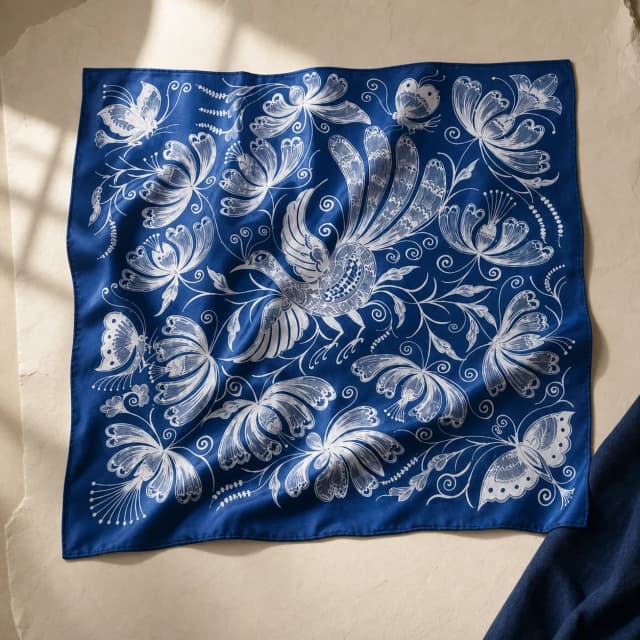
Hidden Indigo is a small, artisan-led brand preserving the traditional Miao batik craft of Guizhou, China. Built by a team of three based in Guiyang, the label works closely with Zhang Shixiu, a recognized inheritor of Miao batik and founder of the Mingxiu Batik Workshop in Paimo Village, and the women artisans in her workshop. Every piece is made using the traditional six-step wax-resist dyeing process: hand-drawing hot wax onto cloth, repeated indigo dipping, wax removal, and natural drying. The result is a range of bags, scarves, hats, jewelry, and home décor, each bearing the natural variation that comes from being entirely hand-drawn rather than mass-produced. Hidden Indigo's mission centers on keeping this heritage craft alive by putting it into everyday, wearable objects rather than freezing it as museum pieces. The brand grows deliberately slowly, framing each purchase as direct support for artisan livelihoods and the continuation of a fading tradition, summed up in its own words: "Blue, made slowly."

Natio featured image

Natio

Australia · Est. 1993 · Affordable

Natio is an Australian beauty brand established in 1993 by Max Ross and based in Melbourne, Victoria. With more than three decades in the market, the brand has developed a strong everyday identity around natural beauty, cruelty-free practices, and accessible pricing. Its longevity is one of its most meaningful qualities. Natio predates much of the current clean and conscious beauty conversation, giving its natural positioning more history than brands created specifically in response to recent trends. Cruelty-free beauty is part of that profile, while locally made production strengthens its connection to Australia. The brand’s wider subcategory positioning also includes ethical beauty, sustainability, and recycled materials, giving its long-standing natural approach a more contemporary environmental dimension. Affordability has helped Natio remain practical. Natural beauty can quickly become premium-priced, but the brand stays accessible enough for customers to build regular skincare and beauty routines without treating every product as an investment. Everyday beauty is where Natio feels most comfortable. The range is designed for repeat use rather than niche artistry or occasional luxury. For shoppers interested in established Australian beauty brands, Natio combines natural ingredients, cruelty-free practices, ethical considerations, sustainability, recycled materials, local production, and affordable pricing. Its strength lies in familiarity and longevity: a practical beauty brand that has been part of the Australian market since the early 1990s while continuing to align with modern conscious-beauty priorities.

MooGoo featured image

MooGoo

Australia · Est. 2005 · Affordable

MooGoo is an Australian skincare brand established in 2005 by Craig Jones. The brand has built its identity around natural beauty, practical sensitive-skin care, and affordable products designed to be used consistently rather than treated as occasional skincare extras. Sensitive-skin-friendly positioning is one of MooGoo’s strongest characteristics. Its dermatologist-tested profile gives the brand an additional layer of confidence for customers who are cautious about irritation or who prefer skincare that feels more considered for everyday use. Natural beauty remains central, while cruelty-free practices make the brand relevant for shoppers who want animal-friendly skincare. The wider subcategory profile also connects MooGoo with clean beauty, paraben-free formulation, sustainability, recycled materials, and locally made production. These qualities give the brand a broader conscious-beauty identity without losing its accessible character. Affordability is particularly important. Sensitive-skin and dermatologist-tested products are often pushed toward specialist or premium pricing, whereas MooGoo keeps its range within reach of everyday customers. Established in 2005, the brand also has a longer history than many newer clean-beauty names. For shoppers seeking Australian skincare that combines natural ingredients, cruelty-free values, dermatologist testing, sensitive-skin-friendly care, sustainability, local production, and accessible pricing, MooGoo offers a practical and well-established choice built around regular use rather than beauty trends.

Eco Tan featured image

Eco Tan

Australia · Est. 2010 · Mid-range

Eco Tan is an Australian beauty brand founded in 2010 by Sonya Driver and based in Currumbin on Queensland’s Gold Coast. The brand has built a broad conscious-beauty identity around natural and organic ingredients, vegan and cruelty-free values, local production, and sustainability. Its formulation profile is particularly comprehensive. Eco Tan sits within clean beauty and natural beauty while also being associated with non-toxic and sensitive-skin-friendly products. This gives the brand relevance for shoppers who want naturally focused formulas but are equally concerned about how those products feel on more delicate skin. Vegan and cruelty-free positioning adds an animal-friendly dimension, while ethical beauty and sustainability extend the conversation beyond formulation alone. Locally made production is another important feature. It strengthens Eco Tan’s Australian identity and helps connect the brand’s environmental values to a more regionally rooted manufacturing approach. The brand occupies the mid-range beauty segment, making organic and sustainability-led products more approachable than many premium alternatives. Recycled beauty also forms part of its wider subcategory profile, reinforcing the focus on reducing environmental impact. For shoppers who want an Australian beauty brand with multiple conscious credentials in one place, Eco Tan offers natural and organic formulation, vegan and cruelty-free practices, sensitive-skin-friendly products, sustainability, ethical values, recycled materials, and locally made production without pushing the experience into luxury-only territory.

Edible Beauty featured image

Edible Beauty

Australia · Est. 2014 · Mid-range

Edible Beauty is an Australian skincare brand founded in 2014 by Anna Mitsios and based in Sydney. The women-owned beauty brand brings together clean beauty, natural and organic ingredients, plant-based formulation, and a strong ethical and sustainability profile. Its vegan and cruelty-free positioning gives the brand an animal-friendly foundation, while organic and natural beauty add a more ingredient-conscious dimension. Edible Beauty also sits within paraben-free and sulfate-free beauty, giving shoppers additional formulation standards to consider. Sustainability extends beyond ingredients. Biodegradable elements and recycled materials contribute to the brand’s environmental profile, making its conscious-beauty positioning feel broader than a simple “clean” label. Ethical beauty is another key part of its identity, helping connect product formulation with wider questions around sourcing and responsible production. Although the underlying pricing sits around mid-range, the brand carries a luxury beauty positioning through its presentation and ingredient philosophy. That creates an accessible-premium balance for shoppers who want a more elevated natural skincare experience without reaching the very top of prestige pricing. Edible Beauty is particularly suited to customers who want several conscious beauty priorities addressed together. Clean formulation, organic and plant-based ingredients, vegan and cruelty-free practices, ethical values, recycled materials, sustainability, and women-owned leadership all contribute to a distinctly modern Australian skincare brand.

Natralus featured image

Natralus

Australia · Est. 2010 · Affordable

Natralus is an Australian beauty brand founded in 2010 by John Rowe and based in Adelaide, South Australia. The brand occupies an accessible space within natural beauty, bringing together cruelty-free practices, ingredient-conscious formulations, and locally made products without moving into premium pricing. Natural beauty is the foundation of Natralus, while paraben-free and sulfate-free formulas give shoppers clearer guidance around what they can expect from the range. Sensitive-skin-friendly positioning adds another important dimension, making the brand particularly relevant for customers who want natural products but still need to consider skin comfort. Its cruelty-free profile provides an animal-welfare consideration, while local production gives Natralus a strong Australian identity. That locally made element is especially meaningful for shoppers who prefer supporting brands with a closer connection between formulation, production, and place. Affordability is one of the brand’s strongest advantages. Natural and sensitive-skin-focused beauty often carries a higher price, but Natralus keeps its products within reach of customers building practical everyday routines. The result is a beauty brand that feels straightforward rather than aspirational for its own sake. For shoppers looking for affordable Australian beauty, Natralus combines natural ingredients, cruelty-free values, paraben-free and sulfate-free formulations, sensitive-skin-friendly care, local production, and everyday usability in a way that is easy to understand and easy to incorporate into regular routines.

Dr. Hauck featured image

Dr. Hauck

Luxury

Dr. Hauck is a European luxury skincare brand founded by David Hauck and Brigitte Hauck, with a profile centered on natural and organic beauty. The brand sits firmly toward the premium side of skincare, but its identity is shaped more by natural formulation and simplicity than by traditional luxury excess. Natural ingredients form the foundation of the range, while the brand’s subcategory profile also connects it to organic beauty, cruelty-free practices, sustainability, and minimalist skincare. That combination gives Dr. Hauck a relatively restrained approach to luxury. Instead of emphasizing large routines or highly decorative products, the brand is better suited to customers who want premium skincare with a natural focus and fewer, more purposeful steps. Sustainability gives this natural positioning additional depth. It suggests that the brand’s interest in botanical beauty extends beyond formulation to a broader consideration of environmental responsibility. Cruelty-free beauty adds an animal-welfare dimension, making Dr. Hauck relevant for shoppers who want luxury skincare without disconnecting premium positioning from conscious values. For customers who find conventional prestige skincare too complicated or synthetic-feeling, Dr. Hauck offers a quieter alternative. Its combination of natural and organic beauty, minimalist routines, cruelty-free practices, sustainability, and everyday usability places it within a more considered form of European luxury skincare—one where simplicity and formulation take priority over excess.

FINigrana featured image

FINigrana

Germany · Est. 1998 · Affordable

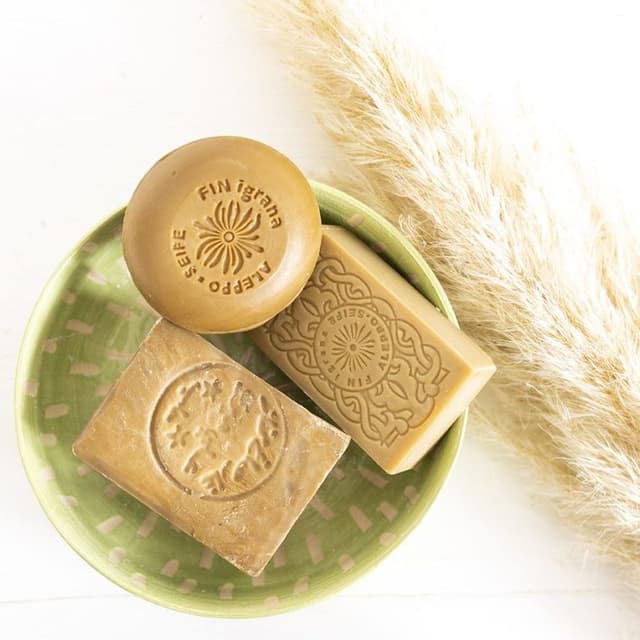
FINigrana is a German beauty brand established in 1998 by Bernhard Bauer and Gabriele Krüger. With more than two decades behind it, the brand brings a sense of heritage to natural beauty that newer plant-based labels cannot easily replicate. Its products are positioned around natural and plant-based ingredients, with vegan beauty forming another important part of the brand’s identity. Handmade production gives FINigrana an artisanal character and helps connect its products to a more traditional approach to personal care. The brand’s heritage is particularly relevant because its focus on natural beauty predates the current wave of clean-beauty marketing. Rather than appearing to have adopted plant-based formulation in response to recent demand, FINigrana has a longer-standing relationship with this category. Ethical and sustainable beauty also fit within its wider subcategory profile, adding a more contemporary layer to the brand’s established natural positioning. Affordability makes FINigrana especially approachable. Customers can explore plant-based, handmade beauty without paying the premium usually attached to artisanal or heritage-led products. Its minimalist and everyday beauty positioning keeps the range practical rather than ceremonial. FINigrana is therefore a good fit for shoppers who value natural formulas, vegan products, craftsmanship, heritage, ethical considerations, and accessible pricing. The brand’s strength lies in combining those qualities with the familiarity of a beauty company that has been operating since the late 1990s.

hello simple featured image

hello simple

Germany · Est. 2016 · Affordable

hello simple is a Berlin beauty brand founded in 2016 by Lisa Mair and Jacqueline Gey. Its name captures the brand’s broader philosophy well: natural and organic beauty should be uncomplicated, lower-waste, and realistic enough to become part of everyday life. The brand is vegan and cruelty-free, but its environmental profile is where it becomes especially distinctive. Plastic-free and zero-waste principles are built into the brand’s positioning, giving shoppers a way to reduce disposable packaging rather than simply switching between different recyclable formats. Handmade and locally made production add a more personal character to the brand. This connection to Berlin helps hello simple stand apart from mass-produced eco-beauty labels and reinforces the sense that the products are developed with small-scale production in mind. Natural and organic ingredients support the same philosophy. The focus is not just on what is left out of the packaging, but also on creating beauty products that feel aligned with a more conscious routine. Its affordable price point is another major advantage. Zero-waste beauty can easily become expensive, but hello simple keeps these values within reach of everyday shoppers. For customers looking for a European beauty brand that combines vegan formulas, natural ingredients, handmade products, local production, plastic-free design, sustainability, and zero-waste thinking, hello simple offers a particularly practical entry into lower-impact beauty.

Dr. Massing Cosmetics featured image

Dr. Massing Cosmetics

Germany · Est. 2014 · Mid-range

Dr. Massing Cosmetics is a German beauty brand founded in 2014 by Erik Massing. The brand sits at the meeting point between natural beauty and more clinically minded skincare, combining natural ingredients with dermatologist-tested products and a strong focus on skin comfort. Sensitive-skin-friendly positioning is one of its clearest strengths. For shoppers who want natural skincare but still prefer products that carry a more considered testing profile, Dr. Massing offers a useful middle ground between botanical beauty and conventional dermatological skincare. Its formulas are also associated with paraben-free beauty, while cruelty-free practices add an animal-welfare consideration. Locally made production gives the brand a clear German identity and supports a more regionally rooted approach to skincare. Sustainability forms part of the broader profile as well, complementing its natural and locally made positioning rather than functioning as a standalone claim. The brand’s underlying price point sits around mid-range even though some of its positioning leans toward luxury. This gives customers a more elevated experience without necessarily entering the highest prestige tier. Dr. Massing Cosmetics is especially relevant for people who want natural skincare to feel both gentle and credible. Its mix of dermatologist testing, sensitive-skin-friendly formulas, cruelty-free values, paraben-free beauty, local production, and everyday usability gives the brand a more balanced identity than purely botanical or purely clinical skincare labels.

Rosenrot featured image

Rosenrot

Germany · Est. 2013 · Affordable

Rosenrot is a German beauty brand founded in 2013 by Karin Ziesmer and based in Heilbronn, Baden-Württemberg. Its identity is built around natural and organic beauty, but what makes the brand particularly interesting is how strongly that formulation philosophy is connected to low-waste product design. Rosenrot is cruelty-free and associated with paraben-free beauty, while biodegradable and plastic-free elements make its sustainability positioning more tangible. Instead of limiting environmental responsibility to recyclable outer boxes, the brand is linked to reducing plastic and using materials that are better suited to lower-waste routines. Locally made production strengthens its German character and gives shoppers a clearer connection between the brand and where its products are produced. That local focus also complements its natural beauty positioning, making the overall approach feel coherent rather than assembled from unrelated claims. Although some of its tags sit around mid-range, Rosenrot is positioned in the affordable beauty segment. That accessibility is important because plastic-free and organic beauty are often priced as premium categories. Its minimalist positioning further supports the idea of buying and using products more intentionally. For customers exploring European beauty, Rosenrot offers a practical combination of natural and organic formulations, cruelty-free values, biodegradable and plastic-free design, local production, sustainability, and everyday usability without turning lower-waste beauty into an expensive niche.

Can't find what you're looking for?

We add new sites every week but if you have a specific request, let us know.