List of 350+ Luxury Brands – Page 6

Brands 121–144 of 392. Back to page 1 · Browse brands A–Z

Brands

392 brands

Orange Culture featured image

Orange Culture

Nigeria · Est. 2011 · Luxury

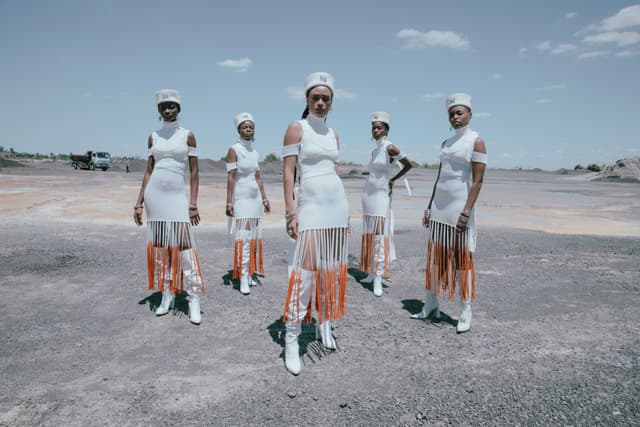
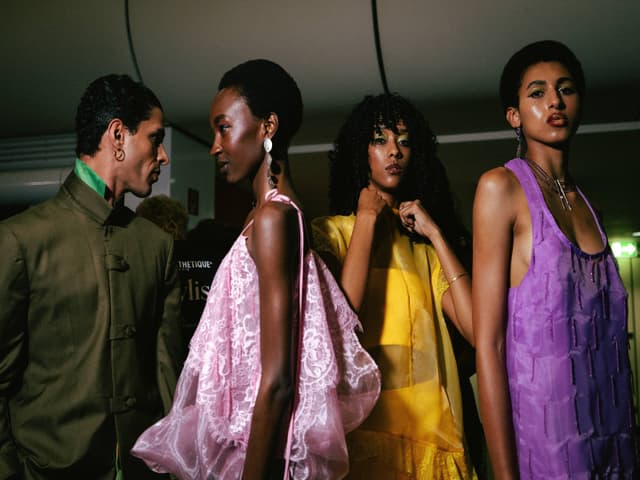
Orange Culture is a gender-neutral Nigerian designer clothing label for men and women, founded in Lagos in 2011 by Adebayo Oke-Lawal. Oke-Lawal grew up with a passion for confronting societal norms and uses fashion to combat hyper-masculinity, injustice and suppressed expressions of Africanism, describing the brand as a movement of socially aware stories cut into clothing. The label makes trousers, tops, shirts, dresses, skirts, jackets, blazers, coats, shorts, jumpsuits, capes, suits and its signature Skouzers, plus bags such as the Horizon Bag, belts and shoes. Everything is made in Nigeria, in materials such as cotton, linen, silk and viscose. Orange Culture blends Nigerian-inspired print fabrics, colour and other African references with universal streetwear silhouettes and unexpected fabric choices. Its menswear and womenswear collections blur boundaries of culture and gender, interrogating the cues that masculine dress sends to society, with clothes designed to be worn by anyone. Orange Culture was a semi-finalist for the LVMH Prize in 2014 and was named one of Fashion Scout's Ones to Watch for London Fashion Week in 2017.

Julia Jentzsch featured image

Julia Jentzsch

USA · Est. 2007 · Luxury

Julia Jentzsch is an American sustainable luxury label for women, founded in New York in 2007 by designer Julia Jentzsch. Born in France and raised in Germany, she studied fashion design in Hamburg, worked for John Galliano in London and completed an MA at the Royal College of Art, where her graduate collection was featured in British Vogue. Over 15 years she designed alongside Jil Sander, Alber Elbaz, Tom Ford and Stefano Pilati at Yves Saint Laurent, and at Calvin Klein. Its design follows modernist and Bauhaus principles: "less, but better", true materials and form follows function. The collection interprets luxurious fabrics in simple, wearable silhouettes, with shirts, sweaters, dresses, skirts, trousers, jackets and coats. Pieces include the ARION hand-knitted recycled silk and cotton sweater, the CONRAN undyed organic cotton shirt, the BIRCH shirt dress, the BRENDAN trench and the CHRISTOPHER duffle coat. Clothing is produced locally in New York's Garment District, using fabrics from responsible mills in Italy and Japan, including organic cotton, undyed fibres and recycled silk. Since 2020 the brand has embraced reuse, repurposing, recycling and repair. Jentzsch has also taught at Parsons The New School since 2022.

Nili Lotan featured image

Nili Lotan

USA · Est. 2003 · Luxury

Nili Lotan is an American luxury clothing label for women, founded in New York in 2003 by designer Nili Lotan. Born in Netanya, Israel, Lotan served two years in the Israeli Air Force and studied at Shenkar in Tel Aviv before moving to New York, where she designed for Liz Claiborne, Ralph Lauren and Nautica. Her label blends French minimalism, 1970s rock and roll and utilitarian ease into relaxed, timeless pieces. The first collection was six elevated basics, military trousers and utility jackets inspired by air force uniforms, cut and sewn in New York and garment dyed. Today the range spans high-rise jeans, linen khakis, boyfriend shirts, unstructured blazers, knitwear, silk dresses and menswear, mostly still made in New York. Lotan has kept the business independent, avoids runway shows and has built it through her own stores, opening the first above her atelier on Duane Street in Tribeca in 2006. The label took off at Barneys New York and Fred Segal and is now sold through about 300 stores worldwide, including Mr Porter, Ssense, Saks Fifth Avenue and Shopbop, alongside its own boutiques in New York, Los Angeles and Palm Beach.

Envelope1976 featured image

Envelope1976

Norway · Est. 2018 · Luxury

Envelope1976 is a Scandinavian designer label for women, founded in Oslo in 2018 by Celine Aagaard and Pia Nordskaug. Both founders have long experience in fashion and design, and they set out to create a wardrobe centred on longevity, ease and a modern aesthetic. The brand's philosophy is versatility and modern refinement, with timeless silhouettes designed to move between occasions and be worn season after season. The range includes coats, leather and shearling jackets, knitwear, trousers, dresses and swimwear, released in two curated collections a year. Signature pieces include the Woodstock coat, the Alaska and Biarritz jackets, the Cloud and Hardanger knits, the Everyday hoodie in cashmere and the Monaco and Lenny pants. Envelope1976 prioritises natural materials such as wool, silk, cashmere and leather, and works with suppliers mainly in China, Turkey and India. The focus on fewer, well-made pieces reflects its aim of a more considered way of dressing. The brand remains independent, owned through its founders' companies with Celine Aagaard as majority shareholder, and ships its collections across Europe.

Vestige Story featured image

Vestige Story

Canada · Est. 2015 · Luxury

Vestige Story is a Canadian sustainable designer label for women, founded in Vancouver in 2015 by Aileen Lee. An English Literature graduate, Lee is a self-taught designer who uses storytelling and design to deepen the bonds between people and their possessions. Describing Vestige as a study in slowness, a fashion, art and literary house crafting future artifacts, she draws on the diverse cultures of her community to create quietly creative pieces. The collection includes coats such as the Tacit Coat and Eon Wrap Coat, the silk Celes Gown, the Simile Shirt, the Sonnet Blouse and the Rhythm Skirt, plus Dim Sum leather bags and painted silk scarves released in limited editions. Every piece is made in Canada, in small batches with a Vancouver production house whose experienced local seamsters are paid a living wage. Fabrics are sourced from local distributors with a focus on sustainable, plant-based textiles, and many pieces are made to order. Western Living named Vestige its 2022 Designer of the Year in fashion, and Elle called it a designer to watch at Vancouver Fashion Week. Lee designed an apparel line for travel brand Monos and established a scholarship at Kwantlen Polytechnic University.

The Sei featured image

The Sei

USA · Est. 2020 · Luxury

THE SEI is an American luxury designer clothing label for women, founded in Los Angeles in 2020 by a team of four women who met while designing together at Michelle Mason. When the pandemic left them at a crossroads, they chose to stay together and build their own fully women- and minority-owned brand, with each founder bringing a different role. Their aim is a foundation of polished classics mixed with seductive silhouettes, designed by women for women of all generations and lifestyles. The collection includes gowns, dresses, tops, trousers, skirts, blazers, jackets, silk sets and knitwear. The designs play the masculine restraint of structured tailoring against the feminine sensuality of draped, body-skimming styles, and pieces are made in China. The label works with materials such as silk, merino wool, cashmere and viscose, aiming for pieces that feel effortless and timeless rather than seasonal. THE SEI is sold by major retailers including Saks Fifth Avenue, FWRD, Revolve, Mytheresa, Ounass and Harvey Nichols Doha, as well as specialty boutiques across the US and abroad. Kristen Bell wore a THE SEI halter top to a screening of Nobody Wants This.

Cortana featured image

Cortana

Spain · Est. 2001 · Luxury

Cortana is a Spanish designer label for women, founded in Barcelona in 2001 by designer Rosa Esteva. Esteva draws much of her inspiration from Mallorca, her home island, and the brand's exclusive prints are based on her own watercolours. Cortana describes itself as slow fashion since 2001, making timeless collections in premium natural fabrics with artisanal production. The range includes tops, dresses, trousers, skirts, jackets, coats, shoes, bags and jewellery. Pieces include the Ahora virgin wool wrap top, the Aleris asymmetric silk top, the Amar linen and silk trousers and the Anhelo silk balloon dress, along with silk tulle tops, Lira leather trousers and Amalia leather bags. It also has a home line, Cortana Casa, which includes ceramics. Cortana produces its collections in small workshops in Barcelona and Mallorca, preserving local craft traditions. It works with fine natural fabrics such as silk, linen and cashmere, along with lower-impact fibres such as cupro and ramie. Cortana is an independent label run by Esteva as its founder and designer.

Georgia Hardinge featured image

Georgia Hardinge

UK · Est. 2010 · Luxury

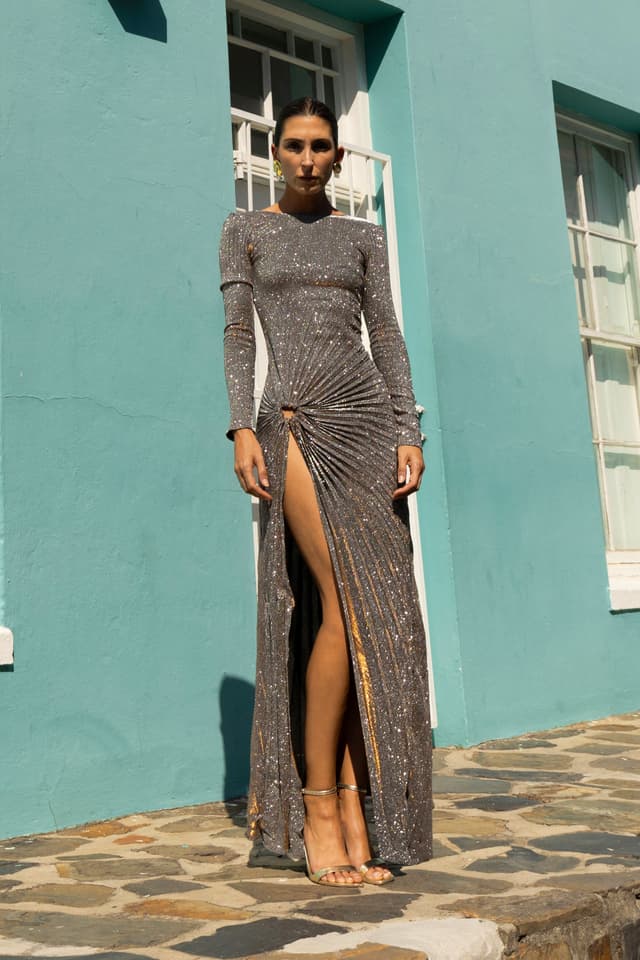
Georgia Hardinge is a British designer label for women, founded in London in 2010 by designer Georgia Hardinge. Born in London, she trained at Parsons Paris, where her graduate collection won Best Designer. Her work is defined by a sculptural, architectural approach, with experimental pleating developed from paper sculpture and new fabric technologies. The label centres on statement dresses, alongside tops, sweatshirts, blazers and trousers, and its collections are made in the UK. Signature pieces include the Fossil Dress, the Cascade Dress, the Waterfall Dress, the Chrome Dress and the Shard Blazer. Since 2019 the brand has introduced certified sustainable fabrics, sourced with The Sustainable Angle; the partnership was a finalist for a Drapers sustainability award. Since 2016 it has raised over 200,000 pounds for wildlife charity Elephant Family. Hardinge received BFC Contemporary Sponsorship and the Fashion Trust Grant from the British Fashion Council and competed on Making the Cut. Her designs have been worn by Beyoncé, Lady Gaga and Alicia Keys, and she has collaborated with River Island, Swarovski and Lancôme. The label is stocked at Liberty London, Moda Operandi, Revolve and Le Bon Marché.

PRISCAVera featured image

PRISCAVera

USA · Est. 2016 · Luxury

PRISCAVera is an American designer luxury clothing label for women, founded in New York in 2016 by Prisca Vera Franchetti. Italian-born, Franchetti studied fashion design at IED Barcelona, interned at Chloé and moved to New York at 21, where she worked for Zac Posen before launching her own label. Rooted in her Italian upbringing, the brand dives into the absurdities of contemporary life with a defiant sense of freedom and humour, redefining classic European sophistication with a pop-culture twist. PRISCAVera makes tops, dresses, trousers, skirts, jackets and lingerie-inspired pieces, plus swimwear and accessories. It is known for slinky slip dresses, lace-up ruched one-piece swimsuits and triangle bikinis, alongside bleach-dye paneled jeans and statement leather coats. Many pieces are made in New York City, while much of the swimwear is made in Portugal. Considered craftsmanship forms the backbone of every collection, with fine Italian fabrics, cotton, silk and leather, and recycled polyamide in several swim styles. Shortly after its first collection, PRISCAVera was picked up by Maryam Nassir Zadeh and has shown during New York Fashion Week. Petra Collins is among its fans, and Franchetti still runs the independent label herself.

Lauren Manoogian featured image

Lauren Manoogian

USA & Peru · Est. 2008 · Luxury

Lauren Manoogian is an American luxury knitwear label for women, founded in New York in 2008 by designer Lauren Manoogian. Her appreciation of natural materials and an intuitive approach to shape development define the practice, and her deep knowledge of fibres and textiles guides each collection, creating textural narratives that are cohesive yet always evolving. A perceptible hand is part of the aesthetic, with irregularities and non-uniformity not just allowed but honoured. The label is known for understated, hand-loomed knitwear, including sweater tops like the Plissé Mockneck and Terra Pullover, sweater coats such as the Capote Coat and knit skirts like the Ravel Skirt. It also makes wovens such as the Canvas Car Coat and Taper Trouser, plus tops, dresses, handmade leather accessories, shoes like the Twist Slide and hats like the Felt Beret. Most knitwear is made in Peru, much of it hand-knit or hand-loomed in alpaca, merino and Pima cotton, while many woven pieces are made in Japan. Led by Manoogian and her partner, Chris Fireoved, the independent brand operates between New York and Peru, where much of its textile development and production happens, and sells online and through stockists.

Thebe Magugu featured image

Thebe Magugu

South Africa · Est. 2016 · Luxury

Thebe Magugu is a South African luxury designer label for women and men, founded in Johannesburg in 2016 by designer Thebe Magugu. Born in Kimberley in 1993, he moved to Johannesburg to study fashion design, photography and media at LISOF. His sleek, forward-looking ready-to-wear draws on Africa's storied past, complex present and imagined futures, built on the pillars of cultural honour, novelty and uncompromising quality. The brand offers women's and men's ready-to-wear, including its Heirloom line, plus accessories. Recent pieces include the Kiwi Fringe Dress, the Mens Tufted Cotton Shirt, the knitted Mask Polo Dress and the Gum Wrapper Track Pants. Its clothing is made in South Africa in cotton, wool and silk. Beyond its collections, the label publishes Faculty Press, an annual zine documenting contemporary South Africa and its diaspora. Its Extracurricular line of accessible fashion projects donates part of its proceeds to a chosen cause each season. In 2019 Magugu became the first African designer to win the LVMH Prize. He has created a capsule with Dior and Maria Grazia Chiuri in support of the Charlize Theron Africa Outreach Project, and the brand remains independent and founder-led.

Maygel Coronel featured image

Maygel Coronel

Colombia · Est. 2017 · Luxury

Maygel Coronel is a Colombian designer label for women, founded in Cartagena in 2017 by designer Maygel Coronel. Created in Cartagena de Indias, the brand channels the magical, Caribbean elements of her homeland into sleek, handmade swimwear and resortwear, guided by conscious processes and respect for the many forms of knowledge behind each piece. The range includes one-piece and two-piece swimsuits, body-skimming knit dresses, sets, jumpsuits, tops, skirts and pants. Signature pieces include the Lantana, Zaguan and Solaris one-pieces, the Grau and Quero two-pieces, the Onix and Zagori bodydresses and the Constella jumpsuit. About 97% of production takes place at the brand's own facility in Colombia, with the remaining 3% from a supplier in Italy. Around 90% of its products use locally sourced materials, its main fabric is OEKO-TEX certified, and its partner mill reuses 40% of its water. The company is also Sedex audited. Maygel Coronel remains independent and is led by its founder and creative director. The brand has its own boutique in Cartagena's historic centre and ships its collections internationally.

H+ Hannoh Wessel featured image

H+ Hannoh Wessel

Italy · Est. 1994 · Luxury

H+ Hannoh Wessel is an Italian luxury designer clothing label based in Imola, founded in 1994 by German designer Hanno Wessel. Born in 1965 in the north of Germany, Wessel studied at the École de la Chambre Syndicale de la Couture Parisienne and worked in haute couture for three years before launching his own brand, HANNOH, in 1994. His debut collection met with immediate acclaim from buyers and press. The label designs womenswear and menswear with a definite signature style, from well-cut casual tailoring with a Japanese feel to feminine dresses and shirting, often finished with raw hems and dropped linings. Since 2015 Wessel has run a company with experienced luxury manufacturers in Italy, and H+ Hannoh Wessel is now made entirely in Italy, in Imola. The collections are crafted from luxurious natural fibres such as linen, cotton, viscose, wool and silk, reflecting respect for artisanal excellence and fabric authenticity. In 2006 Wessel won the Paris Capital of Creation prize. His work was carried early on by Maria Luisa, Galeries Lafayette and Henri Bendel, is sold in more than 120 stores worldwide, and has had its own boutiques in Paris and Brooklyn since 2017.

Edible Beauty featured image

Edible Beauty

Australia · Est. 2014 · Mid-range

Edible Beauty is an Australian skincare brand founded in 2014 by Anna Mitsios and based in Sydney. The women-owned beauty brand brings together clean beauty, natural and organic ingredients, plant-based formulation, and a strong ethical and sustainability profile. Its vegan and cruelty-free positioning gives the brand an animal-friendly foundation, while organic and natural beauty add a more ingredient-conscious dimension. Edible Beauty also sits within paraben-free and sulfate-free beauty, giving shoppers additional formulation standards to consider. Sustainability extends beyond ingredients. Biodegradable elements and recycled materials contribute to the brand’s environmental profile, making its conscious-beauty positioning feel broader than a simple “clean” label. Ethical beauty is another key part of its identity, helping connect product formulation with wider questions around sourcing and responsible production. Although the underlying pricing sits around mid-range, the brand carries a luxury beauty positioning through its presentation and ingredient philosophy. That creates an accessible-premium balance for shoppers who want a more elevated natural skincare experience without reaching the very top of prestige pricing. Edible Beauty is particularly suited to customers who want several conscious beauty priorities addressed together. Clean formulation, organic and plant-based ingredients, vegan and cruelty-free practices, ethical values, recycled materials, sustainability, and women-owned leadership all contribute to a distinctly modern Australian skincare brand.

Cipher Skincare featured image

Cipher Skincare

Australia · Luxury

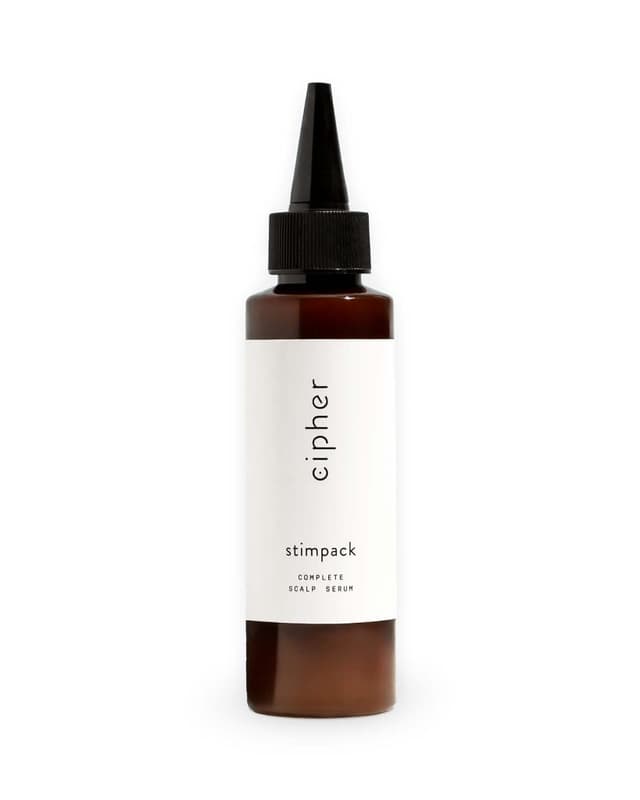
Cipher Skincare is an Australian luxury beauty brand founded by Jenny Hinton and based in Perth, Western Australia. Its profile is intentionally focused, combining vegan beauty, fragrance-free formulation, sensitive-skin-friendly care, and a minimalist approach to skincare. The fragrance-free positioning is especially important. For customers who avoid added scent or find fragrance difficult to tolerate, Cipher offers a more restrained skincare experience that does not rely on fragrance to make products feel premium. Sensitive-skin-friendly beauty follows naturally from that choice. The brand is better suited to shoppers who value skin comfort and routine consistency over highly sensory or complicated products. Minimalism is another defining characteristic. Cipher Skincare does not need to compete through a large number of overlapping steps; its profile is more aligned with purposeful products and streamlined routines. Its luxury positioning gives the brand a more elevated feel, while the Australian origin and Perth base provide a clear regional identity. Cipher is particularly relevant for customers who want premium skincare without unnecessary complexity. Vegan formulation, fragrance-free beauty, sensitive-skin-friendly positioning, and minimalist routines all point toward a quieter interpretation of luxury. Rather than making skincare feel like an elaborate ritual, Cipher Skincare offers a more edited approach—one that prioritizes formulation choices, comfort, and consistency for people who prefer their beauty routine to remain focused.

Dr. Hauck featured image

Dr. Hauck

Luxury

Dr. Hauck is a European luxury skincare brand founded by David Hauck and Brigitte Hauck, with a profile centered on natural and organic beauty. The brand sits firmly toward the premium side of skincare, but its identity is shaped more by natural formulation and simplicity than by traditional luxury excess. Natural ingredients form the foundation of the range, while the brand’s subcategory profile also connects it to organic beauty, cruelty-free practices, sustainability, and minimalist skincare. That combination gives Dr. Hauck a relatively restrained approach to luxury. Instead of emphasizing large routines or highly decorative products, the brand is better suited to customers who want premium skincare with a natural focus and fewer, more purposeful steps. Sustainability gives this natural positioning additional depth. It suggests that the brand’s interest in botanical beauty extends beyond formulation to a broader consideration of environmental responsibility. Cruelty-free beauty adds an animal-welfare dimension, making Dr. Hauck relevant for shoppers who want luxury skincare without disconnecting premium positioning from conscious values. For customers who find conventional prestige skincare too complicated or synthetic-feeling, Dr. Hauck offers a quieter alternative. Its combination of natural and organic beauty, minimalist routines, cruelty-free practices, sustainability, and everyday usability places it within a more considered form of European luxury skincare—one where simplicity and formulation take priority over excess.

Dr. Massing Cosmetics featured image

Dr. Massing Cosmetics

Germany · Est. 2014 · Mid-range

Dr. Massing Cosmetics is a German beauty brand founded in 2014 by Erik Massing. The brand sits at the meeting point between natural beauty and more clinically minded skincare, combining natural ingredients with dermatologist-tested products and a strong focus on skin comfort. Sensitive-skin-friendly positioning is one of its clearest strengths. For shoppers who want natural skincare but still prefer products that carry a more considered testing profile, Dr. Massing offers a useful middle ground between botanical beauty and conventional dermatological skincare. Its formulas are also associated with paraben-free beauty, while cruelty-free practices add an animal-welfare consideration. Locally made production gives the brand a clear German identity and supports a more regionally rooted approach to skincare. Sustainability forms part of the broader profile as well, complementing its natural and locally made positioning rather than functioning as a standalone claim. The brand’s underlying price point sits around mid-range even though some of its positioning leans toward luxury. This gives customers a more elevated experience without necessarily entering the highest prestige tier. Dr. Massing Cosmetics is especially relevant for people who want natural skincare to feel both gentle and credible. Its mix of dermatologist testing, sensitive-skin-friendly formulas, cruelty-free values, paraben-free beauty, local production, and everyday usability gives the brand a more balanced identity than purely botanical or purely clinical skincare labels.

NKM Atelier featured image

NKM Atelier

Germany · Est. 2019 · Mid-range

NKM Atelier is a German skincare brand founded in 2019 by Mareike Peters and Alexander Hefele and based in Munich, Bavaria. The brand is rooted in natural and organic beauty, with handmade production and local craftsmanship playing a central role in how its identity has developed. Rather than presenting skincare as a highly industrial process, NKM Atelier leans into the idea of an atelier: products feel closely connected to making, formulation, and smaller-scale production. That handmade character gives the brand a different tone from many clinical-looking skincare labels and reinforces its place within locally made European beauty. Natural and organic ingredients are at the heart of the brand’s positioning, while vegan and cruelty-free subcategories extend that profile toward animal-friendly beauty. Sustainability is also part of the wider approach, making NKM relevant for shoppers who think about ingredients, production, and environmental impact together. The brand is women-owned and sits around the mid-range price segment, even though some of its presentation has a more premium feel. This balance makes its artisanal and natural positioning more approachable than traditional luxury skincare. For customers interested in German beauty with a hands-on, locally rooted character, NKM Atelier combines organic and natural skincare, handmade production, sustainability, women-owned leadership, local manufacturing, and everyday usability in a way that feels more craft-led than mass-produced.

Ruhi Rituals featured image

Ruhi Rituals

Germany · Est. 2019 · Luxury

RUHI Rituals is a Berlin-based luxury beauty brand founded in 2019 by Britta Hekmat. Its skincare identity is rooted in natural, organic, and plant-based formulation, with a strong emphasis on simplicity and products designed to work within intentional everyday rituals. The brand is vegan and cruelty-free, making it particularly relevant for shoppers looking for premium skincare aligned with animal-friendly values. Fragrance-free beauty adds another important dimension, especially for customers who prefer formulas without added scent. Sensitive-skin-friendly positioning reinforces that gentler approach. Instead of building luxury around complexity, RUHI Rituals leans toward minimalist beauty and products that can be used with purpose. Locally made production keeps the brand closely tied to Berlin and gives its skincare a stronger independent identity than globally standardized prestige labels. Its luxury positioning comes from the combination of formulation, craftsmanship, and a more considered approach to routine rather than simply from exclusivity. RUHI Rituals is best suited to shoppers who want premium European skincare but prefer natural beauty to traditional luxury formulation. Organic and plant-based ingredients, vegan and cruelty-free values, fragrance-free products, sensitive-skin-friendly care, local production, and minimalist routines all work together to create a beauty brand that feels quiet, deliberate, and focused on consistent use.

UND GRETEL featured image

UND GRETEL

Germany · Est. 2015 · Mid-range

UND GRETEL is a German beauty brand founded in 2015 by Christina Roth and Stephanie Dettmann and based in Berlin. The brand sits at the intersection of natural beauty and luxury cosmetics, with a strong emphasis on clean formulation, organic ingredients, and more responsible product choices. Its cruelty-free positioning is central to that identity. UND GRETEL is also associated with non-toxic beauty and formulas made without parabens or silicones, giving ingredient-conscious shoppers a clear set of standards. Natural and organic beauty are particularly important here because the brand does not frame them as alternatives to premium performance. Instead, the aim is to combine a more elevated beauty experience with formulations that align with conscious ingredient preferences. Ethical and sustainable beauty further shape the brand’s profile. These values give UND GRETEL a broader sense of responsibility beyond product formulation alone. The Berlin base also matters, placing the brand firmly within modern European beauty and giving it a locally rooted identity in a market often dominated by multinational cosmetics companies. UND GRETEL is best suited to shoppers who want luxury beauty without abandoning natural and cruelty-free values. Its mix of organic ingredients, clean formulation, ethical positioning, sustainability, paraben-free and silicone-free products, and everyday usability creates a distinctly modern approach to premium German beauty.

Dr. Dabour featured image

Dr. Dabour

Israel · Est. 2010 · Mid-range

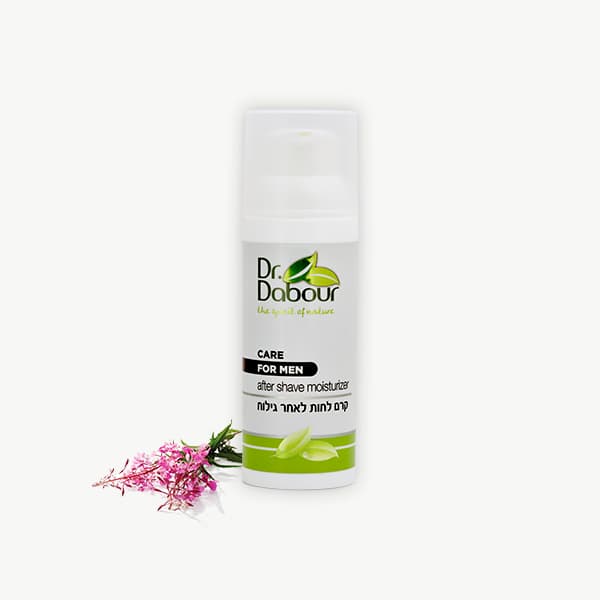
Dr. Dabour is an Israeli beauty brand founded in 2010 by Ziad Dabour and rooted in the Galilee region. Its profile is built around natural, plant-based skincare, local production, heritage, and a strong connection to where its products originate. That sense of place is central to the brand’s character. Rather than presenting natural beauty as a generic global concept, Dr. Dabour combines botanical formulation with locally made production, giving the range a distinctly regional identity. The brand is also vegan, making it relevant for shoppers looking for plant-focused beauty without animal-derived ingredients. Eco-friendly and sustainable beauty principles add a broader environmental dimension, complementing the natural formulation story. Heritage is another important part of Dr. Dabour’s positioning. It gives the brand more depth than a newer clean-beauty label built primarily around contemporary trends. Its products feel connected to a longer tradition of botanical and locally rooted care. Although its listed price range sits around mid-range, the brand carries a luxury beauty positioning through its ingredients, presentation, and emphasis on heritage. For customers looking for natural beauty with a strong regional identity, Dr. Dabour combines vegan skincare, plant-based ingredients, sustainability, local production, and heritage in an Israeli beauty brand designed for regular use as well as a more elevated self-care experience.

Olea Essence featured image

Olea Essence

Israel · Luxury

Olea Essence is an Israeli skincare brand from the Sea of Galilee region, founded by Avner Talmon. Its identity is closely tied to natural beauty, with plant-based ingredients and a formulation philosophy that feels more botanical than clinical. The brand sits within luxury beauty, but its appeal is not simply premium packaging or exclusivity. Olea Essence is better understood as a naturally focused skincare brand for people who want everyday products built around a more ingredient-conscious approach. Its cruelty-free positioning adds an animal-friendly dimension, while paraben-free and sulfate-free formulas make the range particularly relevant to shoppers who actively avoid those ingredients. Sustainability is another part of the brand’s profile, complementing its natural and plant-based positioning rather than feeling like an unrelated add-on. That combination gives Olea Essence a coherent identity: botanical skincare, conscious formulation, and products intended to be used consistently rather than saved for occasional treatments. Its regional roots also give the beauty brand a clear sense of place, distinguishing it from globally standardized skincare labels. For shoppers exploring luxury natural beauty, Olea Essence offers a combination of plant-based skincare, cruelty-free practices, paraben-free and sulfate-free formulations, sustainability, and everyday usability, all connected to its origins in Israel’s Sea of Galilee region.

Minus 417 featured image

Minus 417

Israel · Mid-range

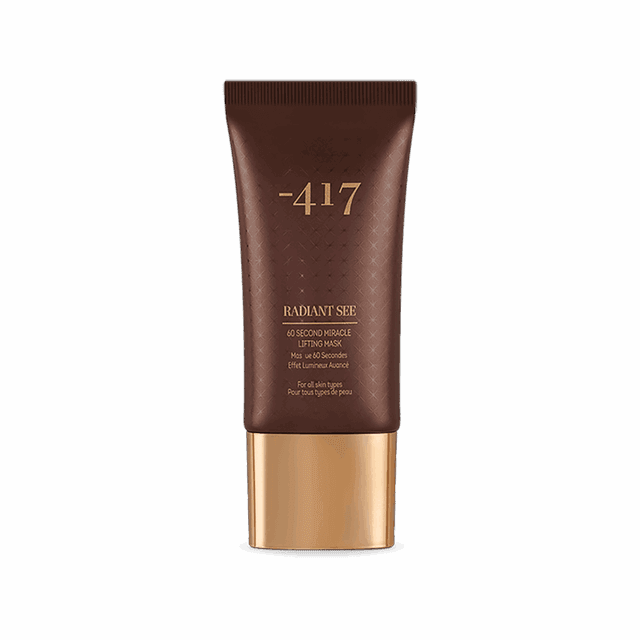
MINUS 417 is an Israeli beauty brand founded by Moty Fridman. The brand sits in the luxury skincare space, with natural ingredients and cruelty-free practices forming key parts of its identity. Its clean beauty positioning is supported by paraben-free and sulfate-free formulations, giving shoppers a clearer sense of the brand’s ingredient standards. For customers who actively avoid certain commonly used ingredients, this makes MINUS 417 easier to place within a more conscious skincare routine. Natural beauty is another important part of the brand’s profile. Rather than focusing exclusively on clinical or laboratory-driven language, MINUS 417 maintains a connection to ingredient-led skincare while still presenting the products in a premium way. Despite the luxury positioning, the products are designed for everyday beauty, helping the brand remain relevant to customers who want consistent skincare rather than occasional indulgence. Its listed price range sits closer to mid-range, creating an interesting balance between an elevated brand image and a more accessible price point. MINUS 417 is therefore best suited to shoppers who want natural skincare with a premium feel and clearly defined formulation standards. The brand combines clean beauty, natural ingredients, cruelty-free practices, paraben-free and sulfate-free positioning, and everyday usability without requiring customers to move fully into the highest luxury tier.

Senteurs d’Orient featured image

Senteurs d’Orient

Lebanon · Luxury

Senteurs d’Orient is a Lebanese luxury beauty brand founded by Hana Debs Akkari and based in Beirut. The brand brings together clean beauty, plant-based ingredients, traditional craftsmanship, and heritage, creating products that feel closely connected to place rather than simply borrowing regional inspiration. Its vegan and cruelty-free positioning gives the brand a clear conscious-beauty profile, while paraben-free and silicone-free formulations make it particularly relevant for ingredient-conscious shoppers. Handcrafted and handmade production are central to the experience. This artisanal approach reinforces the brand’s Lebanese identity and gives the products a more personal character than mass-manufactured luxury beauty. Ethical and sustainable values extend that philosophy further. Recycled materials and locally made production add environmental considerations without separating them from the brand’s wider heritage story. Senteurs d’Orient sits firmly within luxury beauty, but its premium positioning comes from more than packaging or price. The brand’s strongest asset is the combination of craftsmanship, clean formulation, and cultural identity. For customers seeking luxury beauty with a clear sense of origin, Senteurs d’Orient brings together vegan and cruelty-free practices, plant-based formulas, sustainability, ethical production, recycled materials, local craftsmanship, and Lebanese heritage. It is especially compelling for shoppers who want premium products to feel connected to both place and tradition.

Can't find what you're looking for?

We add new sites every week but if you have a specific request, let us know.