Ethical Clothing Brands – Page 6

Brands 121–144 of 429. Back to page 1 · Browse brands A–Z

Brands

429 brands

Sydney Pimbley featured image

Sydney Pimbley

UK · Est. 2019 · Luxury

Sydney Pimbley is an upcycled UK designer clothing label for women, founded in London in 2019 by designer Sydney Pimbley. A graduate of Central Saint Martins' BA Fashion Design with Knitwear and a recipient of the LVMH Grand Prix Scholarship, Pimbley worked in the couture studio of Maison Margiela, assisting John Galliano, before launching her slow fashion brand. Inspired by her Welsh heritage, she builds ethical luxury collections on the principles of sustainability and authenticity. The label creates dresses, skirts, trousers, shorts, jackets, tops and accessories, many of them one-of-a-kind or made in very small runs. Pieces are handmade in the United Kingdom, using fabrics, trims and embroidery collaged from vintage sources and finished with layers of hand detailing. Her upcycled approach reworks antique and vintage textiles such as silk, cotton and wool rather than relying on new fabric. After the birth of her first child in 2025, Pimbley dedicated her 2026 collection to celebrating the female body through lush antique fabrics. Sydney Pimbley's work has appeared in Vogue Italia, i-D, The Face, Teen Vogue, WWD, Sleek and Metal Magazine. She took part in P.LACE.S, a SHOWstudio and MoMu Antwerp lace exhibition and film.

ISTO. featured image

ISTO.

Portugal · Est. 2017 · Mid-range

ISTO. is a sustainable, minimalist clothing label for men, founded in Lisbon in 2017 by Pedro Palha, Vasco Mendonça and Pedro Gaspar. The three founders set out to make logo-free everyday essentials with full transparency, staying free from the seasonal fashion calendar. Instead of new collections every season, ISTO. keeps a single collection permanently available. The range includes t-shirts, shirts, chinos, jeans, knitwear, jackets and coats. All clothing is made in Portugal, and signature pieces include the Heavyweight T-Shirt, the Classic T-Shirt, the Camp Collar shirt, the Hemp Popover Shirt, Baggy Chinos, the Barn Jacket and the Long Wool Coat, alongside small runs of deadstock wool and cashmere blazers. ISTO. uses organic and natural materials such as organic cotton, merino wool, linen and hemp, and most of its cotton is GOTS certified. Each product page shows a clear breakdown of what the piece costs to make. The brand remains independent and has its own stores in Lisbon's Chiado and Amoreiras and in Porto.

Norwegian Rain featured image

Norwegian Rain

Norway · Est. 2008 · Luxury

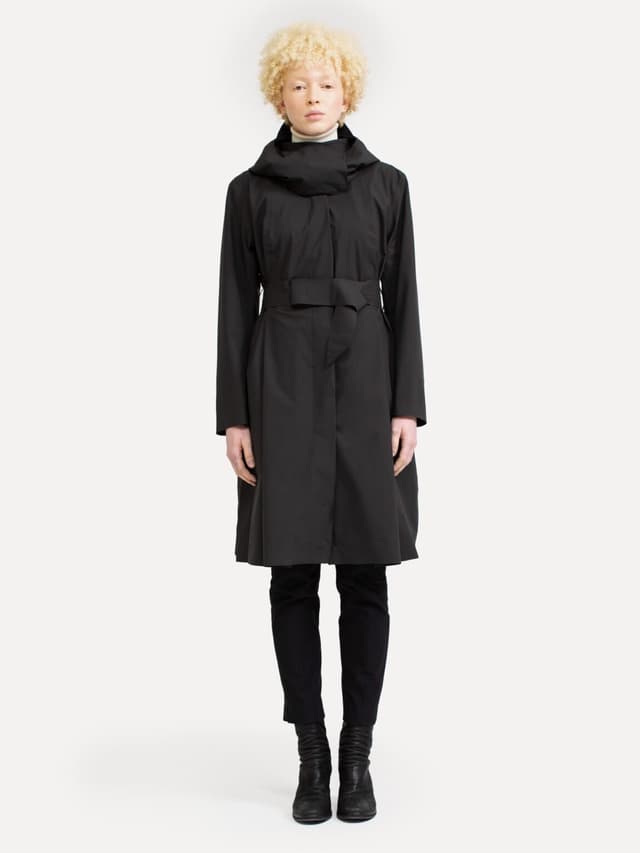
Norwegian Rain is a sustainable European designer clothing label for men and women, founded in Bergen in 2008 by Alexander Helle and T-Michael. Helle, a business graduate born and raised in Bergen, where it rains two days out of three, came up with the idea of merging tradition, technology and style during a stay in Milan. Ghanaian-born tailor T-Michael, who had run his own eponymous label for years, joined as co-owner and head designer, and the pair set out to make raincoats that perform in harsh weather while looking tailored. The collection centres on 100% waterproof, breathable raincoats for men and women, such as the Raincho, Harmattan, Rive Gauche Redux, Walker and Hokkaido styles, plus waterproof caps, bucket hats, totes and suit bags. Coats are made in Poland. Its technical fabrics, sourced in Japan since its first collection in 2009, are 70–100% recycled polyester, mostly Bluesign certified and all Oeko-Tex certified. The brand also moved to a largely made-to-order model with an in-store ordering app. Norwegian Rain won the Oslo Runway Tribute Award in 2024, and its founders received DOGA's Jacob Award the same year. It has flagship stores in Bergen, Oslo, Paris and Tokyo.

Kahindo featured image

Kahindo

USA · Est. 2017 · Mid-range

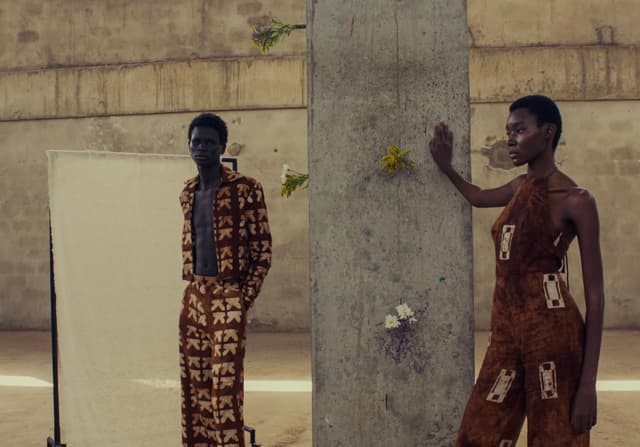
Kahindo is an ethical luxury womenswear label, founded in New York in 2017 by Kahindo Mateene. Mateene was born in Congo and raised across Africa, and her bold designs draw on that pan-African upbringing and her Congolese heritage. She became known internationally through Project Runway Season 12, and she built the label to prove that ethical production in Africa could make luxury garments. Kahindo makes dresses, jumpsuits, jackets, tops, blouses, trousers, rompers and coats, plus silk scarves and earrings, using African prints, organza and jacquard. Pieces include the Balloon Sleeve Ombré Organza Jumpsuit, the Bantu Dress, the Blue Jacquard Zola Pants and the Green Shimmer Bomber Jacket. Most pieces are made in Kenya by a women-led co-operative in Nairobi, with some made in Nigeria and the DRC. Artisans earn a living wage and receive named credit on every piece, and its ombré gradients are hand-dyed over up to two days per length. Kahindo has been stocked at Nordstrom, Bloomingdale's and Anthropologie and featured in Vogue, Elle, The New York Times and WWD. Mateene was a 2021 Tory Burch Fellow and is a graduate of The Workshop at Macy's.

The Series NY featured image

The Series NY

USA · Est. 2016 · Mid-range

The Series NY is a gender-neutral, upcycled American designer clothing label, founded in New York in 2016 by Ella Wiznia. Wiznia started the brand while recovering from an eating disorder, wanting to make clothing that felt different from the unrealistic bodies she saw in fashion advertising. Learning about the industry's environmental impact, she committed to working only with secondhand and sustainable materials, and the label champions clothing without gender, for all bodies. The Series makes one-of-a-kind jackets, quilted chore jackets, shirts, shorts, jeans, pinafores and accessories from vintage quilts, crochet blankets, embroidery, antique and deadstock textiles. Every piece is made from start to finish in New York by its small in-studio team or skilled local artisans. The brand celebrates crafts long tied to domesticity and undervalued as "women's work", choosing damaged or unfinished quilts rather than cutting up pieces in perfect condition. Apart from some crochet made with organic fibres, garments use only pre-existing materials, and its makers set their own rates to earn a living wage. The Series has been featured in Lampoon Magazine, appeared in Vogue's street style coverage of New York Fashion Week and held a residency at Burke Mercantile.

Baserange featured image

Baserange

Denmark · Est. 2012 · Affordable

Baserange is a Franco-Danish designer label for women, founded in 2012 by Blandine de Verdelhan and Marie-Louise Mogensen and based between Toulouse and Copenhagen. Mogensen leads design from Copenhagen, while de Verdelhan runs the business side from near Toulouse. The brand began as a minimal line of underwear for women and has evolved into a broader, minimal and ageless collection designed for everyday wear. Its underwear includes wire-free bras and underpants, and the wider range covers tees, shirts, knitwear, dresses, pants, coats and socks. Pieces include the Pama tee and long-sleeve Speck, Cable and Navalo pants, Slip, Moy and Rene dresses, Soar and Calla knits, Bent and Carte shirts and the Clavo Coat. Baserange makes most of its pieces in Portugal and France, with some made in Denmark, in close collaboration with its production communities. The health of bodies and environments shapes its design process, from sourcing natural and recycled fibres to the repair and afterlife of each product, and it offers a repair programme. Baserange is independent and led by its co-founders. It has stores in cities including Copenhagen, Tokyo and Melbourne and stockists in over 40 countries.

Eliza Faulkner featured image

Eliza Faulkner

Canada · Est. 2012 · Mid-range

Eliza Faulkner is a Canadian designer label for women, founded in Montreal in 2012 by Eliza Faulkner. Born and raised on Vancouver Island, Faulkner graduated from Central Saint Martins in London with a degree in Fashion Design and Marketing and honed her craft at houses including Erdem, Roland Mouret and Zandra Rhodes. Her grandfather worked in New Zealand's woollen mills, her grandmother was a seamstress and her mother made many of her clothes by hand. The label is rooted in the idea of the bold feminine, embracing both strength and softness, structure and spontaneity, with surreal takes on everyday essentials. Its range includes tops, blouses, skirts, dresses, pants, jackets, coats, underwear and accessories, such as the Riley, Coralie and Clara dresses, the Tate and Florence skirts, the Laurence and Marigold Moto jackets, and the Morgan and Josephine coats. Every piece is designed in Montreal and made in the Montreal area with a small network of trusted sewers and production partners. Eliza Faulkner is independent and aims to stay that way. It has been featured in The Business of Fashion, Elle Canada and InStyle.

Kasih Co-op featured image

Kasih Co-op

USA · Est. 2012 · Affordable

Kasih Co-op is a sustainable, handmade American accessories and home label, founded in Manhattan Beach in 2012 by Ivana Darmawan. Darmawan grew up immersed in Indonesian culture before attending UCLA, and after college she followed her passion for traditional crafts and her desire to empower women artisans. Kasih means love or care in Indonesian, while Co-op refers to the collaborative groups of makers the woman-owned business works with. The range includes hand-dyed batik bandanas, scarves, head wraps, kimono robes, napkins and other textiles, all designed in the US and made in Indonesia. The brand began with batik jewellery and ikat poufs before evolving into hand-dyed textiles and wooden goods, with pieces made from natural, soft cotton. Each batik piece is crafted by hand using traditional wax-resist techniques, stamped with copper plates or drawn with a canting tool. Kasih Co-op supports 18 artisan partnerships across Java, Bali, Sulawesi and Jakarta, over 80% of them women-owned, and ensures every artisan is paid fairly. Darmawan was a participant in the Build a Nest Sustainability Artisan Accelerator, and one of the brand's batik bandanas appeared as a prop in Idina Menzel's Broadway musical Redwood.

11 11 featured image

11 11

India · Est. 2008 · Mid-range

11.11 is an Indian designer, sustainable handmade clothing label for men and women, founded in New Delhi in 2008 by Mia Morikawa and Shani Himanshu. The pair started it as the pret label of their design company, CellDSGN, with a handmade vision that departs from mainstream manufacturing. Its gender-neutral clothing is slow-made in small batches, working with groups of artisans across India. The range includes shirts, T-shirts, trousers, dresses, jackets, kimono coats, sweatshirts and jumpsuits, plus bandanas, quilts, rugs and towels. Signature pieces include the Macca Shirt, the Bandhani Shirt, the Ecru Cotton Denim Shirt, the Shibori Drape Dress, the Unisex Umini Jacket and the Denim Patchwork Trucker Jacket. Everything is made in India, through a fibre-to-finish process that comes together at its New Delhi workshop. The label is known for indigenous Kala cotton and 100% natural dyes, and it uses heritage techniques such as hand spinning, handloom weaving, hand painting, miniature tie-dyeing and quilting. Many of its rural artisans work from home, and after dyeing, the nitrogen-rich water and organic matter are used to fertilise local crops. Much of its value chain is led by women, and recent collections have explored the craft communities of Kachchh.

ace&jig featured image

ace&jig

USA · Est. 2009 · Mid-range

ace&jig is an American textile-led designer label for women, founded in 2009 by Cary Vaughan and Jenna Wilson and based in Brooklyn and Portland. The pair met in 2001 as fashion design interns and instantly bonded over their shared love of textiles, later setting out to create a collection of their own. The brand designs its own yarn-dyed woven textiles, focusing on colour, pattern and texture to create fabrics that bring joy. From these fabrics, ace&jig develops seasonless collections of clothing, accessories and home items in sizes XXS–4X. Dresses include the Nosara, Loulou, Cliff, Beth and Asha, and the range also includes the Alma Shirt, the Anu Tank, the Bailey Short, the Cabana Pant, the Zoe Jumper and the Highway Jacket, plus kids' styles and the Dream Quilt. Its textiles are woven and its garments sewn by Fair Trade Certified partners in India, and each custom textile can take a year or more to make. It uses organic cotton, passes scraps on to its community and encourages customers to swap, repair, resell and upcycle. ace&jig is independent and run by its co-founders, and has been featured in The New York Times and The Cut.

Happy French Gang featured image

Happy French Gang

USA · Est. 2013 · Mid-range

Happy French Gang is an American handmade clothing and home textiles label for women, founded in San Francisco in 2013 by Sandra Dejanovic. Dejanovic launched the brand in June 2013 with the aim of combining a French vision with California creation. Her motto for every new product is to focus on texture and colour, and she designs every piece herself and hand-paints its painted collection in the brand's Bayview studio. The label is best known for its jumpsuits, including tie-dye and numbered hand-painted styles, and for hand-painted uni-size dresses and tunics. The range also includes Marius pants, Zélia tops, Tilda skirts, hand-knit and alpaca sweaters and coats, along with home pieces such as Rayé throws, Sujani quilts, pillows and bags. Pieces are hand-painted in San Francisco, while woven cotton clothes, blankets and bags are made with artisans and cooperatives in Rajasthan, India, and wool and alpaca sweaters are made in Peru. The brand uses natural fibres, natural dyes where possible and small-batch production, and it reuses fabric scraps. Happy French Gang is independent and run by Dejanovic, selling online, by studio appointment and through stores and spas in the USA and Europe.

Pari Desai featured image

Pari Desai

USA · Est. 2014 · Mid-range

Pari Desai is a luxury American designer clothing label for women, founded in Los Angeles in 2014 by Pari Desai. An Indo-Canadian native of Toronto, Desai studied traditional tailoring and millinery before becoming an in-house designer at one of the last knitting factories operating in North America. Working directly with craftspeople and mills sparked her passion for textile innovation, and she designed for TSE and Calvin Klein in New York before launching her collection, an elemental, modern expression of luxury. The label offers dresses, sweaters, cardigans, tops, shirts, skirts, trousers and jackets, plus swimwear, shoes, handbags and jewellery. Clothing is made in Peru through small-scale production with family-owned factories and artisans using techniques passed down through generations, including knitwear in baby alpaca blends and Pima cotton. Material and craft innovation remain the creative focus. Desai selects pure, luxurious raw materials such as silk, organic cotton and wool that are grown responsibly or regenerated from industrial refuse, and the brand applies circular and regenerative systems that consider the full life cycle of each piece. The label describes its partnerships with makers as mutually beneficial, equitable and non-exploitative, and its knitwear is also sold through Garmentory.

H. Fredriksson featured image

H. Fredriksson

USA · Est. 2004 · Mid-range

H Fredriksson is an American sustainable designer label for women, founded in New York in 2004 by Swedish designer Helena Fredriksson. Inspired by the dark psychology of Bergman films and contemporary European painting, the collection has an air of melancholic beauty drawn from the austere silhouettes of the Nordic landscape. Fredriksson balances tailored garments with oversized, loosely draped pieces, and that juxtaposition sits at the core of the label's aesthetic, combining the Scandinavian sensibility of her upbringing with the multicultural reality of life in New York. The range covers dresses, tops, tunics, skirts, pants, jumpsuits and outerwear. Pieces include the Bedford Long Stina Dress, the Box Dress, the Ikat Love Dress, the Drip Skirt, the Carol Coat, the Block Poncho and the Ikat Jumpsuit. The collection is manufactured in New York City using sustainable fabrics and production methods, reflecting the designer's belief in both traditional craft and new sustainable fabric technologies. Drawing on her art background, Fredriksson creates intricate, nature-inspired prints from her own photographs and drawings, used on fabrics such as silk and cotton. Fredriksson lives and works in Brooklyn, where she owns and runs the independent label.

Marine Serre featured image

Marine Serre

France · Est. 2016 · Luxury

Marine Serre is a French luxury designer label for women and men, founded in Paris in 2016 by designer Marine Serre. A graduate of La Cambre in Brussels who worked at Balenciaga, Serre builds her collections around what the brand calls the Regenerated Rule: rethinking how fashion is made by giving existing materials a new life. The label is best known for its crescent Moon print, used on second-skin tops and leggings, ribbed tanks, knitwear and dresses. It also makes upcycled pieces from end-of-life garments and deadstock fabrics, leather such as the Glossy Moon Leather Perfecto, bags, jewellery, footwear and hats. About half of each show is made from upcycled materials and the rest mostly from certified and recycled fibres. Upcycled materials are sourced in Europe, then sorted, washed and treated at its Paris headquarters before going to manufacturing partners in Europe, and each upcycled piece carries a label stating its material, origin and place of transformation. Marine Serre won the LVMH Prize in 2017, has collaborated with Under Armour and French chairmaker Chaisor, and opened its first store in South Korea with a partner.

KikoRomeo featured image

KikoRomeo

Kenya · Est. 1996 · Luxury

KikoRomeo is a Kenyan designer label, founded in Nairobi in 1996 by designer Ann McCreath. Born in Scotland, McCreath studied fashion in Rome and worked as a designer in Barcelona before aid work in Kenya led her to choose trade over aid. Named after the Swahili for "Adam's apple", the label creates sustainable, often unisex clothing that transcends cultures and trends and is designed for longevity. The range includes jumpsuits such as the Bumi, Maridadi and Samawati Jumpsuits, overalls like the Blinky Overalls, workman jackets and hand-painted coats. Some coats are hand-painted by Sudanese fine artist Eltayeb Dawelbait and made from cotton industrial waste. KikoRomeo is made in Kenya with handmade and hand-dyed fabrics and hand-carved trims sourced from the African continent, mainly in cotton, silk and linen. Fair trade since it began, it was set up to create jobs in rural areas, working with community artisans and women's groups. McCreath also founded the Festival of African Fashion and Arts (FAFA) in 2008. The independent label has shown across Africa, Europe and the USA, including at Mercedes-Benz Fashion Week in Johannesburg.

Farmers Market Iceland featured image

Farmers Market Iceland

Iceland · Est. 2005 · Mid-range

Farmers Market Iceland is an Icelandic design company and clothing label for women and men, founded in Reykjavik in 2005 by artist couple Bergthora Gudnadottir, a designer, and Jóel Pálsson, a musician. Its style combines classic Nordic design and Icelandic roots with chic modernity. Authentically styled yet sophisticated and wearable, the clothing suits outdoor activities as well as city life, with natural fabrics, craftsmanship and respect for the environment as key values. The range includes sweaters and knits, cardigans, outerwear such as wax jackets, parkas and ponchos, shirts, blouses and pants. It also offers socks, scarves, hats, belts, leather goods, blankets and CDs from Icelandic musicians. Pieces are named after Icelandic places, such as the Skutustadir parka and the Hraun alpaca sweater. The label works with some of the finest textile producers, using merino and mohair yarns from Italy, waxed cotton from British Millerain, Indian raw silk and Icelandic wool from a local mill. Synthetic fabric is kept to an absolute minimum. The independent brand is based in a former fish factory in Reykjavik's Grandi harbour area, home to its studio and flagship store, and opened a second store on Laugavegur in 2017.

Tradlands featured image

Tradlands

USA · Est. 2012 · Mid-range

Tradlands is an American sustainable, minimalist clothing label for women, based in Pemaquid, Maine, and founded in 2012 by Sadie Beaudet and Jeremy Roberts. Beaudet, who runs the brand with her husband, grew tired of chasing fast-fashion trends and found herself drifting to the menswear aisles, where she saw options she couldn't find for women. Tradlands grew out of that missing space, focusing on perfecting essentials for women inspired by thoughtful tailoring, expert details and quality fabrics rather than the runway. The range includes button-up shirts, tops, sweaters, dresses and pants, with extended and plus sizes. Signature pieces include the Marin Boatneck Shirt, the Coast Camp Linen Shirt, the Bertille Top, the Nico 2.0 Balloon Sleeve Dress, the Porch Balloon Pants and the Cosimo Alpaca Cardigan. Woven pieces such as button-ups are made in China and knits such as sweaters in Peru, with family-owned manufacturers. Tradlands focuses on natural fibres such as cotton, linen and alpaca, creating foundational pieces meant to become the canvas of a wardrobe rather than disposable fashion. The brand says it is built by its community and team, and it shares how women wear its pieces on Instagram.

Pink Haley featured image

Pink Haley

USA · Est. 2022 · Mid-range

Pink Haley is an ethical, handmade American clothing and lifestyle label, founded in Los Angeles in 2022. The brand is named after its founder's daughter, Haley, and was created to pass on the value of being socially and environmentally conscious as makers, brands and consumers. It describes its style as eco-friendly elegance meeting nostalgic resort fashion, with vintage-inspired pieces built to last year after year. The range includes kaftans and resort dresses, tailor-made clothing, handmade shoes, rattan and leather bags, accessories, rattan furniture and handcrafted home décor. Products are made in Indonesia by artisans using traditional hand skills, with materials such as rayon, linen, leather, raffia and rattan. Respect for artisans' craftsmanship is central to the label, and its priority is ensuring makers are paid sustainable living wages. Following a slow-made, slow fashion approach, Pink Haley produces in small batches and on demand to avoid overconsumption and waste, and aims to support as many artisans as possible in keeping their skills alive for the next generation. Alongside its own creations, the online store offers curated collections that share its focus on sustainable fashion and handmade home accessories.

Turn Black featured image

Turn Black

India · Est. 2018 · Mid-range

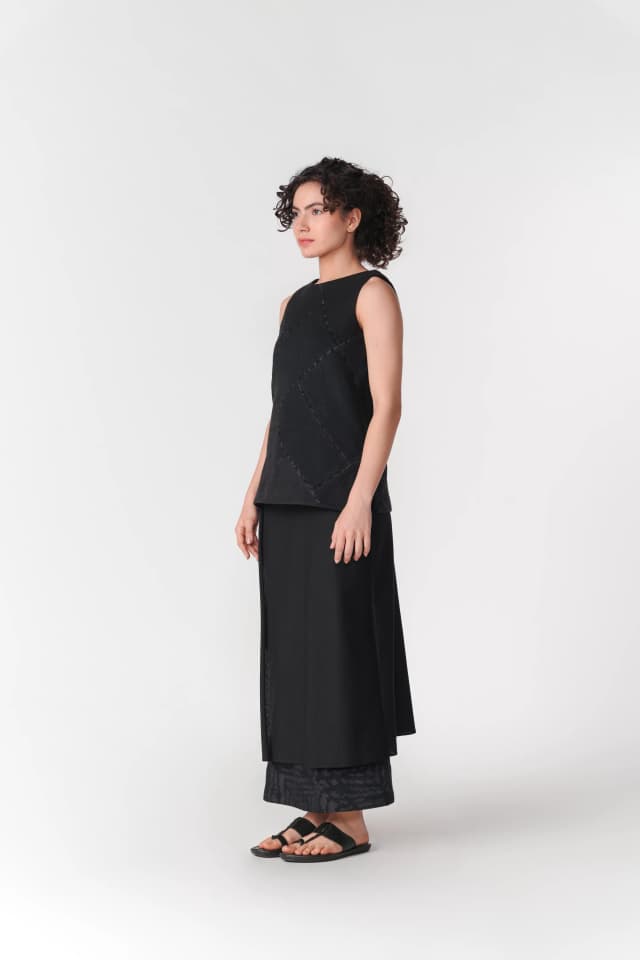
Turn Black is an Indian designer, sustainable handmade clothing label for women and men, founded in New Delhi in 2018 by Nutan Dayal and Amit Singh Chauhan. The brand began as a personal exploration by Dayal, its creative director, rooted in questioning gender norms and stereotypes. With no formal training in fashion design, she started designing and sewing loose garments for friends and family, and Chauhan embraced the idea of an all-black clothing line from the outset. Black is the foundation of every collection, chosen for its practicality, versatility and timelessness. The range includes pants, shirts, tops, dresses, sets, jackets and vests, plus homeware and furniture, with pieces such as the Wide Leg Pin-Tuck Pants, the Raglan Sleeve Shirt Dress and the Reversible Linen-Chenille Vest. Everything is made in India. Every piece is handcrafted by skilled artisans and made slowly, blending contemporary design with traditional techniques such as kantha embroidery. Its Scrap Project turns leftover fabric into masks and scrunchies. Turn Black has grown into a community built around being minimal, ethical and size-inclusive, and it created a menswear capsule with the band Peter Cat Recording Co in 2019.

LOVI Ceylon featured image

LOVI Ceylon

Sri Lanka · Est. 2015 · Mid-range

LOVI Ceylon is a Sri Lankan designer label for men and women, founded in Colombo in 2015 by Asanka de Mel. Before starting LOVI, de Mel spent more than 20 years in the US technology industry in Silicon Valley and New York City, and he studied computer science at the University of Texas at Austin and public policy at Harvard Kennedy School. He set out to create an authentic, united fashion identity rooted in Sri Lankan culture, and the brand's website launched in January 2016. LOVI reinvents the sarong, a versatile and gender-neutral staple of Sri Lankan life, with modern touches such as pockets and belts. Signature pieces include the Admiral Sarong, the Royal Pinstripe Sarong, the LOVI Beeralu National, the Nilame Jacket and the Truck Art T-shirt, made to be worn everywhere from weddings and beach days to yoga and rugby training. All clothes are handmade in Sri Lanka by local craftspeople, and LOVI makes most of its own fabric from cotton, silk and wool. It uses naturally biodegradable fibres for 99% of its clothing and avoids plastics, nylons and polyesters. LOVI has boutiques at the Galle Face Hotel and at Lakpahana in Colombo.

Rita Row featured image

Rita Row

Spain · Est. 2013 · Mid-range

Rita Row is a European sustainable designer clothing label for women, founded in Figueres, Spain in 2013 by Imma Serra and Xènia Semis. The complementary duo launched the brand in June 2013 in the creative landscape of Girona, guided by a shared vision of comfort, versatility and beauty. Their pursuit of a simple, slow life close to nature shapes collections created for Rita, the brand's muse, a woman of effortless sophistication and refined simplicity. The label makes contemporary coats, jackets, knitwear, trousers, shirts, tops and dresses, along with bags, shoes and jewellery. Pieces include the Rona Oversize Trench, the Cedar Coat, the Brio Cardigan and the Feixa Pants. Its clothing is ethically made in Spain and Portugal, with threads and fabrics sourced mainly from Spain, Italy and France. Rita Row prioritises natural and recycled materials such as organic and recycled cotton, Better Cotton, ECOVERO viscose, Tencel and wool, and works with factories audited under BSCI and SMETA. The women-led, self-financed company is run by a team of ten women from its atelier in L'Empordà, sells in Europe, North America and Asia, and has shown at CIFF and Mandatory CPH in Copenhagen.

BOBO CHOSES featured image

BOBO CHOSES

Spain · Est. 2008 · Mid-range

BOBO CHOSES is a Spanish kidswear and womenswear label, founded in Barcelona in 2008 by illustrator Adriana Esperalba with partner Laia Aguilar. The brand grew out of a graphic design studio, and Esperalba has guided its design ever since. Bobo Choses celebrates life's curiosities with a spirit of play, and its love of storytelling brings each collection to life through illustrated books. It makes playful, colourful clothing for babies and children, plus a womenswear and adult line. The range includes graphic tees, sweatshirts and hoodies, jacquard jumpers such as the Mush Monster, striped wool-blend knits, trousers, dresses, reversible anoraks, and accessories. Based in an old toy factory in Barcelona, Bobo Choses makes most of its garments locally, mainly in Spain and Portugal, with some items made in China. Over half of its latest collection uses organic or BCI cotton, and its denim and outerwear use recycled fibres. The brand is owned by the Esperalba family, which took full control in 2017, with Adriana Esperalba as creative director and her brother Pim as CEO. It is sold in more than 46 countries through hundreds of retailers, with a flagship store in Barcelona.

Salua Lingerie featured image

Salua Lingerie

USA · Est. 1993 · Affordable

Salua Lingerie is an American ethical lingerie and sleepwear label for women, founded in 1993 by Yolanda Navarro and based in Seattle. Navarro began making lightweight sleepwear for friends in her home town of Santa Marta, Colombia, naming the label after one of her daughters. Her daughter Shadia K'David, who grew up watching her mother at the cutting table, moved to Seattle in 2009 and grew the family business in the US, opening a boutique there. Salua makes classic, mostly cotton nightgowns, pajamas, sleep shirts, chemises, robes, bralettes and underwear. Signature pieces include its brushed Pima cotton pajama sets and sleep shirts, the Sofia Eyelash Lace Chemise and the Bloomer bralette. Its silks and cotton-silk gowns are made in Navarro's original workshop in Santa Marta, and its Pima cotton loungewear is made by a small, family-owned workshop in Medellín. The label works with makers it knows personally and favours natural fibres such as Pima cotton, silk and lace, with long-serving workshop staff and an emphasis on handmade craftsmanship. Salua has been sold in more than 60 boutiques across the United States and featured in Bride & Groom Magazine and The Lingerie Addict.

DECADE STUDIO featured image

DECADE STUDIO

Canada · Est. 2019 · Affordable

Decade Studio is a Canadian denim label for women, founded in Vancouver in 2019 by designer Molly Spittal. Spittal launched the brand in April 2019 with a small group of co-founders, after previously founding the leather handbag label The Stowe. Every piece is designed in-house by Spittal, with a fixation on proportion, weave and long-lasting, traditional finishing, and every pattern is developed in-house and tested on real bodies. The brand takes pride in its shape-inclusive fits. Decade Studio is known for non-stretch jeans made from 100% cotton denim, such as the Joan, the Benny, the Andy and the Gusset. The line has expanded to trousers like the Fortune and the Kit, soft tailoring, the Bonnie Shorts and The Classic T-Shirt. Its jeans are made by hand from start to finish at a small, family-run factory in Northern Portugal, where everyone is paid a living wage, using 100% cotton denim from a mill in Italy. The brand works in small batches with natural fibres and aims to make long-lasting, repairable and recyclable jeans. Decade Studio is a small, independent brand run by Spittal and her partner Matt from their shop and office in Vancouver.

Can't find what you're looking for?

We add new sites every week but if you have a specific request, let us know.