Handmade Clothing Brands – Page 7

Brands 145–168 of 228. Back to page 1 · Browse brands A–Z

Brands

228 brands

visvim featured image

visvim

Japan · Est. 2000 · Luxury

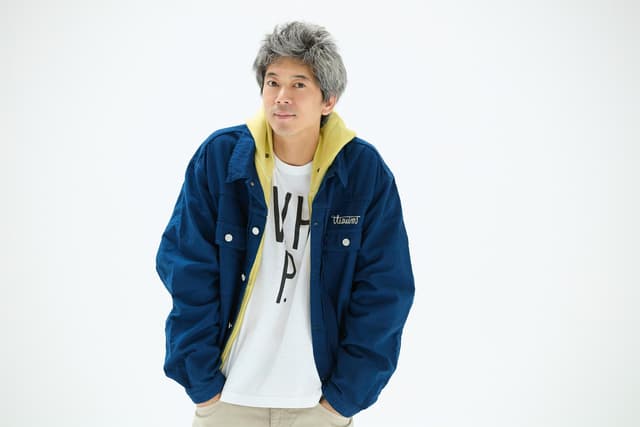
visvim is a Japanese luxury designer clothing label for men, founded in Tokyo in 2000 by Hiroki Nakamura. Nakamura spent eight years designing at Burton Snowboards before launching the brand, which aims to connect customers with craftspeople who work with dignity while protecting techniques passed down over generations. Its pieces blend traditional Japanese craft with vintage Americana. visvim began with footwear: its FBT, a fringed elk-leather moccasin on a sneaker sole inspired by an album cover of the band Fun Boy Three, appeared in its second collection in 2001 and remains its signature. The range now covers jackets, shirts, denim, knitwear and kimono-inspired pieces, and most of it is made in Japan. Its group also includes WMV womenswear, launched in 2013, and the lines Indigo Camping Trailer, CONTRARY DEPT and Subsequence. The brand is known for natural dyeing, including indigo and Amami Oshima mud dyeing, and for experiments that recreate the feel of synthetic fabrics using natural fibres such as silk and fine washable wool. visvim publishes essays on its materials and methods in its Dissertation series, and its Old visvim Never Dies project documents how its garments age over years of wear.

Metiseko featured image

Metiseko

Vietnam · Est. 2011 · Mid-range

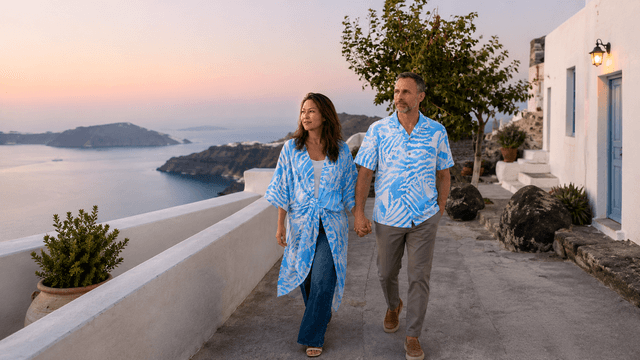
Metiseko is a sustainable Vietnamese designer clothing label for women and men, founded in Hoi An in 2011 by French couple Erwan Perzo and Florence Mussou. Taken by the local customs and landscapes of Vietnam's central coast, the founders set out to capture the essence of the country in original prints, creating a European-chic line with an East-meets-West spirit. The collection includes women's dresses, tops, jumpsuits, pants, skirts and kimono jackets, men's shirts, pants and jackets, and silk scarves, ties, bags, jewellery, cushion covers and fabric by the metre. Garments are made in Vietnam in its own sewing workshop, where one tailor creates each piece from start to finish and signs the label in pencil. As a slow fashion brand, Metiseko partners with local artisans. Its 100% mulberry silk is produced locally, supporting traditional silk making in Bao Loc, then dyed with non-toxic dyes and hand screen printed by local craftsmen. Its GOTS-certified organic cotton comes from India and is dyed and printed with a partner near Saigon using reactive dyes. Metiseko has been featured by ELLE Vietnam, Vietcetera and Oi Vietnam for its sustainable, locally made approach to fashion.

Maison D’Haïti featured image

Maison D’Haïti

Haiti · Est. 1994 · Affordable

Maison d'Haïti is a fair-trade handmade kids and home label, founded in Fond-des-Blancs, Haiti in 1994 by Sarah Hackett. A retired nurse, Hackett first visited Haiti in 1992 as a volunteer with St. Boniface Hospital and launched a women's health clinic in 1994 through Haiti Projects. Realising that many local women had excellent sewing, knitting and embroidery skills, she started the Artisanat Cooperative in 1996, and Maison d'Haïti, meaning "House of Haiti", is the cooperative's brand. The collection includes hand-knit baby sweaters, cap-sleeve children's dresses, embroidered cotton batiste nightgowns, tea towels, cocktail napkins, aprons, pouches and jewellery. Every piece is handmade in Haiti by women artisans in Fond-des-Blancs. As a non-profit and a member of the Fair Trade Federation, Maison d'Haïti renews its verification every year, and proceeds go directly to the artisans. Its artisans earn on average 262% more than Haiti's national minimum wage, and Haiti Projects also runs a community library, a girls' soccer club and a beekeeping programme. Haiti Projects has become the second-largest employer in the region after the local hospital, providing income to nearly 100 women and their families.

Batik Boutique featured image

Batik Boutique

Malaysia · Est. 2011 · Affordable

Batik Boutique is a Malaysian ethical clothing label, founded in Kuala Lumpur in 2011 by Amy Blair. The brand began with a friendship: in 2009 Blair met Ana, a single mother and skilled seamstress looking for extra income, and together they started turning Malaysian batik fabric into products. Blair founded the company so that artisans like Ana could earn a fair, sustainable income. Batik Boutique makes modern clothing and accessories from authentic Malaysian batik, including women's dresses and caftans, men's batik shirts, children's clothing, scarves, ties, bags, homeware and gifts. Pieces include the Alysya Caftan, the Nusa Wrap Dress, the Men's Batik Cuban Shirt and the Batik Scarf in silk cotton. Every collection starts with original artwork inspired by Malaysia's culture, landscapes and heritage. Artisans create each textile with the centuries-old wax-resist batik technique, which needs natural fabrics such as cotton, cotton silk and viscose, and tailors at its training centres sew them up. Since 2011 it has partnered with more than 400 artisans from marginalised communities and impacted over 1,700 beneficiaries. Batik Boutique is an award-winning social enterprise and a certified B Corp, and it also runs a corporate services and workshop studio.

Maria La Rosa featured image

Maria La Rosa

Italy · Est. 1993 · Mid-range

Maria La Rosa is an Italian luxury handmade accessories label, founded in Milan in 1993 by designer Maria La Rosa. Drawing on a childhood in Sicily, she discovered an old loom in Paris and wove her first fabrics, using them in the Nineties to create her first bags with ancient techniques. Her daughters, Alice and Lisa, grew up among looms and shuttles and have worked alongside her for more than a decade in a women-owned family business. The heritage brand creates woven bags, clutches, socks, tights, pouches, hats and hair accessories, all made in Italy. Its iconic Game clutch is made from loom-woven ribbon that is then braided, and its socks, from silk to cashmere, are developed alongside every collection. Each piece is handmade in the atelier in a courtyard of old Milan, without mechanical aids and in limited editions. Loom weaving is combined with knitting, macramé, crochet and embroidery, using high-quality Italian yarns and favouring natural fibres, drawing on the brand's historic archive. Maria La Rosa socks were sold exclusively at Barneys for 25 years, and the brand is stocked by La Rinascente in Milan, Bergdorf Goodman in New York and selected boutiques worldwide.

correll correll featured image

correll correll

Germany · Est. 2006 · Mid-range

correll correll is a sustainable designer label for women, founded in Berlin in 2006 by twin sisters Daphne Correll and Vera Correll. The German-born textile artists launched the label with handmade knitwear and later moved to New York, and today they work between a workshop in Brooklyn and a studio in Berlin. Their approach reinterprets traditional crafts such as dyeing, knitting, weaving and crocheting in the context of luxury fashion, built around circles, squares and triangles. The label makes unisex and womenswear including T-shirts, longsleeves, sweatshirts, tanks, dresses and skirts, plus silk velvet pillows and kids' styles. Pieces include the Velvet Circle Sweatshirt, the Gin Pon Tee, the Boucle Dress, the Long Summer Waves Button Dress and the Triangle Silk Skirt, and its gradient circle T-shirts are hand-dyed in the New York workshop. Production happens in-house in Brooklyn with local knitters and seamstresses. The sisters choose certified organic cotton, cupro, Tencel, hemp and recycled blends, and they cut and shred deadstock fabric and vintage T-shirts into raw material for their knits. In 2012 correll correll was one of the winners of the Ecco Domani Fashion Foundation award.

Marrakshi Life featured image

Marrakshi Life

Morocco · Est. 2013 · Luxury

Marrakshi Life is a sustainable, handmade luxury clothing label for men and women, founded in Marrakech in 2013 by husbands Randall Bachner and Nicholas Minucciani. Bachner, a New York fashion photographer, and Minucciani, who worked in media, left New York to honour and preserve Morocco's handweaving traditions. Their design mixes classic sportswear tailoring with loose traditional Moroccan shapes, bold stripes and plaids, and gender-fluid fits. Collections include oversized shirts, palazzo pants, paneled overcoats, jackets, dresses and matching hats. Every piece is handwoven and made to order in Morocco in the brand's own atelier in Marrakech's industrial quarter, where local artisans dye, spin, weave, cut and sew the cloth. The label began with one loom in the Medina and a weaver named Mohammed, who is still one of its weaving managers. The vertically integrated atelier follows a zero-waste policy, turning offcuts into patchwork pieces, rag weave, accessories and home goods, and only produces what customers order. Marrakshi Life has been featured by WWD and Wallpaper*, has been sold through retailers such as Matches Fashion, and in 2026 expanded into handwoven homewares in alpaca and merino wool.

Handred featured image

Handred

Brazil · Est. 2012 · Mid-range

Handred is a Brazilian designer label for men and women, founded in Rio de Janeiro in 2012 by designer André Namitala. Named after his childhood nickname, it began with a line of shirts aimed at bringing freshness to the tropical man, and its pieces soon won over women too. Handred describes itself as a carioca atelier that breathes the coast and translates it into comfort, creating long-lived pieces full of memories and desire. The range includes linen and silk shirts, trousers, dresses, overtops such as jackets and the Shantung Box Blazer, blouses, T-shirts, bermudas, shorts, silk tunics and jumpsuits, plus swim briefs and ceramic chokers. Signatures include its silk shirts, linen jumpsuits and soft, relaxed tailoring. Handred works only with natural fabrics, mainly linen, silk and cotton, and every raw material is chosen with care. Clothing is made in Brazil by experienced seamstresses, with its operation based in Copacabana. Each collection starts from a theme, from art deco to tributes to Bahia, often with a nostalgic nod to 1970s Rio. The independent label runs stores in Rio de Janeiro and São Paulo and has been sold in Japan and France.

Rastah featured image

Rastah

Pakistan · Est. 2018 · Luxury

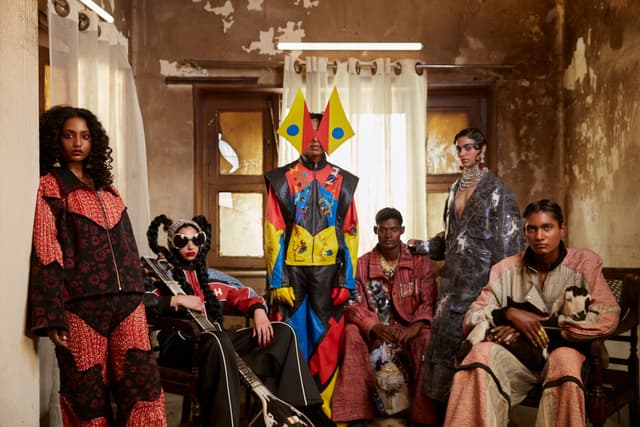
Rastah is a luxury streetwear clothing label, founded in Lahore in 2018 by cousins Zain Ahmad, Ismail Ahmad and Adnan Ahmad. Its name means path or journey in Urdu. Creative director Zain Ahmad grew up in London, Toronto, Vancouver and Lahore, and designs from a deeply personal perspective, mixing Eastern prints with Western silhouettes to challenge stereotypes and redefine what "Made in Pakistan" means. The label makes T-shirts such as its Made in PAK tees, hoodies, sweatshirts, button-down shirts, jackets, long coats, trousers and shorts, plus caps, totes and tapestries. Everything is made in Pakistan with artisans from across the subcontinent. Rastah describes itself as a social enterprise supporting underserved artisans, designers and technical workers. Its jacket fabrics are woven on traditional Pakistani hand looms, prints are made with hand-carved wooden blocks by its in-house printer, and many pieces feature patchwork or hand embroidery, reinterpreting fading crafts for a younger audience. Rastah has been featured by Vogue, Forbes, Hypebeast and VICE, and actor Riz Ahmed has worn its Notoriety twill jacket.

Flavia Aranha featured image

Flavia Aranha

Brazil · Est. 2009 · Mid-range

Flavia Aranha is a Brazilian sustainable designer label, founded in São Paulo in 2009 by designer Flavia Aranha. Born in Campinas, she grew up close to nature and art, and after working in the conventional fashion industry she opened her first atelier-store in São Paulo with natural dyeing at the heart of the brand. The label connects ancestral knowledge and innovation, creating slow-fashion clothing from natural fabrics made for the skin to breathe. The range includes T-shirts, tank tops, blouses, shirts, dresses, pants, jumpsuits, coats and kimonos, plus bags and accessories. Signature pieces include the Vestido Aparecida, the Blusa Kauana in silk, the Regata Ceci in linen and the organic cotton Camiseta Flavia. Everything is made in Brazil from materials such as organic cotton, linen and silk, coloured with Brazilian plants including pau-brasil, urucum, crajiru and indigo. The label also experiments with biomaterials such as algae textiles, Amazonian latex and mycelium leather. Flavia Aranha debuted at São Paulo Fashion Week in 2019, marking ten years of the brand, and returned in 2025 with its Floresta collection. It remains independent and founder-led.

DAWN x DARE featured image

DAWN x DARE

Denmark · Est. 2016 · Luxury

DAWN x DARE is a sustainable European designer knitwear label for women, founded in Copenhagen in 2016 by Charlotte Vadum and Vibeke Bernhoft. The pair, who had run the commercial fashion brand Project AJ117 together since 2005, wanted to create something more timeless and exclusive. The name reflects styles to wear in the morning, Dawn, and when going out at night, Dare. The label brings hand knitting into a modern universe with pullovers, cardigans, short-sleeve knits, tops, dresses and skirts in bold colours and textures, plus woven shirts, pants and scarves. Its knits are made in Italy by a community of women who knit and crochet by hand from their homes in the hills of Tuscany. DAWN x DARE uses certified, traceable Italian yarns such as mohair, kid mohair and GOTS-certified organic cotton, with animal fibres sourced under the Responsible Animal Fiber Standard. Since 2020 it has made a numbered limited-edition capsule from deadstock yarns, with each one-of-a-kind piece taking two to three days to knit. The brand has shown at the Revolver fair in Copenhagen since its launch and is stocked in high-end multibrand boutiques and showrooms across Europe and Australia.

Julia Jentzsch featured image

Julia Jentzsch

USA · Est. 2007 · Luxury

Julia Jentzsch is an American sustainable luxury label for women, founded in New York in 2007 by designer Julia Jentzsch. Born in France and raised in Germany, she studied fashion design in Hamburg, worked for John Galliano in London and completed an MA at the Royal College of Art, where her graduate collection was featured in British Vogue. Over 15 years she designed alongside Jil Sander, Alber Elbaz, Tom Ford and Stefano Pilati at Yves Saint Laurent, and at Calvin Klein. Its design follows modernist and Bauhaus principles: "less, but better", true materials and form follows function. The collection interprets luxurious fabrics in simple, wearable silhouettes, with shirts, sweaters, dresses, skirts, trousers, jackets and coats. Pieces include the ARION hand-knitted recycled silk and cotton sweater, the CONRAN undyed organic cotton shirt, the BIRCH shirt dress, the BRENDAN trench and the CHRISTOPHER duffle coat. Clothing is produced locally in New York's Garment District, using fabrics from responsible mills in Italy and Japan, including organic cotton, undyed fibres and recycled silk. Since 2020 the brand has embraced reuse, repurposing, recycling and repair. Jentzsch has also taught at Parsons The New School since 2022.

Magpie Goose featured image

Magpie Goose

Australia · Est. 2015 · Mid-range

Magpie Goose is an Australian ethical clothing label, founded in 2015 by Laura Egan and Maggie McGowan and based in Brisbane. The pair set up the brand while working in remote communities, aiming to create economic opportunities for Aboriginal and Torres Strait Islander people through art and clothing. Each limited-edition piece carries a design by an Aboriginal or Torres Strait Islander artist and tells the story behind the art and the community it comes from. The label makes shirts, shorts, pants, overalls, dresses, playsuits, jumpsuits, kaftans, T-shirts, baby rompers and kids' overalls, plus bucket hats and scrunchies. Pieces include the Aretha Brown Overalls, the Relaxed Pants in Bungwal Ferns, a Short Sleeve Collared Shirt printed with Aheyenenhe (Snakes) and the Woven in History Kaftan. All collections are designed, hand screen-printed and produced in Australia using natural textiles, and garment offcuts are made into accessories at Second Stitch in Melbourne. Since March 2021, Magpie Goose has been 100% Aboriginal owned by Amanda Hayman (Wakka Wakka/Kalkadoon) and Troy Casey (Kamilaroi), who run it as a family business and social enterprise. Its pieces are stocked at Aboriginal Art Co in West End, Brisbane.

Cleobella featured image

Cleobella

USA · Est. 2006 · Mid-range

Cleobella is an American bohemian clothing label for women, founded in 2006 by Angela O'Brien and Jim O'Brien and based in California. Angela, a former model, and her husband Jim set off on a year of global travels in 2006, and the first Cleobella product was created in collaboration with artisans they met along the way. From the start, the vision was to offer globally inspired products that uplift the cultures and traditions of the people who make them. Cleobella makes dresses, tops, skirts, jackets and swimwear, plus bags, jewellery, children's clothing and homeware. Pieces include the Adria Ankle Dress, the Alicia Blouse, the Asher Leather Jacket, the Beckett swim top and the Casablanca Weekender, many featuring hand woodblock prints, embroidery, weaving, dyeing and beadwork. Everything is designed in California and handmade by artisan partners in India, Sri Lanka and Bali, Indonesia, and many of these relationships span more than a decade. Cleobella donates 1% of profits to organisations that empower women, such as CARE, and has partnered with Bloom India to fund pre-college STEM courses for young women. It is a family-run business with a flagship store in Sunset Beach.

Metaphor Racha featured image

Metaphor Racha

India · Est. 2011 · Affordable

Metaphor Racha is an Indian designer, sustainable khadi label for women and men, founded in Bengaluru in 2011 by Brinda and Ravi. The self-funded brand began with a purpose to make Karnataka's khadi and craft accessible and relevant in daily life. It describes itself as a for-profit brand collaborating with craftspeople across Karnataka, not an NGO, and its work aims to connect rural hands with global cities through design. The range covers khadi shirts for men, kora khadi shirts, saree blouses, quilted blouses, block printed khadi sarees, dupattas, pants, skirts and lungis, plus home goods such as towels, napkins and hand-quilted bedspreads. Everything is made in India. Its fabric is certified handspun, handwoven khadi woven in Karnataka, with hand block printing from Sanganer, and it uses azo-free vat or natural dyes. The Bengaluru workshop produces minimal inventory against orders to avoid waste. Metaphor Racha holds Khadi and Village Industries Commission (KVIC) certification for authentic khadi. Its work has been covered by Ritz magazine, and Ravi Kiran has spoken about the brand at CreativeMornings Bangalore.

Cortana featured image

Cortana

Spain · Est. 2001 · Luxury

Cortana is a Spanish designer label for women, founded in Barcelona in 2001 by designer Rosa Esteva. Esteva draws much of her inspiration from Mallorca, her home island, and the brand's exclusive prints are based on her own watercolours. Cortana describes itself as slow fashion since 2001, making timeless collections in premium natural fabrics with artisanal production. The range includes tops, dresses, trousers, skirts, jackets, coats, shoes, bags and jewellery. Pieces include the Ahora virgin wool wrap top, the Aleris asymmetric silk top, the Amar linen and silk trousers and the Anhelo silk balloon dress, along with silk tulle tops, Lira leather trousers and Amalia leather bags. It also has a home line, Cortana Casa, which includes ceramics. Cortana produces its collections in small workshops in Barcelona and Mallorca, preserving local craft traditions. It works with fine natural fabrics such as silk, linen and cashmere, along with lower-impact fibres such as cupro and ramie. Cortana is an independent label run by Esteva as its founder and designer.

Home & Loft featured image

Home & Loft

USA · Est. 2013 · Affordable

Home & Loft is a women-owned American textile and loungewear label, founded in New York in 2013 by Handan Anlar. Growing up in Istanbul surrounded by talented artisans and fine cotton, Anlar came to the United States in the 1990s to study graphic arts, then spent twenty years in New York's high-end retail and fashion industry. She founded Home & Loft to unite the craftsmanship of Mediterranean artisans with 21st-century urban design and to support Turkish artisans in the ancient weaving tradition. The collection includes kaftans, tunics, ponchos, bathrobes and loungewear sets alongside Turkish towels, hand towels, blankets and napkins in collections such as Tribeca, Montauk and Hudson. Its artisan textiles are made in Turkey, hand-loomed using only cotton, linen and wool. Home & Loft produces limited quantities of timeless staples in small batches, which Anlar sees as more sustainable for both makers and the environment. She travels to Turkey each year to meet artisans and families in small villages and develop new pieces. Home & Loft received Architectural Digest's 2022 Great Design Award for Kitchen & Bath, has been featured by Domino and Garden & Gun, and is a featured artisan at Shoppe Object.

Emmy Kasbit featured image

Emmy Kasbit

Nigeria · Est. 2014 · Mid-range

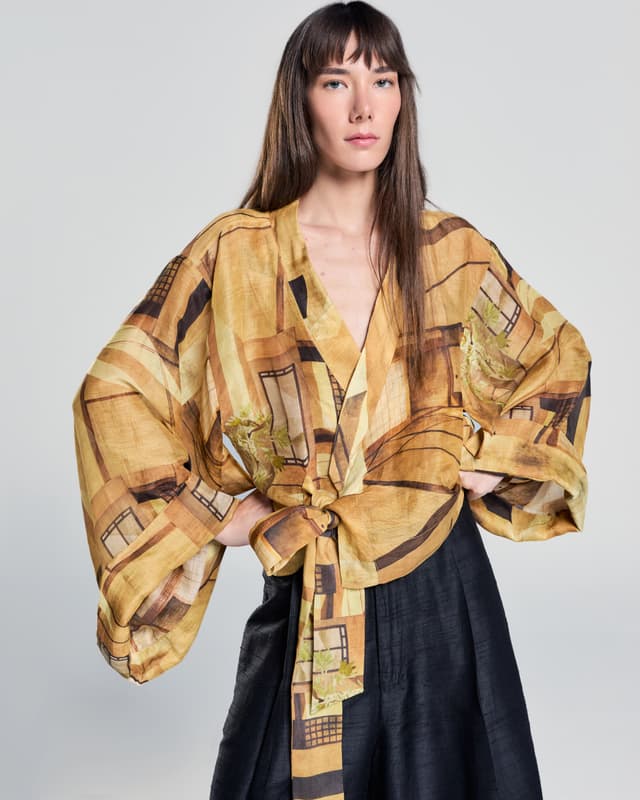
Emmy Kasbit is a Nigerian designer label for men and women, founded in Lagos in 2014 by designer Emmanuel Okoro. Describing itself as a sustainable brand and atelier, it tells fashion stories through multicultural references and significant historical moments. Its aesthetic draws on architecture, sartorial dressing and traditional craftsmanship, giving traditional staples a modern edge through bold lines, vibrant colours and texture. The range centres on refined tailoring: jackets, shirts, trousers and coats, alongside its Emmy Kasbit Classics selection. Everything is made in Nigeria, and many pieces are cut from handwoven Akwete cloth in cotton, linen and silk. Each season Okoro develops textile patterns, some based on Nsibidi symbols, and sends his yarns and designs to women weavers in eastern Nigeria, working from a hub in Abia State. The label's mission is to preserve culture, eradicate poverty and enhance liberty through all of its fashion processes, reviving an almost-lost craft. Okoro won the Fashion Focus Fund at Lagos Fashion Week in 2018 and the inaugural Africa Fashion Up prize in Paris in 2021, organised with Balenciaga. The independent label has also shown in Milan with Vogue Talents and shows at Lagos Fashion Week.

Lauren Manoogian featured image

Lauren Manoogian

USA & Peru · Est. 2008 · Luxury

Lauren Manoogian is an American luxury knitwear label for women, founded in New York in 2008 by designer Lauren Manoogian. Her appreciation of natural materials and an intuitive approach to shape development define the practice, and her deep knowledge of fibres and textiles guides each collection, creating textural narratives that are cohesive yet always evolving. A perceptible hand is part of the aesthetic, with irregularities and non-uniformity not just allowed but honoured. The label is known for understated, hand-loomed knitwear, including sweater tops like the Plissé Mockneck and Terra Pullover, sweater coats such as the Capote Coat and knit skirts like the Ravel Skirt. It also makes wovens such as the Canvas Car Coat and Taper Trouser, plus tops, dresses, handmade leather accessories, shoes like the Twist Slide and hats like the Felt Beret. Most knitwear is made in Peru, much of it hand-knit or hand-loomed in alpaca, merino and Pima cotton, while many woven pieces are made in Japan. Led by Manoogian and her partner, Chris Fireoved, the independent brand operates between New York and Peru, where much of its textile development and production happens, and sells online and through stockists.

Nielanell featured image

Nielanell

UK · Est. 2008 · Mid-range

Nielanell is a Scottish knitwear label, founded in Hoswick in 2008 by textile designer Niela Nell Kalra. A change of career brought Kalra to Shetland and into the world of knitwear, and she works in her own contemporary style as part of the islands' vibrant textile community, drawing on Shetland's rich knitting heritage. Her designs range from new takes on traditional Shetland knitwear to original and unusual garments, made for wearing rather than following trends. The label makes jumpers, capes, wraps, jackets, tunics, scarves, cowls and wristwarmers with bold patterns and unusual shapes. Signature pieces include the Hoswick Paint Jumper, the Inklines Jacket, the Rani Long Cape, the Marlet Wrap and the Ebb-stanes Cowl. Every design is created in the studio in Hoswick, a small village in the South Mainland of Shetland. Knitted panels are made in very small batches by specialist knitters in mainland UK, then each garment is linked and hand-finished by the in-house team in Shetland, mostly in 100% extra-fine merino wool. The studio shop is open to visitors, and during Shetland Wool Week Nielanell hosts free events including open studio days, behind-the-scenes tours and a makkers' drop-in.

H+ Hannoh Wessel featured image

H+ Hannoh Wessel

Italy · Est. 1994 · Luxury

H+ Hannoh Wessel is an Italian luxury designer clothing label based in Imola, founded in 1994 by German designer Hanno Wessel. Born in 1965 in the north of Germany, Wessel studied at the École de la Chambre Syndicale de la Couture Parisienne and worked in haute couture for three years before launching his own brand, HANNOH, in 1994. His debut collection met with immediate acclaim from buyers and press. The label designs womenswear and menswear with a definite signature style, from well-cut casual tailoring with a Japanese feel to feminine dresses and shirting, often finished with raw hems and dropped linings. Since 2015 Wessel has run a company with experienced luxury manufacturers in Italy, and H+ Hannoh Wessel is now made entirely in Italy, in Imola. The collections are crafted from luxurious natural fibres such as linen, cotton, viscose, wool and silk, reflecting respect for artisanal excellence and fabric authenticity. In 2006 Wessel won the Paris Capital of Creation prize. His work was carried early on by Maria Luisa, Galeries Lafayette and Henri Bendel, is sold in more than 120 stores worldwide, and has had its own boutiques in Paris and Brooklyn since 2017.

Carleen featured image

Carleen

USA · Est. 2012 · Mid-range

Carleen is an American upcycled clothing label for women, founded in 2012 by Kelsy Parkhouse and based in Long Beach, California. The label is named after the middle name Parkhouse shared with her grandmother Connie, and it is inspired by western landscapes, the bright California light and the rich history of American quilting, which informs its aesthetic both visually and metaphorically. Carleen makes truly wearable clothing such as the Big Parka, Quilt Track Shorts, the Patchwork Wrap Jacket, the Smock Mini Dress and Kick Flare Pants, along with shirts, sweatshirts, skirts, ball caps and vintage patches. Everything is made by hand in California. The label is inspired by the patina of vintage textiles. Pieces are made from vintage quilts, feed sacks and deadstock fabrics that Parkhouse sources at places such as the Long Beach flea market and the Rose Bowl, so everything is one-of-a-kind or limited-edition. Carleen has been featured by Vogue and The Cut. Kendall Jenner modelled a pair of two-toned Carleen jeans in a Vogue spread, and Lena Dunham shared a Carleen chevron jacket on Instagram.

Selyn featured image

Selyn

Sri Lanka · Est. 1991 · Affordable

Selyn is a sustainable Sri Lankan handloom clothing label, founded in Kurunegala in 1991 by Sandra Wanduragala. An attorney-at-law, Wanduragala started Selyn in her home garage with 15 women in the village of Wanduragala. Her brother Hilary Wanduragala soon joined as managing director, and her daughter and namesake, Selyna Peiris, now leads its next generation. Selyn makes handloom sarees, sarongs, lungis, shirts, shawls and beach wraps, along with kids' clothing and toys, bags, bangles and home textiles such as table runners, mats and throws. Everything is handwoven in Sri Lanka through a network of around 1,000 rural artisans. The brand works to revive the island's declining handloom tradition while providing rural women and men with steady income and skills. Its products use GOTS-certified organic cotton, natural fibres and AZO-free dyes, and it is guaranteed by the World Fair Trade Organization. Selyn is Sri Lanka's only Fair Trade certified handloom company and one of its largest social enterprises, exporting worldwide. Sandra Wanduragala was named to Forbes Asia's 50 Over 50 list and received the Sri Lanka Iconic Woman award in 2025.

Hidden Indigo featured image

Hidden Indigo

China · Est. 2025 · Mid-range

Hidden Indigo is a small, artisan-led brand preserving the traditional Miao batik craft of Guizhou, China. Built by a team of three based in Guiyang, the label works closely with Zhang Shixiu, a recognized inheritor of Miao batik and founder of the Mingxiu Batik Workshop in Paimo Village, and the women artisans in her workshop. Every piece is made using the traditional six-step wax-resist dyeing process: hand-drawing hot wax onto cloth, repeated indigo dipping, wax removal, and natural drying. The result is a range of bags, scarves, hats, jewelry, and home décor, each bearing the natural variation that comes from being entirely hand-drawn rather than mass-produced. Hidden Indigo's mission centers on keeping this heritage craft alive by putting it into everyday, wearable objects rather than freezing it as museum pieces. The brand grows deliberately slowly, framing each purchase as direct support for artisan livelihoods and the continuation of a fading tradition, summed up in its own words: "Blue, made slowly."

Can't find what you're looking for?

We add new sites every week but if you have a specific request, let us know.