Clothing Brands – Page 4

Brands 73–96 of 1,219. Back to page 1 · Browse brands A–Z

Brands

1,219 brands

Anokhi featured image

Anokhi

India · Est. 1970 · Affordable

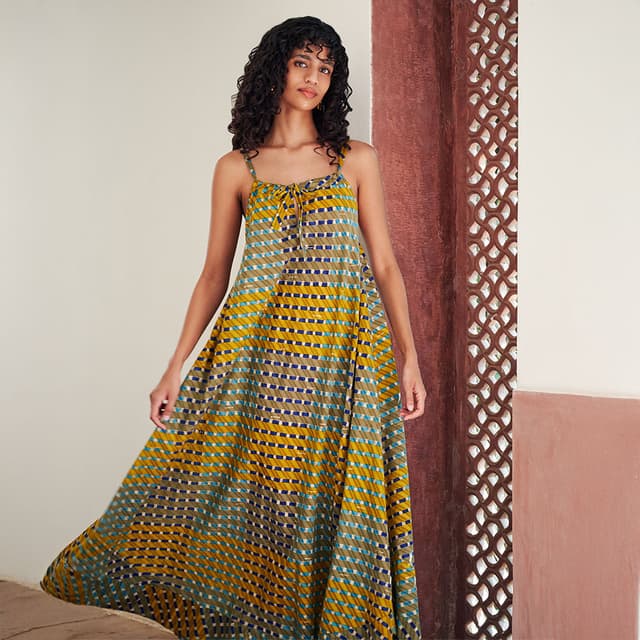
Anokhi is a sustainable Indian clothing label, founded in Jaipur in 1970 by John and Faith Singh. They started the brand when Jaipur's block-printing industry was at a very low ebb, working with block carvers, printers, dyers, embroiderers and bead workers in and around the city and committing to provide them with sustained work throughout the year. Anokhi began with small clothing collections, reimagining traditional prints as evening dresses, bolero jackets and kaftans sold through boutiques in England. Today it makes hand-block printed kurtas, tunics, dresses, tops, skirts and pants, along with scarves, quilts, bed linen and other home textiles, all made in India. Its designers develop contemporary ranges around artisans' traditional techniques, and the brand has long been seen as a role model for good business practice and the revival of textile skills. In the mid-1990s the next generation took over, and Anokhi now has shops across India. In 2005 Anokhi founded the Anokhi Museum of Hand Printing in a restored haveli in Amber, dedicated to collecting, preserving and interpreting block-printed fabric. The haveli's restoration won a UNESCO award for cultural heritage conservation.
Guðrun & Guðrun featured image

Guðrun & Guðrun

Faroe Islands · Est. 2000 · Luxury

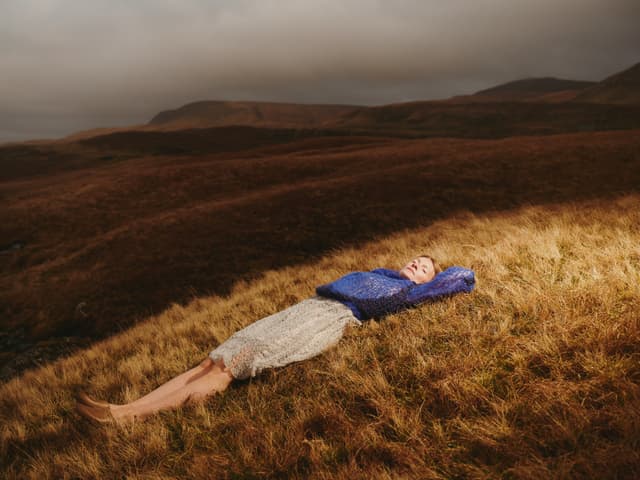
Guðrun & Guðrun is a designer knitwear label from the Faroe Islands, founded in Tórshavn in 2000 by Guðrun Rógvadóttir and Guðrun Ludvig. Rógvadóttir had worked on EU projects worldwide but wanted to build something of her own, and she reached out to Ludvig, a passionate knitter, about the wasted potential of Faroese wool. Friends and business partners for over two decades, the two women share a passion for design, innovation, sustainability and people. The range includes women's and men's sweaters, cardigans, tops, dresses and skirts, plus children's knits, accessories and home pieces. Signature pieces include the Bjøll sweater, the Stásilig cardigan, the Isabella dress and the Bjarma balaclava. Its knitwear is hand-knitted by women in the Faroe Islands, with some pieces knitted in Jordan and Peru, using wool, alpaca and mohair. Ludvig, as creative director, draws inspiration from the serene beauty of her homeland. The brand became famous for the sweater worn by detective Sarah Lund in the Danish TV series The Killing. It remains independent, owned by its founders, and sells online and through stores worldwide.

Ancient Kallos featured image

Ancient Kallos

Greece · Est. 2014 · Mid-range

Ancient Kallos is a Greek resort wear label for women, founded in Thessaloniki in 2014 by sisters Lamprini Stavrou and Stella Stavrou. The sisters took over their family's clothing company, established in 1982, and turned it into a new brand, combining Stella's experience as a fashion designer with Lamprini's background in architecture. The label draws on Greek mythology, traditional Greek embroidery and the treasures of antiquity seen in museum galleries. Ancient Kallos makes dresses, gowns, blouses, shirts, kaftans, shorts, trousers, knitted sets, coats and swimwear with nautical details and cord embroidery. Signature pieces include the Syros Long Dress, the Iphigenia Cut Embroidered Blouse, the Penelope Embroidered Linen Long Dress and the Alkioni Sailor Knot Top. The brand also offers handmade jewellery, sandals and an Art de la Table homeware collection inspired by Greek ceramic art. Every piece is designed and produced in Greece in natural fabrics such as linen, cotton, silk and wool, with some embroideries based on designs more than 100 years old. The company produces to order to minimise leftover stock, and its jewellery is crafted by skilled artisans. Ancient Kallos remains family-owned and is run by the two sisters from Thessaloniki.

Gabriela Coll Garments featured image

Gabriela Coll Garments

Spain · Est. 2016 · Luxury

Gabriela Coll Garments is a minimalist Spanish luxury designer clothing label, founded in Barcelona in 2016 by Gabriela Coll. Combining a fine arts background with the inspiration of her Spanish Mediterranean history, Coll is concerned with the classical and inherent character of fabrics. In pursuit of a permanent wardrobe, her garments are rooted in permanence and austerity. Rather than seasonal collections, the label presents numbered, seasonless Series of pieces that layer, coexist and evolve, and it has now reached Series 15. The range covers pieces for men and women, including leather jackets, coats, trousers and skirts, alongside bags, accessories and footwear such as its Sendra boots. Everything is made in Spain, crafted in the Barcelona studio or by independent local manufacturers. Traces of thoughtful artisanship are visible in each garment, linking the final piece to its origin and production process. As a service for clients, all garments are available custom tailored, and private studio visits and made-to-measure appointments can be booked at the Barcelona office. Gabriela Coll Garments has a strong selection of international stockists and private clients, including Assembly New York and Maidens Shop, and has released exclusive collections with Japan's Super A Market.

not PERFECT LINEN featured image

not PERFECT LINEN

Lithuania · Est. 2014 · Mid-range

not PERFECT LINEN is a European linen clothing label for women, founded in Šiauliai in 2014 by Simona Rimkiene and Vidas Rimkus. Rimkiene left a five-year career as a legal consultant to work alongside her mother, an engineer turned seamstress and designer, and the business grew into a family-run brand. Its name celebrates the natural imperfection of linen, a fabric that gets better with age and is meant to be lived in. The range focuses on simple, minimalist linen dresses, tops, shirts, trousers, skirts, jumpsuits and loungewear, alongside home linen such as napkins, tablecloths and aprons. Everything is handmade in Lithuania by local seamstresses, from linen fabric produced in Europe. The brand began on Etsy, with Rimkiene's parents cutting and sewing orders at home while she packed and shipped them, before it grew into its own workshop and website. It uses OEKO-TEX certified linen and describes its approach as slow fashion and a quiet protest against mass production. not PERFECT LINEN has been profiled by Fibre2Fashion and House of Coco, and its home linens are also sold through retailers such as Reste in the UK.

Jovana Markovic featured image

Jovana Markovic

Serbia · Est. 2010 · Luxury

Jovana Markovic is a Serbian luxury designer clothing label for women, founded in Belgrade in 2010 by designer Jovana Markovic. Her style fuses luxurious, timeless sophistication with a youthful edge, and her collections are designed for strong women, mixing urban chic with feminine silhouettes for both casual and dressy occasions. She is known for a distinctive approach to texture, transparency and layering, creating bold and innovative combinations. The collection includes jackets and coats, trousers, skirts, dresses, tops and belts, from silk dresses and hoodies to cutout leather trousers, see-through pieces and suede. Clothing is made in Serbia, with the brand focusing on the finest natural materials to create versatile, empowering pieces. Markovic debuted at Belgrade Fashion Week in 2010 and has since become a staple of the event, gaining international attention. Her flagship store in Belgrade also opened in 2010, and her collections are sold online and in select Belgrade stores. She won the Elle Fashion Award in 2012 for her collection Winter Is Coming and the Elle Style Award in 2021, and her work has appeared in major Serbian fashion magazines. Since 2018 her designs have been stocked at Assembly in New York.

Cokluch featured image

Cokluch

Canada · Est. 2007 · Mid-range

Cokluch is a Canadian designer label for women, founded in Montreal in 2007 by longtime friends Christine Guérin and Laurie Lemieux. The pair began by making bags and accessories from recycled leather, and they launched clothing collections in 2012. Cokluch combines style, comfort and quality with a strong commitment to sustainability, ethics and local production, making comfortable, versatile pieces designed to suit all body types. The range includes tops, sweaters, pants, skirts, dresses, jackets and cardigans; its current collections carry the name CHLO. par Cokluch. Pieces include the DEVON sweater, the CHAD shirt, the LEE, JOEY and ZAHO pants, the AMBER and BETH skirts, the double-breasted BLAISE jacket, the EVAN blazer, the EMMA dress and the GUS cardigan. Cokluch makes all of its clothing locally in Montreal, in its own workshop and with local subcontractors. It offers free small repairs for manufacturing defects within a year of purchase at its workshop-boutique. Cokluch is an independent brand owned and run by its two founders with a small team of women, with its workshop and boutique at 410 Villeray Street in Montreal.

Nagnata featured image

Nagnata

Australia · Est. 2015 · Mid-range

Nagnata is an Australian designer, sustainable activewear label for women, founded in Byron Bay in 2015 by Laura May and Hannah Gibbs. Laura May founded the label with a vision to contribute to a more sustainable business model in fashion, and her sister Hannah joined as co-founder, making it the collaborative creation of a sister design duo. Its considered approach respects honesty of material and its impact on both the body and the planet, and its founding mantra is Movements Not Seasons. The range spans knit tops, bralets, leggings, shorts, bodysuits, sweaters, denim and outerwear, blurring the lines between technical sportswear and fashion from studio to street. Signature pieces include the Highlighter Tee, the Classic Wool Bralet, the Ballet Legging and the Brushed Alpaca Cardigan. Clothing is made in China, chosen for technical knitwear innovation and yarn availability. Nagnata merges organic and renewable fibres, such as merino wool and GOTS-certified organic cotton, with technology and innovation. In 2020 it introduced SAMA, its first genderless movement. Nagnata is stocked by Bergdorf Goodman, David Jones, Revolve and LuisaViaRoma, has stores in Byron Bay and Sydney, and was profiled by Forbes for rethinking seasonal drops and sales.

Ulla Johnson featured image

Ulla Johnson

USA · Est. 1999 · Luxury

Ulla Johnson is an American luxury clothing label for women, founded in New York in 1999 by Ulla Johnson. Born and raised in Manhattan as the daughter of archaeologists, Johnson honed her signature style between the streets of New York and the far-flung destinations of her family's travels, and launched her eponymous line just after graduating from university. It quickly earned the support of Barneys New York. The label is known for romantic printed and ruffled dresses and gowns such as the Ethel Dress, hand-crochet dresses, blouses, knits, denim, coats and swimwear, along with the Paloma and Charlotte handbags and jewellery. It is made in India, Peru, Italy and other countries, with denim handcrafted in Los Angeles. Every collection is built on natural fibres, beautiful finishing and ease of fit, with close attention to construction. Johnson works closely with artisan partners around the world, including embroiderers in India, crochet makers in Peru and makers in Kenya. The brand has created ULLA Eaux de Parfum with British perfumer Lyn Harris and candles with ceramicist Jonathan Yamakami. It runs a Manhattan flagship and other boutiques, and is sold by retailers across the US, Europe, Australia and Asia.

WAFFLESNCREAM featured image

WAFFLESNCREAM

Nigeria · Est. 2012 · Mid-range

WAFFLESNCREAM is a Nigerian streetwear clothing label, founded in Lagos in 2012 by Jomi Marcus-Bello. Known as waf., it expresses itself through skateboarding and has been West Africa's first hub for skate culture and extreme sports since its start. With no initial funding, the founders organised an art exhibition with friends and family to launch its flagship on Victoria Island, which became a home for creatives in Lagos. The brand makes skate-inspired everyday clothing such as tees, long-sleeve tees, soccer jerseys, shirts, hoodies, knitwear, trousers, shorts, tracksuits and jackets like the Ade Coach Jacket, plus hats, socks, footwear and enamel pins. Its clothing is made in Nigeria and China, using cotton, polyester and nylon. WAFFLESNCREAM describes itself as a community of like-minded creatives celebrating subcultures. It organised Nigeria's first Go Skate Day in 2017, supported Henry Okwubuasi in becoming the country's first pro skater, and published the Ble-Ble Magazine to empower female skaters. The brand has collaborated with Patta, Alara and Oscar Deen, now runs two flagship locations in Lagos with stockists worldwide, and built Nigeria's first fully concrete, Olympic-standard skatepark at Freedom Park.

Bode featured image

Bode

USA · Est. 2016 · Luxury

Bode is an American luxury designer clothing label for men and women, founded in New York in 2016 by Emily Adams Bode Aujla. Raised in Atlanta and trained in menswear and philosophy at Parsons, she worked in the studios of Marc Jacobs and Ralph Lauren before launching a first collection made entirely from antique textiles. Each season is built around a personal story drawn from American history and culture. Bode makes shirts, trousers, suits, jackets, coats, knitwear, dresses and skirts, including the Beaded Blackjack shirt, the Alphabet Pullover and one-of-a-kind pieces cut from vintage quilts and linens. Much of the clothing is made in India and Portugal, with other pieces made in the USA. Its upcycled, handmade approach preserves historical textiles and traditionally female crafts such as quilting, mending, appliqué and beading. Bode Aujla was the first woman to show at New York Fashion Week: Men's, in 2017. She won the CFDA Emerging Designer award in 2019, was a 2019 LVMH Prize finalist, received the Karl Lagerfeld Award for Innovation at the 2020 International Woolmark Prize and was named CFDA American Menswear Designer of the Year in 2021 and 2022.

Róhe featured image

Róhe

Netherlands · Est. 2021 · Luxury

Róhe is a minimalist designer label for women, founded in Amsterdam in 2021 by Marieke Meulendijks and Maickel Weyers. The brand creates quiet, sculptural clothing designed for versatile styling and repeated wear, so familiar pieces can be layered in unexpected ways to create new and considered expressions of the everyday wardrobe. The range includes tailoring, knitwear, tops, trousers, jackets and coats, plus a few home objects. Collections are made mainly in Portugal, China and Italy. Signature pieces include the Balloon Track Pants, the Boxer Detailed Trousers, the Bustier Shaped Knitted Top, the Cable Knit Jumper, the Cape Jumper, the Double-faced Pankou Jacket and the Double-faced Cape Trenchcoat. Róhe works with materials such as wool, cashmere, silk, cotton and leather, with a focus on precise construction and clean lines. Garments are shipped in the brand's signature fabric bag, made from a cotton blend. The label remains independent and is run by its two founders from Amsterdam, shipping its collections worldwide.

Only Hearts featured image

Only Hearts

USA · Est. 1978 · Affordable

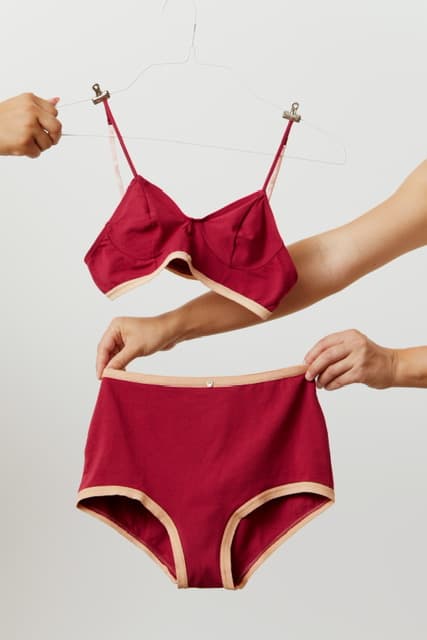
Only Hearts is an American lingerie label for women, founded in New York in 1978 by Helena Stuart. It began as a tiny boutique on Columbus Avenue devoted to all things heart-shaped, from vintage lockets to corsets, and became a destination for collectors and romantics. Stuart went on to create fashion's first Inner Outerwear collection, lingerie-inspired pieces made to be seen and worn out, and today she runs the family brand with her daughter, Kaya. The range covers bralettes, bras, undies, slips, sleepwear and loungewear, described by the brand as sensuous, natural and just a little bit naughty. Collections include So Fine, Whisper, Bed of Roses and Organic Cotton Heritage Hearts, with pieces such as the Joey Bralette, Whisper Balconette Bra and Butterfly Brief, plus silk slips and pyjamas. Everything is made in New York City in small batches to reduce waste and overproduction, using local, deadstock, organic and Made in Green-certified textiles. Its organic line uses organic Pima cotton grown in Peru. Only Hearts says its pieces have been worn by Kate Moss, Chloë Sevigny, Bella Hadid, Kendall Jenner, Nicole Kidman and Scarlett Johansson, among others.

LilaBare featured image

LilaBare

Kenya · Est. 2017 · Mid-range

LilaBare is a Kenyan sustainable clothing label, founded in Nairobi in 2017 by Ria Sejpal. The designer is a multidisciplinary artist with South Asian, Kenyan and British roots who calls herself the "mad scientist" behind the label, and her work bridges heritage craft and innovation. The slow design studio values process over speed and craftsmanship over volume, making seasonless pieces meant to become future heirlooms. The label makes dresses, shirts, tops, trousers, kimonos, blazers, jackets, vests, skirts and cardigans in relaxed, considered silhouettes, released in limited runs. Signature pieces include the Ananas Blazer, crafted from handwoven pineapple waste, as well as the Navo Dress, the Hawa Pants Handloom, the Mahi Kimono and the Kazi Shirt. Every piece is designed, dyed, assembled and finished in Nairobi with a network of more than 250 local farmers, spinners, weavers, dyers and embroiderers. Fabrics are mostly engineered in-house from rain-fed cotton and agricultural waste fibres, about 85% of East African origin, and colour comes from botanical dyes such as avocado skins and seeds and tea residue. Some collections rework vintage saris, and buttons are made from upcycled metals, reclaimed shells and coconut and wood waste.

Miista featured image

Miista

UK · Est. 2010 · Luxury

Miista is a European designer footwear and clothing label for women, founded in London in 2010 by Laura Villasenin. The Spanish designer, a graduate of London's Cordwainers, built the brand around distinctive shoes and boots with a bold, sculptural point of view, and it remains a self-funded, family-run company that she leads with her brother and business partner, Pablo. Boots are at the core of the range, with styles such as the Evie, Pearl and Brenda ankle boots alongside other shoes. In 2021 the brand added a ready-to-wear clothing line, including dresses such as the Nila, the Joia and the Teah rib knit dress. Miista's shoes are made in Alicante, Spain, and in Portugal, using leathers from Italy, Spain and Portugal. Its clothing is made in its own factory in A Coruña, Galicia, which opened in 2020, giving the brand direct control over how its garments are produced. The company runs a showroom in Bethnal Green, East London, and a warehouse in Porto, Portugal, and sells through its own online store worldwide.

YOHEI OHNO featured image

YOHEI OHNO

Japan · Est. 2014 · Luxury

YOHEI OHNO is a Japanese designer clothing label for women, founded in Tokyo in 2014 by designer Yohei Ohno. After studying at Bunka Fashion College and Nottingham Trent University in the UK, Ohno set out to create luxury womenswear that balances artistic expression with practical design, using sculptural shapes, unexpected silhouettes and bold material combinations to rethink traditional ideas of femininity. The brand's collections cover dresses, jumpsuits, tailored jackets, trousers, skirts, shirts and knitwear, along with shoes, bags and its Pile Covered jewellery. Pieces are made in Japan, and signature styles include the Mantle Jumpsuit, Frame Trousers and Socks Shaped Sweater. In 2021 the label launched the 3711 Project, an upcycled line that turns deadstock vintage kimono fabric into one-of-a-kind garments, cut and sewn by hand by Japanese artisans. Its Dress line reissues archive designs as occasionwear. YOHEI OHNO won the Tokyo Fashion Award in 2016, was a finalist for the International Woolmark Prize and was selected for Vogue Talents. It has also designed uniforms for the Sumitomo Pavilion at Expo 2025 Osaka and costumes for the film The Box Man.

BASHAQUES' featured image

BASHAQUES'

Turkey · Est. 2014 · Luxury

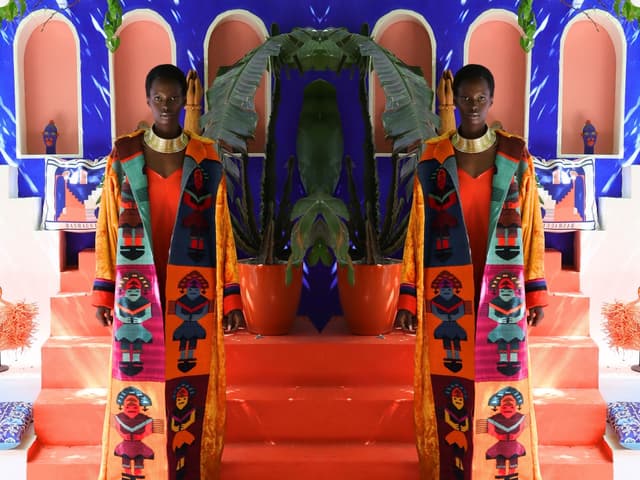
BASHAQUES' is a Turkish wearable art label, founded in Istanbul and Alaçatı in 2014 by designer and visual storyteller Başak Cankeş. Born in Izmir, she holds a Master of Fine Arts and took courses at Central Saint Martins. After presenting her collections at Mercedes-Benz Fashion Week Istanbul, she left the conventional catwalk system to pioneer theatrical fashion performances that blend fashion with illustration, performance and storytelling. The label makes wearable art pieces such as jackets, coats, dresses and statement garments, all with her own patterns, from collections including Golden Age, The Truth and Funeral of Love. It has also created traditional Turkish quilts with silk-printed miniatures, surrealist hand-painted Turkish hammam slippers and costume designs. Every piece is made in Turkey, using materials such as alpaca wool, sheep wool, cotton and leather. Cankeş staged Turkey's first one-hour ticketed fashion performance, The Truth, and in 2023 created the immersive Medusa's Scream at Istanbul's Basilica Cistern. Her accolades include the Mediterranean Fashion Prize in Marseille and recognition from the Centre for Fashion Enterprise in the UK. The independent label sells through gallery-showroom stores in Alaçatı and Istanbul.

Chidiyaa featured image

Chidiyaa

India · Est. 2015 · Affordable

Chidiyaa is an Indian handmade, sustainable clothing label for women, founded in Pune in 2015 by Pooja Rajput. An engineer by training, Rajput left a corporate career to follow her love of sarees, art and traditional craft, and named the brand after the house sparrow. She designs every collection herself, favouring minimal, understated motifs, natural fabrics and a slow-fashion pace. Chidiyaa is best known for hand block printed cotton sarees and handwoven linen zari sarees, alongside blouses, kurtis, kurta sets, dresses and tops. Pieces such as the Afternoon Nap saree, the Aparna Block Printed Cotton Kurta and the Arika Mashru Silk Blouse show its mix of print and weave. Everything is made in India. The brand began with Rajput sourcing fabrics and artisan work directly from villages, and it still works with artisan communities across India, including hand block printers and handloom weavers in West Bengal. Its fabrics are mainly cotton, linen and mashru silk, and it uses traditional prints such as ajrak. Chidiyaa has grown into one of India's well-known online saree labels and has been profiled by YourStory and The Indian Express.

Burel Factory featured image

Burel Factory

Portugal · Est. 2010 · Mid-range

Burel Factory is a Portuguese sustainable wool label, founded in Manteigas in 2010 by Isabel Costa and João Tomás. While building their mountain hotel, Casa das Penhas Douradas, the pair went looking for burel, the coarse felted wool cloth of the Serra da Estrela, and found the Lanifícios Império mill facing insolvency. They restored and bought the factory to save its workers and their knowledge, keeping its 19th-century machines and adding colour to a fabric that had only come in natural wool shades. The brand makes coats, jackets, blazers, sweaters, skirts, trousers, dresses and T-shirts, along with burel fabric, blankets, cushions, acoustic wall panels, bags and shoes. Pieces include the Canadiana Xadrez, the Sobretudo Cocoon, the Blazer Príncipe de Gales, the Camisola Tradicional and the Capa Pastor. Everything is made at the restored mill in Manteigas, where veteran loom masters train younger weavers. It uses wool from Bordaleira and Churra sheep grazing in the Serra da Estrela, plus Portuguese Merino from the Alentejo, and follows a strict zero-waste policy. Burel Factory has stores in Lisbon's Chiado and in Porto, and in 2021 it also bought a historic wool processing factory in Covilhã.

Botanica Workshop featured image

Botanica Workshop

USA · Est. 2014 · Affordable

Botanica Workshop is an American organic lingerie and loungewear label for women, founded in Los Angeles in 2014 by Misa Miyagawa. Born and raised in Silver Lake, Miyagawa studied fashion design at Parsons in New York and Central Saint Martins in London, and started the brand from a need for responsibly produced intimates with a designer aesthetic and quality to match. The name joins Botanica, for its ecologically minded use of materials, with Workshop, for the experiential nature of designing and producing handcrafted goods. The collection has grown from bralettes and briefs into everyday essentials, including the Aya Bralette, Astra Hi-Waist Brief and Lila Bikini Brief, camisoles, slip dresses and loungewear. Pieces are made in the USA, in small runs produced in Los Angeles with local artisans and technicians. Each collection is approached with the sensibility of a ready-to-wear wardrobe and the handcrafted feel and technical construction of vintage undergarments. The label uses organic cotton, stretch silk and recycled and upcycled materials. Botanica Workshop has been featured by The Wall Street Journal, Who What Wear, Vogue.com and Racked LA, and collaborated with artist Amelia Giller on a lookbook.

GEEL featured image

GEEL

USA · Est. 2020 · Mid-range

GEEL is a minimalist American clothing label for women, founded in Los Angeles in 2020 by Irene Geel. During the pandemic, while clearing out years of uncomfortable wear-once pieces, Geel noticed she kept only her understated, classic basics, yet struggled to find loungewear that matched her style. A former handbag designer, she bought her first roll of deadstock modal and launched a small capsule of soft tops and bodysuits. The label began with cut-and-sew knits in that same modal, which became its core collection, and has since grown into wovens, sweaters, outerwear and swimwear. The range now includes tops, bodysuits, skirts, dresses, capris, shorts and soft knitwear, all designed in Los Angeles as seasonless, elevated basics for everyday wear. GEEL works with ethical, sustainable manufacturers and produces in limited batches to minimise waste and prevent overproduction. Every piece is wear-tested during production, with the aim of creating comfortable, versatile clothes that can be worn alone or layered and still feel right a year later. GEEL has been featured by Wonderland and Hypebae, which covered its Summer campaign and capsule with Cierra O'Day, and has a following in both Los Angeles and New York.

A Bronze Age featured image

A Bronze Age

Canada · Est. 2016 · Mid-range

A Bronze Age is a Canadian designer label for women, founded in Vancouver in 2016 by Renée Power. The brand grew from Power's curiosity to meet and collaborate with makers: it began by importing artisanal goods from Morocco before she started designing her own core collection in Vancouver. A contemporary lifestyle brand fuelled by intention, A Bronze Age reclaims traditional, feminine silhouettes by reimagining them for the modern woman, aiming to create innovative classics and decadent everyday garments women will return to again and again. The range covers dresses, tops, skirts, pants and outerwear, plus handbags, hats and hair accessories. Dresses include the Monroe, Mazzy, Corinne and Charm, alongside tops like the Melrose, Mikey and Mary, outerwear such as the Phoebe Bomber and Stockholm Trench, and bags like the Josephine, Kiku Croissant and Yuki. The brand is committed to local manufacturing and timeless, multi-season pieces. Its collection is made in Vancouver, many items are made to order, and Power's aunts and cousins work alongside her to hand-craft each piece, so the label is propelled by three generations of women. A Bronze Age is an independent, family-rooted brand led by Power, selling online and through stockists.

SEROYA featured image

SEROYA

USA · Est. 2020 · Mid-range

SEROYA is an American luxury designer clothing label for women, founded in New York in 2020 by Ohad Seroya and Aviad Klin. The husbands are also the co-founders and creative directors of the womenswear label Retrofête, and Seroya conceived the new brand during the spring 2020 lockdown as a contemporary label with a social conscience and a feel-good mentality. SEROYA sets out to upgrade and refine the wardrobe with minimalist collections powered by maximum style. The collection includes dresses, tops, bodysuits, skirts, trousers, vintage-inspired denim, breathable knits, sweaters and jackets, alongside luxe silk pieces designed to be mixed and matched. Its classic silhouettes consistently blur the lines between masculine and feminine, and clothing is made in China. From the start, the label paired each drop with a charitable partner, beginning with Trans Can Work, a Los Angeles nonprofit supporting transgender employment. Its first collection used biodegradable packaging and tags made from repurposed fabric scraps. SEROYA, originally styled Ser.O.Ya, launched exclusively on FWRD in February 2021 with a campaign starring model and activist Teddy Quinlivan, and its debut was covered by WWD.

Christie Brown featured image

Christie Brown

Ghana · Est. 2008 · Luxury

Christie Brown is a Ghanaian luxury designer label for women, founded in Accra in 2008 by Aisha Ayensu, its CEO and creative director. The fashion house is named after her grandmother, a Ghanaian dressmaker of remarkable style and craftsmanship who inspired her vision. It weaves African heritage into sophisticated, elevated design for the modern woman, aiming to redefine global perceptions of luxury from the continent. The range includes blouses such as the Nala, dresses like the Sasha and Plisse, skirts, trousers, shorts, shirts, and jackets and blazers such as the Concetta. It also makes accessories, including bags and The CB Classic sunglasses. Christie Brown is proudly made in Ghana. Ayensu reinterprets traditional artisanal techniques in modern silhouettes, with an emphasis on impeccable tailoring, prints and thoughtful storytelling, working in cotton, silk, linen and denim. The brand was named in the Vogue Business 100 Innovators list, celebrating creative leadership shaping the future of global luxury. It remains independent and founder-led, and has brought a capsule to London on the Fifth Floor at Harrods.

Can't find what you're looking for?

We add new sites every week but if you have a specific request, let us know.