List of 200+ Affordable Brands – Page 3

Brands 49–72 of 212. Back to page 1 · Browse brands A–Z

Brands

212 brands

Tamara Malas featured image

Tamara Malas

USA · Est. 2018 · Affordable

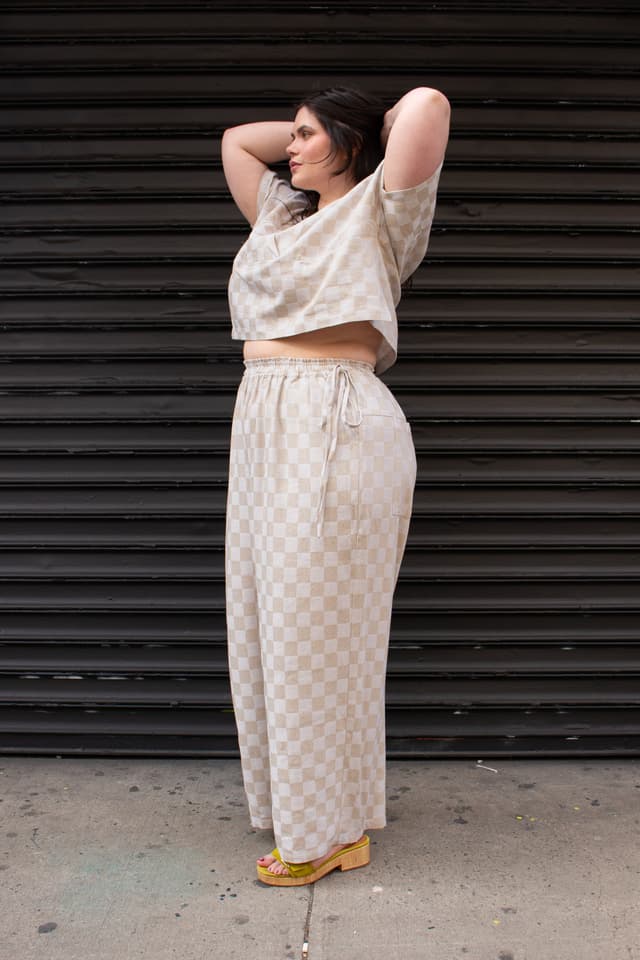
Tamara Malas is an American designer label for women, founded in New York in 2018 by Tamara Malas. Malas graduated in fashion design from the School of the Art Institute of Chicago and has a background in sculpture and painting, which shows in her playful clothes. The brand was built on the idea that fashion should be for everyone, with inclusivity at its core and sizes running from 0 to 36. The label makes dresses, tops, bottoms, outerwear, swimwear, underwear and jewellery grounded in real life with a heavy dose of whimsy. Signature pieces include the Raya Raincoat, the Lola Pant, the Patch Jeans, the Penelope Dress and the Corset Tulle Top. Alongside its own designs, the shop also carries goods by other artists. Every piece is made in small batches through close partnerships with small factories, many of them in New York City, with some production abroad. The brand uses closed-loop production and limited runs to cut waste, chooses fabrics for hand feel and longevity, and calls its approach slow fashion. Tamara Malas is a women-owned small business with a flagship store at 143 Ludlow Street on New York's Lower East Side.

Juana de Arco featured image

Juana de Arco

Argentina · Est. 1998 · Affordable

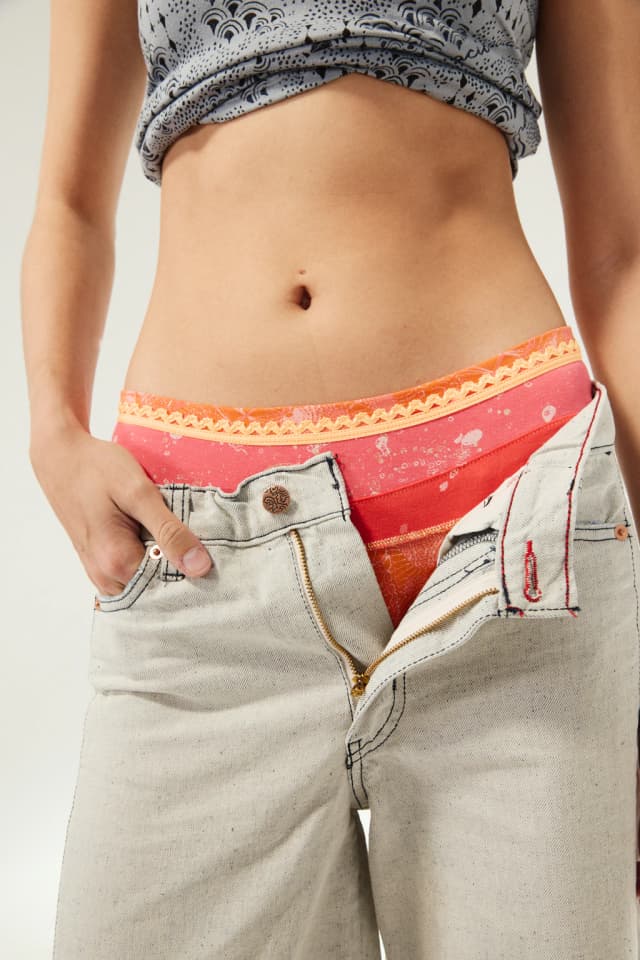
Juana de Arco is an Argentine designer label for women, founded in Buenos Aires in 1998 by designer Mariana Cortés. Started in the Palermo Viejo neighbourhood, the brand makes colourful, hand-printed womenswear, yoga wear and lifewear, mixing contemporary design with Latin American textile techniques such as Paraguayan ñandutí lace. The range includes jumpsuits, dresses, T-shirts, hoodies, yoga leggings, skirts, denim and underwear, plus kidswear, homeware and art. Signature pieces include the Juana Mono, the Juana Dress, the Yoga Pocket Legging, the Yoga Parka and JDA Denim Macroñandutí. Collections are made in Argentina with local workshops and artisan cooperatives. The label's social projects give families work by turning fabric scraps into handmade pieces, so offcuts become new products rather than waste. Juana de Arco celebrated its 20th anniversary with an exhibition at the Museo de la Historia del Traje in Buenos Aires. It remains an independent, family-run business led by its founder, with a store on El Salvador street in Palermo Soho and sales in the US and Japan.

Piet featured image

Piet

Brazil · Est. 2012 · Affordable

Piet is a Brazilian streetwear label, founded in São Paulo in 2012 by creative director Pedro Andrade. It translates the urban spirit and artistic outlook of a restless generation, and it launched with the provocation "fvck-a-porter". Its work is driven by aesthetic experimentation and a dialogue between culture, design and behaviour, with each collection a manifesto on time, identity and experimentation. The range includes T-shirts, shirts, sweatshirts, pants, shorts, footwear and accessories. Collections such as Chaotical, The Beautiful Riot, Parasomnia and Variations on a Theme helped define its DNA, a territory where chaos, dream and reality meet. Piet's clothing is made in Brazil from materials such as cotton, polyester and nylon. The label bridges the handmade and the digital, the local and the global, moving between fashion, art and performance. Piet debuted at São Paulo Fashion Week in 2018 and is known for collaborations with Nike, Oakley, KidSuper, Budweiser, the NBA and Rider. The independent brand has a flagship store on Rua Padre João Manuel in São Paulo.

Bunai featured image

Bunai

India · Est. 2016 · Affordable

Bunai is an Indian designer, handmade clothing label for women, founded in Jaipur in 2016 by Pari Choudhary. Choudhary started the brand with the belief that every woman is already beautiful, and its mission is to make women feel that way. She remains closely connected to it as CEO, and her creative perspective and connection with the women who wear Bunai continue to shape its direction. Bunai makes colourful, easy Indian and fusion wear, including co-ord sets, kurta sets, suit sets, maxi dresses, sarees and pants, plus men's kurtas. Signature pieces include the Crisp Hour Co-Ord Set, the Flair Affair Co-Ord Set, the Cotton Bliss Kurta Set, the Ahila Kota Doria Block Printed Dress and the Bunaai Bella Cotton Maxi Dress. Everything is made in India. The brand draws on Jaipur crafts, working with traditional hand block printing, hand painting and natural dyes, as well as kota doria fabric. Bunai has grown from its Jaipur beginnings into a fashion e-commerce brand that women across India have made part of their wardrobes, while keeping its original spirit close.

Paper Label featured image

Paper Label

Canada · Est. 2013 · Affordable

Paper Label is a Canadian minimalist clothing label for women, founded in Vancouver in 2013 by Teresa Lake. Lake started the brand to make modern, comfortable sleepwear in breathable fabrics, and it has since grown into a wardrobe of timeless, easy everyday wear and loungewear designed for comfort. The collection now spans sweaters, cardigans, tops, trousers, dresses, skirts and sleepwear. Pieces include the Serena Cropped Cardigan, the Cecilia Pullover, the Simone Button Up, the Lorne Oversized Sweatshirt, the Donna Shirt Dress and its Night Suit. Everything is designed and developed in Vancouver and manufactured overseas by a small group of long-term factory partners. Paper Label chooses fabrics by looking at their overall impact, from water and pesticide use to processing, care, longevity and biodegradability. It works with materials such as TENCEL, recycled nylon, organic and BCI cotton and LENZING ECOVERO viscose, lists certifications including GOTS, GRS, RWS and WRAP, and ships in compostable packaging to cut plastic waste. The independent label is woman-owned and women-run, and it sells online and through stockists across Canada and the US.

Maison D’Haïti featured image

Maison D’Haïti

Haiti · Est. 1994 · Affordable

Maison d'Haïti is a fair-trade handmade kids and home label, founded in Fond-des-Blancs, Haiti in 1994 by Sarah Hackett. A retired nurse, Hackett first visited Haiti in 1992 as a volunteer with St. Boniface Hospital and launched a women's health clinic in 1994 through Haiti Projects. Realising that many local women had excellent sewing, knitting and embroidery skills, she started the Artisanat Cooperative in 1996, and Maison d'Haïti, meaning "House of Haiti", is the cooperative's brand. The collection includes hand-knit baby sweaters, cap-sleeve children's dresses, embroidered cotton batiste nightgowns, tea towels, cocktail napkins, aprons, pouches and jewellery. Every piece is handmade in Haiti by women artisans in Fond-des-Blancs. As a non-profit and a member of the Fair Trade Federation, Maison d'Haïti renews its verification every year, and proceeds go directly to the artisans. Its artisans earn on average 262% more than Haiti's national minimum wage, and Haiti Projects also runs a community library, a girls' soccer club and a beekeeping programme. Haiti Projects has become the second-largest employer in the region after the local hospital, providing income to nearly 100 women and their families.

Batik Boutique featured image

Batik Boutique

Malaysia · Est. 2011 · Affordable

Batik Boutique is a Malaysian ethical clothing label, founded in Kuala Lumpur in 2011 by Amy Blair. The brand began with a friendship: in 2009 Blair met Ana, a single mother and skilled seamstress looking for extra income, and together they started turning Malaysian batik fabric into products. Blair founded the company so that artisans like Ana could earn a fair, sustainable income. Batik Boutique makes modern clothing and accessories from authentic Malaysian batik, including women's dresses and caftans, men's batik shirts, children's clothing, scarves, ties, bags, homeware and gifts. Pieces include the Alysya Caftan, the Nusa Wrap Dress, the Men's Batik Cuban Shirt and the Batik Scarf in silk cotton. Every collection starts with original artwork inspired by Malaysia's culture, landscapes and heritage. Artisans create each textile with the centuries-old wax-resist batik technique, which needs natural fabrics such as cotton, cotton silk and viscose, and tailors at its training centres sew them up. Since 2011 it has partnered with more than 400 artisans from marginalised communities and impacted over 1,700 beneficiaries. Batik Boutique is an award-winning social enterprise and a certified B Corp, and it also runs a corporate services and workshop studio.

BullyBoy featured image

BullyBoy

South Africa · Est. 2020 · Affordable

Bullyboy is a South African skate and streetwear label, founded in Cape Town in 2020 by Francesco Pareti. In late 2020, while shopping online for a skateboard setup, the owner could not find graphic grip tape he liked, so he made 100 custom grips with cooler designs and sold them to local skate shops. The name means aggressive man, but the double B sound makes it feel friendlier, matching the brand's motto of anarchy for positive change. The range has grown from graphic grip tapes into tees, shirts, baggy denim pants, caps and beanies, alongside skateboard decks and products from skate brands such as GX1000 and Hockey. Its clothing is made in South Africa, with many tees screen printed and distressed by hand in limited runs. Bullyboy aims to show underground skate culture in a raw, honest way and to build a real community rather than chase trends or profits. It avoids paid social ads in favour of guerrilla marketing such as wheat pasting and spray painting its car, and plans events and community projects. The everyday, affordable label sells online and through skate shops, staying rooted in the Cape Town skate scene.

Laing Home featured image

Laing Home

New Zealand · Est. 2016 · Affordable

Laing is a New Zealand womenswear label specialising in cashmere and knitwear, founded in Auckland in 2016 by Anna Murray. A former marketing and advertising executive, Murray bought the sleepwear business of Barbara Laing in 2015, rebranded it and launched Laing in November 2016. Having started as a luxury sleepwear brand, it now designs elevated, uncomplicated and season-less pieces in New Zealand. The label is known for Grade A cashmere, including its Featherlight Cashmere V-necks, shirts and polos and oversized cashmere crewnecks. The range also includes merino pieces like the Sylvia Knit Cardigan, shirts, tops, T-shirts, linen wide-leg pants, the Invert Pleat Trouser, dresses and jackets, plus cashmere accessories such as beanies and bed socks. Laing produces in small batches of 50 to 150 units per style per season to avoid overproduction, and donates unsold items to Hospice New Zealand and the RSPCA. It focuses on natural fibres such as cashmere, merino, wool and linen, and shares guides on cashmere grading, quality and care. The independent brand is owned and run by Murray and sells online and through stockists in New Zealand, with its online shop also carrying a small edit of other brands.

OwnBrown featured image

OwnBrown

Switzerland · Est. 2015 · Affordable

ownbrown is a European lingerie label for women of colour, founded in Bellmund near Biel, Switzerland in 2015 by Nadine Ndjoko Peisker. A lawyer who has worked for the Swiss Federal Department of Foreign Affairs, Ndjoko Peisker started the brand out of frustration: as one of the few Black female lawyers in Switzerland, she could not find skin-coloured tights to wear to court or nude lingerie for under professional dresses and white shirts. ownbrown is built on the belief that freedom and confidence are gifts everyone deserves. The range includes bras, high-waisted briefs, thongs, tights and knee-high hosiery in a choice of nude shades tone-matched to brown skin, rather than treating beige as a universal nude. Pieces are made in Italy and designed to be comfortable and easy to wear. The black-owned, women-owned brand focuses on high-quality basics that let women dress confidently for work and every day, celebrating "your own brown" from London to Lagos. ownbrown has been featured in the Lingerie Journal and The New Black Magazine, and in 2019 its founder collaborated with Sephora.

Untitled in Motion featured image

Untitled in Motion

USA · Est. 2020 · Affordable

Untitled in Motion is an American designer clothing label for women, founded in Brooklyn, New York in 2020 by Marika Kandelaki and Virginia Craddock. Kandelaki is an artist and print designer with more than 20 years of experience in New York textile design, while Craddock is a fashion business consultant who previously founded the brand Kurt Lyle. The pair met at the Premiere Vision NYC trade show and began the label during the pandemic, approaching each collection as an artist approaches a canvas. The range covers dresses, tops, skirts, trousers, outerwear and knitwear, with simple, fluid silhouettes that showcase exclusive, limited-edition prints. The brand began with "wakewear" such as robes, shirts, shorts and sleep dresses meant for waking, sleeping and the creative time in between. Pieces are made in China. The prints draw on dream states, surrealism and architecture, referencing de Chirico's arches, Dora Maar's light play, Magritte's skies, Schiaparelli's trompe l'oeil and Matisse's cutouts. Many designs are digitally printed on vegan TENCEL Luxe, a lyocell from renewable wood, and the brand works with audited factories that pay fair wages for fair hours. Untitled in Motion has been featured by the art and fashion magazine Whitewall.

Metaphor Racha featured image

Metaphor Racha

India · Est. 2011 · Affordable

Metaphor Racha is an Indian designer, sustainable khadi label for women and men, founded in Bengaluru in 2011 by Brinda and Ravi. The self-funded brand began with a purpose to make Karnataka's khadi and craft accessible and relevant in daily life. It describes itself as a for-profit brand collaborating with craftspeople across Karnataka, not an NGO, and its work aims to connect rural hands with global cities through design. The range covers khadi shirts for men, kora khadi shirts, saree blouses, quilted blouses, block printed khadi sarees, dupattas, pants, skirts and lungis, plus home goods such as towels, napkins and hand-quilted bedspreads. Everything is made in India. Its fabric is certified handspun, handwoven khadi woven in Karnataka, with hand block printing from Sanganer, and it uses azo-free vat or natural dyes. The Bengaluru workshop produces minimal inventory against orders to avoid waste. Metaphor Racha holds Khadi and Village Industries Commission (KVIC) certification for authentic khadi. Its work has been covered by Ritz magazine, and Ravi Kiran has spoken about the brand at CreativeMornings Bangalore.

Meals featured image

Meals

USA · Est. 2019 · Affordable

Meals is a gender-neutral American designer clothing label, founded in Los Angeles in 2019 by Sam Salad and Rebma, both pseudonyms. Rebma is also the designer behind the denim label 69, while Sam is a writer and designer who once sold jeans on Abbot Kinney Boulevard in Venice. Under the slogan "Wear What You Eat", the label sets out to confuse fashion and food. The mid-range collection centres on soft, workwear-inspired everyday pieces such as Chef Pants, Forager Pants, Forager Coats, Dinner Jackets, work shirts, shorts, tees and cocktail dresses, often dyed to resemble watermelon, banana, shrimp or licorice. Everything is made in the USA, cut, sewn, finished, dyed and shipped in Los Angeles within a six-mile radius. The label works mostly with natural fibres such as cotton canvas, seersucker, linen and denim, and often uses deadstock fabric sourced from Ragfinders of California. Limited one-of-one pieces are hand-painted or screen-printed with artists such as Colin Yeo and MACHINE. Meals debuted with its "Cocktail Party" presentation at Various Small Fires gallery in 2019, has been featured by Vogue and WWD, and has been worn by Kerwin Frost and Lil Dicky.

The Sunn featured image

The Sunn

India · Affordable

The Sunn is an Indian designer casualwear label for women, based in Surat. The brand builds its collections around holiday dressing, with the tagline "to your next vacation", and does not publicly name its founder or launch year. Its design approach is playful and sunny, with bright prints, relaxed fits and slogan graphics meant for beach trips and easy summer days. The range covers T-shirts, crop tops, shirts, dresses, hoodies, sweatshirts and co-ord sets. Signature pieces include the Sun Kiss Crop Top, the Palm Tree Top, the Pink Soda Top, the Sunburn T-Shirt, the Mentally On Vacation Shirt, the Musafir Dress, the Brown Sugar Hoodie and the Wave Check Co-ord Set. Everything is made in India. The Sunn sells online through its own website. The site does not share details about its factories, materials or sustainability practices, so the label is best described as a small, independent casualwear brand focused on easy, colourful pieces for travel and warm weather.

One Less featured image

One Less

India · Est. 2020 · Affordable

One Less is an Indian sustainable, ethical clothing label for men and women, founded in Pune in 2020 by Hansika Chhabria. Chhabria started the brand to rethink fashion's impact on the people who make clothes and the land that grows their fibres. Its design approach is simple, gender-neutral everyday comfort: soft, breathable basics and loungewear that can be worn at home, at work and on the move, made in a way that is kinder to both people and the planet. The range covers organic cotton T-shirts, shirts, shorts, sweatpants and hoodies, hemp-bamboo shirt-and-shorts sets, TENCEL Modal pyjama sets and loungewear, plus bamboo socks and raffia bags. Everything is made in India with ethical production partners. One Less works with low-impact natural fibres, including GOTS-certified organic cotton, bamboo, TENCEL and hemp-bamboo blends, and colours them with OEKO-TEX-certified, azo-free dyes. Through its "one tree" initiative, purchases support tree planting. The brand sells online across India and has been featured by YourStory for its approach to workers and land, and by Fibre2Fashion in an interview with its founder.

Home & Loft featured image

Home & Loft

USA · Est. 2013 · Affordable

Home & Loft is a women-owned American textile and loungewear label, founded in New York in 2013 by Handan Anlar. Growing up in Istanbul surrounded by talented artisans and fine cotton, Anlar came to the United States in the 1990s to study graphic arts, then spent twenty years in New York's high-end retail and fashion industry. She founded Home & Loft to unite the craftsmanship of Mediterranean artisans with 21st-century urban design and to support Turkish artisans in the ancient weaving tradition. The collection includes kaftans, tunics, ponchos, bathrobes and loungewear sets alongside Turkish towels, hand towels, blankets and napkins in collections such as Tribeca, Montauk and Hudson. Its artisan textiles are made in Turkey, hand-loomed using only cotton, linen and wool. Home & Loft produces limited quantities of timeless staples in small batches, which Anlar sees as more sustainable for both makers and the environment. She travels to Turkey each year to meet artisans and families in small villages and develop new pieces. Home & Loft received Architectural Digest's 2022 Great Design Award for Kitchen & Bath, has been featured by Domino and Garden & Gun, and is a featured artisan at Shoppe Object.

Guapa Beirut featured image

Guapa Beirut

Lebanon · Est. 2021 · Affordable

Guapa Beirut is a Lebanese designer clothing label for women, founded in Beirut in 2021 by Amanda Harb, who rebranded it in 2023. Its mission is to give fashion-forward women clothing that not only looks good but also feels good, so that every woman can say "I am guapa": I am beautiful, I am confident and I have my own style. The brand offers the latest trends in accessible everyday pieces. The range covers sets, denim, pants, T-shirts, dresses, beachwear and jackets, with pieces such as the Bahia Set, the Leoni Beach Set, the Aria Tracksuit, the Bruges Wide Leg Denim, the Alicante Crochet Dress and the Lilia Faux-Leather Jacket, plus slogan tees. Its clothing is listed as made in Lebanon. The label focuses on stylish yet functional everyday and holiday pieces, and it has released a collaboration with Studio10.14. Guapa Beirut sells online and does not publish detailed information about its factories or sustainability practices.

Province of Canada featured image

Province of Canada

Canada · Est. 2014 · Affordable

Province of Canada is a Canadian clothing label for women, men and kids, founded in Toronto in 2014 by husband-and-wife Julie Brown and Jeremy Watt. The pair met in Montreal around 2005. Sharing a love of graphic design and quality textiles, they launched a brand named after the United Province of Canada, formed in 1841. It began as a tight collection of made-in-Canada pieces and has grown into casual, unisex clothing and home textiles. Signature pieces include the Everyday Tee, the Lake Ontario Half Zip Fleece Sweatshirt, the Canada Flag Cotton Knit Sweater and the Sunday Polo Long Sleeve Shirt. It is one of the few brands that makes every product in Canada, working with factories it visits monthly. Most of its cotton is knitted locally, orders ship in compostable packaging, and for every pair of socks sold it donates a pair to shelters across Canada. Province of Canada has partnered with Rethink Breast Cancer on a made-in-Canada collection and released a fleece jacket inspired by one worn in the TV series Heated Rivalry. It has shops on Queen Street East and Ossington Avenue.

Moi Dien featured image

Moi Dien

Vietnam · Est. 2016 · Affordable

Moi Dien is an experimental Vietnamese designer clothing label, founded in Ho Chi Minh City in 2016 by Tom Trandt. Trandt studied at Parsons School of Design in New York, where his work was exhibited at the Metropolitan Museum of Art while he was still a junior, before returning home to launch a label for people who want to experiment with what they wear. The name combines the Vietnamese words for lips and crazy. The label mixes minimalist everyday wear with bold, sculptural details such as asymmetric cuts, pleats and patchwork. Pieces include shirts like the Lệch and Gấp Shirts, T-shirts, asymmetrical tops, pleated shorts and pants, dresses, and Organza, Bomber and Patchwork Jackets, plus bags such as the Ba Gang Bag. Everything is made in Vietnam. Its design philosophy draws on avant-garde Belgian and Japanese designers. Rather than calling itself a sustainability brand, Moi Dien aims to be responsible, reducing waste by upcycling leftover fabrics and working with cotton, linen and silk. Moi Dien has been featured in Harper's Bazaar, Elle and L'Officiel, and Trandt was selected for the British Council's International Fashion Showcase 2019 in London.

Selyn featured image

Selyn

Sri Lanka · Est. 1991 · Affordable

Selyn is a sustainable Sri Lankan handloom clothing label, founded in Kurunegala in 1991 by Sandra Wanduragala. An attorney-at-law, Wanduragala started Selyn in her home garage with 15 women in the village of Wanduragala. Her brother Hilary Wanduragala soon joined as managing director, and her daughter and namesake, Selyna Peiris, now leads its next generation. Selyn makes handloom sarees, sarongs, lungis, shirts, shawls and beach wraps, along with kids' clothing and toys, bags, bangles and home textiles such as table runners, mats and throws. Everything is handwoven in Sri Lanka through a network of around 1,000 rural artisans. The brand works to revive the island's declining handloom tradition while providing rural women and men with steady income and skills. Its products use GOTS-certified organic cotton, natural fibres and AZO-free dyes, and it is guaranteed by the World Fair Trade Organization. Selyn is Sri Lanka's only Fair Trade certified handloom company and one of its largest social enterprises, exporting worldwide. Sandra Wanduragala was named to Forbes Asia's 50 Over 50 list and received the Sri Lanka Iconic Woman award in 2025.

Natio featured image

Natio

Australia · Est. 1993 · Affordable

Natio is an Australian beauty brand established in 1993 by Max Ross and based in Melbourne, Victoria. With more than three decades in the market, the brand has developed a strong everyday identity around natural beauty, cruelty-free practices, and accessible pricing. Its longevity is one of its most meaningful qualities. Natio predates much of the current clean and conscious beauty conversation, giving its natural positioning more history than brands created specifically in response to recent trends. Cruelty-free beauty is part of that profile, while locally made production strengthens its connection to Australia. The brand’s wider subcategory positioning also includes ethical beauty, sustainability, and recycled materials, giving its long-standing natural approach a more contemporary environmental dimension. Affordability has helped Natio remain practical. Natural beauty can quickly become premium-priced, but the brand stays accessible enough for customers to build regular skincare and beauty routines without treating every product as an investment. Everyday beauty is where Natio feels most comfortable. The range is designed for repeat use rather than niche artistry or occasional luxury. For shoppers interested in established Australian beauty brands, Natio combines natural ingredients, cruelty-free practices, ethical considerations, sustainability, recycled materials, local production, and affordable pricing. Its strength lies in familiarity and longevity: a practical beauty brand that has been part of the Australian market since the early 1990s while continuing to align with modern conscious-beauty priorities.

MooGoo featured image

MooGoo

Australia · Est. 2005 · Affordable

MooGoo is an Australian skincare brand established in 2005 by Craig Jones. The brand has built its identity around natural beauty, practical sensitive-skin care, and affordable products designed to be used consistently rather than treated as occasional skincare extras. Sensitive-skin-friendly positioning is one of MooGoo’s strongest characteristics. Its dermatologist-tested profile gives the brand an additional layer of confidence for customers who are cautious about irritation or who prefer skincare that feels more considered for everyday use. Natural beauty remains central, while cruelty-free practices make the brand relevant for shoppers who want animal-friendly skincare. The wider subcategory profile also connects MooGoo with clean beauty, paraben-free formulation, sustainability, recycled materials, and locally made production. These qualities give the brand a broader conscious-beauty identity without losing its accessible character. Affordability is particularly important. Sensitive-skin and dermatologist-tested products are often pushed toward specialist or premium pricing, whereas MooGoo keeps its range within reach of everyday customers. Established in 2005, the brand also has a longer history than many newer clean-beauty names. For shoppers seeking Australian skincare that combines natural ingredients, cruelty-free values, dermatologist testing, sensitive-skin-friendly care, sustainability, local production, and accessible pricing, MooGoo offers a practical and well-established choice built around regular use rather than beauty trends.

Frank Body featured image

Frank Body

Australia · Est. 2013 · Affordable

frank body is an Australian beauty brand founded in 2013 by Bree Johnson, Jess Hatzis, Erika Geraerts, Alex Boffa, and Steve Rowley and based in Melbourne, Victoria. The brand sits firmly within affordable beauty, with an identity built around playful, approachable products intended to make everyday body care feel less formal. Cruelty-free beauty is an important part of the brand’s profile, giving customers an animal-friendly consideration without pushing the products into premium pricing. What makes frank body stand out is its accessible attitude. The brand is not built around complicated skincare language or exclusive luxury rituals; it speaks more naturally to customers who want body care and beauty products that feel easy to use, easy to understand, and simple to fit into normal routines. Its Melbourne roots give frank body a clear Australian identity and help explain the brand’s more casual, contemporary tone compared with traditional spa-led body care labels. Affordability also makes experimentation easier. Customers can try different products or build a routine without treating each purchase as a major investment. Established in 2013, frank body has had time to move beyond the short lifespan of many trend-driven beauty brands. For shoppers seeking affordable Australian beauty, it offers a combination of cruelty-free values, everyday usability, accessible pricing, and a relaxed approach to body care that feels more practical than precious.

Natralus featured image

Natralus

Australia · Est. 2010 · Affordable

Natralus is an Australian beauty brand founded in 2010 by John Rowe and based in Adelaide, South Australia. The brand occupies an accessible space within natural beauty, bringing together cruelty-free practices, ingredient-conscious formulations, and locally made products without moving into premium pricing. Natural beauty is the foundation of Natralus, while paraben-free and sulfate-free formulas give shoppers clearer guidance around what they can expect from the range. Sensitive-skin-friendly positioning adds another important dimension, making the brand particularly relevant for customers who want natural products but still need to consider skin comfort. Its cruelty-free profile provides an animal-welfare consideration, while local production gives Natralus a strong Australian identity. That locally made element is especially meaningful for shoppers who prefer supporting brands with a closer connection between formulation, production, and place. Affordability is one of the brand’s strongest advantages. Natural and sensitive-skin-focused beauty often carries a higher price, but Natralus keeps its products within reach of customers building practical everyday routines. The result is a beauty brand that feels straightforward rather than aspirational for its own sake. For shoppers looking for affordable Australian beauty, Natralus combines natural ingredients, cruelty-free values, paraben-free and sulfate-free formulations, sensitive-skin-friendly care, local production, and everyday usability in a way that is easy to understand and easy to incorporate into regular routines.

Can't find what you're looking for?

We add new sites every week but if you have a specific request, let us know.