List of 1,000+ Sustainable Brands – Page 14

Brands 313–336 of 1,033. Back to page 1 · Browse brands A–Z

Brands

1,033 brands

Birch Babe featured image

Birch Babe

Canada · Est. 2017 · Mid-range

Birch Babe Naturals is a Canadian skincare brand handmade in small batches in Northbrook, Ontario. Founded by Debbie and run with her two daughters, Kelsey and Lindsay, it is a family business in the literal sense, and every product is formulated, made and packed by the people who own it. The range is broad but coherent: cleansers, micellar water, toners, serums, face oils, creams, masks and mineral sunscreen, alongside body bars and oils, muscle balm, beard care, a baby line and a small collection of lip and cheek tints. Formulations are certified All Natural by CertClean, an independent verification that separates the brand from the many labels using "natural" without proof, and the founder holds diplomas in organic skincare formulation and advanced organic cosmetic science. Products are vegan and Leaping Bunny certified cruelty-free, made with ethically sourced, organic and certified natural ingredients. Packaging is almost entirely plastic-free, with a stated commitment to recyclable and sustainable materials and shipping that avoids unnecessary waste. Sitting in the mid-range tier and made entirely in Canada, Birch Babe is positioned for everyday, low-waste self-care rather than clinical intervention, with formulas gentle enough for babies and sensitive skin. For shoppers looking for natural, organic, vegan and cruelty-free skincare that is genuinely handmade, women-owned and locally made rather than outsourced, Birch Babe is one of the most transparent small brands operating in Canadian clean beauty today.

Bésame Cosmetics featured image

Bésame Cosmetics

United States · Est. 2004 · Mid-range

Bésame Cosmetics is an American beauty house devoted to a single idea: that the glamour of the twentieth century is worth reviving properly. Founded in 2004 by Gabriela Hernandez, a cosmetic historian and author who emigrated from Buenos Aires, and run with her husband Fergus, the brand recreates archival formulas and packaging from the 1920s through the 1970s. This is not retro styling applied to modern products. Bésame researches original formulations and reissues them, from a cake mascara revived from a hundred-year-old formula to lipsticks named for the year of their shade, such as Enamorada 1947. Gold-plated compacts, cream rouge and loose face powders are made as collectible objects, and the brand's telling of the 1912 suffrage red lipstick story has become part of its identity. Disney and Marvel collections sit alongside the archive. Formulations are free from harsh chemicals, parabens, mineral oils and gluten, and the brand is 100% cruelty-free with no animal testing. Hernandez works directly with the chemists. Bésame has also operated sustainably for over seventeen years, using reusable and refillable packaging and biodegradable materials, which suits a brand designed to be kept rather than discarded. Priced in the mid-range tier at roughly ten to thirty-six dollars, it competes on craftsmanship rather than novelty. For shoppers seeking paraben-free, cruelty-free, women-owned American beauty with genuine historical depth and packaging built to last, Bésame is without real equivalent.

Beauty by Earth featured image

Beauty by Earth

United States · Est. 2014 · Mid-range

Beauty by Earth is an American natural beauty brand that has grown from a self-tanner specialist into a full personal care range without loosening its formulation standards. Founded in 2014 by Prudence Millsap and based in Texas, it now covers self-tan, mineral sunscreen, facial skincare, body care, hair care, lip care and bath. Its credentials are unusually concrete. The brand is Leaping Bunny Certified cruelty-free, and products carrying the USDA Organic mark are fully certified organic rather than simply organic-adjacent. Formulations are paraben-free, sulfate-free, gluten-free and free of phthalates, phenoxyethanol, synthetic fragrance and GMOs, with plant-based ingredients throughout. The range is vegan with a single stated exception, a boar bristle hair brush. Sustainability is handled with similar specificity. Beauty by Earth has been Plastic Neutral Certified through rePurpose Global since 2022, and its cartons are made from fully recyclable materials with soy-based inks on SFI-certified board. All formulations are made in the United States. Sitting in the mid-range tier and priced from around ten dollars, the brand is built for daily use rather than occasional treatment, and the mineral sunscreen and self-tan lines in particular have made it a fixture for families avoiding conventional chemical formulas. For shoppers searching for natural, organic, paraben-free and sulfate-free American beauty from a women-owned business with third-party certification behind the claims, Beauty by Earth is one of the most substantiated options in clean personal care.

Axiology Beauty featured image

Axiology Beauty

United States · Est. 2013 · Mid-range

Axiology is an American beauty brand that treats packaging as seriously as formulation. Founded by Ericka Rodriguez and based in Bend, Oregon, it built its reputation on a simple provocation: why should a lipstick arrive wrapped in plastic that outlives the person wearing it? The answer became the brand's signature. Axiology products ship in boxes handmade by a women's cooperative in Bali from collected street waste — entirely plastic-free, compostable and recyclable. Its best-known products, the multi-use Balmies crayons, come with no plastic component at all, working across lips, eyes and cheeks so one item replaces three. Formulations are fully vegan and cruelty-free, built on a short list of plant-based, ethically sourced ingredients rather than long synthetic ones. The range now extends beyond colour into foundation and mushroom-infused serums, but the discipline holds throughout: fewer ingredients, fewer products, less waste. Priced in the mid-range tier, Axiology sits alongside conventional prestige makeup while operating to a zero-waste standard almost nobody at that price matches. Its upcycled packaging programme has drawn recognition from Allure, Cosmopolitan and Forbes, and the brand remains women-owned and founder-led. For shoppers searching for vegan, cruelty-free and genuinely sustainable American beauty, Axiology is one of the few brands where the environmental claim is structural rather than cosmetic. If you want ethical makeup that works as hard on waste as it does on pigment, this is the reference point.

Antipodes featured image

Antipodes

New Zealand · Est. 2006 · Mid-range

Antipodes is a New Zealand skincare brand that has spent two decades proving natural formulation and clinical evidence can coexist. Founded in Wellington by Elizabeth Barbalich, it remains New Zealand founded, owned and made, drawing on native botanicals including mānuka honey, harakeke and avocado oil alongside actives such as plant-derived hyaluronic acid, bakuchiol and vitamin C. The brand describes itself as scientifically validated, and the distinction matters. Where much of the natural beauty market relies on ingredient storytelling alone, Antipodes commissions clinical testing on its formulations and publishes the results. Several products carry certified organic status, and the brand maintains a separate certified vegan collection for customers who need it, though the wider range includes mānuka honey and is not vegan throughout. The catalogue spans moisturisers, serums, cleansers, masks, eye creams, toners, mineral SPF and haircare, with a small colour range. Formulations are cruelty-free, and sustainability runs through ingredient sourcing and packaging alike, including recyclable glass and patented recyclable haircare bottles. Sitting in the mid-range tier, Antipodes is priced above supermarket naturals but well below prestige skincare, which has made it a gateway brand for shoppers moving toward organic and ethical beauty without abandoning results. As a women-owned business with a twenty-year track record and an unusually rigorous approach to proof, it remains one of the most credible names in natural New Zealand skincare and a reliable answer for anyone seeking certified organic products with clinical backing.

Tree House Kids featured image

Tree House Kids

United States · Est. 2022 · Affordable

Treehouse is a children’s clothing brand focused on organic everyday essentials designed for comfort, durability, and easy wear. Its collection includes underwear, pajamas, baby basics, T-shirts, shorts, socks, and simple wardrobe staples for children. The brand uses GOTS-certified organic cotton across much of its range, along with OEKO-TEX® certified linen in selected pieces. Thoughtful details such as flat seams, tag-free construction, soft fabrics, and easy-to-identify markers are designed to make dressing more comfortable and independent for children. Rather than following short-lived trends, Treehouse creates practical pieces that can be worn regularly, washed often, and passed down when possible. With an emphasis on safe materials, careful craftsmanship, and functional design, the brand offers families a more considered way to build a child’s everyday wardrobe.

No Skin featured image

No Skin

Australia · Est. 2020 · Mid-range

Nōskin is a Melbourne footwear and clothing label founded by Tony Corrales, Jai Long and Ash Pierce. Developed around vegan wardrobe staples, it pairs an interest in music and street style with familiar shoe shapes: Chelsea and combat boots, derbies, loafers and sneakers. Its clothing extends that approach into pieces intended to be worn together. Nōskin footwear is designed in Melbourne and handcrafted in Franca, Brazil, at an all-vegan factory. The brand says its shoes contain no animal-derived materials or glues. A Rose Loafer listing, for example, specifies a Spanish-milled microfiber polyurethane upper, rubber sole and microfiber lining, making clear what “vegan leather” means for that pair. Many of its boot and loafer designs use substantial lug soles. The brand sells online and has a studio store in Collingwood. It offers international shipping and a footwear repair service for customers in Australia, including resoling and cleaning. Sizes and fit differ by style; the Rose Loafer listing spans EU 37–47 and describes that model as true to size.

Nelson Made featured image

Nelson Made

Australia · Est. 2018 · Mid-range

Artist and designer Jamie Nelson established Nelson Made in Australia in 2018. The women’s footwear label focuses on sculptural shapes that still work in an everyday wardrobe. Its collection includes sandals, flats, mules, heels, boots and sneakers, often using a change in proportion or an unusual curve to make a simple shoe feel distinctive. Materials are a substantial part of the brand’s approach. Nelson Made uses recycled leather in some designs and says it buys most of its conventional leather from Leather Working Group certified suppliers, with exceptions for certain specialty materials. It also lists vegetable-tanned leather, organic linen and certified fabrics among its material choices. Those details vary by shoe; the range as a whole is not leather-free. Nelson Made’s size guide covers EU 35–43 and provides corresponding foot lengths. The brand sells directly online and through Australian retailers, including selected David Jones stores in Sydney and Melbourne, The New Trend, The Iconic and The UNDONE.

Kuwaii featured image

Kuwaii

Australia · Est. 2008 · Mid-range

Designer Kristy Barber established Kuwaii in Melbourne in 2008 as a clothing and footwear label centred on thoughtful, lasting designs. Its shoes complement the relaxed shapes and considered colours of its clothing. The footwear range includes leather sandals, boots and lace-up shoes, with details such as sculptural straps or distinctive soles giving familiar styles a Kuwaii character. There is an important production distinction for shoppers researching the brand. Most Kuwaii clothing is made in Melbourne, but the company says its footwear is now made in small batches at a family-run factory in Australia. Kuwaii describes working with a small supplier network and offers a repair program as part of its approach to keeping products in use. Kuwaii footwear is available through its website and Melbourne stores. Current styles commonly use European sizes 36–42. The general size guide says many fits are generous, but individual shoes can differ: some sandals, for example, have their own advice to size up between sizes. Check the relevant product page before choosing.

WAYZ for Life featured image

WAYZ for Life

Portugal · Est. 2019 · Mid-range

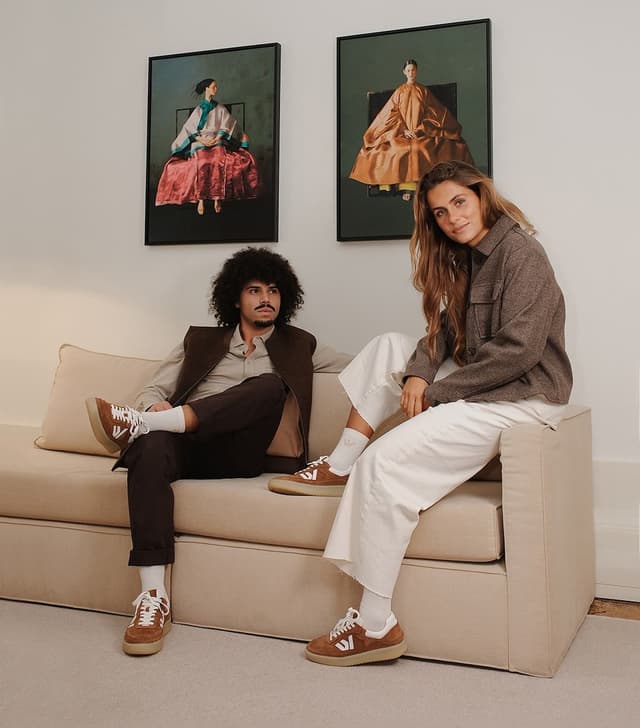
Wayz is a Portuguese sneaker brand founded in Porto in 2019 by Pedro Maçana and Daniel Carvalho. The founders launched it through a crowdfunding campaign, delivered their first pairs that year and subsequently opened a store in Porto’s Bonfim neighbourhood. Their aim was to design and make the sneakers entirely in Portugal. The brand sells leather sneakers in several shapes and colour combinations. It describes its approach through local sourcing, relationships with specialist suppliers and designs intended to stay in use. Some current models include outsoles containing recycled rubber; material details differ by shoe and appear on its product pages. Wayz also operates a “2nd Life” service through which customers can enquire about repairs, including resoling, reinforcement and cleaning. That gives shoppers a concrete way to extend the wear of a pair rather than relying only on a broad durability claim. Customers can order on the official website and consult its store and sizing information.

NAE Vegan Shoes featured image

NAE Vegan Shoes

Portugal · Est. 2008 · Affordable

NAE Vegan Shoes was founded in Lisbon in 2008 by Paula and Alex Pérez. Its name stands for “No Animal Exploitation,” reflecting the rule behind every collection: the shoes contain no animal-derived materials. The founders remain involved in the business, which describes its footwear as designed and made in Portugal. NAE offers women’s and men’s styles across everyday and dress footwear, including sneakers, loafers, sandals, boots and heels. Its material selection includes cork, apple- and pineapple-derived alternatives, and recycled materials; the composition varies by shoe. The brand says pairs are handcrafted in small Portuguese workshops and identifies its footwear as PETA-certified vegan. Customers can buy through NAE’s international online shop, which provides shipping information and size guidance. Individual product pages include fit notes, a useful check when moving between a boot, loafer and sneaker. For shoppers specifically seeking vegan footwear, NAE’s animal-free requirement applies across the brand, while its separate material and construction details should be checked style by style.

Zouri featured image

Zouri

Portugal · Est. 2017 · Mid-range

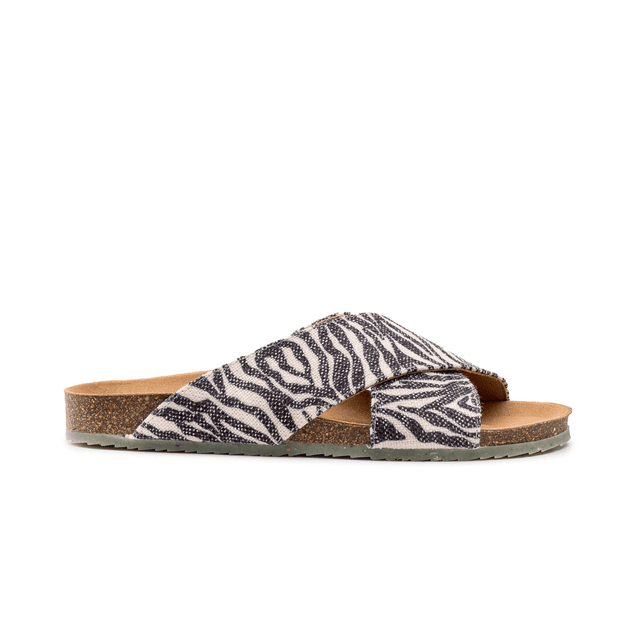
Zouri is a Portuguese vegan footwear brand developed from Adriana Mano’s idea of turning plastic collected on the country’s beaches into shoe components. The project began in 2017. It works with local institutions, volunteers and environmental groups on coastal cleanups, then combines recovered plastic with other materials in its footwear. The range includes sneakers, sandals and espadrilles. Materials depend on the model and can include organic cotton, linen, hemp, cork or plant-based alternatives. Zouri’s official site describes production in Portugal and says a pair comes with information about its materials, the collected plastic and the people involved in making it. That product-level detail is useful for shoppers assessing the brand’s environmental claims. Zouri sells directly through its website, where shoppers can filter styles by footwear type and material. Check the listing for the composition and properties of a specific pair: a sneaker described as water-resistant, for example, should not be assumed to make the entire range suitable for wet weather. The company’s website lists its contact location in Braga, Portugal.

Mukishoes featured image

Mukishoes

Portugal · Est. 2018 · Mid-range

Mukishoes is a Portuguese barefoot footwear brand conceived in 2018 by founders and designers Madlen Schering and Marta Caeiro. They set out to make minimalist shoes from natural materials, with a shape that gives the foot room to move. The brand added Mukishoes Kids in 2020 and now sells styles for adults and children. Its barefoot design has a wide toe box, a thin flexible sole and no height difference between heel and toe. The range includes sneakers and boots, with materials varying by model. Mukishoes says its shoes are handcrafted in small, family-owned factories in northern Portugal. Its material choices are part of the brand’s environmental approach, but shoppers should check each product page for the exact composition of a pair. Mukishoes sells through its official online shop and provides separate size finders for grown-ups, kids and its smallest sizes. Its sizing guidance notes that different materials can behave differently on the foot. For someone new to barefoot shoes, measuring foot length and allowing room at the toes is more useful than assuming their usual shoe size will transfer directly.

Hirundo featured image

Hirundo

Portugal · Est. 2021 · Mid-range

Hirundo is a Portuguese footwear brand started in 2021 by brothers Filipe and Eduardo Serzedelo. Inspired partly by their father’s long-kept shoes, they set out to make sneakers with a longer useful life and a close connection to Portuguese suppliers. The brand says its shoes are designed, sourced and crafted in Portugal. Sneakers are Hirundo’s main focus, with different colours and shapes across its collections; the shop also lists styles such as chukka boots and mules. Hirundo describes its use of local and recycled materials on its website, but the material mix varies by product and is worth checking on the individual listing. Its manufacturing partners are close to its stores, allowing the brand to work within a relatively local supply chain. Hirundo’s operating company, Sanjoanina Fábrica de Calçado, is listed as a Certified B Corporation. Customers can order on the official website or use its store directory to find a location in Portugal, including Porto and Lisbon. Check the product page for sizing and construction details before choosing a pair.

Diverge Sneakers featured image

Diverge Sneakers

Portugal · Est. 2018 · Mid-range

DiVERGE is a Portuguese footwear brand founded in 2018. Customization is central to its sneakers: customers can use the website to start with a base design or adapt one of the brand’s suggested combinations, choosing a look before the pair is made. DiVERGE says its sneakers are handcrafted to order in Portugal. Its current site highlights leather from LWG Gold-rated suppliers and OEKO-TEX-certified materials, though the composition should still be checked for each design. Making pairs after they are ordered is part of its approach to limiting overproduction. The company is also listed by B Lab as a Certified B Corporation. The official shop is the place to design and order a pair, with product pages explaining the customization choices, sizing and expected production period. DiVERGE also runs iMAGINE, a programme intended to help young people facing social exclusion build employment and entrepreneurship skills. These are specific parts of the brand’s work for shoppers assessing its environmental and social claims.

Conker Shoes featured image

Conker Shoes

UK · Est. 1977 · Mid-range

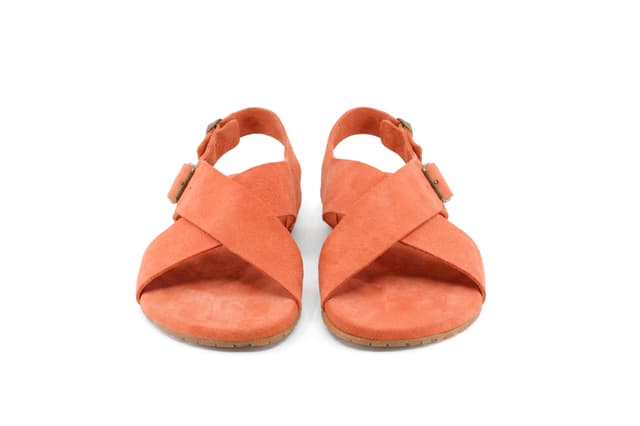
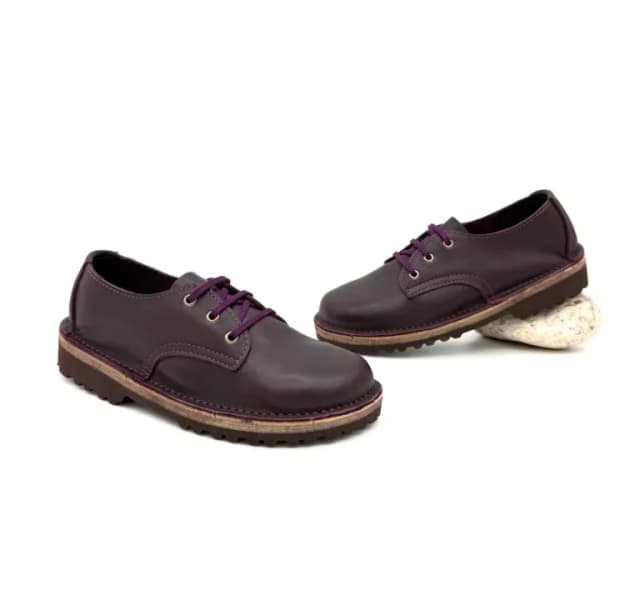
Conker Shoes has made leather footwear in Totnes, Devon, since 1977. Its workshop sits behind its high street shop, where customers can see ready-to-wear styles as well as discuss a pair made to order. The brand makes shoes, boots and sandals for women, men and children, all in its own Devon workshop. Customization is a practical part of Conker’s offering. Depending on the style, customers can choose colours, soles, stitching and details such as laces or buckles. Its website lists sizes 1–13, including half sizes and four fittings, giving shoppers more ways to address fit than a single standard width. Conker also offers zero-rise and barefoot options within its range. The shoes use stitched-down construction and are designed so the workshop can resole and repair them after wear. Shoppers can order through the official site or visit the Totnes store to try available pairs. For a custom order, check the fitting and delivery information for the chosen style before placing it.

Goral Shoes featured image

Goral Shoes

UK · Est. 1936 · Mid-range

GORAL is a family shoemaking business with Polish roots and a factory in Sheffield, England. Franciszek Goral opened the original workshop in Poland in 1936. The family moved its shoemaking operation to Sheffield in 2005, and descendant Dominik Goral now leads the brand. Its current footwear draws on that manufacturing history while using shapes suited to everyday wear. GORAL makes leather sneakers, shoes and boots in its Sheffield factory. The selection includes low and high top sneakers, with some models offered in regular and wider fittings. Materials and construction vary by style, making the individual size and leather guides useful when choosing a pair. The brand also offers a factory resole and refurbishment service for eligible footwear. Customers can buy from GORAL’s official website, which explains its fit options and repair services. For anyone searching whether GORAL shoes are made in the UK, the relevant distinction is that the family workshop began in Poland, while the present brand’s shoes are made in Sheffield.

Mint & Rose featured image

Mint & Rose

Spain · Est. 2012 · Affordable

mint&rose is a Spanish women’s footwear and accessories brand founded by Monti Gutiérrez Benavides. The project began in 2012, initially developing espadrilles for a market where Monti saw few options beyond traditional designs. It later expanded its presence in Spain; the brand identifies Valladolid as the location of its offices. Espadrilles remain an important part of mint&rose, joined by sandals, ballet flats, loafers, boots, bags and smaller accessories. The company says its current shoe and bag collections are designed and manufactured in Spain. It describes espadrille production in Murcia and shoe production in Elda, drawing on the distinct footwear skills of those regions. Customers can shop the official website for flat and wedge espadrilles, sandals and styles for other seasons. The brand is particularly relevant to someone looking for a Spanish-made espadrille within a broader, coordinated wardrobe of shoes and bags. Individual product pages give the clearest view of each item’s materials, heel height and available sizes.

Kumi Sneakers featured image

Kumi Sneakers

Spain · Est. 2020 · Mid-range

KUMI Sneakers is a Spanish vegan footwear brand started in 2020 by Alexandra Pardo and Sergio Carvajal. Alexandra is from Mallorca and Sergio from Veracruz, Mexico; they developed the project together after settling in Barcelona. Their aim was to make casual sneakers without animal-derived materials, using recycled components and Spanish footwear production. KUMI’s sneakers are handcrafted in small batches by a family-run factory in Elche. The brand identifies recycled materials in its shoes and describes its range as animal-free. It also lists PETA-Approved Vegan and Global Recycled Standard among its credentials. These details make KUMI relevant to shoppers comparing vegan sneakers who want to know where a pair is made and what materials it uses. Its Hygge/22 model is designed as an everyday sneaker. The official website currently advertises a final clearance sale and says those purchases cannot be returned or exchanged. It also warns that Hygge/22 runs small and recommends going up one size. Shoppers should check current stock and the terms shown at checkout before ordering.

Womsh featured image

Womsh

Italy · Est. 2014 · Mid-range

Womsh is an Italian sneaker brand created by Gianni Dalla Mora. Its name stands for “Word of Mouth Shoes,” reflecting the idea of spreading its approach through the people who wear the shoes. The brand has participated in LifeGate’s Zero Impact project since 2014 and makes its sneakers in Italy and Portugal. Womsh offers leather sneakers alongside vegan styles, so shoppers should check the materials of the specific model rather than treat the whole range as vegan. The brand says it sources leather from Leather Working Group certified suppliers. Its vegan range uses Uppeal, a material containing recovered apple-processing waste, and it also describes the use of recycled textiles and cotton in parts of its collection. The website gives unusually detailed information about materials, production locations, and the people involved in making the shoes. Womsh also supports a collection project that processes worn sneaker soles into material for playground flooring. Customers can buy through its online store and review the product information for each pair. The brand’s claims are most useful when read at model level, where materials and certifications can be matched to the shoe being considered.

ID.EIGHT featured image

ID.EIGHT

Italy · Est. 2019 · Mid-range

ID.EIGHT is a sneaker brand founded in Florence in 2019 by South Korean designer Dong Seon Lee and Italian product manager Giuliana Borzillo. The pair met at a footwear trade fair in 2017 and developed a shared idea for genderless sneakers with 1990s influences. A crowdfunding campaign in 2020 helped finance the first production run. The sneakers are made in Italy, the brand’s home country. ID.EIGHT uses a mix of recycled materials and partly plant-based alternatives in its designs. Its materials guide describes uppers containing components derived from apple waste, grape residue, corn or mycelium, and cactus, depending on the model. It also identifies recycled textiles used in components such as laces, labels, and some uppers. Those ingredients vary by shoe, so the product page is the best place to check a particular pair. Customers can shop online or use the brand’s store finder. ID.EIGHT also provides sizing advice and describes a programme for collecting worn sneakers for recycling. Its investment history includes outside funding, which does not by itself establish that the brand has lost independent control.

Prota Fiori featured image

Prota Fiori

Italy · Est. 2018 · Luxury

Prota Fiori is an Italian-made luxury women’s footwear brand founded in 2018 by Jennifer Stucko. Created around the idea that beautiful shoes can be produced differently, the company connects traditional Italian shoemaking with materials, sourcing, and feminine design. Every shoe is designed, sourced, and handmade in Italy. The Prota Fiori collection includes heels, pumps, sandals, boots, flats, and women’s shoes. Each style is named after a flower, reflecting the brand’s connection to nature and femininity. Elegant shapes and timeless colors help the footwear work across professional wardrobes, formal occasions, celebrations, and elevated everyday dressing. Prota Fiori explores circular and lower-impact materials, including alternatives developed from grape and apple by-products. The shoes are constructed using Italian craftsmanship methods and are designed with repairability and longer use in mind. The company is recognized as a woman-owned Certified B Corporation. For shoppers seeking sustainable luxury shoes made in Italy, Prota Fiori offers a blend of elegance, material innovation, and artisanal quality. Its designer women’s footwear suits customers who want polished Italian style while considering craftsmanship, product longevity, environmental impact, and responsible business practices.

ITALEAU featured image

ITALEAU

USA · Est. 2016 · Mid-range

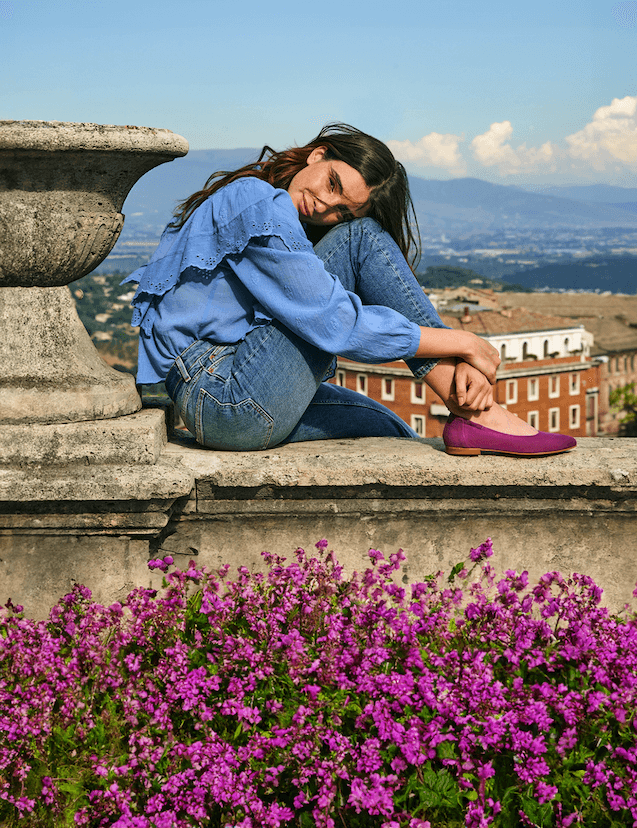
Italeau is an American women’s footwear brand founded in 2016 by Philippe Colmant. The company combines practical shoe design with Italian manufacturing, creating styles intended to handle daily routines, changing weather, work, travel, and social occasions without losing their appearance. The Italeau collection includes women’s loafers, ballet flats, sneakers, sandals, boots, booties, and dress shoes. Many designs are handmade in Italy using Italian leather or suede treated to resist water and stains. Cushioned interiors, flexible construction, and silhouettes help make the shoes comfortable and easy to coordinate with everyday wardrobes. Function is a defining part of the brand’s approach. Waterproof and stain-resistant finishes allow customers to wear refined leather footwear more confidently in unpredictable conditions. The range also includes extended women’s sizes, making selected Italian-made styles available to shoppers who often have fewer luxury footwear options. For customers searching for waterproof Italian shoes for women, Italeau offers a useful combination of style, comfort, and durability. Its leather flats, loafers, sneakers, and boots are designed for frequent wear, making the brand relevant for commuting, travelling, office dressing, and versatile day-to-evening outfits.

8000Kicks featured image

8000Kicks

Portugal · Est. 2019 · Mid-range

8000Kicks is a Portuguese sustainable footwear brand founded in 2019 by Bernardo Carreira and his grandmother, Maria Otilia Carreira. The idea began when Bernardo challenged Otilia, who had more than 50 years of textile experience, to help create durable shoes using industrial hemp. Their early project developed into a family-led hemp shoe company. The 8000Kicks collection includes hemp sneakers for men and women, wide-toe-box shoes, casual footwear, socks, wallets, hats, and backpacks. Its best-known shoes use hemp uppers, hemp insoles, waterproof layers, and lightweight outsoles containing algae-based material. The designs are intended for travel, walking, commuting, and everyday use. Hemp gives the footwear a breathable, flexible, and naturally distinctive texture. The company also positions its shoes as vegan and focuses on reducing reliance on common synthetic or resource-intensive materials. Practical colors and simple sneaker shapes make the range easy to style. For shoppers seeking sustainable hemp shoes or vegan sneakers, 8000Kicks offers an unusual material-led alternative. The brand combines Portuguese textile knowledge, footwear development, and accessible casual design, creating lightweight shoes for customers interested in comfort, versatility, and lower-impact materials.

Can't find what you're looking for?

We add new sites every week but if you have a specific request, let us know.