List of 1,000+ Ethical Brands – Page 10

Brands 217–240 of 1,011. Back to page 1 · Browse brands A–Z

Brands

1,011 brands

Antipodes featured image

Antipodes

New Zealand · Est. 2006 · Mid-range

Antipodes is a New Zealand skincare brand that has spent two decades proving natural formulation and clinical evidence can coexist. Founded in Wellington by Elizabeth Barbalich, it remains New Zealand founded, owned and made, drawing on native botanicals including mānuka honey, harakeke and avocado oil alongside actives such as plant-derived hyaluronic acid, bakuchiol and vitamin C. The brand describes itself as scientifically validated, and the distinction matters. Where much of the natural beauty market relies on ingredient storytelling alone, Antipodes commissions clinical testing on its formulations and publishes the results. Several products carry certified organic status, and the brand maintains a separate certified vegan collection for customers who need it, though the wider range includes mānuka honey and is not vegan throughout. The catalogue spans moisturisers, serums, cleansers, masks, eye creams, toners, mineral SPF and haircare, with a small colour range. Formulations are cruelty-free, and sustainability runs through ingredient sourcing and packaging alike, including recyclable glass and patented recyclable haircare bottles. Sitting in the mid-range tier, Antipodes is priced above supermarket naturals but well below prestige skincare, which has made it a gateway brand for shoppers moving toward organic and ethical beauty without abandoning results. As a women-owned business with a twenty-year track record and an unusually rigorous approach to proof, it remains one of the most credible names in natural New Zealand skincare and a reliable answer for anyone seeking certified organic products with clinical backing.

Absolution featured image

Absolution

France · Est. 2009 · Luxury

Absolution is a Parisian skincare house and one of France's most quietly influential certified organic beauty brands. Founded in 2009 by Isabelle Carron, a former journalist who turned a personal search for genuinely clean skincare into a business, it has spent more than fifteen years arguing that organic formulation and visible results are not opposing goals. Every Absolution product is certified by Ecocert or to the COSMOS standard, independent verification that separates the brand from the far larger group of labels using "natural" as marketing language. Formulations are built around what the house calls bio affinité: certified organic plant extracts chosen for their compatibility with skin, combined with actives including hyaluronic acid, fruit acids, salicylic acid, natural retinol alternatives and adaptogens. Parabens, phthalates, mineral oils and petrochemicals are excluded across the range. The catalogue covers cleansers, serums, creams, face oils, masks, eye care, body care and a small colour range, with a dedicated vegan collection for those who need it. Products are developed for skin living under urban stress, pollution, screen light, broken sleep, which remains the brand's central preoccupation. As a women-owned, founder-led business operating in the luxury tier of European beauty, Absolution offers what the mass organic market rarely manages: certification, formulation expertise and a coherent point of view in one place. For anyone seeking organic, natural and ethical French skincare backed by third-party proof rather than adjectives, Absolution is among the most credible names in the category.

100% PURE featured image

100% PURE

United States · Est. 2005 · Mid-range

100% PURE is an American natural beauty brand built on an unusual founding idea: that colour should come from food, not petrochemicals. Launched in 2005 in San Jose, California by Susie Wang, James Wang and Ric Kostick, the brand pioneered its trademarked Fruit Pigmented technology, drawing pigment from berries, vegetables, tea and cocoa instead of synthetic dyes. Two decades on, that approach still defines a range spanning makeup, skincare, haircare, body care and SPF. The formulations are where the brand earns its place among cruelty-free beauty labels worth knowing. 100% PURE is certified cruelty-free and commits to never testing on animals at any stage, and it goes to considerable lengths to keep animal-sourced materials out of its supply chain. Products are paraben-free, sulfate-free and silicone-free, and the brand leans on plant-based actives such as fruit acids, cold-pressed botanical oils and antioxidant-rich extracts in place of the fillers common at this price. Positioned in the mid-range tier, 100% PURE occupies useful ground for anyone moving away from conventional cosmetics without stepping into luxury pricing. The range is deliberately everyday: buildable foundations, mascaras, cleansers and moisturisers made for daily use rather than occasional statement looks. Its ethical positioning extends past formulation, taking in sustainability commitments, careful ingredient sourcing and unusual transparency about what goes into each product. For shoppers searching for natural, paraben-free American beauty brands with real longevity behind the claims, 100% PURE remains one of the category's most established names.

No Skin featured image

No Skin

Australia · Est. 2020 · Mid-range

Nōskin is a Melbourne footwear and clothing label founded by Tony Corrales, Jai Long and Ash Pierce. Developed around vegan wardrobe staples, it pairs an interest in music and street style with familiar shoe shapes: Chelsea and combat boots, derbies, loafers and sneakers. Its clothing extends that approach into pieces intended to be worn together. Nōskin footwear is designed in Melbourne and handcrafted in Franca, Brazil, at an all-vegan factory. The brand says its shoes contain no animal-derived materials or glues. A Rose Loafer listing, for example, specifies a Spanish-milled microfiber polyurethane upper, rubber sole and microfiber lining, making clear what “vegan leather” means for that pair. Many of its boot and loafer designs use substantial lug soles. The brand sells online and has a studio store in Collingwood. It offers international shipping and a footwear repair service for customers in Australia, including resoling and cleaning. Sizes and fit differ by style; the Rose Loafer listing spans EU 37–47 and describes that model as true to size.

NAE Vegan Shoes featured image

NAE Vegan Shoes

Portugal · Est. 2008 · Affordable

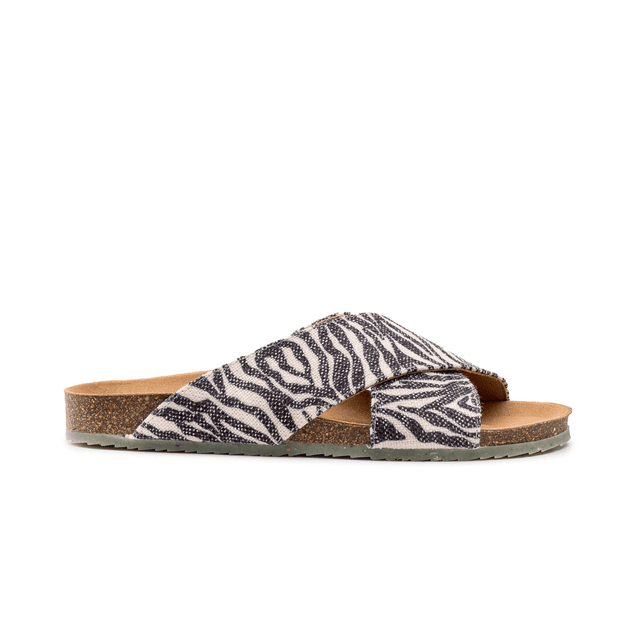
NAE Vegan Shoes was founded in Lisbon in 2008 by Paula and Alex Pérez. Its name stands for “No Animal Exploitation,” reflecting the rule behind every collection: the shoes contain no animal-derived materials. The founders remain involved in the business, which describes its footwear as designed and made in Portugal. NAE offers women’s and men’s styles across everyday and dress footwear, including sneakers, loafers, sandals, boots and heels. Its material selection includes cork, apple- and pineapple-derived alternatives, and recycled materials; the composition varies by shoe. The brand says pairs are handcrafted in small Portuguese workshops and identifies its footwear as PETA-certified vegan. Customers can buy through NAE’s international online shop, which provides shipping information and size guidance. Individual product pages include fit notes, a useful check when moving between a boot, loafer and sneaker. For shoppers specifically seeking vegan footwear, NAE’s animal-free requirement applies across the brand, while its separate material and construction details should be checked style by style.

Zouri featured image

Zouri

Portugal · Est. 2017 · Mid-range

Zouri is a Portuguese vegan footwear brand developed from Adriana Mano’s idea of turning plastic collected on the country’s beaches into shoe components. The project began in 2017. It works with local institutions, volunteers and environmental groups on coastal cleanups, then combines recovered plastic with other materials in its footwear. The range includes sneakers, sandals and espadrilles. Materials depend on the model and can include organic cotton, linen, hemp, cork or plant-based alternatives. Zouri’s official site describes production in Portugal and says a pair comes with information about its materials, the collected plastic and the people involved in making it. That product-level detail is useful for shoppers assessing the brand’s environmental claims. Zouri sells directly through its website, where shoppers can filter styles by footwear type and material. Check the listing for the composition and properties of a specific pair: a sneaker described as water-resistant, for example, should not be assumed to make the entire range suitable for wet weather. The company’s website lists its contact location in Braga, Portugal.

Kumi Sneakers featured image

Kumi Sneakers

Spain · Est. 2020 · Mid-range

KUMI Sneakers is a Spanish vegan footwear brand started in 2020 by Alexandra Pardo and Sergio Carvajal. Alexandra is from Mallorca and Sergio from Veracruz, Mexico; they developed the project together after settling in Barcelona. Their aim was to make casual sneakers without animal-derived materials, using recycled components and Spanish footwear production. KUMI’s sneakers are handcrafted in small batches by a family-run factory in Elche. The brand identifies recycled materials in its shoes and describes its range as animal-free. It also lists PETA-Approved Vegan and Global Recycled Standard among its credentials. These details make KUMI relevant to shoppers comparing vegan sneakers who want to know where a pair is made and what materials it uses. Its Hygge/22 model is designed as an everyday sneaker. The official website currently advertises a final clearance sale and says those purchases cannot be returned or exchanged. It also warns that Hygge/22 runs small and recommends going up one size. Shoppers should check current stock and the terms shown at checkout before ordering.

Womsh featured image

Womsh

Italy · Est. 2014 · Mid-range

Womsh is an Italian sneaker brand created by Gianni Dalla Mora. Its name stands for “Word of Mouth Shoes,” reflecting the idea of spreading its approach through the people who wear the shoes. The brand has participated in LifeGate’s Zero Impact project since 2014 and makes its sneakers in Italy and Portugal. Womsh offers leather sneakers alongside vegan styles, so shoppers should check the materials of the specific model rather than treat the whole range as vegan. The brand says it sources leather from Leather Working Group certified suppliers. Its vegan range uses Uppeal, a material containing recovered apple-processing waste, and it also describes the use of recycled textiles and cotton in parts of its collection. The website gives unusually detailed information about materials, production locations, and the people involved in making the shoes. Womsh also supports a collection project that processes worn sneaker soles into material for playground flooring. Customers can buy through its online store and review the product information for each pair. The brand’s claims are most useful when read at model level, where materials and certifications can be matched to the shoe being considered.

ID.EIGHT featured image

ID.EIGHT

Italy · Est. 2019 · Mid-range

ID.EIGHT is a sneaker brand founded in Florence in 2019 by South Korean designer Dong Seon Lee and Italian product manager Giuliana Borzillo. The pair met at a footwear trade fair in 2017 and developed a shared idea for genderless sneakers with 1990s influences. A crowdfunding campaign in 2020 helped finance the first production run. The sneakers are made in Italy, the brand’s home country. ID.EIGHT uses a mix of recycled materials and partly plant-based alternatives in its designs. Its materials guide describes uppers containing components derived from apple waste, grape residue, corn or mycelium, and cactus, depending on the model. It also identifies recycled textiles used in components such as laces, labels, and some uppers. Those ingredients vary by shoe, so the product page is the best place to check a particular pair. Customers can shop online or use the brand’s store finder. ID.EIGHT also provides sizing advice and describes a programme for collecting worn sneakers for recycling. Its investment history includes outside funding, which does not by itself establish that the brand has lost independent control.

Prota Fiori featured image

Prota Fiori

Italy · Est. 2018 · Luxury

Prota Fiori is an Italian-made luxury women’s footwear brand founded in 2018 by Jennifer Stucko. Created around the idea that beautiful shoes can be produced differently, the company connects traditional Italian shoemaking with materials, sourcing, and feminine design. Every shoe is designed, sourced, and handmade in Italy. The Prota Fiori collection includes heels, pumps, sandals, boots, flats, and women’s shoes. Each style is named after a flower, reflecting the brand’s connection to nature and femininity. Elegant shapes and timeless colors help the footwear work across professional wardrobes, formal occasions, celebrations, and elevated everyday dressing. Prota Fiori explores circular and lower-impact materials, including alternatives developed from grape and apple by-products. The shoes are constructed using Italian craftsmanship methods and are designed with repairability and longer use in mind. The company is recognized as a woman-owned Certified B Corporation. For shoppers seeking sustainable luxury shoes made in Italy, Prota Fiori offers a blend of elegance, material innovation, and artisanal quality. Its designer women’s footwear suits customers who want polished Italian style while considering craftsmanship, product longevity, environmental impact, and responsible business practices.

Planet Paaduks featured image

Planet Paaduks

India · Est. 2013 · Affordable

Planet Paaduks is an Indian sustainable footwear brand founded in 2013 by Amit Jain and Aparajit Sangotra. The label develops comfortable shoes using vegan and recycled materials, aiming to reduce dependence on conventional leather and resource-heavy production. Its name draws from “paaduka,” a traditional Indian word for footwear, while its collections are designed for everyday use. The Planet Paaduks range includes sandals, slides, sneakers, mules, flip-flops and footwear for men and women. Vegan leather, vegan suede, recycled soles and cushioned footbeds appear across designs built for daily walking, work, travel and relaxed occasions. Clean colours and simple silhouettes make many pairs easy to combine with modern wardrobes. Comfort is central to the brand’s approach, with footwear using cushioning to support longer wear. The company highlights eco-friendly choices through upcycled components and alternatives to animal-derived leather. Collections balance styling with durability and use rather than treating sustainability as decoration. For shoppers searching for an Indian sustainable shoe brand, vegan sandals or eco-friendly casual footwear, Planet Paaduks offers versatile designs that combine conscious materials, comfort and an interpretation of responsible footwear fashion.

Thaely featured image

Thaely

United Arab Emirates · Est. 2019 · Affordable

Thaely is a sustainable sneaker brand created by Ashay Bhave in the United Arab Emirates. The idea began in 2017 while Bhave studied at Amity University Dubai, followed by a competition-winning prototype and business plan in 2019. Thaely officially launched in 2019, turning discarded plastic bags into vegan footwear designed to address waste through material innovation. The brand’s ThaelyTex fabric is made from waste plastic bags without additional chemicals or toxic by-products. Each pair uses ten upcycled plastic bags and twelve recycled plastic bottles, alongside recycled rubber and recycled paper packaging. Classic basketball-inspired shapes give the sneakers a familiar streetwear appearance while replacing animal leather and virgin plastic components. Thaely controls production through its factory in India and supports ethical working practices within its waste-management supply chain. The brand is PETA certified, reinforcing its environmental and social commitments. For shoppers searching for sustainable sneakers, vegan shoes made from recycled plastic or ethical footwear from Dubai, Thaely offers traceable material choices, comfortable everyday styling and an inventive approach to turning difficult waste into useful products.

Minuit Sur Terre featured image

Minuit Sur Terre

France · Est. 2017 · Mid-range

Minuit Sur Terre is a French vegan shoe and accessories brand founded in 2017 by Marie Viard-Klein. The idea began when Marie struggled to find shoes that combined style, quality, pricing, and materials free from animal products. She created the label to offer a fashion-focused alternative. Minuit Sur Terre vegan shoes include sneakers, boots, ankle boots, loafers, sandals, heels, and flats. The brand also produces handbags and small accessories. Every product is PETA-approved vegan and made without leather, wool, silk, animal-based glue, or animal-derived materials. Collections use recycled and plant-based alternatives made from grapes, apples, cereals, mushrooms, and recycled plastic. The shoes and bags are produced in Portuguese workshops, with many manufacturing stages completed by hand. Materials are selected to balance appearance, durability, comfort, and environmental impact. The brand favors European production and a measured approach to seasonal collections. For shoppers searching for French vegan shoes, Minuit Sur Terre offers cruelty-free footwear with modern styling, innovative materials, and transparent production. Its range provides leather-free options for work, everyday dressing, travel, and occasions without limiting customers to basic or casual designs.

Poppy Barley featured image

Poppy Barley

Canada · Est. 2012 · Mid-range

Poppy Barley is a Canadian footwear and accessories brand founded in 2012 by sisters Justine and Kendall Barber. The idea began after Justine had a pair of boots made to her measurements in Bali, inspiring the sisters to explore footwear that could better accommodate feet and everyday routines. The brand designs shoes around comfort, fit, and wear rather than appearance alone. Its footwear is available in an extended size range, with styles offered in wide widths and calf options. Collections include boots, loafers, flats, sneakers, sandals, heels, handbags, and accessories intended for work, travel, events, and daily use. Poppy Barley is a Certified B Corporation and designs its products in Edmonton. Manufacturing partners are located in Mexico, Spain, and Portugal, with the company screening factories for working conditions and using materials selected with environmental impact in mind. The label describes its approach as accessible luxury: well-made, versatile products designed to be worn repeatedly rather than saved for occasional use. For shoppers, Poppy Barley combines considered styling, inclusive fit choices, responsible production, and comfort-focused construction in pieces intended to support lifestyles.

Coclico featured image

Coclico

USA · Est. 2000 · Mid-range

Coclico is an independent New York City footwear house founded in 2000 by Sandra Canselier. The brand opened its Mott Street store in 2001 and has remained closely connected to downtown Manhattan’s design culture. Its approach combines modern, sculptural forms with traditional European shoemaking, creating shoes intended to feel distinctive without becoming difficult to wear. Every Coclico collection is produced in limited quantities at the same family-run atelier in Spain that has worked with the brand since its beginning. The workshop uses established construction methods, including sacchetto construction, in which the upper is sewn to a soft inner layer before lasting. This technique contributes to the flexible, glove-like fit associated with many Coclico styles. The collection includes boots, sandals, loafers, heels, flats, and clogs, generally defined by clean lines, balanced proportions, and architectural shapes. Coclico also prioritizes longevity and carefully selected materials, including thoughtfully tanned leathers and certified sustainable woods. For shoppers, it offers refined footwear that sits between everyday practicality and wearable art, with comfort, craftsmanship, and understated expression guiding the design for a thoughtful and long-lasting modern wardrobe.

Brother Vellies featured image

Brother Vellies

USA · Est. 2013 · Luxury

Brother Vellies is a New York–based luxury accessories label founded in 2013 by creative director Aurora James. The brand began with a clear purpose: to preserve traditional African design practices while creating and sustaining skilled artisanal employment. Its name references “vellies,” the durable veldskoen-style shoes associated with Southern Africa, which helped shape the label’s earliest collections. Today, Brother Vellies produces footwear, handbags, and other accessories that combine heritage craft with contemporary design. Pieces are made by artisans in different parts of the world, allowing regional techniques and cultural histories to remain central to the finished product. The collections often feature expressive silhouettes, rich textures, hand-applied details, and a playful approach to color, giving the brand a distinctive position within modern luxury. Brother Vellies is also closely connected to James’s wider commitment to economic inclusion and community impact. The company presents craftsmanship not simply as decoration, but as valuable knowledge that deserves recognition, continuity, and fair economic opportunity. For shoppers, the label offers statement accessories with a strong design identity and a story rooted in people, place, and enduring craft skills.

The Knicker featured image

The Knicker

Australia · Est. 2018 · Mid-range

Knicker is an activewear and intimate apparel brand that listens to women talk about what they want from underwear, developing what it describes as the perfect knickers with no ride-up, no panty line, and beautiful fabrics. Built on direct consumer insight, the brand's design philosophy prioritizes everyday wearability, with garments engineered to be genuinely comfortable and practical for modern women who want both style and function from their most intimate clothing layer.

Nature Baby featured image

Nature Baby

New Zealand · Est. 1998 · Mid-range

Baby is a pioneering New Zealand kids clothing brand founded in 1998 in Grey Lynn, Auckland, by Jacob and Georgia Faull, who returned from a visit to Planet Organic in London inspired to bring certified organic baby clothing to New Zealand for the very first time. Launched from their Grey Lynn flat and grown into a thriving national brand with three New Zealand stores, a Sydney flagship, and international stockists from the United States to Amsterdam and Hong Kong, Nature Baby produces beautifully crafted organic cotton and merino essentials for babies and toddlers free from harmful chemicals throughout. The brand also runs its innovative Worn Again initiative, allowing customers to return pre-loved Nature Baby garments for store credit and resale — embodying a genuinely circular approach to children's fashion. With 25 years of quiet pioneering, Nature Baby remains New Zealand's most beloved organic kids clothing brand.

Oobi featured image

Oobi

Australia · Est. 2002 · Mid-range

is an iconic Australian kids clothing brand founded in 2002 in Sydney by Alexandra Riggs, celebrated for over two decades of beautifully hand-printed cotton garments crafted for girls from newborn to twelve years. Oobi's signature lies in its vibrant, joyful hand-printed fabrics — made from high-grade 100% cotton to ensure softness and comfort with no irritation — paired with playful, imaginative designs that have earned the brand seven Australian Favourite Children's Fashion Brand/Designer awards from the independent readers of KidStyleFile. For every new or full-priced garment sold, Oobi donates a piece of clothing to a child in need, embedding generosity into the brand's founding mission. With a "Great" rating from Good On You for ethical practices and a devoted national following, Oobi remains one of Australia's most loved and genuinely values-driven children's fashion labels.

Sense Organics featured image

Sense Organics

Germany · Est. 1996 · Mid-range

Organics is a trailblazing German kids clothing brand founded in 1996 in Frankfurt by Kirsten Weihe-Keidel, created from a desire to combine creative passion with political and social responsibility in a product that is both genuinely sustainable and genuinely fair. One of Germany's earliest pioneers in organic and fairtrade children's fashion, the brand produces premium GOTS-certified clothing for children from birth to age six, ensuring every garment meets the highest global standards for organic textile production from farming through to finishing. Sense Organics has built its reputation on combining thoughtful, colorful design with uncompromising ethics, giving parents confidence that every purchase supports both a safe product for their child and fair conditions for every worker in the supply chain. A true original in the world of conscious European children's fashion.

Engel Natur featured image

Engel Natur

Germany · Est. 1982 · Mid-range

Natur is a distinguished German kids clothing brand with over 40 years of history, specializing in beautifully crafted organic merino wool, silk, and cotton garments for babies, children, and adults. Made in Germany and fully GOTS certified, the brand uses only renewable raw materials free from chemical treatment and harmful dyes, with every agent used in production being fully biodegradable. Engel Natur's wool comes from merino sheep kept in their natural environment on organically certified farms, reflecting a reverence for the natural world that runs through every product the brand makes. From soft wool bodysuits for newborns to cozy fleece layers for older children, each piece is crafted with the meticulous care of a family company that has been perfecting natural-fiber children's clothing for over four decades of dedicated, thoughtful work.

Geggamoja featured image

Geggamoja

Sweden · Est. 2006 · Affordable

is a vibrant and purposeful Swedish kids clothing brand founded in 2006 in Stockholm by Anna Rietz and Sara Marmsjö, who turned their shared passion for children's clothing and environmental responsibility into one of Sweden's most beloved organic kidswear labels. From its origins in the founders' basement, the brand has grown into a certified GOTS organic label offering a wide range of children's clothing and products with unique quality and playful, nature-inspired design. Geggamoja lives and breathes sustainability, using organic cotton and environmentally responsible production practices throughout, with a deep commitment to transparency and ethical manufacturing. The brand's practical, comfortable, and beautifully designed garments reflect a Scandinavian belief that children's clothing can be both joyful and consciously made, earning Geggamoja a devoted following among families across Sweden and internationally.

Vild House of Little featured image

Vild House of Little

United Kingdom · Est. 2015 · Mid-range

House of Little is a thoughtfully crafted kids clothing brand founded by Allison Mitchell Nilsen and Sofia Sköld — creatives with backgrounds in New York and Sweden — building a label rooted in the Scandinavian principle of design where form and function exist in natural equilibrium. Offering beautifully made unisex children's garments crafted in select family factories in Portugal and London, the brand is committed to sustainable, ethical production and materials that are genuinely gentle on children's skin and the environment. Beyond fashion, Vild actively partners with non-profit organizations on projects including empowering girls in STEM, recycled material craft workshops, and community fundraising. Every piece reflects a considered approach to modern children's dressing — utilitarian, beautiful, and made with a sense of responsibility for the generation it dresses.

Wolf & Rita featured image

Wolf & Rita

Portugal · Est. 2013 · Mid-range

Rita is a beautifully crafted Portuguese kids clothing brand born from a family tradition of specialized shirtmaking in the north of Portugal, founded by sisters Sónia and Cláudia Rocha when they decided to channel their heritage into a brand entirely their own. The first collection, AW13 Indian Winter, was made from fabrics already on hand and set the tone for a brand rooted in artisan quality and imaginative design. Celebrated internationally from the start — the SS14 collection won the prestigious Bubble London Rising Star Award — Wolf & Rita has grown into a globally recognized label now sold in 80 stores across 20 countries. The brand maintains its family structure and its deep connection to the rich textile traditions of northern Portugal with every beautifully made collection.

Can't find what you're looking for?

We add new sites every week but if you have a specific request, let us know.