Mid-Range Clothing Brands – Page 5

Brands 97–120 of 599. Back to page 1 · Browse brands A–Z

Brands

599 brands

Livid Jeans featured image

Livid Jeans

Norway · Est. 2010 · Mid-range

Livid is a Norwegian denim and designer label for men and women, founded in Trondheim in 2010 by Jens Olav Dankertsen. With no formal training, Dankertsen started it as a one-man jeans factory, working with three colleagues under the name Junkie Jeans before building the business into Livid. Today it describes itself as an independent Norwegian brand making contemporary menswear and womenswear with Japanese denim, premium materials and European craftsmanship. Jeans remain the core of the label, with styles such as the Jone cut from denim by renowned mills in Japan and Europe. Around them sit shirts like the Work Shirt in Japanese chambray, Keller tees, alpaca knits such as the Kerin sweater, trousers, skirts, suiting and outerwear including the Polo Coat. The ready-to-wear collection is made mainly in northern Portugal, with some pieces made in Italy and China, while its bespoke jeans have been made in-house in Trondheim. In 2016 Livid launched a Transparency initiative to open up its full value chain, and it offers free first-time repairs and resells returned garments through its Saved programme. Livid runs stores in Norwegian cities including Oslo, Bergen, Stavanger and Trondheim, and its webshop also carries vintage clothing.

Jane Valken featured image

Jane Valken

South Africa · Mid-range

Jane Valken is a South African designer, sustainable clothing label for women, based in Cape Town and run by owners Sarah Jane Bosman and Cecil Valken Bosman. Bohemian in its roots, the brand is built around colour, which it calls the backbone of the entire operation, from soft to bold prints and patterns. The couple aim to create a light-hearted space where colour and comfort come together, designed for the free-spirited and sun-loving. The range includes dresses, handloom dresses, shirts and pants, plus jewellery, scarves, ornaments and gifts. Signature pieces include the Rio Dress, the Picnic Knot Dress, the Gentle Breeze Dress, the Daphne Dress Handloom, the Rosa Dress Handloom and the High Waisted Pants Handloom. Everything is made in South Africa, in small batches it describes as made in handfuls. Its handloom and silk-cotton ranges are the embodiment of slow fashion: hand-spun, hand-stitched cottons and silk blends with motifs woven into the fabric, and a single handloom garment can take up to 27 days to complete. Other pieces use hand-carved block prints. Jane Valken sells online and from its boutique in the Alfred Mall at the V&A Waterfront in Cape Town.

Nicobar featured image

Nicobar

India · Est. 2016 · Affordable

Nicobar is an Indian designer, sustainable minimalist clothing label for women and men, founded in New Delhi in 2016 by Simran Lal and Raul Rai. The couple come from the family behind Good Earth, the design brand founded by Lal's mother, Anita Lal, which Simran also led as CEO. They created Nicobar as a modern Indian voice in design, relaxed, easy and inspired by their journeys across the Indian Ocean, with Lal as creative director and Rai, a former investment banker, as CEO. The range includes shirts, tops, kurtas, dresses, pants and jackets, plus jewellery, travel goods, homeware and furniture. Signature pieces include the Amalis Shirt, the Abe Shirt, the Lola Slip Dress, the Aava Kurta and the Tahr Bandhgala. Everything is made in India. Nicobar works with Indian fabrics such as cotton, khadi, chanderi, kota, cotton silk and Bemberg, and encourages thoughtful consumption over fast fashion, with pieces designed to be restyled for different occasions. Nicobar opened its first store above Kala Ghoda Café in Mumbai in March 2016, followed by Delhi, and now runs stores across India. Its launch was covered by Elle India and The Indian Express.

Muse The Label featured image

Muse The Label

Australia · Est. 2016 · Mid-range

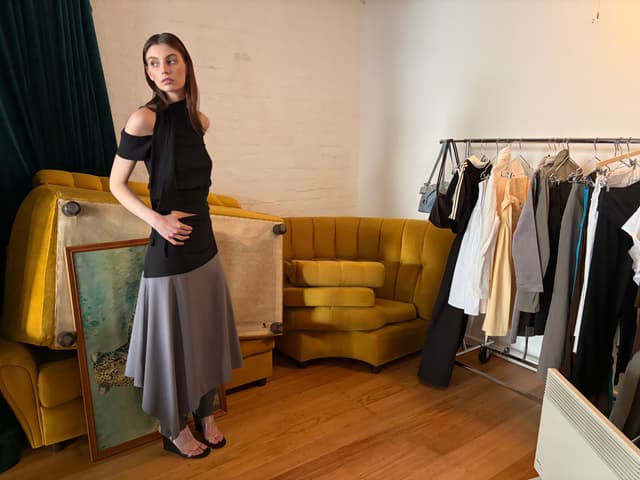
Muse The Label is an Australian designer clothing label for women, founded in Melbourne in 2016 by Christine and Sarah, a mother-daughter duo. Christine has sewn and made patterns for as long as her daughter can remember, while Sarah Kourim studied fashion at RMIT and worked as a womenswear designer for around ten years. The pair started by selling handfuls of pieces at markets before taking the label online during the pandemic, describing Muse as bold colour combinations, subtle femininity and architectural silhouettes. The collection includes dresses, tops, skirts, trousers, knitwear, outerwear and accessories, with effortless shapes, intricate techniques and artisanal touches. Pieces are made with local talent and accredited manufacturers in China, Bali and India, alongside in-house production by Christine in Melbourne. The label releases small, seasonless batches based on slow fashion principles, using natural fabrics such as silk, cotton and cashmere as well as deadstock fabric. The founders stay hands-on in every step, from design to answering emails and packing orders. Muse The Label has been profiled by Fashion Journal and Garmentory and is sold through stockists including Brunswick boutique Better with Friends.

Almina Concept featured image

Almina Concept

USA · Est. 2017 · Mid-range

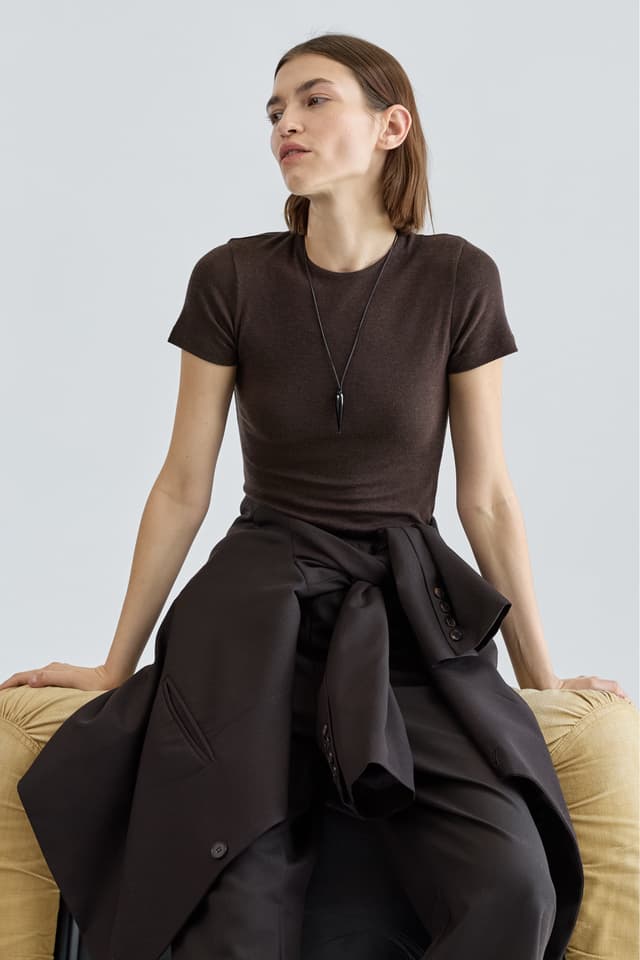
Almina Concept is a minimalist designer label for women, founded in Los Angeles in 2017 by Angela Gahng. Before launching the brand, Gahng worked in New York as a merchandiser for contemporary and luxury labels including Club Monaco and Loewe. She noticed that high-quality, modern styles were rarely affordable, and set up Almina Concept as a direct-to-consumer brand to fill that gap. The range focuses on everyday staples: knitwear, shirts, tees, trousers, skirts and outerwear. Signature pieces include the Classic Crew Wool Cardigan, the Funnel Wool/Cash Turtleneck, the Cropped Rollneck Pullover Sweater, the Oversized Cotton Shirt, the Plunged Neck Silk Cami and the High Neck Suede Jacket. All pieces are produced in Seoul, South Korea, with small, family-run factories that have 20 to 30 years of sewing experience. The brand works to reduce waste and plastic in its production and packaging. Almina Concept remains independent and founder-run. It sells directly to customers through its own online store, a model designed to keep modern, well-made basics attainable.

Our Bare Hands featured image

Our Bare Hands

Singapore · Est. 2019 · Affordable

Our Bare Hands is a Singaporean sustainable, ethical handmade clothing label for women and children, founded in Singapore in 2019 by Germaine Lye, Chanel Go and Mitchell Hong. The founders set it up as a for-profit enterprise with a strong social mission: an international collaborative community that creates quality lifestyle pieces with small-producing communities around the world and helps them reach long-term sustainability through profitable trade. The range includes tops, dresses, pants and jumpsuits, kids' clothing, beaded bags, accessories and home goods, many of them made to order. Signature pieces include the Atlas Sleeve Top, the Aurelie Crop Top, the Alberta Bell Sleeve Dress, the Bedouin Pants, Bellamy's Jumpsuit and the Alez Beaded Bag. Most clothing is sewn by refugee tailors in Malaysia, with beadwork from Cebu in the Philippines and leather weaving from Yangon in Myanmar. The brand builds long-term relationships with its artisans, sources quality materials and ensures they are paid a reasonable wage, reinvesting in their training and skills. Our Bare Hands won Best Sustainable Fashion Label at the Honeycombers Sustainability Awards in 2023 and has been profiled by The Business Times and Harper's Bazaar Singapore.

Folkcharm featured image

Folkcharm

Thailand · Est. 2014 · Affordable

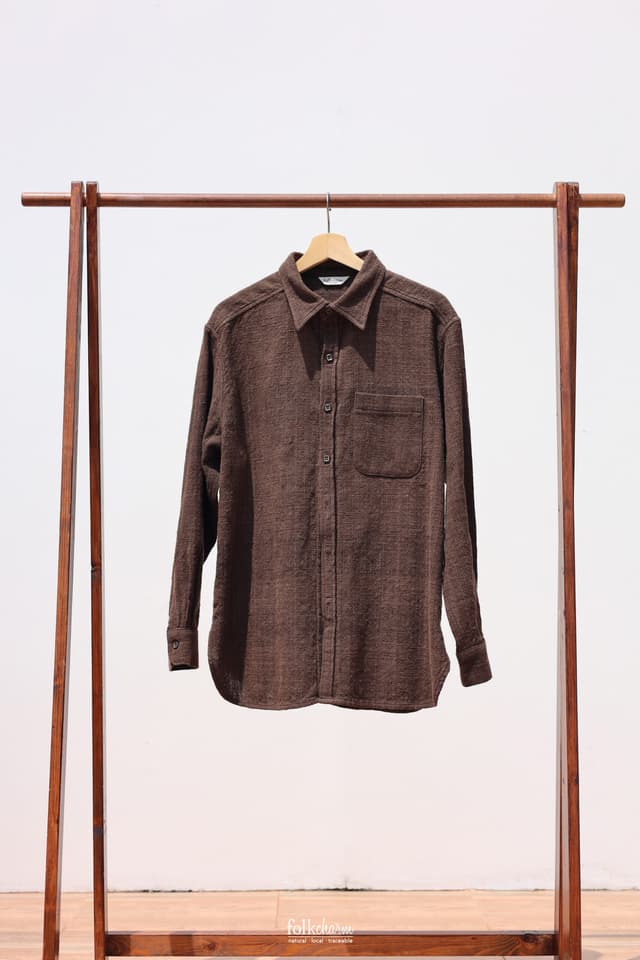
Folkcharm is a Thai sustainable clothing label, founded in Bangkok in 2014 by Passawee Kodaka. Kodaka is an alumna of the Asian Institute of Technology, where her master's research, partly supported by UN Women, looked at the empowerment of home-based women workers. The idea for Folkcharm took shape after a chance meeting with women artisans in Loei province in north-eastern Thailand, and it began as a modest project with only four weavers. The social enterprise makes ready-to-wear, scarves, accessories and fabric from 100% hand-spun, hand-woven natural cotton grown locally without chemicals. Pieces include the Closed-loop Longsleeve Light Blouse, the Asymmetrical Patch Pocket Cargo Trousers, the Men's Relaxed-fit Blazer and Aunty Plian's Light Scarf. Folkcharm partners with cotton farmers and women weavers in Loei, many of them over 50, giving them flexible work on their home looms. Since 2016 it has used over 15,000 kg of rain-fed, chemical-free Thai cotton, and in 2023 it moved to zero waste in material management. Its Bangkok studio hosts workshops, and it runs trips to partner villages for weaving and natural dyeing. Kodaka is an APEC awardee, and her work has been featured by UN Women.

Bahhgoose featured image

Bahhgoose

Canada · Est. 2018 · Affordable

Bahhgoose is a minimalist Canadian clothing label for women, founded in Campbell River in 2018 by designer Emily Craddock. A Canadian-owned, female-led brand, it creates easy, everyday pieces from natural fabrics, designed in Campbell River on Vancouver Island and brought to life with a small group of artisans. The collection includes dresses, tops, trousers, skirts, knitwear and caps, with signature styles such as the Rio Dress, Rose Dress and Nuage Dress, the San Halter Top, the Nua Top and the Sig and Hue pants, in shades from noir and latte to hibiscus and matcha. Pieces are made in Indonesia, handcrafted in Bali in small batches. Bahhgoose works with linen-cotton blends, cotton, rayon and viscose, and says it pays its artisans a fair wage. Producing in small batches keeps its handmade pieces limited and its process close to the makers. Bahhgoose runs its own boutique in Canggu, Bali, sells online through Garmentory and its own store, and is stocked by Canadian boutiques such as Euspira.

HERMANOS KOUMORI featured image

HERMANOS KOUMORI

Mexico · Est. 2016 · Mid-range

Hermanos Koumori is a Mexican activewear and streetwear label, founded in Mexico City in 2016 by Alex León and Alex Sandler. The two friends started out in contemporary fashion and streetwear, aiming to build a brand from Mexico for the world. When they took up running and released a T-shirt reading "Post Running High", it went viral, and the brand gradually turned into a label designed for movement. The collection includes race singlets, training shorts and tights, long and short sleeve tees, hoodies, over shirts, caps and socks, made for people who run every week, not once a year. Every product is designed and tested in Mexico City, at 2,240 metres above sea level, and many pieces are made in part with recycled materials. The brand works directly with the adidas team in Herzogenaurach on collaborative product, from the H.Koumori Ultraboost 5 and Adizero EVO SL shoes to Adi365 apparel. Its stores, five in Mexico City and its metropolitan area and one in Guadalajara, are designed as spaces to experience the brand through architecture, music and materials. Hermanos Koumori has been featured by Harper's Bazaar and Believe in the Run.

Le Bon Shoppe featured image

Le Bon Shoppe

USA · Est. 2017 · Affordable

Le Bon Shoppe is an American minimalist basics label, founded in Los Angeles in 2017 by a pair of old friends who met while working in the fashion industry. The brand was conceived over good food and conversation in a small apartment in the Arts District, and its founders choose to stay out of the spotlight and let the products speak. The name means "The Good Shop", and the aim is simple everyday pieces that are easy to wear but hard to find, in fresh colours and non-seasonal designs. Le Bon Shoppe is best known for its socks, including Her Socks, Girlfriend Socks, Boyfriend Socks, Cloud Socks and Sneaker Socks in a wide range of colours. It also makes tees such as the Vintage Boy Tee and Naturelle Tee, tops, parachute pants, mohair sweaters, alpaca cardigans, dresses and shawls. Most socks and many garments are made in South Korea, with some tees made in Los Angeles from organic cotton and a few pieces made in China. The brand produces small, limited runs calculated so it can sell everything before making more, so it carries no overstock. It sells online and through stockists.

Veritecoeur featured image

Veritecoeur

Japan · Est. 2008 · Mid-range

Veritecoeur is a Japanese minimalist clothing label for women, founded in Fukuoka in 2008. Styled Véritécoeur, its name joins the French words for truth and heart to express sincerity, and the brand describes its clothes as everyday wear that enriches the heart. It brings out the appeal of each material and values comfort, creating pieces that carry the warmth of the human hand. The collection runs from casual staples to more formal pieces, including washed shirts, frilled blouses, shirt dresses, tees, sweatshirts, wide trousers, all-in-ones, cashmere jackets, coats and stoles, alongside a basic line. Since 2015 its unisex line, Veritecoeur et ses COPAINS, has offered relaxed, menswear-inspired pieces and collaborations. Its clothing is made in Japan. Veritecoeur works mainly in natural materials such as linen, cotton, organic cotton, silk and wool. The brand hopes customers will wash and wear each piece again and again until it develops a nicer appearance and texture. The label has released a Curious George capsule, and actress Nao wore its pieces in her photo essay book. It runs an atelier and shop in Fukuoka, a Tokyo press room and an online store, and is carried by stockists across Japan.

Bodybag by Jude featured image

Bodybag by Jude

Canada · Est. 1998 · Mid-range

Bodybag by Jude is a Canadian designer label for women, founded in Montreal in 1998 by Judith Desjardins. After selling capsule collections in underground boutiques in New York and Montreal, Desjardins launched the label for a clientele frequenting clubs and raves. Its name refers to the body bag, the last piece of clothing we will ever wear, and the brand's message is to wear it with style. Over time it has evolved into a contemporary label of comfortable pieces for young professionals, balancing chic and casual. The range includes tops, dresses, skirts, pants, jackets and coats. Pieces include the Baxter Turtleneck, Pacifica and Sunny Shirt Dresses, the Kyoto Top and Crewneck 98, and coats like the Dover Trench, Highland and Morrison. Every garment is designed in the brand's Mile End workshop-boutique and made in Montreal and its surroundings with local expert manufacturers. It favours natural fibres, many OEKO-TEX certified, from Italy, France, the USA and Canada, and reduces waste with small runs, optimised cutting and the sale of seconds and remnants. The independent label is run by Desjardins, selling at its Bernard Street boutique, online and in over 30 Canadian boutiques.

The Slow Label featured image

The Slow Label

Austria · Est. 2019 · Mid-range

The Slow Label is a European sustainable, minimalist clothing label for women, founded in Vienna in 2019 by Anna Laura Amenta. Amenta set out to build a capsule wardrobe of timeless, high-quality basics designed to be worn for years, deliberately stepping away from the constant cycle of new releases in favour of enduring pieces that transcend trends. The range covers tees, tanks, knitwear, trousers, skirts, dresses, blazers, coats and swimwear, with signature pieces such as the Crewneck Jumper, Pleated Wool Pants, Classic Linen Blazer and Trench Coat LENA. Most garments are made in Portugal and Italy by small, specialised and often family-run manufacturers, from traditional weaving mills and knitting factories to tailoring workshops, with some pieces made in India. Materials are chosen for longevity and lower impact, favouring organic, recycled and natural fibres. Where possible garments are made from a single fibre to ease recycling, stretch comes from Cradle to Cradle Certified Roica V550, and wool is always mulesing-free and sourced from mills certified to standards such as RWS, GOTS or IVN. The Slow Label is an independent, female-founded company that grows organically and publishes details of its supply chain on its website.

Permanent Vacation featured image

Permanent Vacation

France · Est. 2017 · Mid-range

Permanent Vacation is an upcycled, gender-neutral designer clothing label, founded in New Delhi and Paris in 2017 by Caroline Piccot. After years in the refined world of Parisian luxury fashion, Piccot began making singular garments for friends, and the project found new purpose when she immersed herself in Indian handcraft. Its first pieces took shape during the monsoon in Goa in 2017, made from vintage saris, before the studio found its home in New Delhi. The label makes shirts, dresses, tops, skirts, jackets, trench coats, trousers and hats, often as unique pieces or limited editions not tied to gender. Everything is handmade in India in close collaboration with skilled artisans in small workshops with fair working conditions. Collections do not follow the fashion calendar but unfold as stories inspired by the fabrics found. Each piece begins with a journey through India to collect vintage cotton and silk saris, alongside khadi, ikat, linen and silk. The brand also uses deadstock fabric from factories and turns every leftover scrap into small accessories or patchwork, aiming for zero waste. Permanent Vacation has been featured by NZZ Bellevue, Platform Magazine, Blumenhaus and LBB Delhi.

Reet Aus featured image

Reet Aus

Estonia · Est. 2012 · Affordable

Reet Aus is an Estonian circular designer label, founded in Tallinn in 2012 by designer Reet Aus. A PhD-qualified fashion designer and environmental activist, she is a pioneer of industrial upcycling and developed the UPMADE® methodology and certification with the Stockholm Environment Institute Tallinn Centre. The brand makes durable, minimalist clothing from pre-production leftover fabrics, saving on average 75% water and 88% energy per garment. The range includes T-shirts, the signature Up-shirt, tank tops, jeans such as its Straight Japanese Jeans, sweatshirts, hoodies, sweaters, cardigans, trousers and skirts, plus underwear, hats, upcycled bags and home goods. Clothing is made in UPMADE®-certified factories in Bangladesh, Poland and Latvia, using leftover recycled cotton, denim, Tencel and wool. In mass production about 18% of new fabric becomes cutting waste; UPMADE® applies upcycling on an industrial scale to close that loop, while checking that leftover fabric is free of harmful chemicals. Reet Aus's UPMADE® Collection won the German Ecodesign Award 2023 in the Product category. The brand's story was recorded in the documentary Out of Fashion, and it dresses teams at more than 200 organisations.

Deiji Studios featured image

Deiji Studios

Australia · Est. 2016 · Mid-range

Deiji Studios is an Australian loungewear and sleepwear label for women, founded in Byron Bay in 2016 by Juliette Harkness and Emma Nelson. The pair started out in a small garage making linen bedding, which grew into sleepwear and loungewear designed to be worn from morning to night. Designed as a study in duality, its pieces blur the line between pyjamas and outerwear, so comfort becomes subversive and the wardrobe moves seamlessly between private ease and public statement. The range includes sets, shirts, tops, pants, skirts, dresses, knitwear and linen pillow slips. Pieces include the 03 Set, the Ease Trouser, the Pocket Pant, the Boxy Shirt, the Wrap Cardigan, the Longline Jacket and the Frill Placket Dress. Its fabrications are made entirely from biodegradable or recycled materials, produced by manufacturing partners in China, and its linen is grown in France. As a member of 1% for the Planet, Deiji donates 1% of its annual revenue to environmental organisations, and it gives new, unsold garments to the non-profit Thread Together. Deiji Studios is independent and run by its co-founders, with concept stores in Byron Bay and Paddington and stockists such as Net-a-Porter and Ssense.

Loclaire featured image

Loclaire

New Zealand · Est. 2019 · Mid-range

Loclaire is a New Zealand designer label for women, founded in Auckland in 2019 by partners Frances Lowe and Adi Komari. They launched it to be as modern in its morals as in its aesthetics, and with an estimated 80% of a product's environmental impact decided at the design stage, Lowe begins with rigorous fabric research. Collections are small and considered, defined by premium fabrics, impeccable tailoring and quality craftsmanship, balancing the timeless with the extraordinary. The range includes tops such as the Bunny Longsleeve and Butterfly Blouse, the Bennetts Pant and Celeste Bubble Miniskirt, dresses like the Demi Wrap Dress and Eclipse Dress, and outerwear including the Reefs Trench Coat and Bao Blazer, plus silk scrunchies. In October 2020 Loclaire moved to a made-to-order model with zero waste, inclusive sizing, full transparency and local production, and its collections are made in Auckland. It has used only organic cotton since the end of 2020, with no polyester, alongside ZQ-certified New Zealand merino and deadstock fabrics. Waste is reduced through clever patternmaking, small one-off projects and donating offcuts, and orders ship in recycled packaging. The brand aligns its work with the UN Sustainable Development Goals.

Lilla P featured image

Lilla P

USA · Est. 1998 · Mid-range

Lilla P is an American minimalist womenswear label, founded in New York in 1998 by Pauline Nakios. The Charleston native started the line in pursuit of "the perfect t-shirt", and it has since grown into a full collection of sophisticated staples and elevated basics. Each season the brand returns to its ethos of rethinking the classics, with clean lines, quality fabrics and an impeccable fit as its hallmarks, and a belief that luxury and comfort can coexist in everyday clothes. The range is built on tees and tops, from vintage-wash tees and V-necks to sleeveless and collared styles, many in soft Peruvian cotton. It also includes cable-knit and rib henley sweaters, midi and maxi dresses, pleated and wide-leg pants, skirts, shorts and jackets such as the Double Breasted Short Trench. According to WWD, Lilla P's sweaters are made in China, its cut-and-sew pieces in Peru and its wovens in India. The collection takes its design inspiration from New York City. Lilla P is an independent, family-run brand that Nakios runs with her husband and business partner, Thomas Nakios, and it sells online and through stockists.

Uhana Design featured image

Uhana Design

Finland · Est. 2012 · Mid-range

Uhana Design is a sustainable, minimalist designer label for women, founded in Tampere in 2012 by Hanna Virkamäki and Mira Vanttaja. The Finnish brand combines clean, timeless shapes with dreamy prints and empowering messages, built around the idea that women should never make themselves smaller. Its aim is to create high-quality pieces that last long enough to become the vintage of the future. The range includes oversize slogan tees and sweatshirts, shirts, blouses, trousers and dresses. Signature pieces include the Basic Needs Oversize T-shirt, the Girl Gang Oversize T-shirt, the Better World Oversize Sweatshirt, the Aeris Shirt, the Cosmos Blouse and the Enchanter Pants. Clothing is made mainly in Estonia, Portugal and India, and from the start every Uhana product has been made with respect for human rights and the environment at each stage of the supply chain. The label works with materials such as linen, silk, merino wool and Tencel, and it continues to develop a long-term responsibility plan. Uhana Design remains independent and is run by its two co-founders.

Exotic Marigold featured image

Exotic Marigold

South Africa · Est. 2020 · Affordable

Exotic Marigold is a South African designer, handmade clothing label for women, founded in East London in 2020. The team behind it, who sign off as the Marigold team and do not publicly name a founder, created the line because they believe comfortable, sustainable and ethical fashion should also be beautiful and unique. They see everyone involved in the company as part of the Marigold family and aim to create collaborations, relationships and art as well as clothing. The boho-inspired range includes dresses, blouses, kaftans, kimonos, jackets, coats, jumpsuits and sleepwear, plus scarves and jewellery. Signature pieces include the Penelope Dress, the Kira Kaftan Dress, the Mandala Blouse, the Velvet Suzani Jacket, the Quilted Cotton Coat and the Phulkari Kimono. Most of the clothing is made in India. The brand works closely with artisans in India, using mostly 100% Indian cotton that is block printed or screen printed by hand, so each piece is made slowly in small batches with its own subtle differences. Many designs draw on Indian craft such as phulkari and suzani embroidery. Exotic Marigold aims for timeless pieces rather than seasonal trends and sells online and from its boutique in East London.

Minnow Bathers featured image

Minnow Bathers

Canada · Est. 2009 · Affordable

Minnow Bathers is a Canadian swimwear label for women, founded in Toronto in 2009 by friends Karen Donaldson and Vanessa Warrack. After studying fashion design in different cities, the pair returned home and began making swimsuits for friends, frustrated by tiny string bikinis and wanting suits that actually fit and stayed on while swimming, camping and jumping off cliffs. The label designs high-performance swimwear in a range of sizes and styles that reflect the diversity of the human form. Minnow releases one collection a year of one-piece maillots such as the ADDER, BRIAR and CARSON, bikini tops like the ABBIE and AMBER, and matching bottoms. Every suit is made to order, by hand, in its Toronto studio using minimal-waste pattern-making and fabric design, and it also sells fabric scraps. Its newer fabrics are chlorine-resistant and UV-blocking, made from 78% ECONYL recycled yarn and 22% spandex, and its prints are digitally printed in Montreal. Since 2017 it has worked with artist Daniel Innes on hand-drawn textile designs, and it ships in compostable mailers. Minnow donates a percentage of each sale to nature conservation organisations and has been featured by The FADER and the National Post.

Jennifer Glasgow Design featured image

Jennifer Glasgow Design

Canada · Est. 2001 · Mid-range

Jennifer Glasgow Design is a Canadian designer label for women, founded in Montreal in 2001 by designer Jennifer Glasgow. The brand describes itself as a lifelong expression of art through fashion, and as much an established Montreal fashion house as a brick-and-mortar boutique. Its signature style combines classic, strong shapes with bold form, colour and artistic flourishes, designed to outlast fast-paced, disposable trends, and it draws on an admiration for Montreal's fashion manufacturing legacy. The collections cover tops, dresses, bottoms and outerwear, with pieces such as the Adore Button Up Top, the Agate Dress, the Aria Panel Skirt and the Billie Barrel Jogger. Everything is designed and produced in Montreal by a team strengthened by skilled local seamstresses, which lets the brand oversee every step from textiles and cutting to sewing and shipping. It focuses on OEKO-TEX materials and works in small batches to limit waste, following slow-fashion values that began with sewing in the back of its first boutique. Its boutique at 5145 St Laurent Boulevard, open since 2006, sells the label's own collections alongside sustainable brands from local designers, plus jewellery, shoes, scarves, art and apothecary items.

Linenfox featured image

Linenfox

Lithuania · Est. 2014 · Mid-range

Linenfox is a European linen clothing label for women, founded in Kaunas in 2014 by Ingrida Margelė. She started the brand to make linen clothing that is comfortable, timeless and good for both city life and the garden, and runs it with her husband, Airidas Margelis. The approach is slow fashion: long-lasting pieces that soften with every wear. The collection covers linen dresses, tops, shirts, trousers, skirts, jumpsuits and jackets, with newer lines for men and kids and linen for the home. Every garment is made to order in Lithuania, designed and handcrafted by the brand's own team in its Kaunas studio, and customers can request custom lengths or colours on many styles. Linenfox works only with OEKO-TEX Standard 100 certified, toxin-free linen and follows fair trade principles. Its fabric goes through colour development, weaving, dyeing, softening and hand inspection of every metre before it is cut, and much of the sewing and shaping is done by hand. The label sells worldwide through its own site. After twelve years of making linen clothing for women, Linenfox has launched its first linen collection for men.

Hakea featured image

Hakea

Australia · Est. 2016 · Mid-range

Hakea is an Australian swimwear and surfwear label for women, started in 2016 by Casey Eastwell and based in Byron Bay. Eastwell left a graphic design job to start the brand after searching for minimal yet interesting swimwear that fit well, stayed put in the surf and suited her style. Hakea merges the laid-back feeling of surf culture with clean lines, and it is named after an Australian native plant known for its diversity and resilience. The label makes versatile one-pieces such as the Terrain and Halter, long-sleeve surf suits like the Cosmos, rashguards like the Aire Turtle Neck and bikinis such as the Voyage and Santiago. It also makes linen dresses, Holiday crossbody bags, belts and linen beach blankets. Hakea is designed in Australia, and its swimwear has been sewn by a small production team in Bali, Indonesia. The swimwear uses ECONYL and REPREVE recycled nylon, while the apparel uses deadstock fabrics and natural fibres such as linen, silk and organic cotton. The brand favours small, thoughtfully timed collections and seasonless designs. Hakea is an independent, female-founded brand led by Eastwell as creative director, with a Byron Bay showroom called Sunup Space.

Can't find what you're looking for?

We add new sites every week but if you have a specific request, let us know.